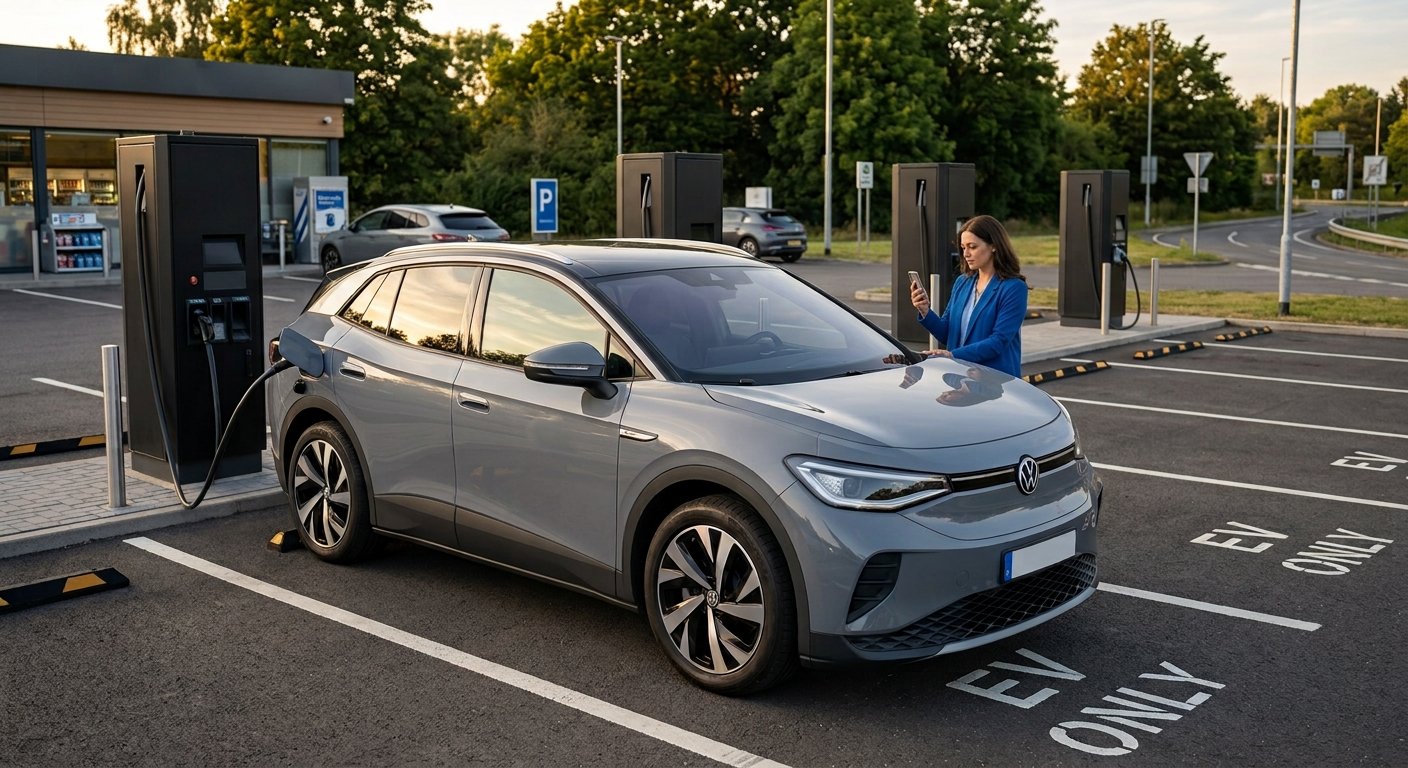
EV charging apps make it easier for electric vehicle drivers to find more affordable and convenient public charging solutions. While home charging is a good fit for many EV owners, public charging is essential for long trips, drivers without home charging access, and people who need to charge during the day. Charging stations can vary greatly in price, charging speed, connector types, networks, and availability, which may be affected by maintenance or other issues. You may find that choosing a public charging station costs more than expected or results in a long wait.
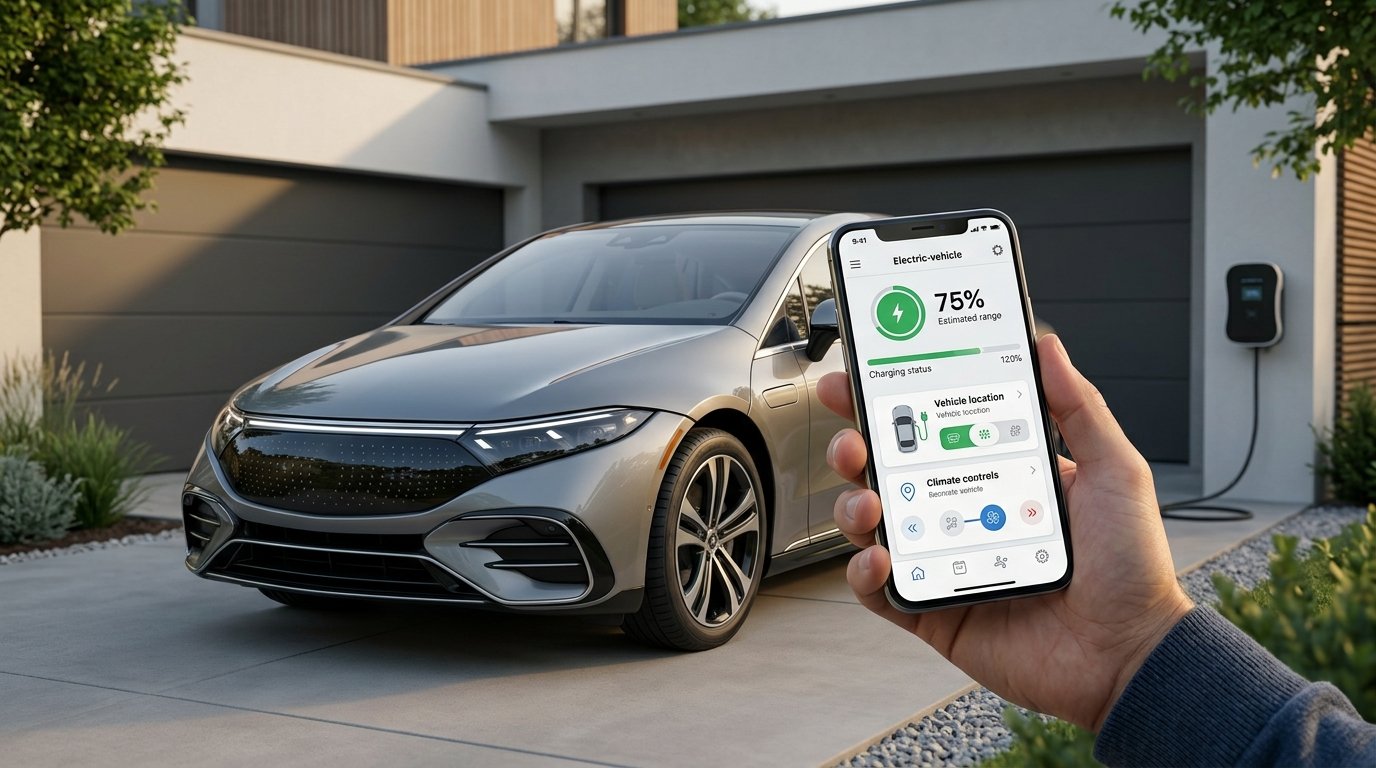
EV charge point apps do this by putting info on various charging stations in one place. What each app offers may differ, but typically you can compare prices, charging speeds, connector types, network details, live availability, and station locations. This, in turn, makes it easier to find the right charged-up point rather than going for the closest one.
Why EV Charging Apps Are Important for EV Drivers
A dedicated charging app has more to offer than a basic map or vehicle navigation system. We see that many apps which are out there allow drivers to search for nearby charging stations and which, in turn, provide info like what kind of connectors are available, charging speeds, prices, and the operating status. This is very useful when you are traveling in an unknown area and trying to find a charger that is compatible with your vehicle.
Price point comparison is also a very important aspect. We see that public charging costs between networks and locations may differ and that some stations may have extra charges. By using an app which reports these issues out, consumers can avoid very expensive charging stations. Also, what is sometimes the lowest cost option may not be the best for the consumer, as in some cases a lower-powered charger may end up taking the same amount of time as a faster one.
What to Include in an EV Charging App
Most useful charging apps present drivers with a comparison of many key factors, which, in turn, gives a better idea of the value and convenience of a charging station.
Charging Price
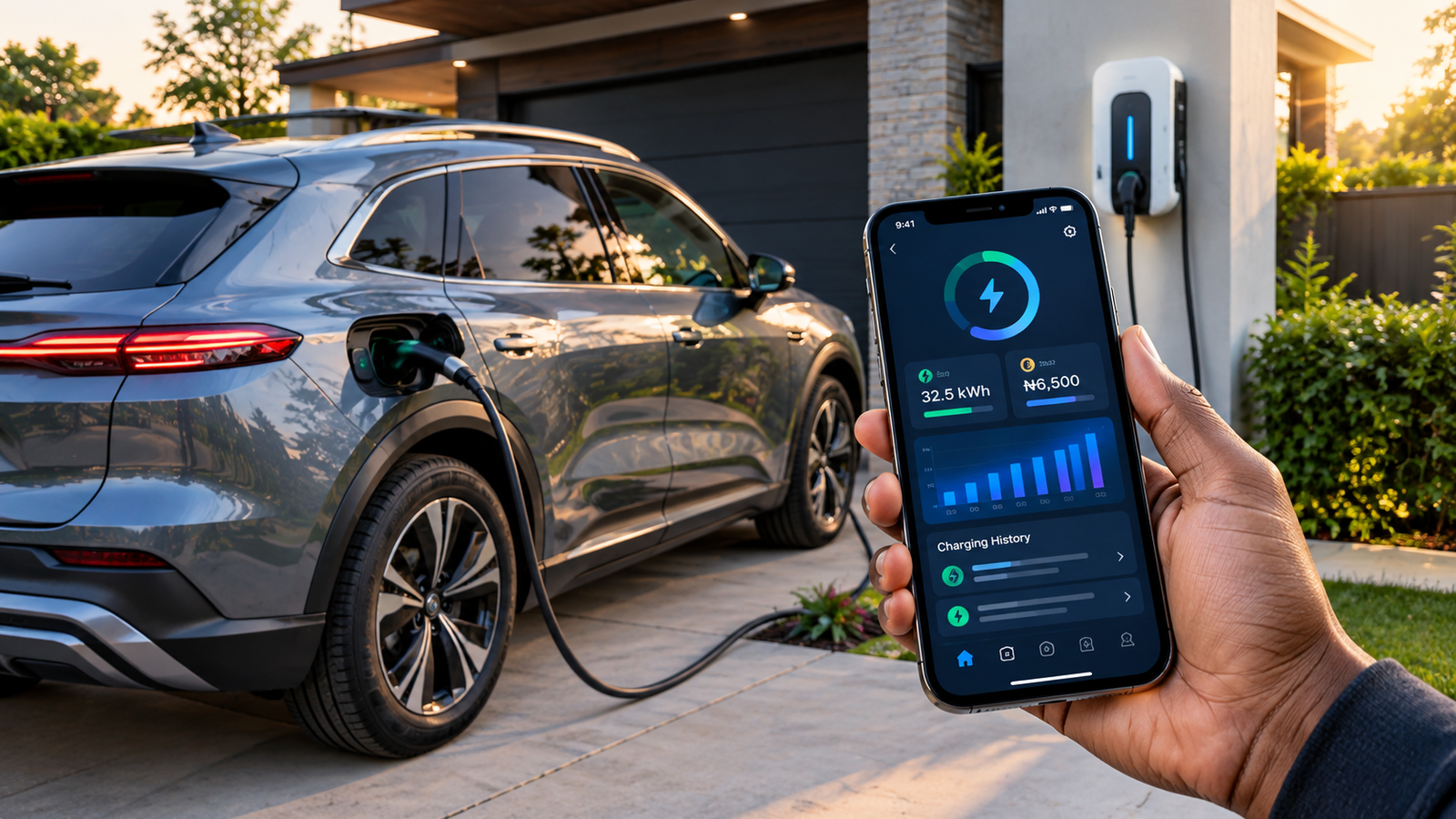
Price is a primary factor which drivers should research when they are comparing chargers. Some stations may base their charges on the amount of electricity used; also, they may go by time-based pricing, connection fees, parking charges, or membership rates. An app which has that information is very helpful to drivers at this stage.
Drivers also look at the full picture of costs when it comes to charging. A cheaper station which may require a long detour is perhaps not a better value in total. Also, by looking at local area options for price as well as ease of access, drivers can do better than just picking the lowest advertised rate.
Charging Speed
Charging time is a key issue in short time frames. We see that apps report charger power in kilowatts, which, in turn, allows drivers to tell the difference between slower AC chargers and faster DC ones. While having a higher power-rated charger may put out charge more quickly, that is also to note that the actual charge speed very much depends on the car and battery.
For journeys which last a day or more, a fast charger will cut down on time spent charging at each stop. For daily use, however, a slower charger may do the job fine if the vehicle is going to be parked for a large part of the day. What drivers should do is choose a charging speed which fits in with their time available rather than going for the fastest option available.
Connector Compatibility
A charger has a type of plug that will work with your car, which is why it is important to check this info before you head to the charging station. Also, charging apps which you may have access to can display what types of connectors are available at each location, which, in turn, will help drivers to not show up at a charger that won’t work for their car.
Connector info is of great value on long-distance trips, which may see suitable options a few miles out of the way. Also, drivers should check the type of connection as well as the fact that the charger supports the type of charge your car needs.
Network and Charger Availability
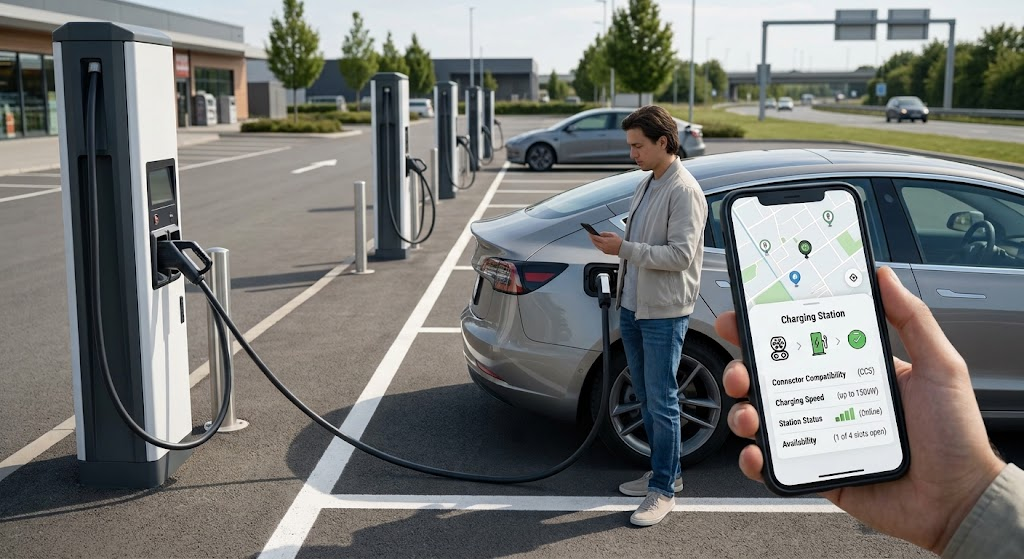
Charging networks may vary in their services, from different price points, types of payment accepted, membership options, and what operational requirements they have. Some stations may only accept a certain account or app, while others provide more flexible payment options. Also, by knowing which network a charger is operated by, a driver may want to know in advance.
Live availability is also a valuable feature to note, as a charger displayed on a map may not be at no cost. Popular stations may fill up, in very busy times in particular. That is why we see apps which report present or recent updates in this info very much in use by drivers, which therefore gives them a better chance of finding what will suit their needs. Also, as charger status is a very dynamic thing, it is still a good idea to have a backup option.
Finding Convenient Charging Locations
The nearby charger may not be the best option. At a station by a supermarket, restaurant, hotel, or shopping center, which is a point of interest to the driver, they have the chance to do something productive while charging. Apps which identify these spots out there and which facilitate the combination of charging with another activity may be used.
Location is a key factor in road trip planning. As a driver, you may choose a quick-charge station which is part of your planned route over a cheaper option which requires you to detour. Also, by looking at the station’s location, charge speed, price, and what they have to offer in terms of amenities, you will be able to pick out one which works well with your trip.
Selecting the Best EV Charging App
Different types of charge point info are given out by whichever app you use. Some of these apps run on private charging networks which provide details of their chargers’ performance, prices, availability, and payment methods. Others have access to many different networks’ info and are useful for comparing charge points over a larger area.
Multi-Network Charging Apps
Multi-network apps do for drivers what straddles different cities or regions. Instead of going to each individual charging network’s site to check out what is available, drivers may use one site which has info on many. Also, in one go, you are able to see which charger has the best price, speed, what kind of connector it is, and its location.
However, at times, what third-party apps report may not be current. When a charging station is a primary stop for a driver, we also have them check the charging company’s site or app for details. This is also a great way to check present pricing, payment options, and charger status.
How to Reduce What You Put Out When Charging Your EV
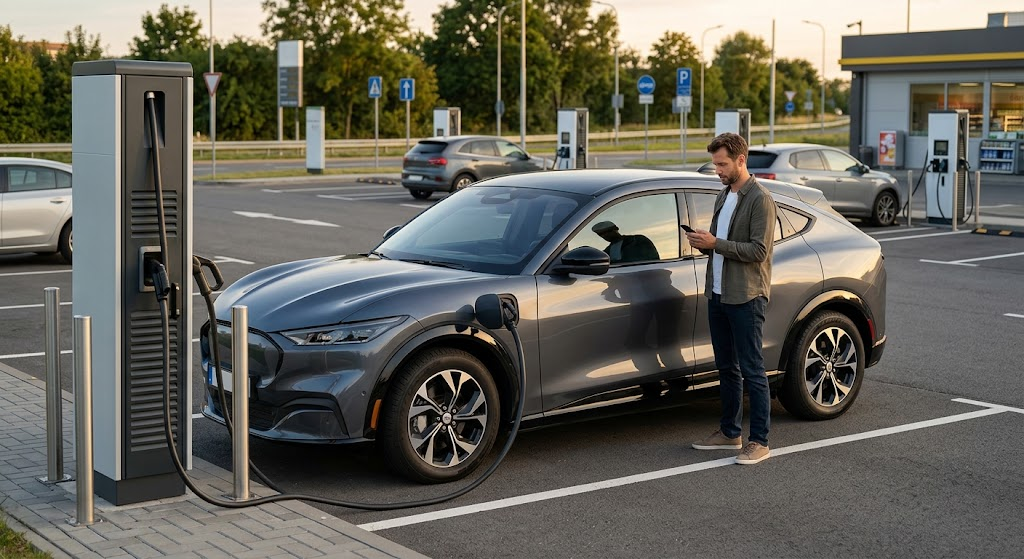
Finding out which charger is the cheapest is a complex issue beyond just seeing what the low price is. What we have found is that which charger you choose should take into account the distance to the station, charging speed, parking fees, and how much time you will have to spend there. Also, a very cheap option that has a large detour added to your route or an extremely long charge time may not, in the end, save you money.
Comparison of many available options is key. If a faster charger which is a little more expensive is at the destination, that may be the better choice for a driver that has to get out of there right away. If you will be parking the car for a long while, a slower, cheaper charger may be the way to go.
Planning Fast-Charging Stops for Road Trips
Long-distance EV trips require some research first because you need to consider battery range and the distance between charging points. Before you go, use an EV app to find out what charging stations are on your route and what they have to offer in terms of charge speed, connectors, and whether they are actually open. Choosing a fast charger can also help reduce the amount of time spent charging during a longer journey.
Also, it is a good idea to have a backup charger in case of the primary station’s failure. Chargers may be out of use, unavailable, or have technical issues by the time the car arrives. Having some charge left in the tank provides also that extra flexibility which, in turn, may see you through a change in charging plans.
Conclusion
EV charging apps which have public charging stations allow users to look at a wider range of options in terms of price, charging speed, connector type, network, availability, and location. Also, instead of the app which just brings up the closest option, it presents a variety of choices which the driver can pick out based on their car’s needs, budget, and time.
Which is the best approach varies by situation. Local drivers report that they value affordable charge options and convenience the most, at the same time which is what road trip drivers pay the least attention to; instead, they are more into fast chargers, reliable options that they are able to use, and also good route planning. Also, by looking up charge info beforehand and having a backup plan in place, EV owners report they are able to reduce unnecessary costs and make charging breaks more of a sure thing.