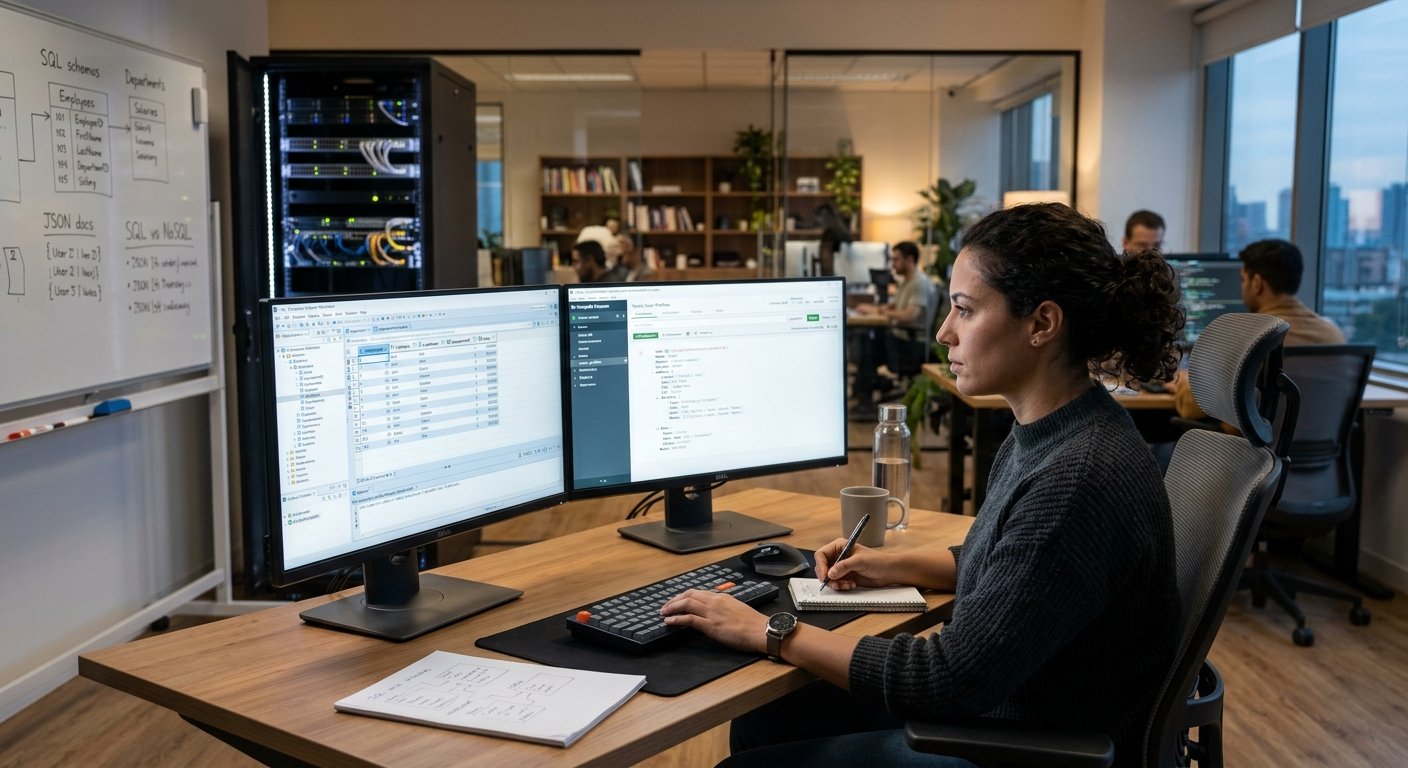
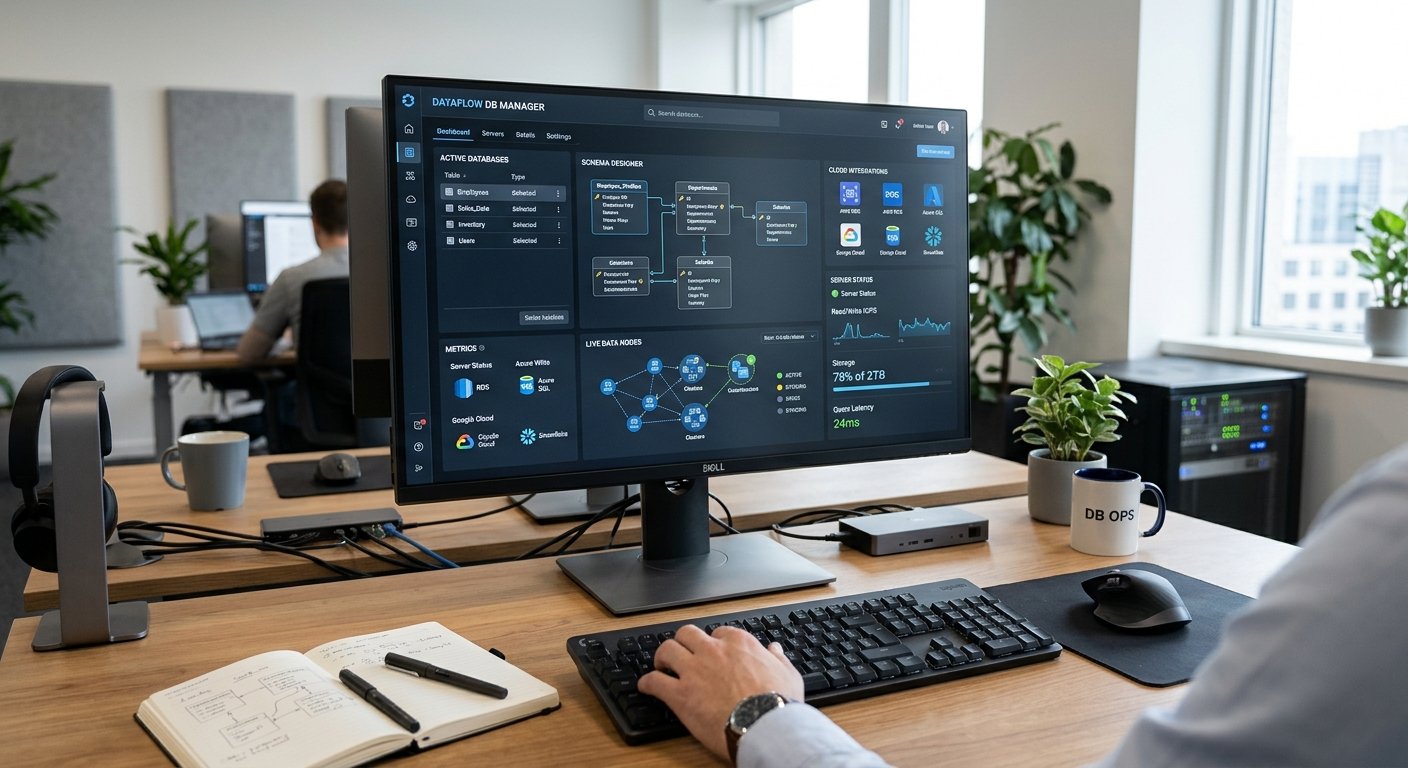
Many people use the terms coding and programming interchangeably which in a casual setting is acceptable as the two are very related. We do that because we are talking about activities which put machines to task via instructions and which also require us to learn programming languages and know how software works. But from a professional software development stand point they are not the same. What we term coding is mainly the act of writing out instructions in a programming language for a certain task to be performed, which is a component of the larger picture that is programming.
In programming which is a wider field we have requirement analysis, design of applications, choice of architecture, work with databases, testing features, tracking and resolving issues, version management and post release maintenance. By which I mean to say that although the terms are used together a great deal, there is a great deal of difference between the two which will help beginners set realistic expectations out of what software development is.
What Is Coding?
Coding is the translation of algorithms, logic, or solutions into a form which a computer is able to run. When one writes Python to do the mean of a set of numbers, codes a JavaScript function that runs when a user clicks a button, or writes in Java which processes info, they are coding. We are usually focused on putting a particular solution into the structure of a programming language. Also required is knowledge of variables, data types, operators, conditions, loops, functions and other language features. And at the same time pay attention to syntax as a small error will cause a program to not run. For beginners coding is what you see the most of in the software development process as it is the creation of which becomes part of the application.
Coding is like writing out separate sentences which in turn create a large document. A single sentence is important, but writing many of them does not in itself mean that you have put together a well structured document. Also, writing lines of code does not by itself mean that a full out software solution has been designed. A programmer may write a function that does a specific calculation but still has to figure out how that function will fit into the whole application. Also they may have to think about security, performance, usability, data storage, error handling, testing, and future maintenance. Code is a very technical skill but is but one piece of the larger programming process. As a programmer grows in their craft they should move out of just getting individual code segments to work and into a place where they see how all the pieces fit into the whole.
What Is Programming?
Programming is a wide field which includes the use of computational thinking and technical skills to develop, try out, improve, and maintain software. Programmers don’t just ask “What code should I write?. Also in the mix are “What issue am I addressing? What should the software do? How should the different elements interact? Where will we store info? How do I make the system reliable and maintainable? Thus programming includes planning, problem solving, algorithm design, coding, debugging, testing, documentation, deployment and maintenance. Also into the picture may be designers, database specialists, system admins, security pros, product managers and other developers. The scale of responsibility varies based on the programmer’s role and the size of the software project.
In fact we see the difference when we put a small coding task up against a real world application. For instance if someone writes out a few lines of Python which total up the price of many products that is a coding task. But to build an online shopping system which is what we mean by a real world application goes beyond that. Here the developer has to think about user accounts, product info, shopping carts, payment issues, databases, authentication, error out, security, performance, testing, deployment and also future updates. The code itself still has to be written but that is only a part of the work. Programming is the field that ties all of these diverse elements together into a working software product. Also it is what professional programmers do for the most part they spend large amounts of time thinking through problems and systems as opposed to just writing out code.
Algorithms and Problem-Solving
Algorithms play a key role in programming as they present step by step solutions to problems or ways to complete tasks. Before writing code a programmer has to determine the logic the computer will use. For example if a program is to find a certain name in thousands of records the programmer requires a good search strategy not random code which may by chance work. Also sorting data, calculating statistics, processing transactions, putting forward content recommendations, or validation all require logical approaches. In learning algorithms programmers gain insight into how problems may be divided into manageable steps and also how various solutions may differ in terms of speed, memory use, simplicity, and reliability. Code is then the expression of an algorithm in a computer’s language.

In many ways problem solving is at the core of what is learned in programming as it is very rare that software projects present well defined problems with clear cut solutions. A programmer may get a request like “make the application go faster” which doesn’t at face value tell you what to do. The programmer has to dig in, look at the application, see what is slow, look at the database queries, the network requests, and determine if the issue is with inefficient algorithms or some other component. This also means that we should not limit learning programming to just memorizing language syntax. Syntax is important but also at the same time students must learn how to break down large issues into smaller more manageable pieces, come up with a variety of solutions and choose the best approach for the project at hand.
Software Architecture
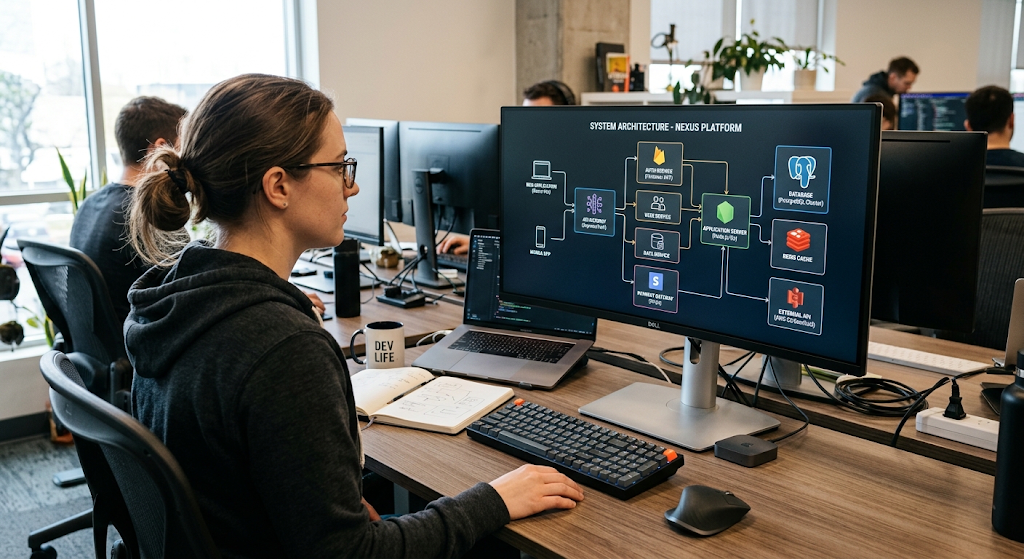
As software scales out programmers require a plan for how its main components will be architected and tied together. This field is what we call software architecture. software architecture Software architecture is that which deals with the high level structure of a software system, including its major components, what each does, and the methods in which those components interact. For instance a web app may have a user interface, business logic, database layer, auth system, and external services. What we decide on in terms of those parts’ interaction will in turn play a role in the app’s performance, security, scale, reliability, and maintainability. Thus in a large project a programmer must know more than just individual functions. They also must have an understanding of how their code plays into the whole of the application and that changes to one component may in turn affect others.
Architecture plays a key role in the growth of software. A simple app may perform well with a small user base, but issues present themselves as that number grows into the thousands or millions. At that point developers may have to divide responsibilities, introduce more services, improve database access, implement caching, or they may go about distributing work loads across many systems. These decisions go beyond just writing more code. They include an in-depth understanding of what the full system requires. Beginners don’t have to know all architectural patterns at once, but they should at some point learn that software is put into components for a reason and how those decisions play out in the long term behavior of an app. This info is also useful in that it gets programmers out of the habit of looking at each task in isolation.
Databases and Data Management
In many areas of software development we see that data plays a key role which is why databases are very important. While a simple calculator may not require permanent data storage, an extensive array of applications do — we are talking about banking systems, online stores, school portals, social platforms and inventory systems which all require storing and retrieving info. Programmers may work with relational databases like MySQL or PostgreSQL which are very popular or other database solutions that better fit different needs. Also they should have a grasp of concepts which include tables, records, relationships, queries, indexes and data validation. Also they may have to look at how info is created, updated, retrieved, protected, backed up and deleted. The language which is used in programming gives instructions on how to work with data but for in depth software development it is also very important to understand the structure of the underlying info.
Database out also puts forth that programming is a greater task than the mere writing of code which produces an immediate result. Take for instance an application which presents a customer’s order history. The programmer in this case has to determine what info is to be put away, how orders play to customers and products, how best to go about retrieval of that info, and what to do if we have missing or invalid records. Poor data design may lead to slow apps, inconsistent info, or difficult maintenance down the road. Thus good programming includes thought put into data as a part of the whole system. Also, we see in beginners as they learn programming to step by step familiarize themselves with basic database concepts because many real world applications very much depend on solid data storage and retrieval.
Version Control and Collaboration
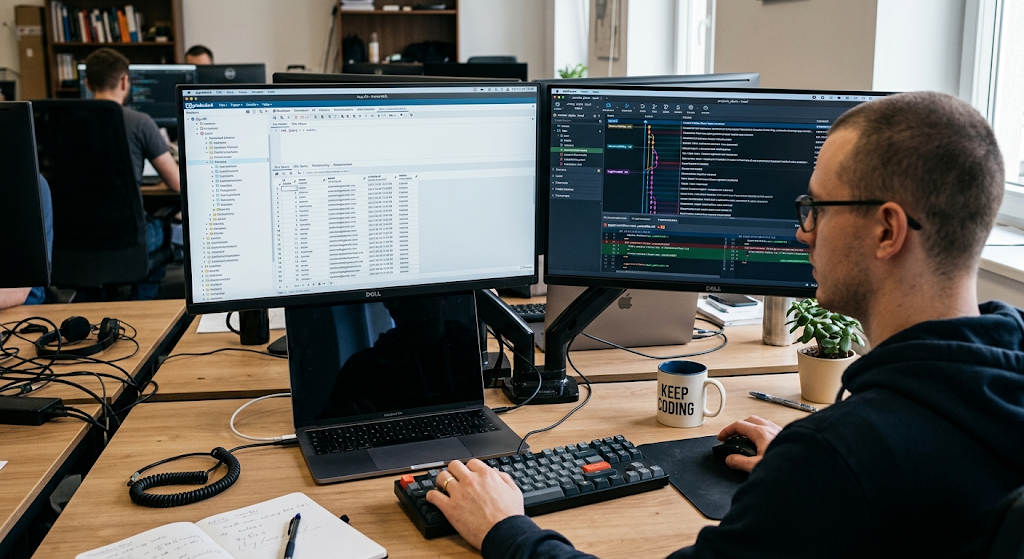
Professional programmers also point out that they are in charge of code changes which is a large issue when many people are working on them at the same time. Version control systems which include source code management we see are what developers use to report on changes, which also allow them to develop in separate environments for the new work, review changes made by others, and go back to previous versions as needed. Git is at present the most used version control system with that also included in platforms like GitHub, GitLab, and Bitbucket which also bring in elements of collaboration. Without the use of version control a team may end up overwriting each other’s work or may lose important changes. Version control thus becomes a part of the development process as opposed to an add on to the coding which may be done. Also even for beginners which may be working alone from home, we see value in learning Git as it brings structure to the development process and also gives a report of a project’s evolution.
Collaboration changes how programmers think about their code. In a study setting a person may write code that only they will at some point in time need to understand. In a professional project out of which their code will be looked at, modified by, tested, and maintained by other developers that does not include the author at all. This is what makes for important issues like naming, structure, documentation, consistency, and simplicity. Programmers must also craft code which is clear to the person other than the coder that will see it and at the time not only does it have to work on the author’s computer but also anywhere else. That which teams do like use of code reviews, issue tracking, automatic checks, documentation, and also agreement on development practices all play a part in running projects. Also these actions present the bigger picture roles in programming which in turn means that professional development is very different from just sitting alone and typing out instructions.
Testing and Debugging
Writing out code that works is just a step in the programming process. Software has to be put through its paces to see how it performs in a variety of situations. We may look at individual elements of the software, how different parts interact with each other, and we also may test the full application from start to finish. In some projects we may use automated tests and in others we may go with manual testing. Also we may turn to a mix of both. Testing is very important because a program may function properly for the typical use case but fail when presented with atypical or unexpected input. For instance a which does math for positive numbers may not do the same for 0, negative numbers, empty input, or very large values. Testing is a way to find these issues before they affect large groups of users.
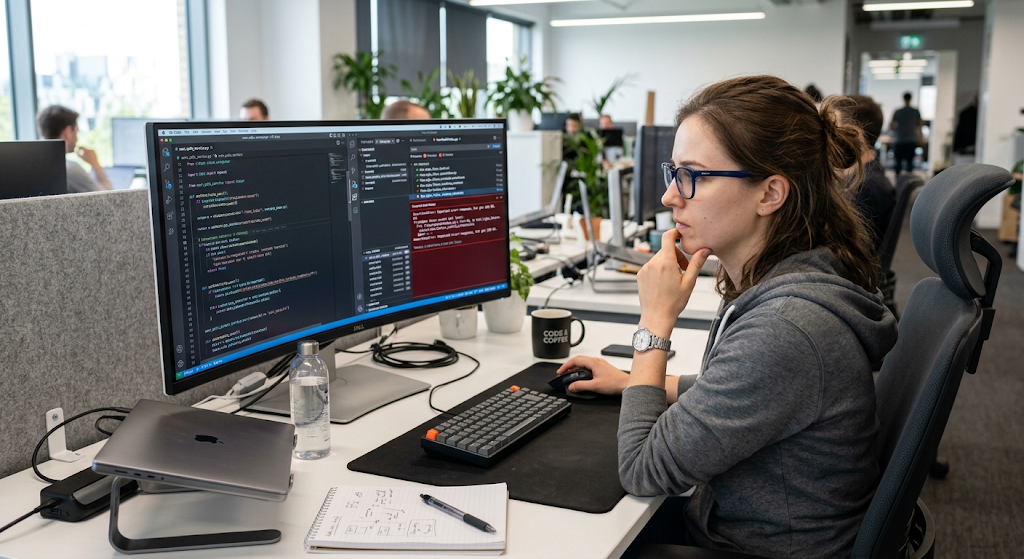
Debugging is a process of tracking down and resolving issues in software. Upon application performance of unexpected results, crashes, putting out wrong info, or action which goes against what was designed, programmers have to determine the cause instead of jumping to solutions. They may look at error reports, check variables, reproduce the issue, use debugging tools, go over logs, or look at recent code changes. What makes for good debugging is patience and logic which may not always lead you to the actual issue. The error may be due to a bad input which was given much earlier in the app. Also, to go from basic coding to professional level programming is to learn how to debug very well.
Coding Skills and Programming Skills
Coding and programming do the same things but to different degrees. In terms of what coding does, we see that it includes knowledge of programming language structure, which functions in which, what variables and data structures to use, how to work with libraries, and the translation of a solution into a set of actions the computer will perform. Programming takes that a step further to include the planning stage, the study of algorithms, design of systems, the process of testing and debugging, management of data and version control, and the maintenance of the program. Also it is not true that one has to master all of these areas before they can be called a programmer. In the field of software development there are many specializations and professionals tend to focus on what they do best. What the distinction does do is to help new learners see that learning a single programming language is just the start of what is required to produce useful software.
A person may in fact become a better programmer through deliberate practice which goes beyond just the syntax. Instead of what is put out there as far as exercise goes which is very black and white, beginners should take on the creation of small projects that have them make choices. A simple task manager for instance puts in to play user input, data structures, file storage or databases, error handling, testing, and version control. A small website may include front end development, APIs, data storage, authentication, and deployment. It is not to complicate beginner projects but to gradually get them into the various fields of software development. Each project has the ability to present a new aspect of programming at the same time which in turn will strengthen the problem solving skills required to code alone.
Which Should You Learn: Code or Program?
For a great number of people just starting out, coding is good for the world of tech but it is in the best interest of the individual to grow beyond that into a more in depth knowledge of programming. Learning a programming language provides you with the basics of how to talk to a computer, which is a great start, but also which you have to build off of by learning how to use that to solve real issues. A beginner may start out with Python, JavaScript, Java, C+, we really just put forward what works best for what they want to do. Which language isn’t as important as what the core concepts are. Variables, conditions, loops, functions, data structures, algorithms, debugging, testing, and logic are the things that will be used in almost any language. Once a person has that base down, the next language they learn will go in much better because they already have an understanding of what goes into software development.
The best way to learn is to not see coding and programming as opposite choices. Coding is a component of programming, and in turn, success in programming is based upon your ability to code. A beginner can start out with simple programs and as the person’s knowledge grows which so does the complexity of what they work on. Early projects will be around basic calculations and simple user interaction. Later projects can include databases, APIs, testing, version control, authentication, architecture and deployment. At each step in the learning process the student should be asking if the code works but also why the solution works, if it is efficient, what can cause it to fail, how a different developer would see it, and how it can be adapted in the future. These questions also put into practice the broad thought process used in professional programming.
Conclusion
Coding and what we term programming in fact have different degrees of what is included. At its core, coding is what you do when you write out instructions in a program’s language; but programming is a much broader term which includes the whole process of taking a problem or requirement and from it creating a working software solution which also stands the test of time. In a professional setting, programming may include problem analysis, algorithm design, actually the code writing, software architecture, database management, version control, testing, debugging, deployment, documentation, and maintenance. Not all programmers will perform each of these tasks to the same degree but knowing about these areas is very beneficial to a beginner in software development. While learning to code is a great start, to become a good programmer you also have to learn how all the pieces of code fit together to solve large scale problems.
For those that are just starting out in programming the best approach is to begin with coding which at the same time you build up your base in programming. Start out with the basics of any programming language, practice by solving problems, work on small projects, study algorithms and data structures, see how databases work, use version control, and get comfortable with testing and debugging your code. As projects grow in complexity, begin to study software architecture and other elements of system design. This progression transforms coding from a solitary technical task into a practical approach for building software. We are not after quantity of code written, what we are after is clarity in problem identification, in design of solutions which are sensible, in producing reliable software and in the maintenance of that software as requirements shift.