A disputed-fault crash can leave an injured person facing pain, bills, and a story the other driver denies. Insurers may seize on minor gaps, delayed care, or unclear photos to shift blame. A skilled lawyer brings order to that pressure by protecting evidence, checking every timeline, and tying losses to proof. In your local courts and claims process, that careful work often changes the result.
Early Case Review
After an Amityville collision, the first days matter. Police notes, medical visits, vehicle photos, and insurer calls can shape the claim before facts settle. In that setting, getting legal help after a car crash in Amityville can protect deadlines, preserve records, and keep early statements accurate.
Fault Is Often Shared
New York law permits the splitting of fault between drivers. One driver may carry most blame, while another receives a smaller share. That percentage can reduce payment. An experienced lawyer studies conduct, roadway rules, reaction time, and avoidable choices instead of accepting a broad accusation from an adjuster.
Scene Evidence
The crash site rarely stays helpful for long. Rain can wash away marks, traffic can clear debris, and damaged cars can leave the road. A lawyer may request nearby video, signal timing, road design records, photographs, and repair notes. Those pieces can show speed, lane position, braking, sight distance, or impact direction.
Police Reports
A police report can guide the review, but it should not control the case by itself. Officers usually arrive after impact. They may rely on driver statements, visible damage, and limited witness input. A lawyer compares the report against photos, medical records, and vehicle markings. If something conflicts, stronger proof can correct the record.
Witness Accounts
Witnesses can be hard to find later. Phones change, memories fade, and daily routines move people away from the event. Prompt contact helps preserve beneficial details. A lawyer may record statements, confirm viewing angles, and compare each account with physical evidence. Consistent testimony can resolve a dispute between two drivers.
Medical Proof
Medical records show more than pain complaints. They connect symptoms, imaging, treatment, work limits, and future care to the crash date. Gaps in treatment can give insurers room to question cause. A lawyer reviews emergency notes, therapy progress, diagnostic results, and physician opinions to link injury patterns with the collision.
Insurer Tactics
Adjusters often ask for quick recorded statements. The questions may sound routine, but answers can later get framed against the injured person. A lawyer helps keep communication accurate, limited to known facts, and free from harmful guesses. Cooperation still happens. The difference is that statements stay grounded in records.
Vehicle Damage
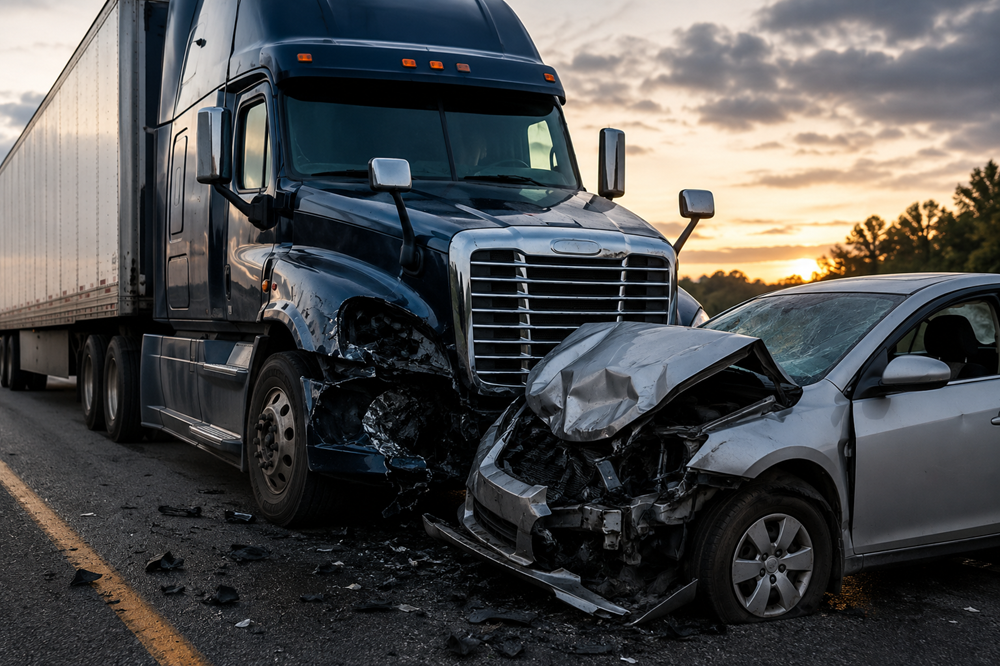
Vehicle damage can reveal how the collision unfolded. Crush depth, airbag data, repair estimates, and photographs may confirm or challenge each driver’s account. When speed, lane change, or impact point remains disputed, a lawyer may consult a reconstruction professional. Technical review can turn scattered proof into a clear sequence.
Comparative Negligence
Comparative negligence decides how much responsibility each party carries. If an injured driver receives part of the blame, compensation drops by that same percentage. A lawyer challenges unfair blame with traffic rules, right-of-way evidence, visibility facts, speed analysis, and driver conduct. The aim is a percentage supported by proof.
Deadlines Matter
A strong case can weaken when claimants miss dates. New York crash claims may involve no-fault forms, insurance notice rules, document requests, and filing limits. A lawyer tracks each deadline and sends required material on time. Careful scheduling protects benefits and keeps the injury claim from losing value.
Settlement Pressure
Disputed-fault claims often begin with lowball offers. Insurers may point to shared blame, prior symptoms, or incomplete records to reduce value. A lawyer weighs any offer against medical bills, lost income, pain, future treatment, and trial risk. That review helps prevent an early settlement before the full loss picture is clear.
Trial Readiness
Most claims settle, yet court preparation still shapes the negotiation. A lawyer who organizes exhibits, witnesses, expert opinions, and legal arguments early brings more pressure to settlement negotiations. If negotiations fail, the case is already built for trial. Weak blame theories can then get tested through records and testimony.
Local Knowledge
Local knowledge can sharpen the investigation. Roads, intersections, police practices, medical providers, and Suffolk County court procedures all affect proof. A lawyer familiar with Amityville crash claims may know where beneficial records sit and how local disputes tend to develop. That insight works best when paired with careful evidence review.
Conclusion
A disputed-fault crash claim depends on timing, proof, and disciplined judgment. The right lawyer does more than argue over blame. That lawyer preserves evidence, checks insurer claims, protects deadlines, and connects injuries with measurable losses. For injured people in the community, careful legal handling can turn a confused dispute into a supported claim with a clearer path forward.