Introduction
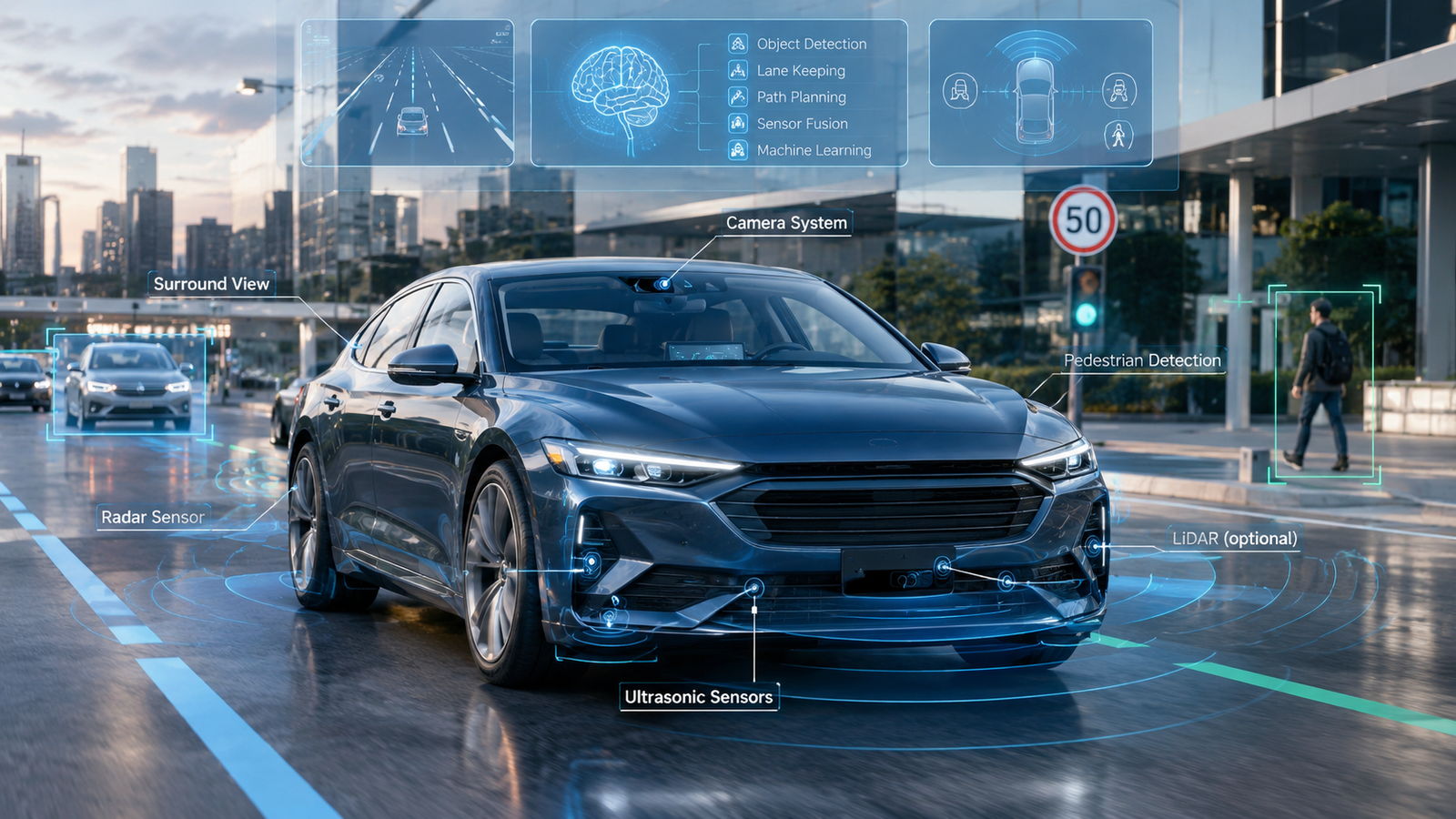
With cars becoming more connected, wireless, smartphone-integrated, and equipped with sophisticated electronics, automotive cybersecurity is becoming more important. Unlike older cars, connected cars can communicate with navigation services, mobile apps, Bluetooth, Wi-Fi networks, and other digital systems, as well as communicate with cloud platforms. While these technologies have made life easier, safer, and more functional, they’ve also opened the door to new ways in which the cyber world can threaten them. With the increased reliance on software in vehicles, manufacturers are tasked with securing the software against unauthorized access, malicious software, data theft, and other cyberattacks.
Automotive cybersecurity helps safeguard vehicle systems, software, services, and information. Various security measures have been employed by manufacturers, such as encryption, authentication, secure software updates, network separation, intrusion detection, and vulnerability management. These safeguards are meant to help minimize the potential for attackers to gain unauthorized access and minimize the effect of security weaknesses. Cybersecurity has thus emerged as a pivotal aspect of vehicle engineering, safety, privacy, and ongoing maintenance.
Importance of Automotive Cybersecurity
Today, there are many electronic control units and software systems in a modern vehicle, controlling various systems, including engine management, battery systems, infotainment, navigation, active safety, and connectivity. These systems can communicate with each other and external systems. This communication is a chance for vehicles to deliver advanced and new features, but manufacturers need to manage interactions between various systems. If there is a path to another system through the weakness of one component, it could provide an opportunity for the hacker to gain access to the appropriate system.
The personal data that is produced by connected vehicles is also covered by cybersecurity. Information can include navigation history, account information, location information, etc., and may also contain vehicle information and information on connected devices. Ensuring the security of this information is crucial, as it could lead to privacy issues if not secure. For the manufacturers, this means securing the functionality of the vehicle and the data gathered with connected services, but offering the user the necessary control over data.
Common Cyber Threats Facing Connected Cars
There are various forms of cyberattacks that connected vehicles could be vulnerable to, such as software vulnerabilities, unsecured access to the vehicle, hacked mobile apps, spoofing of wireless connections, and attacks on connected services. Infotainment systems are important when it comes to security, as they can be connected to the smartphone, online services, and external devices. Attackers can also try to exploit areas where interfaces are not well protected, weak authentication, outdated software, or stolen account credentials.
The potential impact of an attack is dependent on the vehicle architecture and what system is attacked. Certain attacks could be focused on personal information or associated services, or may have a more significant impact on vital vehicle operations. This is one reason why manufacturers have multiple layers of security that are isolating non-critical systems from more sensitive systems in the vehicle. Restricting cross-talk between systems can make it more difficult for an intruder to travel from one system to another once he/she has gained access to one.
Vehicle Software Security
Vehicle software security is vital due to the increasing number of functions that are controlled by software. Some of the most common practices for secure software development include code testing, scanning for vulnerabilities, access controls, dependency management, security reviews, and more. These processes are used to detect weaknesses in software before it is deployed in a vehicle.
Securing software will also need to be done over the life of a vehicle. New cars can be expected to be in service for a number of years, and if they are found to have new vulnerabilities to address, they could be discovered many years after the original software has been written. So, manufacturers have to have ways of pinpointing the vulnerabilities, come up with solutions, test the solutions, and then safely get them onto the cars. This is why software maintenance and vulnerability management are crucial aspects of automotive cybersecurity.
Encryption and Secure Communication
Encryption can enhance security for communications between vehicles, smart devices, the cloud, and other connected devices. It transforms readable information into a protected form, which may be understood without the proper cryptographic key only with great difficulty. This can help minimize the chance of attackers intercepting sensitive data or tampering with data as it is transmitted between systems that are connected.
Encryption, however, is just one aspect of an overall security plan. Manufacturers require authentication, secure key management, authorization, and protected system configuration, as well. Authentication is used to confirm that a device or service is authentic, and authorization determines what an authentic service or device can access. These technologies complement each other and provide greater protection than just relying on encryption technology, and they can help foster trust among various connected vehicle stakeholders.
Secure Software Updates
The OATS can enable the manufacturers to send out security fixes and other enhancements without the need to send each vehicle to a service center. This is especially beneficial if a vulnerability is found after vehicles are sold to customers. Manufacturers may be able to send a security update wirelessly, thus minimizing the exposure time of a vehicle to an identified vulnerability.
The update procedure should be protected too, as the possibility of unauthorized software getting to it could be a serious security concern. Digital signatures, authentication, integrity checks, and secure update systems will allow manufacturers to ensure that software is from an authorized source and has not been altered. Other vehicle system boot technologies can aid in blocking unauthorized software from loading at vehicle boot. This combined gives a software environment that is trusted.
Identifying Security Breaches and Preventing Them on the Network
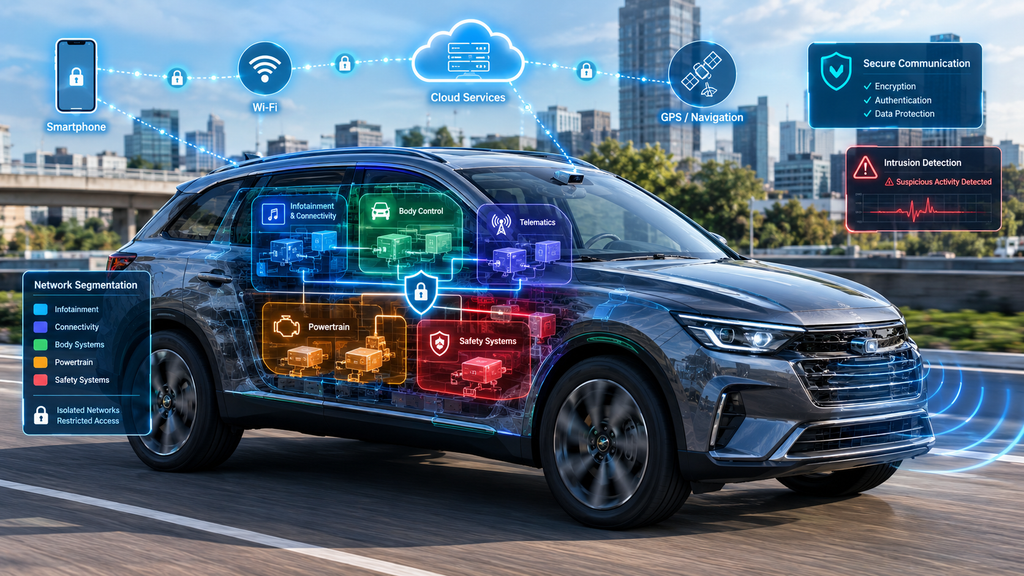
Vehicle communications can be monitored by intrusion detection systems, which can detect any unusual activity that might be an attack. These systems can detect patterns of suspicious communication, attempts to access the system without permission, or unusual behavior. Noticing when something is unusual can allow manufacturers to investigate potential security incidents and respond before it gets worse.
Another key protection is to segment your network. Manufacturers can put barriers between different networks and components, rather than giving them free rein to communicate. For instance, functions such as infotainment and connectivity can be isolated from more critical vehicle functions. This will lower the chances of a compromise attack from one component to accessing other systems. Each component can be further constrained as to what it may be allowed to do by strong access control.
Maintaining Privacy and Integration With Smartphones
With smartphone integration, drivers can navigate, be entertained, communicate, perform remote car functions, and more, using a smartphone and wireless technology. These connections should be safeguarded, as they may introduce other risks should they be compromised by malware on the smartphone or an unsecured Wi-Fi network. The manufacturers can restrict the connectivity between external devices and vehicles with authentication, encryption, permissions, and network separation.
Another key concern is privacy, as connected cars gather lots of data. All this information should be properly safeguarded, including location history, vehicle usage, account information, etc. Manufacturers can minimize privacy risks by minimizing the collection of unnecessary data, securing the data they do collect, controlling access to this data, and by ensuring that they have clear policies on how they will use data from connected cars. Owners can also take steps to enhance their vehicle’s security by securing their connected accounts and updating apps and vehicle software.
How Automakers Protect Connected Vehicles
Automakers take a multi-layered approach to cybersecurity, not relying on one security technology. In the process of vehicle development, engineers have the opportunity to determine potential threats, test software and hardware, define security needs, and draw out communication boundaries. Security can then be extended to vehicle hardware, software, wireless connectivity, cloud infrastructure, mobile software, and back-end services.
Customers also have the responsibility of protecting their vehicles from cybersecurity threats. Manufacturers must have processes in place for vulnerability discovery, security patches, distributing updates, threat monitoring, and incident response. Cybersecurity has to be considered as much during a vehicle’s design phase as afterwards, since vehicles can be on the road for many years. As connected technology continues to evolve, regular security enhancements are necessary to address the new threats.
The Future of Automotive Cybersecurity
As vehicles become more software-defined and connected, the importance of automotive cybersecurity will grow even more critical in the future. A range of new technologies, including advanced driver assistance systems, cloud, vehicle-to-everything, artificial intelligence, and centralized vehicle computers, can offer innovative features and add to security concerns. Not only will manufacturers need to safeguard the car, they will have to secure the broader network of phones, cloud systems, infrastructure, and service providers that are coming to define the connected vehicle.
It will be a constant process of improving security, therefore. As software updates and new technologies are added in, new vulnerabilities can emerge, making cybersecurity more of a continuous process than a one-time event to be completed prior to a vehicle being delivered to customers. Effective monitoring, vulnerability management, secure updates, and incident-response processes will be required for manufacturers. Owners will do their part as well, with trusted updates and security recommendations, and protecting connected accounts.
Conclusion
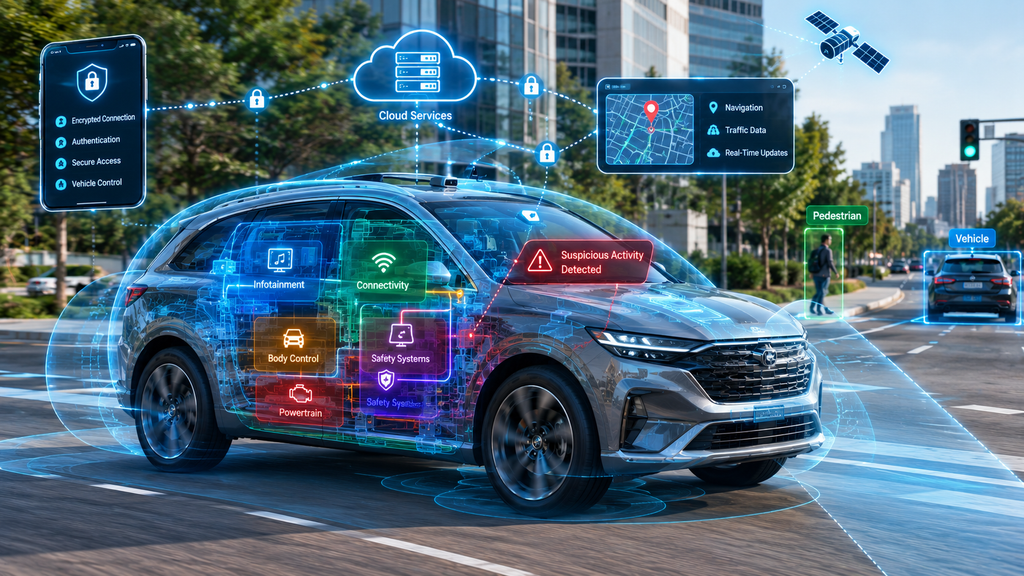
With the rise of software, wireless communication, Internet services, smartphone integration, and electronic control systems in the automotive world, cybersecurity has become a must-have. These technologies offer great benefits but also carry potentially risky cyber risks, including access, software flaws, privacy disclosure, and insecure connected services.
Encryption, secure software development, secure updates, authentication, intrusion detection, network segmentation, and privacy controls are just some of the measures manufacturers take to mitigate these threats. Cybersecurity will remain a crucial aspect of automotive technology in the future. To protect connected vehicles, they must be monitored continuously, they must be updated frequently, and the software must be well secured, while there must be cooperation between manufacturers, technology providers, security professionals, and car owners.