Introduction
Many individuals and small businesses find accessing finance at a reasonable cost challenging. Traditional banks often require individuals to have a good history with credit, collateral, formal employment and financial documents when applying for a loan. This excludes individuals who do not have regular income, work in the informal sector or have never had any relation to traditional banking. Big data has provided the opportunity to help individuals by using digital lending platforms to provide alternative ways of assessing borrowers using more financial data, using mobile money, digital payments, utility bills, purchase activity and more to make informed decisions on individuals who do not have a good credit history. This link between Big Data in Financial Inclusion and digital lending is providing new opportunities for those who have previously struggled to access personal loans, microcredit and small business loans.
12 Ways Big Data is Increasing Financial Inclusion through Digital Lending
1. Alternative Credit Scoring
A major contribution big data provides to financial inclusion is alternative credit scoring. Traditional credit scoring relies heavily on the history of someone borrowing money, using credit cards and repaying debt. If an individual has never borrowed from a financial institution they may not have any information in their credit databases. Digital lenders can use alternative indicators such as, paying rent, electricity bills, mobile subscriptions and regular financial activity to help identify patterns that may indicate they are responsible with their money. Those without a good credit history can gain opportunities to be eligible for loans.
2. Mobile Money
Big data can be used to analyze mobile money. This can give useful information to digital lenders. Regular deposits, regular transfers and regular bill payments can indicate individuals are financially stable. Mobile money providers can work with licensed lenders to give access to relevant financial data. This is beneficial for those in rural areas and developing countries. Informal workers can prove they have the financial capability.
3. Digital Payments
Digital payments can be used to help lenders identify those who may not have much access to traditional financial services. Payments made through payment apps, POS, online marketplaces and digital wallets can give useful information. If an individual regularly receives payments from their small business through digital payments then they can prove they have regular business activity. By looking at how regularly they pay, how much they pay and cashflow you can predict if their business generates enough income to repay. This makes it easier for digital lenders to identify informal entrepreneurs.
4. Machine Learning
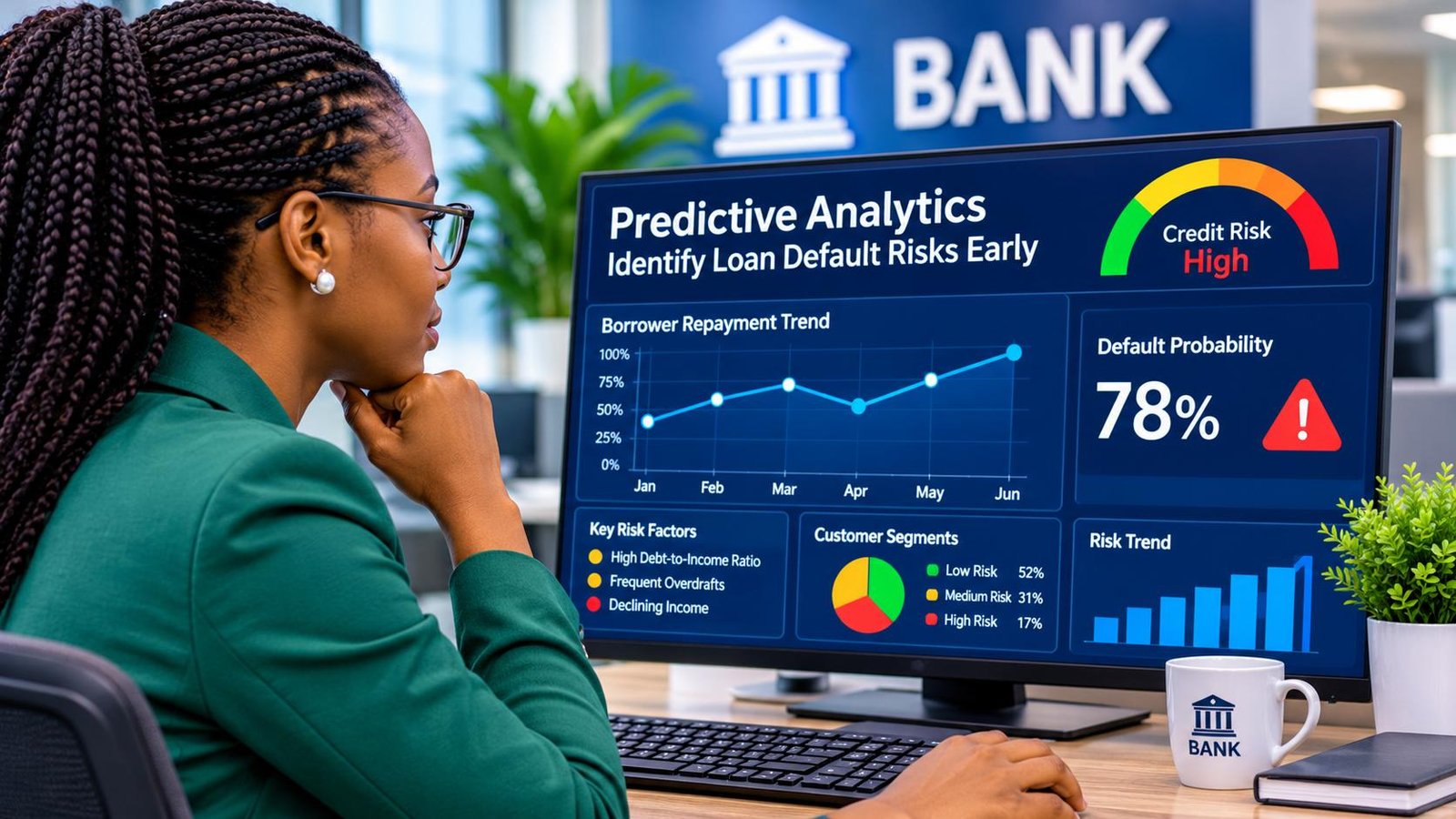
Machine learning can be used to help digital lenders identify patterns from large amounts of borrower data. Algorithms can analyze transaction history, repayment activity, income variability and more to help predict if applicants will repay their loan. With more data becoming available the models can be updated to give more accurate results. This can help with improving speed and consistency of credit scoring. This can help digital lenders identify suitable applicants. However, the models should be regularly reviewed to ensure they are accurate, explainable and fair. When used responsibly, these technologies can help increase inclusiveness.
5. Automated Borrower Checks
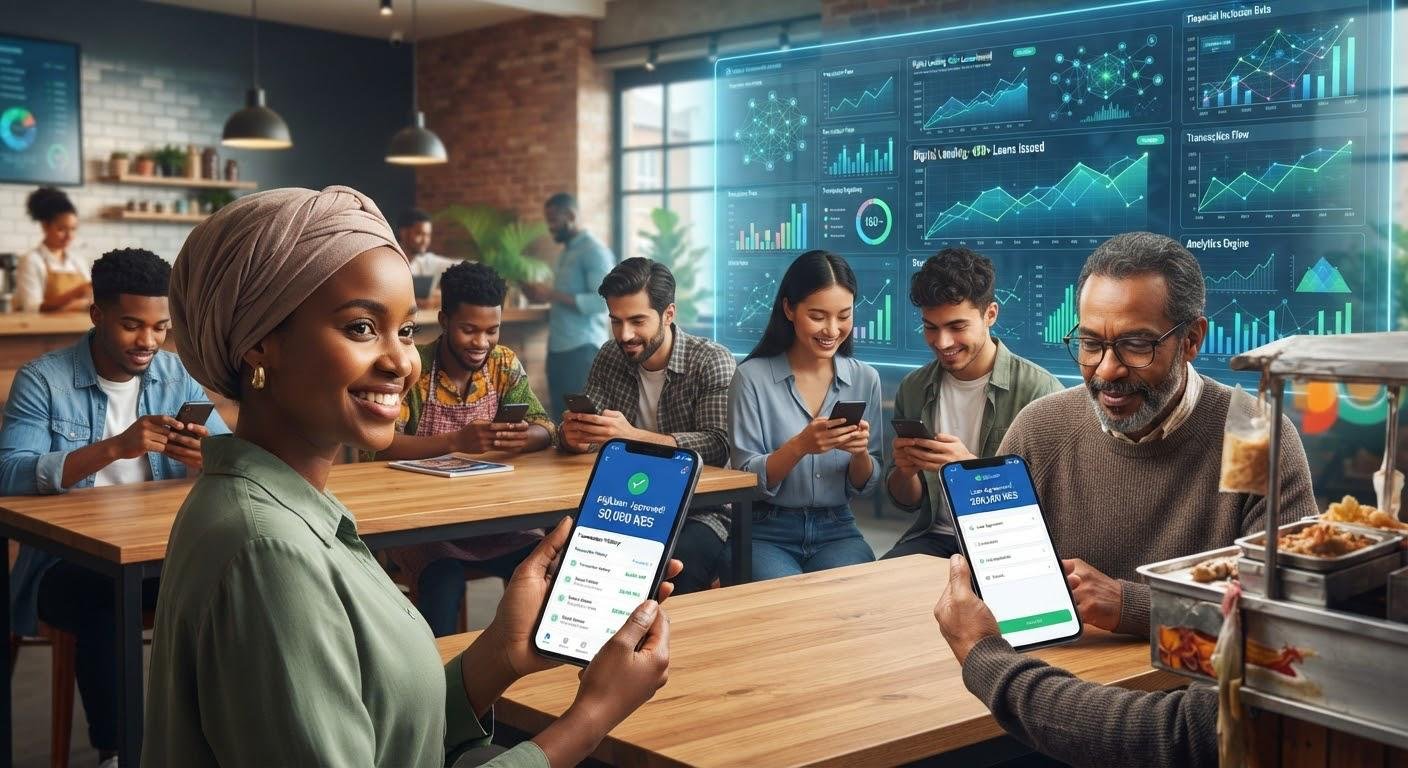
Big data can help with automating borrower checks. Digital lenders can analyze applicant information using digital lending platforms, once an applicant has submitted a request for a loan through a mobile app or website. The automated system can analyze the financial data, verify relevant information, calculate affordability factors and determine if they are eligible. This helps reduce time and costs involved with traditional lending. Those who may not be able to visit a bank branch can access financial services. For example, a market trader can apply for a small loan through their mobile device. The digital lender will analyze relevant financial data and decide if they are eligible. This helps lenders reach more customers.

6. Small Business Loans
Small businesses often struggle to get loans due to not having audited financial statements, significant collateral or a relationship with a commercial bank. Big data can help digital lenders identify suitable applicants. By using digital sales, payments to suppliers, stock movement, customer payments and account activity lenders can understand more about their financial situation. This can help determine if they will generate enough revenue to repay their loan. Fintech companies and digital banks can provide working capital, equipment financing and short term business loans. This can help small retail businesses, agriculture businesses, independent contractors and more who contribute to local economic development.
7. MicroCredit
Microcredit is small loans given to individuals or micro-enterprises who may not be eligible for traditional banking services. Big data can help increase access to microcredit. Microfinance institutions and digital lenders can identify suitable applicants. By using transaction data, savings, mobile money and repayment history lenders can understand more about low income customers. Digital lenders can use this to determine the correct loan amount and repayment dates. This is important for small traders, artisans, farmers and women who work in informal businesses. Big data can help reduce reliance on traditional documents to help increase microcredit.
8. Income and Cashflow
Understanding income and cashflow is important when deciding if someone can afford to repay a loan. Many individuals in underserved communities do not have regular payslips due to working in informal employment, seasonal work, freelance or small businesses. Big data can help lenders analyze regular deposits, how often they transact, payment history and more. For example, a farmer may have higher payments during harvest time. Market traders may have small but frequent transactions. This will help lenders understand their irregular income and not just rely on monthly income. This can help lenders make suitable loan decisions.
9. Fintech and Mobile Money Providers
Fintech companies and mobile money providers play an important role in increasing access to digital lending. They already have a customer base who may not have a relationship with traditional banks. By partnering with microfinance institutions, commercial banks and digital lenders they can help ensure financial data is being used responsibly. For example, a mobile money provider can help identify customers who have regular transaction activity. A fintech company can provide the technology needed to analyze the application, data and repayment. This helps increase access to financial services. It reduces the need for physical banking. This can help those in underserved communities become more involved with the formal financial system.
10. Customized Loans
Big data can help digital lenders provide bespoke loans. By looking at income, transaction activity, borrowing requirements and repayment history lenders can determine suitable loan amounts, repayment frequency and repayment period. For example, a small business owner may have daily sales. Therefore they may benefit from a repayment plan that lines up with their regular income. Seasonal workers in agriculture may need a repayment plan that takes into consideration their harvest times. This can help improve affordability, when designed correctly this can help reduce the risk of repayment issues. This can help customer’s access financial products that suit them.
11. Detect Fraud
Digital lenders need to ensure they are not lending to fraudulent applicants. Big data can help detect irregularities. This can include irregular transaction activity, inconsistent personal information, multiple attempts to apply and suspicious account activity. Machine learning can help identify if new applicants do not match the usual patterns. This can help identify potential identity theft and fake identities. This helps protect financial institutions and genuine borrowers. With increased fraud detection lenders can reduce costs. However, if there is any suspicious activity then the correct verification should take place. There may be legitimate reasons for the irregular financial activity.
12. Reach Rural and Underserved Communities
Big data can help digital lenders reach individuals who may not have easy access to traditional banking. Customers can apply for loans through a mobile app, USSD, digital wallet and mobile money. Lenders can analyze their financial data. This helps reduce the need for physical documentation. This is beneficial for those in rural areas, those working in agriculture and small businesses. In countries like Nigeria mobile financial services can help those of varying income levels transact. Digital lending can help provide extra opportunities. However, there must be good connectivity, easy access and good customer support.
Challenges to Using Big Data to Increase Financial Inclusion
High Costs to Borrow
Whilst big data can help increase access to credit, it does not guarantee they are affordable. Some digital lenders will charge high interest rates, fees and additional charges. This can put pressure on those with low income. Those who do not have much financial knowledge may also agree to loans without fully understanding what they need to repay. With automated processes in place applicants can be approved quickly which can encourage over borrowing. Financial institutions must use big data to ensure they are not just identifying if they will repay but also if the loan is suitable. Loans must be transparent, repayment terms must be clear, loan amounts must be appropriate and affordability checks must be in place to ensure borrowers do not get stuck in a cycle of borrowing.
Bias and Low Digital Knowledge
Machine learning can cause unfair lending decisions. If the data used to train the model reflects economic inequality or inaccurate data then individuals from rural areas or informal employment may be given a lower credit score. This can cause the same issues the digital lending is trying to solve. Some individuals may also not have much digital knowledge. They may not know how to use mobile apps, understand loan terms or recognize fraudulent lending platforms. Financial institutions should regularly review their algorithms, provide clear explanations to customers and invest in educating their customers. They should also have systems in place for reviewing any disputed or unusual applicants.
Data Protection, Security and Regulations
Digital lending platforms will have large amounts of personal and financial data. This means data protection should be considered. If transaction history, employment, spending and personal information is not protected correctly then customers can have their privacy compromised. Cyber-attacks, sharing of data and poor security can lead to financial loss and identity theft. Lenders must ensure they have the correct permissions, only collect the required information for legitimate reasons, keep customer data safe and follow the relevant data protection and financial regulations. In Nigeria, organizations should consider the relevant regulations included in the Nigeria Data Protection Act 2023. They should also follow the lending regulations set by the Central Bank of Nigeria. Good governance and transparency will help increase trust in digital financial services.
Conclusion
Big data is providing new opportunities to increase financial inclusion. It is helping digital lenders identify those who would not traditionally be eligible. Using alternative credit scoring, mobile money, digital payments, machine learning, automated checks and bespoke loans lenders can make informed decisions using more financial data. Fintech companies, mobile money, microfinance institutions and digital banks are helping increase access to personal loans, microcredit and small business loans. However, there are challenges to overcome to help ensure long term benefits. Financial institutions must ensure they are using technology in a responsible way. Loans must be transparent, decisions must be clear and customers must be well protected. When done correctly big data can help create a more accessible financial system.
Get more well researched information about Big Data in Financial Inclusion here.