Introduction
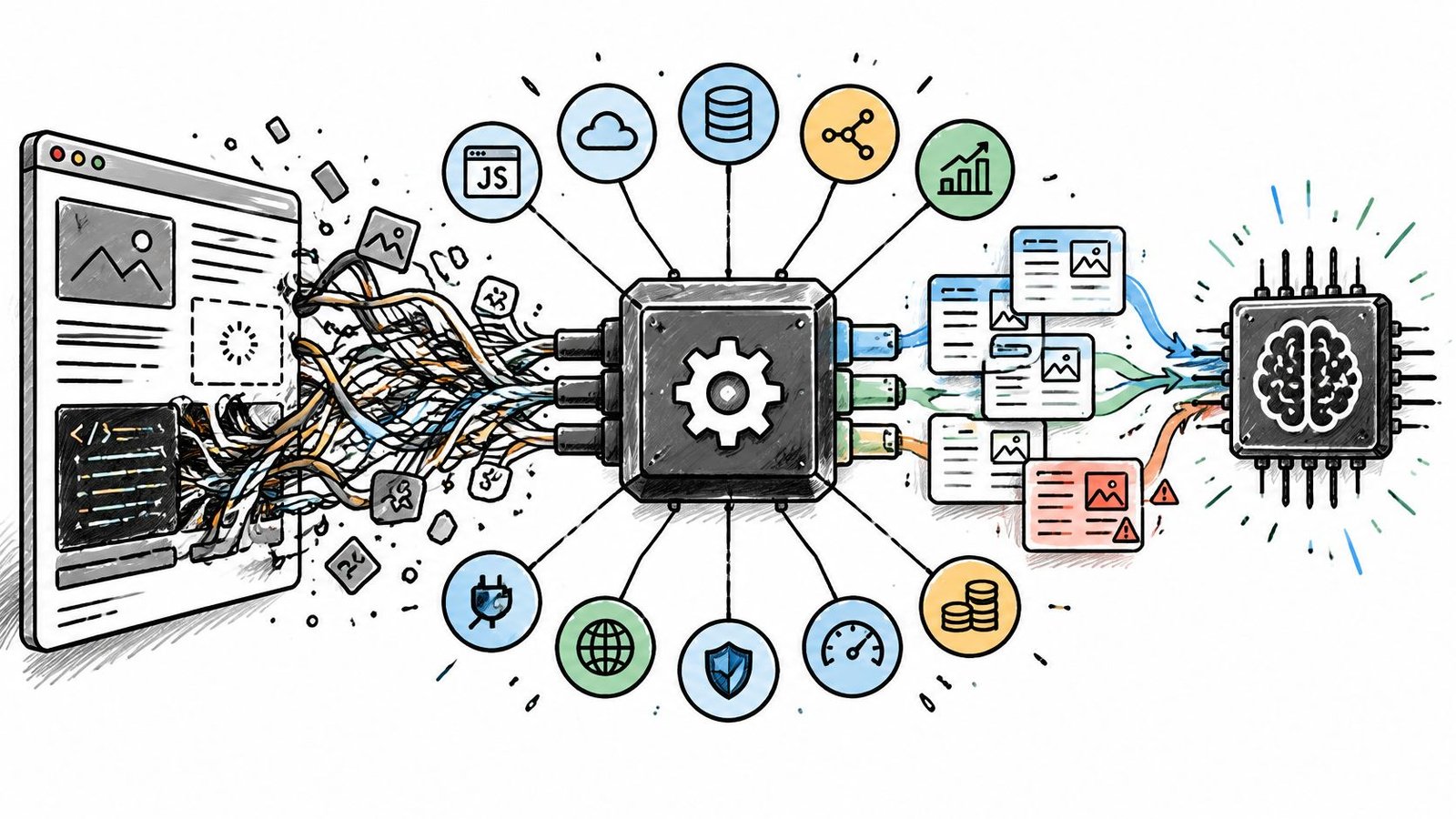
Thanks to the vast amount of information being generated daily, database administration can be a complicated task. Traditionally database administrators will have had a number of duties to perform including monitoring the database, optimising queries, ensuring security, performing backups and troubleshooting any database issues. This can be quite time consuming, requiring good technical knowledge and ongoing monitoring. However thanks to the rapid advancement of AI, organisations can now use AI enabled technologies to automate repetitive tasks. These technologies can monitor performance issues, predict potential issues and allow organisations to make better decisions when managing their database. This means organisations can utilise AI in Database Administration to simplify complex databases. Database administrators can use intelligent technologies to analyse information, identify patterns, suggest how to improve performance and automate some tasks.
AI has transformed how database administrators interact with database management systems. Technologies like machine learning, predictive analysis, natural language processing and automation can be used to make the databases more intelligent. These technologies can analyse database activity, learn from historical performance data and suggest what you can do to improve the reliability of your database. Some of the advanced platforms can also automatically change your database configuration, manage workloads and perform regular maintenance. However, database administrators will still need to monitor the automation, analyse the suggestions, ensure security and make important decisions. Understanding how AI is transforming database administration can help organisations understand the benefits, limitations and importance of using AI.
1. Database Monitoring
Database monitoring is a key task for database administrators. Traditionally this would involve manually monitoring the database or configuring tools to monitor certain metrics such as CPU usage, memory usage, storage, connections and query times. This can be challenging if an organisation has more than one database. However, using AI can help. AI can analyse large volumes of data to identify patterns. Using AI monitoring tools, database administrators can monitor database activity in real time, analyse historical performance data and identify anomalies. This means any potential issues can be identified quicker.
A major benefit of using AI monitoring tools is that it can provide suggestions based on context. Intelligent monitoring tools can identify any relationships between database activities and suggest why performance may be impacted. If query times are increasing, it may be due to lack of memory, more application traffic, inefficient indexing or conflicting database activities. AI can help the administrator identify these relationships and help prioritise any issues. This increases visibility within the organisation and reduces time spent analysing dashboards. Important findings will still need to be verified, however using AI monitoring makes it easier to keep your database reliable.
2. Intelligent Query Optimisation
Optimising queries is important to improve performance. Traditionally database administrators and developers would have to analyse query execution plans, indexes, query design and identify any areas to improve. However, using AI can help make this process more efficient. Machine learning algorithms can analyse query patterns, execution data, database structure and historical workloads. This can identify queries that are using too many resources and can suggest improvements. Some databases have intelligent optimisation features that can analyse different execution plans and suggest those that will give better performance.
If an organisation processes a lot of data or has unpredictable workloads then using AI assisted querying can be very beneficial. The machine learning models can identify common queries and inefficient query patterns. This can help the administrator understand how index changes, database changes and query changes may impact performance. Some intelligent systems can also adapt suggestions based on database activity. This means less time is spent by the administrator analysing performance issues. However, it is important to not always take the suggestions as they may not be suitable for your database. Different databases will have different requirements and optimisations may cause issues with other workloads. When making changes to queries it is important to have human oversight.

3. Predictive Maintenance
Using AI can help identify any potential issues with your database. Traditionally database maintenance would have involved regularly checking the database. Whilst this can be useful, it can sometimes not identify any developing issues early enough. Using AI prediction tools can help. Historical performance data, system logs, resource usage, storage activity and other metrics can be analysed. Machine learning models can learn from this data and predict when certain parts of the database may need attention. This can help suggest preventative actions.
For example, an AI system can identify that the database server is starting to use more storage, has unusual memory usage and has had multiple resource warnings. The administrator can be notified and suggested to investigate. This can help organisations identify any recurring issues and plan maintenance. This can help organisations plan their resources better. This is particularly useful for businesses who rely on databases for online transactions, customer services, inventory and enterprise applications. However, predictions can sometimes be inaccurate. If there isn’t enough historical data or the environment changes unexpectedly then AI models may not be accurate. The database administrator will need to analyse the predictions and verify any potential issues.
4. Database Backups
Database backups ensure that any valuable data isn’t lost due to accidental deletion, hardware issues, software issues, cyber-attacks etc. Traditionally database administrators would have had to set up backup schedules, monitor the backups, verify they are correct and regularly test. However, using AI can help. Intelligent database tools can analyse database activity, identify any changes in storage requirements, monitor backups and suggest suitable backup schedules. Some systems can also identify any unusual backup issues and notify the administrator. This can help reduce the amount of manual monitoring.
AI can also help with disaster recovery. Intelligent systems can analyse the history of backups, estimate recovery times, identify any failed operations and suggest improvements to the backup. They may also help organisations identify which databases need more frequent protection based on how quickly data changes and how important it is to the business. However, just because there are automated backups doesn’t mean there will be a successful recovery. Organisations will still need to ensure backups are secure, credentials are secure, perform testing and ensure the backup data isn’t affected by the same issue.

5. Anomaly Detection
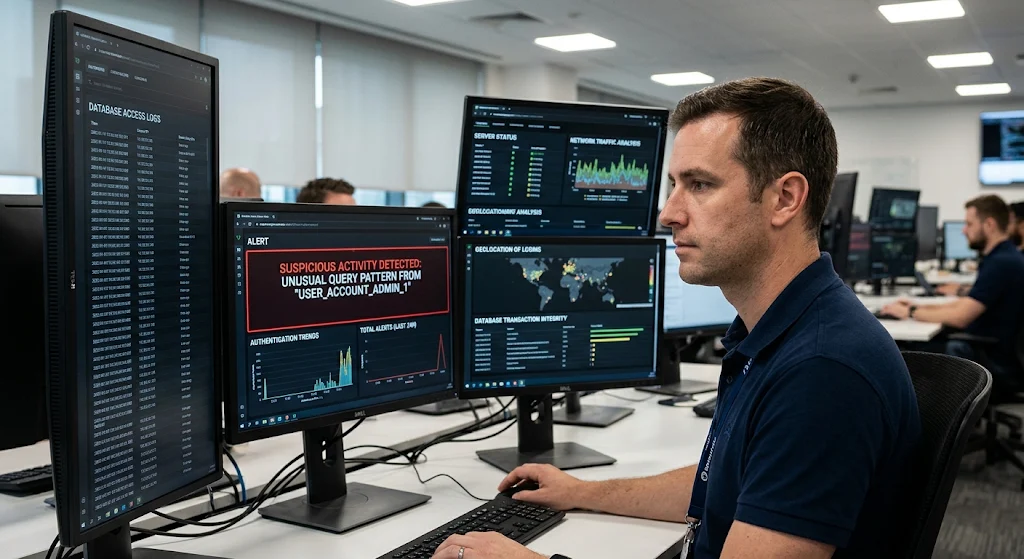
Anomaly detection identifies any activity or pattern that is significantly different to usual database activity. Traditionally monitoring systems would use rules and thresholds to identify any issues. This can sometimes miss any unusual activity. Using AI can help. Machine learning algorithms can analyse normal database activity and identify any unexpected changes. Systems can analyse login activity, querying, transaction volume, connection requests, resource usage and access. If there is any activity that is significantly different then an alert can be raised. This makes it easier for database administrators to identify any issues with the operation, suspicious activity and unusual changes.
For example, an AI monitoring system can identify that there has been an unexpected spike in database queries. It can also identify any unusual access, repeated failed authentications and unexpected changes to transaction activity. This can help the administrator investigate any potential security issues, application issues or configuration issues. The more information the machine learning systems have about normal database activity the more effective they can be. However, they aren’t always accurate. If new applications are introduced or there are sudden changes in user activity then false alerts may be raised. The administrator will need to carefully review any alerts.
6. Intelligent Security
Database security is becoming increasingly important as organisations store sensitive customer data, financial data, business documents and confidential operational data. Traditionally security would have involved controlling access, authentication, encryption, audit trails and manually setting monitoring rules. Whilst this is still an essential aspect, AI can provide another layer of security. AI security tools can analyse login activity, access requests, transaction activity and database activity to identify any signs of unauthorised access or potential attacks. Machine learning algorithms can also identify any unusual combinations of activity that may not be as easy to spot with a traditional rule based approach. This can help the administrator investigate any potential threats.
AI assisted security systems can also help automate some responses. Depending on the platform and security, an intelligent system may suggest limiting access to any suspicious activity, requesting more authentication or to investigate any potentially compromised accounts. Some tools can also prioritise alerts based on how serious they may be. However, there are some issues with using AI for security. There may be false positives, not all threats may be identified and attackers may try to manipulate the intelligent systems. Organisations shouldn’t fully rely on AI decisions. The database administrator and cybersecurity professionals will need to review any important alerts, ensure access policies are correct, update security and ensure sensitive data is protected.
7. Index Management
Indexes can help improve the searching for information within a database. However, creating and maintaining indexes can be challenging. Having too many or poor indexes can cause the database to take up more storage and slow down any updates to records. Traditionally database administrators would have to analyse query patterns, execution plans and decide which columns to index. However, using AI can help simplify this. Intelligent index management can analyse database workloads and suggest areas to add indexes. Systems can analyse frequently run queries, current indexes and suggest any changes that may help improve searching.
Some advanced databases can automatically create, update or delete certain indexes based on the workload patterns. This means the database can respond better to changes within the application. For example, if there are more searches being performed on a specific column within a business application then an intelligent indexing system may identify this and suggest an appropriate index. AI can also help identify indexes that are rarely used. However, care should be taken when considering the suggestions. Adding indexes can increase the time and resources needed to insert, update and delete records. Having human oversight will ensure the indexes are helping with the overall workload.
8. Workload Management
Workload management ensures resources are efficiently distributed to allow different applications and users to access the data without causing delays. Many large organisations will have multiple database applications running. Each application may have different processing requirements. Some will have high volumes of transactions whilst others will have complex queries or large data transfers. If not managed properly then these can compete for resources. Using AI can help. Systems can analyse database activity, identify resource requirements and suggest how to distribute resources. Machine learning systems can analyse historical workloads to identify patterns that can help the administrator predict when the database will be busier.
AI workload management can help the database respond to changes. For example, an intelligent system may identify that there is more transaction activity during certain hours of the business and suggest more resources to ensure the application remains responsive. It may also identify any resource heavy analytical queries that could impact important transactional activity. Some databases have automated workload management, prioritisation and performance changes. This helps organisations improve resources and reduce manual configuration. However, decisions will need to be made based on business priorities, application requirements and costs. The database administrator will need to ensure important applications have the right amount of resources.
9. Faster Problem Solving
There can be many reasons why there are errors within a database. This can include incorrect configuration, application issues, lack of resources, network issues and poorly structured queries. Traditionally the administrator would have to analyse the error message, system logs, compare configuration and investigate potential causes. This can be time consuming, especially if there are multiple interlinked systems causing the issue. Using AI can help. Systems can analyse error data and identify any relationships. AI diagnostic tools can analyse logs, query data, system metrics and previous issues to identify likely causes.
Some intelligent diagnostic tools can also provide suggestions based on previous issues and technical information. For example, if there are regular connection failures within the database then an AI system may identify patterns suggesting authentication issues, connection limits, network issues or lack of resources. This can help the administrator narrow down their investigation. Generative AI tools can also help explain technical error messages, summarise logs and help the administrator understand complex configuration issues. However, the explanations may not always be accurate and suggestions may not be relevant to every database. The administrator will need to verify the suggestions, carefully test any changes and ensure proper documentation.
10. Autonomous Databases
Autonomous databases are one of the biggest advancements in AI assisted database management. These databases use automation, machine learning and intelligent management to complete certain database administration tasks with minimal human input. Depending on the platform, autonomous databases can automatically provision, optimize, monitor security, patch, backup and change resources. Traditionally these would have had to be configured and managed by the administrator. However, autonomous databases are designed to automate many of the routine tasks. This can reduce the workload of the administrator and help organisations keep their databases consistent.
A well known example is Oracle Autonomous Database. These systems offer automated provisioning, tuning, patching and backups. This can be very useful for organisations looking to simplify their database. However, they are not completely autonomous. Organisations will need to ensure security policies are in place, monitor activity, review important changes and ensure they are following business requirements. The administrator will also need to understand the limitations of the platform. If there are specialist workloads or applications that require custom configurations then this may not be the best option. Autonomous databases should be seen as intelligent systems that reduce routine tasks.

11. Machine Learning
Machine learning is an important part of AI. It enables computer systems to learn from information and identify patterns. Within database management machine learning algorithms can analyse historical performance data, query execution data, workload patterns, resource usage and system activity. This can help intelligent models identify relationships between performance metrics and predict future activity. This can help the administrator understand when there will be increased workloads, lack of resources or performance issues. Instead of relying on manual observation, database professionals can use machine learning to make more informed decisions within their infrastructure.
For example, a machine learning model may analyse the database activity over the past few months and identify that there is a regular increase in storage usage during certain times of the business. This can help the administrator plan extra storage. Models can also identify query patterns that are causing slow performance and suggest improvements based on previous executions. Machine learning can also help with capacity planning. It can estimate future resource requirements as the organisation grows. However, predictions will only be as good as the historical data. If there are any unexpected changes to the business, new applications and unusual workloads then the accuracy can be affected. The database administrator will need to combine the predictions with their knowledge and regularly review performance.
12. Natural Language Processing and AI Generated SQL
Natural Language Processing (NLP) means that AI systems can understand human language. This is increasingly being used within database administrator roles, meaning that professionals can more easily interact with databases. AI tools can understand natural language questions and then help to generate SQL queries. Database administrators or authorised analysts can ask AI tools to provide them with information such as their monthly sales, customers with outstanding payments, or to summarise what has happened in the database during a certain timeframe. The system can provide a suggested query and explain how it would provide the information. This can help those with little SQL knowledge to interact with databases.
Using AI to generate SQL queries can help experienced Database Administrators work more efficiently. Tools can provide suggested queries, explain what existing queries do, and show any potential syntax errors. Complex queries can be summarised and suggestions given as to how they could be changed to make them more readable. When using AI generated queries, it is important to check through them before they are executed. Queries which delete data, alter database structure or provide sensitive information should be checked thoroughly. The AI may not understand what you want, may produce incorrect queries or may make incorrect assumptions regarding database structures. It is important that organisations have the correct permissions in place alongside thorough testing. NLP tools are great for productivity but should be used to assist in responsible database management.
13. Better Capacity Planning
Capacity Planning is a way for organisations to understand if they have the right amount of resources to support their database. Traditionally, database administrators would have had to look at storage, CPU utilisation, memory usage, network performance, and application growth to understand how much they may need. If the database workload changes frequently or the organisation has multiple interlinked systems it can be difficult to calculate. AI can help with capacity planning by looking at past resource usage and provide insight into trends that could indicate what resources may be required in the future. Using AI powered tools, Machine Learning models can look at how your database is being used over time and help administrators understand when they may need more storage, memory, processing power or network.
Using AI to help with resource allocation can help organisations save money on unnecessary infrastructure costs. Intelligent cloud databases may suggest increasing your processing resources depending on what your workload is. This can help businesses be more responsive to changes in their application. AI can also highlight areas of your database that aren’t being used to their full potential and suggest ways to improve. These can be really useful for businesses using cloud based systems as they pay for processing and storage based on how much they use or what service they choose. However, capacity planning will need to consider how much the business is likely to grow, service levels, data protection and budget. Database Administrators will need to consider what resources they require.
14. Intelligent Database Configuration and Schema
Database Configuration & Schemas are important to ensure that your database is set up correctly. Choosing the right configuration can cause performance issues, unnecessary complications, and cause data integrity issues. Traditionally, database administrators would have had to consider what the database required and decide on a suitable configuration. Using AI can help simplify this process. The AI will analyse your database, workload and performance to suggest improvements. Intelligent tools can highlight areas where your configuration may not be optimal, suggest changes to the database parameters and help you understand how different configurations could impact performance.
AI can also help with analysing your database schema. The AI can spot trends within your current database and suggest improvements. An intelligent tool may highlight areas where there is duplicate data, unnecessary relationships or structures causing issues with certain workloads. This can help developers understand what the schema relies on and how changes may impact. This can be useful when you have large databases that have been built up over a number of years with complex links to different applications. However, changing your database schema can impact the compatibility of your applications, reporting and data integrity. Database administrators will need to carefully consider any changes suggested and ensure they have the correct documentation in place. Testing will also be needed.
15. Intelligent Decision Making
Using AI within database administration can help professionals make better decisions. Traditionally, database administrators would have had to look at performance reports, historical records, security alerts and infrastructure requirements to decide on the best course of action. Within complex systems with lots of users and applications this can become overwhelming. Using AI tools can help with analysing operational data, highlighting key trends, summarising what is happening within the database and providing suggestions. This can help administrators understand what issues may be occurring.
Using AI to help with decision making can help improve communication between database administrators, developers, cyber security professionals and business managers. Intelligent tools can help simplify technical information, explain performance trends and provide reports. An administrator could use an AI tool to help them understand common issues within their database, compare resource usage between different systems or identify areas where improvements may be needed. However, AI suggestions shouldn’t be seen as the final decision as there are many reasons to consider when managing a database. Human professionals will need to consider the information available, potential impacts and take responsibility for important decisions. AI should be used to help improve human decision making.
Benefits of Using AI within Database Administration
Using AI can provide many benefits to organisations with large and increasingly complex databases. A key benefit is increased efficiency. Using AI can help automate repetitive tasks such as monitoring, some maintenance, performance analysis and backup management. This can free up time for database administrators to focus on strategic tasks such as infrastructure planning, security improvements, database design and business requirements. AI can also provide quicker identification of issues. Intelligent monitoring tools can constantly analyse operational data and spot any anomalies.
Another key benefit is improved database performance. Using Machine Learning algorithms can help identify inefficient queries, suggest improvements to indexing, predict resource requirements and help manage workloads. This can help improve application response times and increase efficiency within your infrastructure. AI can also help improve security within your database by highlighting any suspicious activity. Predictive maintenance and intelligent monitoring can also help reduce the risk of unexpected downtime by helping identify issues at an early stage. However, this will rely on having good quality infrastructure, the right tools and effective implementation to get the most out of your organisation. Training, reliable data, clear policies and constant human oversight will all be needed.
Issues with Using AI within Database Management
Despite the benefits of using AI there are a few issues to consider. Accuracy can be an issue as AI tools will rely on the data they have been trained on, algorithms and how they are running. If the data isn’t complete, up to date or accurate it can cause misleading results. For example, if you use an AI optimisation tool it may suggest a configuration which will improve one workload but cause issues with another. Or if you use a predictive maintenance model it may not pick up an unexpected failure as it hasn’t been in those situations before. It is important to verify the information provided by AI, especially if it is going to impact important processes within your database.
Security can be a concern as you may be using AI tools to process sensitive business data, customer data and confidential information. You should fully understand how your AI platform is collecting, processing, storing and securing information. Consider what access you are giving, encryption, data retention and compliance. Over reliance on automation can also be an issue. If you allow important changes to be made by the AI tools without proper oversight it can cause serious issues if they provide incorrect suggestions or unexpected behaviour. There may also be costs involved, issues with integration, lack of skills and compatibility with older databases. Careful planning, security, testing and clear responsibility will be needed.
The Role of Database Administrators in the Future
As AI develops, the role of database administrators will change to focus on oversight, strategic planning, security and complex issues. Many of the repetitive tasks will be handled by intelligent database tools. However, there will still be a need for professionals within your organisation who understand database design, relationships, business requirements, security and how the system works. Database administrators will need to verify the suggestions provided by AI, set policies for automation, investigate any anomalies and ensure the intelligent tools are working to meet your organisation’s goals. Technical knowledge will still be important as AI tools won’t be able to fully understand every business requirement on their own.
Database professionals will need to gain new skills to work with AI powered tools. Understanding Machine Learning, automation tools, cloud databases, cyber security and data governance will become very valuable. Database administrators will need to understand both traditional database skills and intelligent systems. Organisations should invest in training and have clear processes in place to verify AI suggestions. Rather than seeing AI as a replacement for database administrators, organisations should see it as a tool that can help improve productivity. The future of database administration will rely on good collaboration between intelligent automation and experienced professionals.
Conclusion
Using AI within database administration is transforming the industry. Intelligent tools can help automate repetitive tasks, improve performance, improve security and make better decisions. From automated monitoring, query optimisation, predictive maintenance, anomaly detection, workload management and autonomous databases, AI is changing how organisations manage their information. Large amounts of operational data can be analysed using Machine Learning algorithms to spot trends, predict potential issues and provide suggestions for improvements that would have taken a lot of manual research. This helps database administrators manage increasingly complex systems.
Despite the increase in AI, human expertise will still be needed. There are issues with accuracy, security, privacy, costs and incorrect decisions using automation. Database administrators will still be responsible for overseeing automation, verifying suggestions, keeping sensitive information secure and ensuring the database meets the organisation’s requirements. The best way to use AI technologies will be to combine intelligent automation with human judgement and technical knowledge. Organisations who do this will be in the best position to manage modern databases, adapt to changing technology and keep their information systems reliable.