A basement should feel like a useful space, not a mystery room with damp corners and suspicious smells. For many homeowners, the basement is where they store tools, holiday decorations, laundry equipment, family keepsakes, or even a finished living space. When water starts showing up, it can quickly turn that useful area into a source of stress.
Basement moisture is common, but it should never be ignored. Heavy rain, melting snow, clogged gutters, poor grading, and rising groundwater can all push water toward your foundation.
Sump pump installation in Mentor can help manage excess groundwater by collecting water in a sump pit and moving it away from your home before it spreads across the basement floor. When installed properly, a sump pump acts like a quiet basement bodyguard, waiting for water levels to rise before kicking into action.
Why Basement Water Problems Matter
Water in a basement is more than a small inconvenience. Even minor dampness can indicate drainage issues around the home. Over time, moisture can cause stains, odors, damaged flooring, peeling paint, and issues with stored belongings. If the basement is finished, the risk becomes even more serious because carpet, drywall, trim, and furniture can all be affected.
The tricky part is that water problems do not always begin with obvious flooding. Sometimes the first signs are subtle. You may notice a musty smell, a damp patch near the wall, or a small puddle after a storm. These clues are easy to shrug off, but they often mean your basement is trying to get your attention.
Standing Water After Heavy Rain
One of the clearest signs your basement may need sump pump installation is standing water after heavy rain. Puddles near walls, low spots on the floor, or water collecting around floor drains can suggest that moisture is entering faster than it can leave.
Even if the water dries up after a day or two, the problem should still be taken seriously. Water that reaches the basement once may return during the next storm. A sump pump can help move that water away before it has time to spread, soak materials, or create a bigger cleanup job.
Damp Walls Or Floors
Damp basement walls or floors are another warning sign. You may not see actual puddles, but surfaces may feel cool, wet, or slightly sticky. Concrete can absorb and release moisture, so dampness may appear in patches or along wall edges.
Pay close attention after storms or during seasonal changes. If certain areas become damp repeatedly, your home may have groundwater pressure or drainage issues. In these cases, sump pump installation may be part of a larger water management plan.
Musty Odors That Do Not Go Away
A musty-smelling basement is not just dramatic. That odor often points to moisture that has been hanging around too long. Even when water is not visible, damp air can settle into stored items, carpets, wood, and other materials.
If the smell returns after cleaning, airing out the space, or running a dehumidifier, it may be time to look deeper. Persistent odors can indicate that moisture is entering the basement regularly. Finding the source is important because basement moisture problems do not fix themselves.
Water Stains On Walls Or Floors
Water stains are like receipts from past moisture problems. Brown marks, white mineral deposits, peeling paint, or rings on the floor may indicate where water has previously traveled. These signs are especially important if they appear near wall joints, corners, or low points.
Some homeowners discover stains while moving boxes or cleaning behind appliances. Others notice them after a storm. Either way, stains should not be ignored. They help show where water may be entering and where a sump pump or drainage improvement could be useful.
Cracks Near The Basement Floor
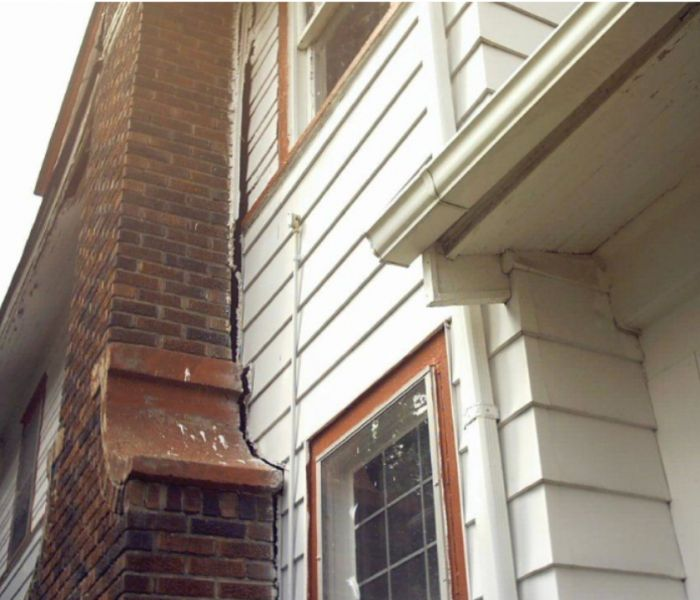
Small cracks in basement floors or lower walls can sometimes allow water to enter. Not every crack indicates a major structural concern, but cracks with moisture, staining, or widening should be inspected. Water is stubborn. It only needs a tiny pathway to become a recurring headache.
A professional can determine whether the crack is related to normal settling, hydrostatic pressure, drainage problems, or another issue. If groundwater is collecting beneath or around the basement, a sump pump may help relieve some of the pressure by moving water away from the foundation.
High Indoor Humidity
Sometimes the problem is not standing water. It is the heavy, damp feeling in the air. High basement humidity can make the space uncomfortable and may affect stored belongings. You may notice condensation on windows, damp cardboard boxes, or a sticky feel on floors.
A dehumidifier can help manage indoor air, but it may not solve the source of the moisture. If humidity keeps returning, the basement may need better water control. Sump pump installation can help when rising groundwater is part of the issue.
Finished Basements Need Extra Attention
Finished basements deserve extra protection because water damage can be expensive and frustrating. Flooring, drywall, insulation, furniture, and electrical components can all be affected when water enters. A small leak in an unfinished basement may be annoying. The same leak in a finished basement can become a repair circus with too many clowns.
If you have invested in a finished basement, watch for early signs of moisture. Soft flooring, bubbling paint, warped trim, or damp smells should be checked quickly. A sump pump may help protect the space during wet seasons and heavy storms.
How A Sump Pump Works
A sump pump system is fairly simple. A pit, often called a sump basin, is placed at a low point in the basement or crawl space. When groundwater collects in the basin, the pump turns on automatically and sends the water through a discharge line away from the home.
The goal is to remove water before it reaches the basement floor. Many systems also include check valves to keep water from flowing backward. Some homeowners choose battery backup pumps, which can be helpful during power outages caused by storms.
Other Steps That Support A Dry Basement
A sump pump works best when the rest of the home’s drainage is also in good shape. Clean gutters help roof water move where it belongs. Downspout extensions carry water away from the foundation. Proper yard grading helps surface water flow away from the home instead of toward it.
Homeowners should also check window wells, inspect visible foundation cracks, and avoid storing valuables directly on basement floors. These small habits can make a big difference. Think of them as the backup singers that help the sump pump hit the high notes.
Why Professional Evaluation Matters
Every home has different drainage needs. Soil type, foundation style, basement layout, and local weather patterns can all affect how water moves around a property. A professional evaluation helps identify where water is coming from and what kind of system may be needed.
The right pump size, basin location, discharge route, and backup options matter. Poor installation can lead to short cycling, drainage issues, or water being discharged too close to the foundation. In other words, the pump needs to do more than exist. It needs to work correctly.
Summary
Basement water problems usually start with signs homeowners can see, smell, or feel. Standing water, damp walls, musty odors, water stains, moisture-related cracks, and high humidity all deserve attention. These concerns do not improve on their own, and waiting often gives water more time to create damage.
Sump pump installation can be a smart step for homes dealing with recurring basement moisture or groundwater issues. By recognizing the warning signs early and getting a proper evaluation, homeowners can protect their basements, belongings, and peace of mind.
If you have noticed moisture, stains, odors, or puddles in your basement, contact Expert Foundation Repair Mentor today. Our team provides professional inspections and sump pump installation services designed to help protect your home before the next heavy rain arrives.