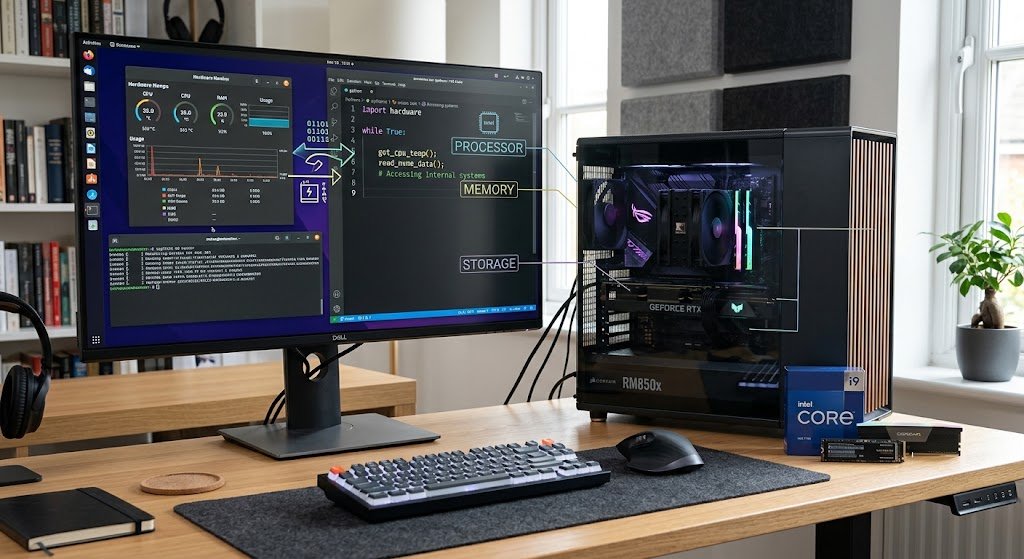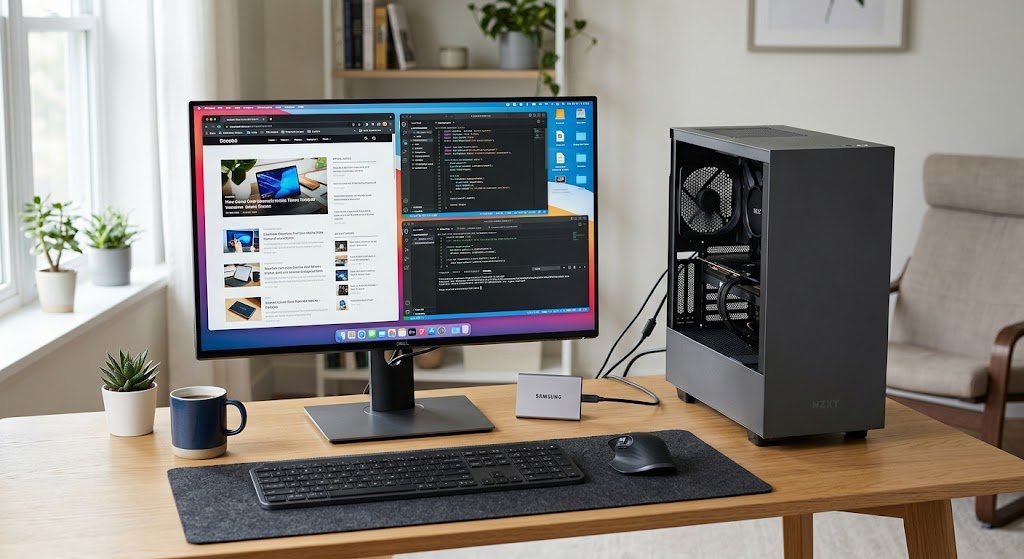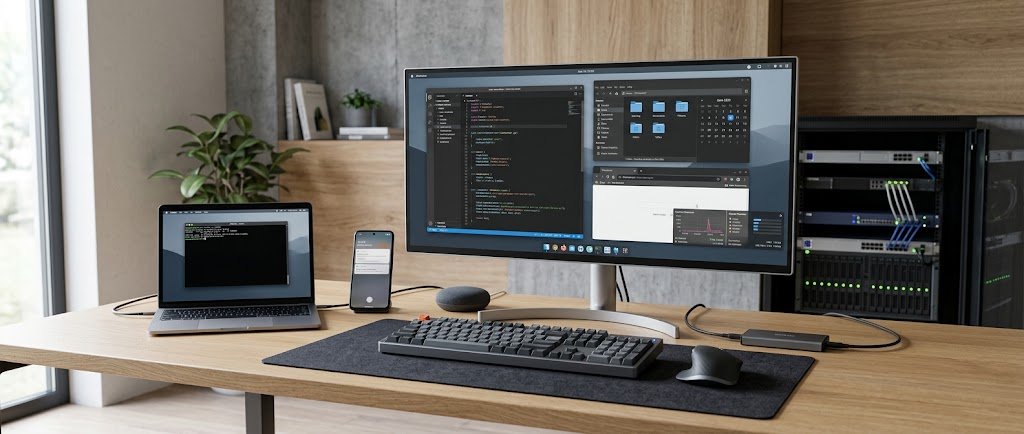
The computer is an integral part of today’s life, controlling education, business, communication, entertainment, scientific research, healthcare, banking and online services. But be aware, a computer is not useful just because it has a processor, memory, storage devices and other hardware. Requires special software to integrate all of these elements and to offer a hands-on environment for other programs to function.
This is called an operating system (OS). An operating system is a program that serves as a bridge between the computer hardware, software applications and the user of the computer hardware. It manages resources, controls activities of hardware, handles files and data, provides security and enables users to interact with computers without needing to know all the technical activities under the hood. As a new user, one of the key steps to knowing how computers and other digital devices work is knowing how the operating system works.
What is the OS and what is it?
Operating Systems are the system software that manage resources (hardware and software) of a computer and offer services to applications and users to enable interaction with the computer. The operating system is loaded into the computer’s memory and initiates important activities at the start-up. It controls and manages the processor, memory, storage, input devices, output devices and networks and serves as a platform to run programs, including web browsers, word processing applications, media players and games.
If there were no operating systems, the users would have to write highly technical instructions to communicate with the computer hardware, which would make computing very complicated to the normal users. The most common operating systems are Microsoft Windows, the Mac operating system from Apple, Linux operating systems (for example, Ubuntu), Google’s Android OS, and Apple’s iOS operating system. While these systems may look and operate in a variety of ways, they share many of the same lower level functions.

Operating Systems in Modern Computing
The duty of OS in contemporary computer systems goes past that of exhibiting icons and enabling customers to open programs. An operating system is a program that manages the hardware and software resources of modern digital devices. Many programs can run simultaneously on a single computer, and each program may be trying to use the processor, memory, storage drives, and other resources of the computer.
The demands are managed by the operating system, allowing applications to operate without needlessly interfering with each other. It also defines rules for accessing files, hardware, networks and protecting information. Operating systems control the touch screen, camera, sensor, mobile network, applications and the use of power on the smartphone. They are used on servers to help manage databases, websites, cloud service, and network requests. Therefore, operating systems play a crucial role in personal computing and the digital infrastructure, especially in big systems.
Functions of Operating System
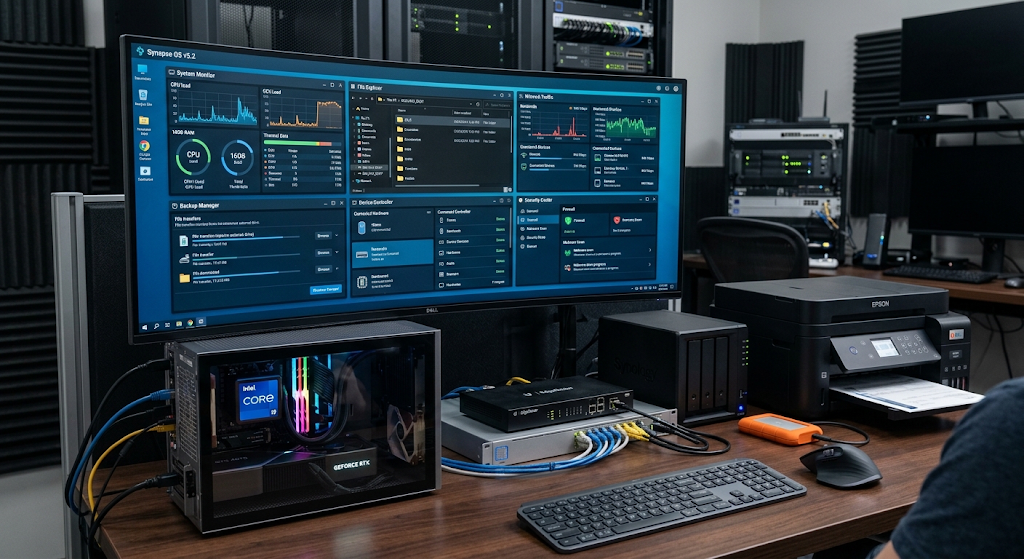
Memory Management
One of the most crucial jobs for an OS is memory management since programs require working memory while they are executing. The main memory of a computer is what is also called RAM, and is the place where currently running programs and data are temporarily stored so they can be accessed quickly by the processor. The operating system keeps track of which areas of memory are being used and which are available.
The memory is allocated by the operating system when the program is started and is freed up when the program is terminated to allow other programs to use it. Modern operating systems also include mechanisms like virtual memory, a way for the computer to utilize a portion of the storage as an extension of its RAM when required by the system. Manage memory so that programs don’t needlessly interfere with each other and the computer can run several programs more efficiently.
Manages files and storage.
Operating systems are also used to control the files and subfolders found on computers and other devices. Users frequently create, open, edit, copy, move, change names and delete files, but these actions rely on complex processes that are managed by the operating system. It structures data into directories (folders) and specifies how data is stored and retrieved from storage devices through the file system. Hard disk drives, SSD, memory cards, and USB storage devices are common storage devices. The operating system also maintains information about the name of files, their location, their permissions and other attributes of data stored in it. For instance, when a user launches a document – such as a Microsoft Word file – the operating system aids in locating the data on the storage device and provides the application with access to it. This management allows for easier organization, access, protection and maintenance of massive amounts of digital information.
Manage and control devices and hardware
Many hardware components are found in a computer, such as memory, processor, keyboard, mouse, screen, printer, camera, speaker, storage devices and network adapters. The operating system manages the interaction among the programs and these physical parts. The operating system supplies standardized means by which software can request hardware services, rather than each application having to know the technical details of each hardware device.
A critical part in this process is that of device drivers that lets the OS communicate properly with individual hardware components. When a user prints a document, the application can pass a printing request to the operating system, which will pass it on to the correct printer via the required software and hardware interfaces. This separation simplifies the computing process as the application developer has no need to design totally different hardware-control systems for each device that the program sees.
Security and Access Control
Security is another big issue for modern operating systems, as most computers hold important personal, organizational and financial information. Operating systems include ways of limiting the access to a device, application, file, or system resource. Operating-system security can be enhanced by technologies such as user accounts, passwords, permissions, access controls, encryption capabilities and security updates. In many operating systems, there are distinct user accounts and administrative accounts, with the intention of ensuring that the unprivileged user will not be able to make changes to important system parts that could be harmful.
They can also control which applications can be run by limiting individual programs’ access. Organizations that have various users with varying requirements for access to files and systems will need security features. While an operating system may not be able to safeguard against all threats, its security mechanisms become a key factor in minimizing the ability to gain unauthorized access and safeguarding the integrity and confidentiality of information.
Process Management and CPU Management
The processor, or central processing unit (CPU), performs the instructions required by computer programs. A computer may have to execute several processes concurrently, and the operating system has to decide how to allocate the resources of the processor among those processes. This is known as process or CPU management. The operating system generates and controls processes, allocates processor time to them, suspends processes when needed, and enables several programs to seem to be operating concurrently. One user could be using music, while surfing the web and preparing a document. The operating system manages the activity of the processor(s) needed to support the operation of each application, thereby enabling the applications to work together. The CPU time and when to give it to which process are decided by scheduling techniques. A good process management increases responsiveness and facilitates multitasking capabilities and the prevention of one application from using all available processing power.
User Interaction
Operating Systems: They give people a means of communicating with computers. The majority of desktop and cell operating systems include graphical user interfaces (GUIs) which enable customers to communicate with icons, menu bars, windows, buttons, touch controls, and other graphical components. GUIs enable computers to be used by individuals that are not familiar with programming or command-line instructions.
Operating systems can also have command line interfaces, where commands are entered by the user. The command line interface continues to be significant in system administration, development, engineering and advanced users due to its ability to offer precise control and efficient methods of automating repetitive tasks. The operating system receives the click on an application icon, tap on the smartphone screen, or command typed into a terminal, and it interprets the action and orchestrates the requested operation with the hardware and software resources.
Networking and Communication
Modern operating systems also provide services to enable computers and devices to communicate across a network. Networking capabilities allow devices to access the Internet, to communicate with other computers, access shared resources and share information. Operating system responsible for network interfaces, connection, addressing and communication between applications and network hardware. For instance, when a user accesses a website, the web browser uses its operating-system networking services to peer with servers over the internet.
Operating systems in business can be used to share files, access them remotely, print them, manage databases and communicate between networked systems. Networking has become a critical aspect as computing has shifted from single machines to networking a range of cloud, mobile, data centre and Internet of Things devices. The operating system is used to control communication functions and thus enable individual computers to play a role in larger digital networks.
Types of Operating System
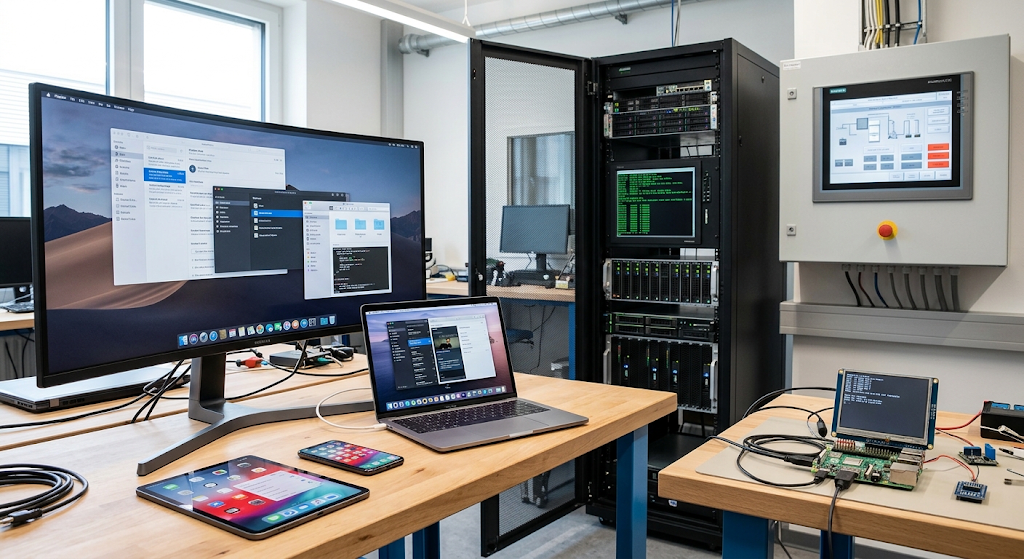
Operating Systems can be divided into various categories according to the type of devices they support, number of users they can support, purpose, and how they handle tasks. No one “best” operating system works in all scenarios as each computing environment has its needs. The operating system on a personal computer might require the ability to have convenient interaction and wide application compatibility, and on a server, it’s more important that it’s reliable, network-friendly, secure, and manages resources efficiently. Smartphones demand touchscreen, wireless, mobile apps, sensor and battery optimized operating systems. Industrial machines, vehicles, medical equipment and other embedded devices can have specialised systems designed. Beginners will benefit from knowing the major types because they will help them realize that operating systems like Windows, Linux, Android, and iOS have different looks and functionality, but each performs the basic duties of operating-system software.
Desktop Operating Systems
Desktop OS are operating systems developed mostly for individual computers including desktop computers and laptops. They typically offer graphical apps and can support a wide variety of applications such as office software, browsers, learning resources, creation software, communications software, and games. There are two popular desktop operating systems, Microsoft Windows and macOS, the operating system used on Apple’s Mac computers. Another big choice is Linux, which comes in various forms like Ubuntu, Linux Mint, and Fedora with various interfaces and software selections.
While phone operating systems are usually focused on usability and compatibility, hardware support, multitasking, and security, desktop operating systems tend to highlight these factors. Used by students, professionals, businesses, developers, designers, researchers and home users. While they might look different and offer different kinds of applications, they all give the basic framework to use computer equipment and software.
Mobile Operating Systems
Mobile operating systems are built for mobile devices like smartphones and tablets, which require the ability to interact with the screen using touch, communicate via wireless connections, conserve battery life, leverage sensors, and be compact. Android, created by Google and supported on numerous manufacturers’ smartphones, is among one of the world’s big mobile operating systems. Another popular mobile operating system is Apple’s iOS, which is employed on Apple gadgets like the iPhone. The mobile operating system offers services that include apps, cameras, microphones, GPS, Bluetooth, cellular networks, notifications, touchscreens and other smartphone capabilities.
They also often feature application permission systems, which restrict applications’ access. Mobile operating systems are based on portability and power conservation, in contrast to traditional systems. They thus illustrate the variations of operating-system design as a function of the nature and capabilities of the hardware that a program runs on.
Server Operating Systems
A server operating system is an operating system that is used to run computers that share resources and services with other computers, applications, or users via a network. These servers can serve a variety of purposes, such as hosting websites, databases, cloud applications, email systems, business software, storage platforms, and more. The flexibility, stability and security aspects of Linux-based server systems, along with the wealth of configuration options, makes them popular. Another notable example is Microsoft Windows Server, which is utilized by many organizations to control enterprise services and network environments.
The server operating systems are typically designed to run several users and processes and are built to offer robust networking, security and storage as well as resource-management features. A server can be expected to run around the clock and may be used to process many requests, making reliability and efficient use of resources of particular concern. Server operating systems are a key component of the Internet and numerous services people use daily.
Real-Time Operating Systems
An RTOS or real-time operating system is a type of operating system that is typically used in situations where computer systems need to respond within a certain time window. Operating systems like these are frequently used in embedded and special systems where the timing aspect is more significant than the wide application support of desktop systems. Real-time operating systems are used in various applications such as industrial control units, robotics systems, automotive systems, aerospace technology, and some medical devices.
A defining feature of a real time operating system is that it is able to control tasks which have definite time requirements. For instance, a control system might require taking in the data from a sensor and acting within a certain amount of time. The operating system thus emphasizes the predictability of scheduling and the efficient treatment of tasks. RTOS technology shows that operating systems can be used on special-purpose machines that have some unique operational needs, as well as general-purpose computers.
Embedded Operating Systems
Embedded operating systems are systems optimized for running in a computing system embedded in a larger electronic system or machine. Unlike desktop computers, embedded devices are typically designed for a specific application and may have reduced processing, memory, and storage capacities. Some examples are smart appliances, vehicle systems, industrial controllers, networking components, digital cameras, and some consumer electronics. An embedded operating system is the software backbone that is necessary for the device to execute its operating tasks and control the hardware resources available to it.
There are also special real-time operating systems that are available for some embedded systems, and custom versions of more widely available operating-system technologies for others. The user might not even know that they are running an operating system because embedded software is often invisible. This is a good example of how operating systems have evolved to be as much a part of daily life as any other piece of technology, beyond the desktop or laptop computer.
Popular Operating Systems

Microsoft Windows
Microsoft Windows is a family of operating systems, widely used on personal computers and other computing devices. It’s graphical, has a wide range of software applications and hardware support. Many people use Windows at home, in schools, in businesses, and in government organizations, making it a significant example to the novice OS student. It features a desktop environment that lets the user control files, run programs, connect devices, set up the computer and use visual controls.
Neither Windows does it alone, though, as also has networking, security, user account, system update and hardware management options. It is widely supported by software and hardware providers and users are able to select from a variety of computers and applications. The popularity of this OS is an example of the idea that an OS can be used on a wide variety of devices while giving them a common software environment.
MacOS
macOS is the desktop operating system of Apple’s Macintosh computers. It is intended to integrate seamlessly with Apple hardware and offers an environment with user interfaces that include windows, menus, folders, applications and system settings. Popular applications for Mac OS X include the education, business, software, creative, media production and personal computing sectors. It functions like other modern operating systems, managing memory, processes, files, hardware devices, networking, and security and giving the user a graphical interface.
Doing so makes it possible for Mac PCs to interact with other Apple gadgets and services in a number of ways. An example of such an OS is macOS, which was designed in concert with Apple’s hardware and software ecosystem, instead of having to be built as a distinct layer on top of a multitude of dissimilar computer manufacturers.
Linux
The Linux kernel is the basis for an open source operating system ecosystem, called Linux, and there are many different distributions of Linux that offer full operating environments. There are a number of popular distros, such as Ubuntu, Fedora, Debian and Linux Mint, that come with different software and configuration options. Servers, personal computers, development systems, cloud infrastructures and various specialized computing systems are widely used with the Linux operating system.
It is flexible, meaning that users and organizations can customize, configure, and deploy systems as needed. However, Linux has found a special place in the domain of Professional Computing due to its use in Web Hosting, Software Development, Networking, Cyber Security, Scientific Computing, and Cloud Computing. Linux is a great example for novices of how an operating-system ecosystem can provide various distributions and interfaces on a common technological base.
Android
Android is an operating system of mobile devices that runs on the Android platform and is used by various smartphone and tablet manufacturers, and is associated with Google. It offers mobile applications and an environment, and controls the physical access functions of the mobile device (touch screens, cameras, microphones, mobile connections, sensors, storage etc.). Android’s security and permission features are also there, to help users manage device access to applications.
Android is a customizable operating system and may look slightly different from one device to another due to the different manufacturers. However, its essential functions are the same as for any operating system, to control hardware and software resources, support the applications, protect the user and provide an interface for interaction with the device. An important instance of how operating systems can be tailored to mobile use and made available to a wide range of hardware.
iOS
iOS is Apple’s cell operating system for iPhone gadgets. It is built for touch screen interaction, and offers services in applications, communication, multimedia, cameras, sensors, networking, security, and device management. iOS runs tightly with Apple’s hardware and software ecosystem, so that the company has been able to dictate lots of facets of both the device and operating system experiences. Efficiently managing background processes and hardware resources is also a part of the platform, as are security and application permissions, which are managed by the operating system.
Another example of a specialized operating system for a specific class of hardware is iOS for beginners. Finally, when you compare iOS to Android, you’ll see how two different mobile operating systems could deliver a lot of the same features and functionality, but with different methods, software ecosystems, interfaces, and hardware relationships.
Importance of Operating Systems
Operating Systems have an impact because they enable computing to be functional, organized, and accessible. If they weren’t there, users and application developers would have to deal with complicated hardware systems and perform numerous low-level operations themselves. This complexity can be hidden by the operating system, which is a layer of abstraction that enables software to utilize the computer’s resources without needing to know the details of the hardware. Coordinates memory, processing, storage, devices, networks, security, and user interaction, all in the background.
This allows an individual to concentrate on tasks like writing documents, reading, using the internet, producing digital content, analysis tasks, and/or communicating with another person without having to manually control hardware. Operating systems are also significant in big organizations due to their role as an infrastructure for enterprise applications, cloud infrastructure, databases, and servers. With their resource management and consistent services, modern computing environments are made possible.
Operating Systems and Modern Digital Technology
Computing continues to evolve and operating systems are adjusting to new technology and usage. Cloud computing has made data centers and virtual operating systems more important, and smartphones and connected devices have made computing a broad-based phenomenon beyond the personal computer. Artificial intelligence applications, edge computing, cloud-native platforms, smart devices and systems of connected industrial systems rely on layers of software for managing underlying resources.
Today’s operating systems need to solve problems of security, virtualization, energy conservation, connectivity, privacy, and support a wide variety of hardware. They also must be able to manage intricate workloads and still be available to users and developers. Users might only know what an operating system is by its user interface, but much of its significance is in the intricate resource-management tasks that occur in the background. This never ending development keeps operating systems as an integral component of computing technology.
Conclusion
A computer operating system is the basic operating program that enables computer hardware and computer application software to communicate effectively. It’s tasked with memory management, file and storage management, process scheduling, hardware control, security, networking, and interaction with the user. These functions enable users to interact with computers and digital devices without having to know all the low-level instructions that are necessary to execute the typical actions involved in daily activities.
There are several types of operating systems that have evolved to serve various needs such as desktops, mobile devices, embedded systems, real time applications and servers. Operating systems like Windows, macOS, Linux, Android and iOS showcase the diversity of solutions adopted for controlling computing resources and offer valuable environments for users and applications. Beginners will have a solid understanding of operating systems and the reasons for their use, which will help them build a basic understanding of computer hardware, software, networking, cyber security, cloud computing and more.