Artificial Intelligence (AI) is transforming our world. From self-driving cars to complex data analysis, we see AI’s value in revolutionizing many sectors. But what do we think of when we compare AI to human intelligence? While AI does very well in its role, there are still very basic elements of human thought and emotion that AI is not able to reproduce. This article puts forth a fair comparison between AI and human intelligence, which looks at the wins for automation and the preeminent performance of humans.
Introduction
Artificial intelligence has seen great growth in recent years. In which we see large sets of data, better algorithms, and advanced machine learning models, AI is growing into many sectors. At the same time, although AI outdoes human capacity in terms of fast and accurate data processing, it also has issues. Also, what we see in human intelligence is creativity, emotional scope, and ethical decision-making, in which AI is still very much behind.
In this report, we will look at what fields AI does best in, what it does not do so well, and also which areas still outperform machines by a large margin in terms of human performance. We will look at many fields that see action from both AI and human intelligence and analyze which does better in what.
The Rise of Artificial Intelligence
AI, which is the simulation of human thought processes by machines, is what we term as AI. From virtual personal assistants like Siri to large-scale systems that power self-driving cars, AI has indeed proven that what was once thought to only humans do is, in fact, within machines’ reach. At the same time, AI works in fields which are presented to it by human designers. While AI does very well in things like recognizing patterns, working with large data sets, and carrying out routine tasks at great speed, it still has issues with tasks that require abstract thinking, intuition, and deep understanding.
AI and Its Superpowers
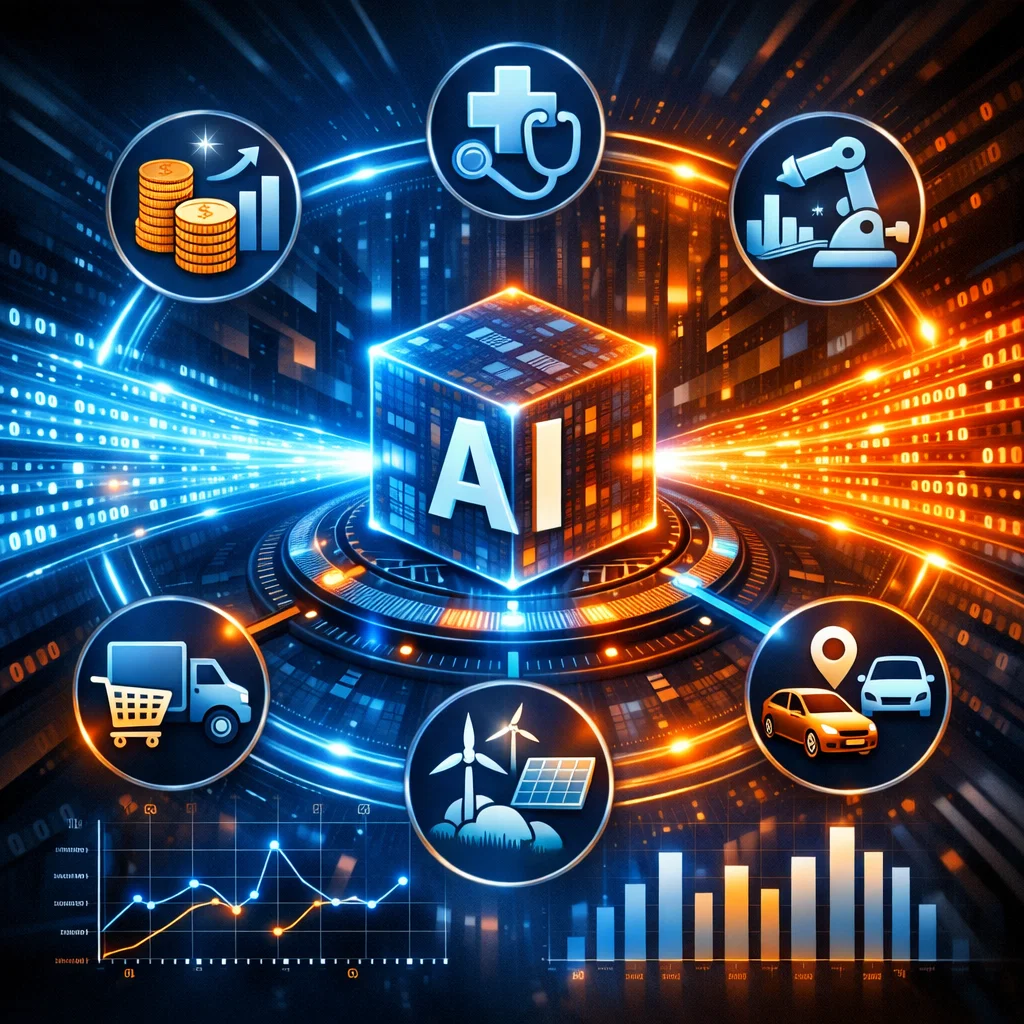
AI is known for processing large scales of data at a fraction of the time which humans do. In the following areas, you will see AI outperform human intelligence:
Speed and Performance
AI is able to analyze data at breakneck speed, which in turn allows it to work with complex information and make decisions faster than we can as humans. For instance, AI-powered diagnostic tools are able to go over medical images in seconds and identify anomalies which may take a human doctor a great deal of time to see. In fields like finance, AI is able to process millions of transactions per second, which also allows it to detect fraud and irregularities that would be beyond what a human is able to do in real-time.
Data Analysis and Interpretation
AI’s great strength is in the treatment and analysis of large data sets, which it does so without break. AI systems use algorithms to identify trends and make forecasts based on that data, which in turn plays out in many fields from marketing to healthcare to logistics. For instance, AI models may put together a picture of what we can expect from consumer action based on purchase trends, which would take a person months to put together.
Accuracy and Performance
AI, which is designed for precision and which produces the same results time and time again without the variable factor of human error. In fields that require great accuracy, like aerospace or manufacturing, AI is a key player in achieving exact results. For example, in manufacturing plants, robots which run on AI can put together parts with great precision, which a human-run production line may not be able to match, thus reducing error.
The Human Edge: In What Ways AI Falls Short
Despite our great progress with AI, we still see that in some key areas it falls short. In what we do very well in terms of data analysis and large-scale processing, human intelligence steps in with a greater degree of flexibility and adaptability. Here are some fields in which we as humans outperform AI:
Innovation and Creativity
AI does produce content which follows in the footsteps of what has come before it, but it does not do true creative innovation. What we see in human intelligence is the ability to think beyond what is presented, to draw from a wide range of experiences, emotions, and perspectives in which we see the creation of what is totally new. In the fields of art, music, and writing, we see people breaking out of conventional rules and pushing at the edges of what is imaginable, which at present AI is unable to do to that same full degree.
For example, machines which produce art via AI may replicate certain styles that we see in traditional art, but what they lack is the personal experience which human artists bring to their work—the emotions and details that make each piece unique. A computer may reproduce a painting in the style of a master, but it does not have the lived experience that goes into creating groundbreaking new pieces of art or music.

Emotional Quotient and Empathy
Emotional intelligence is the ability to recognize, understand, and manage our own and other’s feelings. This is a key element in the formation of relationships, in the resolution of disputes, and in showing empathy—areas in which AI today does not perform well. Although we may see in chatbots and virtual assistants a likeness of human dialogue, what they lack is the true grasp of emotional situations that a person brings to the table.
In the case of mental health counseling or customer service, humans’ role is to provide empathy and emotional support, which they do by tuning in to emotional cues. With AI, we see a different picture—it is a set program by algorithms and patterns to which the AI responds. This is what makes it lack the same degree of emotional depth.
Ethics and Moral Reasoning
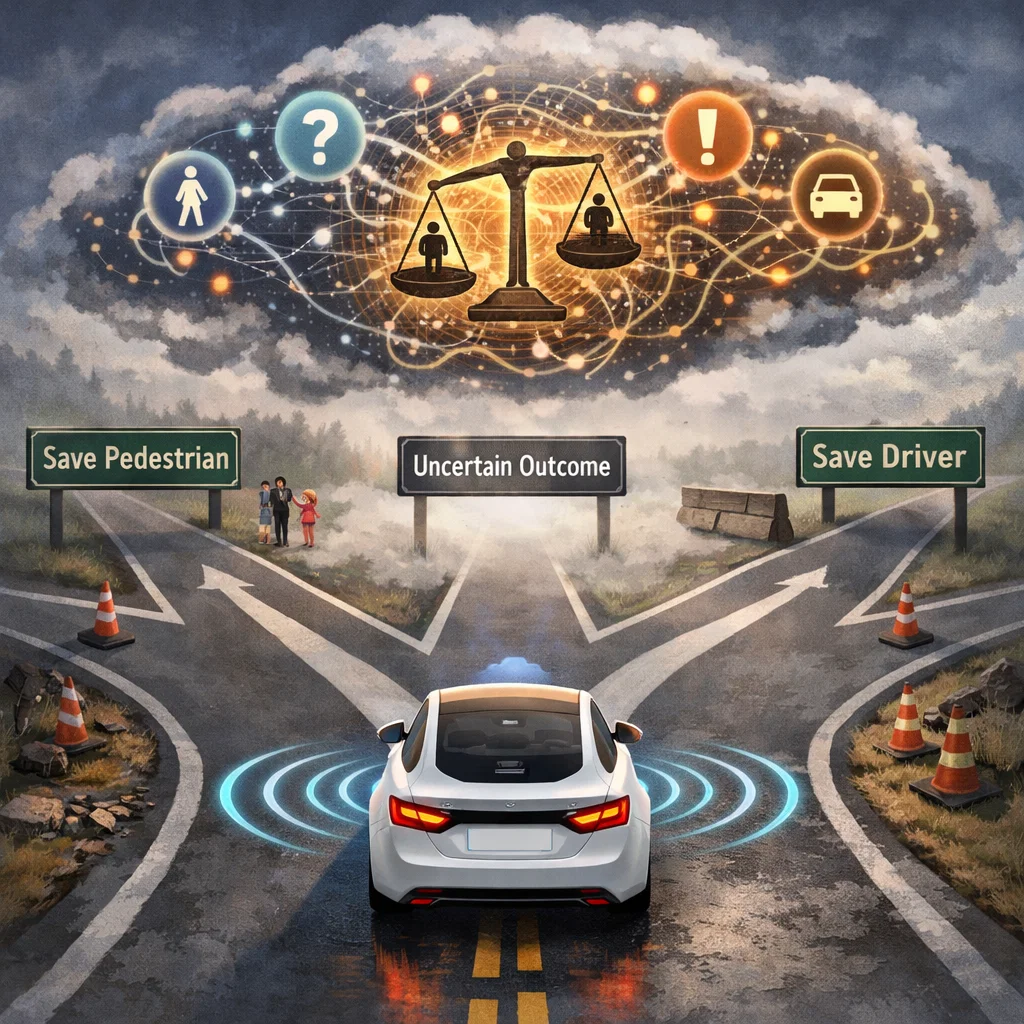
AI doesn’t at present put into play ethical decisions in complex and gray moral issues. Though AI systems are programmed to follow given protocols and instructions, they do not have a moral structure which would allow for the full spectrum of human values to be taken into account.
For instance, we see that ethics to program into AI is an issue in matters of life and death for self-driving cars. As algorithms are developed to do certain things, which mostly play out in black-and-white terms, we see that they fall short of the gray area thinking a human would bring to the table, which includes context and moral overtones. At present, the question of which ethics to put in AI is the largest issue we are seeing with this technology.
Variety and Adaptability
AI, in many cases, outperforms what we see in terms of very defined tasks in a controlled setting. But when the environment changes or we throw in some unknown variables, the AI has trouble adjusting. As for us humans, we have cognitive flexibility which allows us to adapt to new environments, think through complex issues, and navigate uncertainty.
For instance, at a factory, a human worker may be put in charge of a new kind of equipment. While it does take a while to get the hang of it, humans do adapt, and by using past experience and practical know-how, they may figure out the machine’s function. On the other hand, with AI, you have to go through extra programming and retraining, which in turn is a very time and resource-intensive process.
Where AI and Humans Can Collaborate
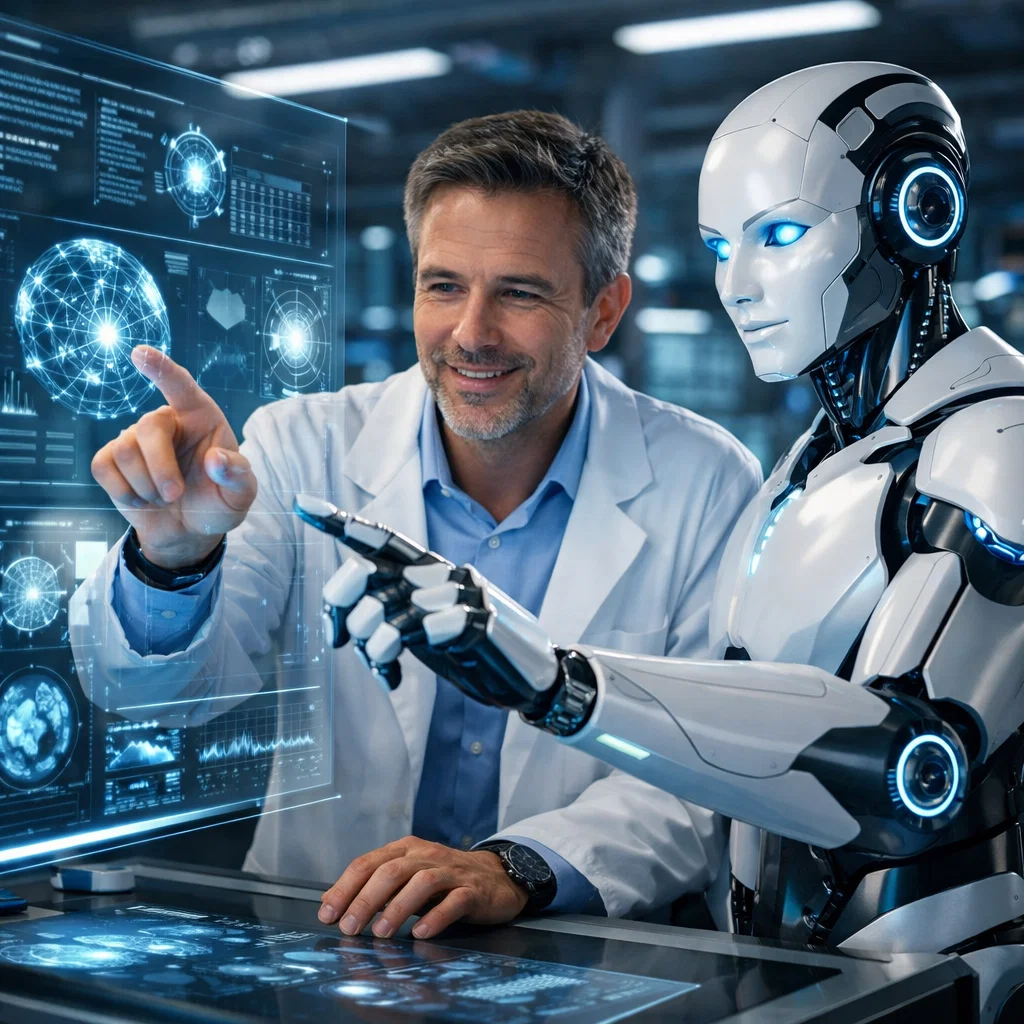
While there is a difference between what AI and human intelligence do best, in the future we see their cooperation. What AI may lack in terms of creative and emotional input, it makes up for in large-scale data analysis, which it presents to us; at the same time, we can use our creative and emotional abilities to steer AI into making decisions that are at once more thoughtful and ethical.
For example, in the area of healthcare, AI is used to support doctors in the diagnosis of disease, which they, in turn, will use to base their treatment decisions from, while also taking into account the patient’s emotional health, unique needs, and the larger picture. Also, in the world of writing, we see AI which may put out story ideas or story outlines for authors, which in turn they use for their writing, bringing out the depth of emotion and story nuance from the writer’s human experience.
Conclusion
Artificial intelligence is a fantastic resource which we see play out in many fields—from the automation of routine tasks to the analysis of large data sets. But it is also true that, while AI does best in certain tasks, it still has a long way to go in comparison to human intelligence in terms of creativity, emotional intelligence, and ethical reasoning. As we look to the future, it will be key that we as a society identify what AI does well and what it does not do so that we may use it to better augment and put forward human potential.
At the end, we see a world in which humans and AI team up to solve problems that either couldn’t be solved by each of us alone. We see a partnership which plays to the strengths of both.
For more in-depth info on the AI topic, check out this link to Britannica’s article on AI.