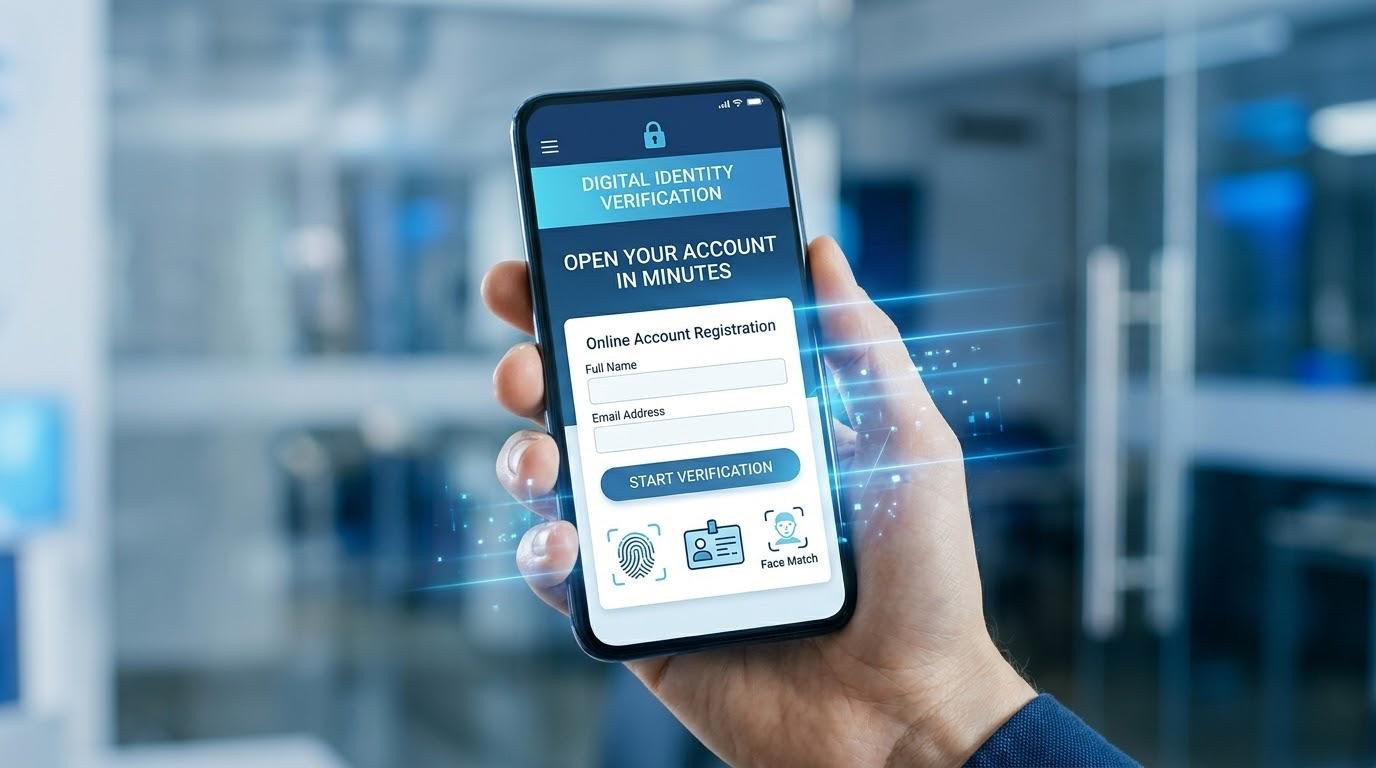
Nowadays, computing is one of the most powerful tools of today’s society. While computers were previously thought of as being in the office, in labs, and in special technical applications, today computing technology is found in virtually all aspects of life. Individuals rely on computers, smart phones, tablets, digital services and connected systems to communicate, learn, work, shop, take care of finances, access medical care, travel and enjoy entertainment. Computing is also important to organizations for storing information, processing transactions, communicating with customers, analysing information and coordinating employees.
In this way, the use of computing in today’s society is more than just using a desktop computer. It represents the broader application of digital technologies to problem solving, information handling, automation, people and organisations. The increasing evolution of computing demands a fundamental understanding of computers and digital systems for students, employees, business owners, and the general public.
Importance of Computing
Computing is a general term that covers the use of computers and computational technologies for processing information, for solving problems, for communicating, for storing data and for performing tasks. The modern computer is more than just a personal computer. The use of computing principles is essential for the use of smart phones, cloud services, databases, websites, digital payment systems, automated machines, applications of artificial intelligence and many other technologies. These systems complement each other to facilitate the creation, processing, access and sharing of information.
The use of computing is especially useful in the following ways: it can carry out repetitive tasks rapidly; it can handle large amounts of information; and it can help make decisions using the data at its disposal. It can be used in the fields of education, healthcare, banking, transportation, communication, entertainment, government and business. The functioning of computing systems and the way they can be used ethically is the way in which people are able to contribute to current society in an effective manner, as they are more and more used in such sectors.
The Processes of Computing and Everyday Activities
The use of computing is particularly evident in everyday activities. Smartphones can be used to communicate with loved ones, find information and schedules, make payments, navigate new areas, order products, or access online services. Many of these activities occur so regularly that they may not consider the underlying computing systems. Platforms can hold data, handle requests and link users to services, and return data in seconds. Computer use enables individuals to prepare documents, keep track of their schedules, send e-mail messages, and find entertainment. Computers and connected devices can be used at home for learning, work, shopping, money management, organization and more. This is an example of the general computing integration that means computing is not just for technical professionals. Rather, it has become a tool used by many to access information, institutions, and people.
The Role of Computing in Communication
The role of computing in modern society is especially evident in communication. Computing has revolutionized the way in which communication is carried out, in one of the most significant ways. Historically, long-distance communication was done by mail, phone or other relatively slow means. In recent years, people can send messages and documents, images, sounds and video quickly using computers and computers that are connected to the Internet. Formal communication like e-mail is widely used and personal and professional communication is facilitated through digital messaging and video-conferencing systems. They can help communicate with employees in various locations, and students can interact with teachers and classmates without necessarily being in the same space at the same time. Many geographical barriers have thus been diminished by computing and collaboration is now possible over long distances. It also enables information to be saved and accessed subsequently, creating digital communication that is useful for record-keeping and coordination. Therefore, the advent of internet communication has altered the way families, schools, businesses and institutions communicate.
The Ability to Communicate in Education and at Work
Groups have also been affected by the changes in collaboration that computing has brought. Students will be able to share documents, attend virtual classes, conduct online research, and communicate with instructors via digital platforms. At the office, workers can share documents, communicate via e-mail, project-management software and virtual meetings to plan work. They are particularly beneficial when individuals are not physically able to work together. Open Educational Resources and the use of communication technology can also provide learners access to information outside the classroom setting.
Meanwhile, responsible behaviour is essential for effective digital communication. Users must be aware of privacy, using appropriate communication, information security, and weighing before sharing information. Computing knowledge is not just about pressing buttons, it is also about understanding how digital communications can impact on others and how information should be handled responsibly.

Computing in Education
Computing is also crucial in the field of education. Computers are employed in schools, colleges, universities, training organisations and by individual learners for the purposes of teaching, researching, assessment, administration and communication. Computing technology enables students to access academic resources, analyze information, create presentations and learn online, and undertake assignments. Digital resources, presentations, teaching software, online tests and learning-management systems can be used to plan lessons.
Computer based learning can also provide students with the opportunity to return to content and study at their own speed. The computing systems at educational institutions are used to keep records of students and to provide communication, structure courses, and keep academic information. The applications demonstrate that computing facilitates the learning process in the classroom, but also the systems that enable the efficient operation of educational institutions.
Facilitate Research and Digital Learning
Computing has made it possible to disseminate education-related information and introduces the concept of information library, enabling the access of vast information through academic databases, websites and online courses. A student researching a topic can find information on a computer, check sources, record notes and compile a final report. Simulations, diagrams, interactive activities, and multimedia presentations can help make complex concepts more accessible via digital tools. The benefit of learning online is that it can bring learners to courses and instructors that are beyond their geographical reach.
But information alone is not sufficient to ensure good learning. There is still a need for students to demonstrate skills in critical thinking in order to determine reliable information sources, to avoid misinformation, to safeguard personal information and to use technology in an ethical manner. Therefore, essential computing skills enhance the educational process, enabling pupils to be more self-reliant, effective and responsible in their use of digital resources.
Computing in Healthcare
Also, a lot of changes have occurred in the field of healthcare due to computing technology. Computer systems are employed by hospitals, clinics, laboratories, pharmacies and other health care organizations to control information and provide medical services. Healthcare records can be stored and retrieved using electronic health records and computer-based systems can assist with appointment scheduling, lab management, medical imaging, and administrative tasks. Computing also finds applications in research where specialists are able to handle vast quantities of scientific and medical data.
Telehealth technologies can provide access to some healthcare interactions without the need for patients to travel for all consultations. Therefore, if they are used in an appropriate way, the organization and access to healthcare services can be enhanced with the help of computer-supported technologies. Today’s healthcare shows the potential of computing in terms of both administrative efficiency and service to patients.
Improving Healthcare Information
A significant advantage of computing in the health care industry is the efficient organization of information. Paper-based records may be hard to access, maintain, exchange and secure, while well-designed digital systems can make it easy for authorized users to access and manage information. Medical imaging and patient monitoring technologies can also be aided by computers, thereby providing healthcare professionals with extra data for making decisions.
But, given the sensitivity of medical information, healthcare computing needs to be backed up by robust privacy and security measures. It’s crucial for healthcare organizations to safeguard digital systems and guarantee that information is accessible to the correct individuals. This is a great example that goes to show you that the tools of computing are only effective when coupled with responsible use. The worth of a computer system relies not only on its applications but additionally on the way it’s used safely, accurately and ethically.

Computing and Banking
In banking, computing has been taken for granted. Computer systems are used by modern banks for customer accounts, transactions, record keeping, transferring funds electronically, and electronic banking. Online and mobile banking enables users to access their bank accounts and conduct approved banking transactions without having to visit a branch and ATMs enable customers to complete some basic banking activities without visiting a branch. Computing is also used to aid in the processing and organisation of vast amounts of financial information.
The use of these systems allows financial institutions to handle intricate operations and enables customers to enjoy many of the banking services at a quicker time and in a more convenient manner. With the widespread adoption of electronic financial services, key skills in basic computing can be of benefit to the individual seeking to learn how to manage their financial resources, to understand what they are doing when using digital financial services or to use financial platforms responsibly.
Payments via Digital Channels and Financial Security
As digital banking is gaining momentum, so is the need to be aware of cybersecurity. Basic concepts need to be understood, including how to avoid giving out personal information, how to avoid suspicious messages, how to safely use services and how to keep passwords safe. Financial institutions also have technological systems in place to track transactions and safeguard their services.
Using computing is a useful way of being financially convenient, but users should be aware that digital systems need to be used responsibly. You will, therefore, learn some basic digital safety when you are an informed computer user. With the increasing digitization of banking, individuals with knowledge on computer-based financial services can make informed decisions on their personal information and operate them carefully.
The Use of Computing in Business Operations
Computing is a key tool for businesses of almost all sizes to carry out their daily business operations. Computers may be used in a small business to handle accounting, inventory, customer communication, marketing, record keeping and online selling, or a large business may have complex databases, enterprise systems, communications and automated workflows. Employees use computers to develop documents, analyze information, communicate with others, schedule work, and coordinate projects.
Digital systems can also be employed to acquire customer needs, track sales, manage stock and gauge performance. Ecommerce has been a boon for companies to market products and services online, helping companies reach customers outside their physical boundaries. Computing therefore is a factor of productivity and also opens up new approaches to the way that organizations can operate, communicate and compete.

Computing and Business Decision-Making
Computing and Business Decision-Making involves using computers and business concepts in decision making. In addition to making tasks easier to do by automating them, computing enables an organization to use information in the process of decision making. A business can use the right computer systems to gather sales data and analyze customer behavior, track inventory, and assess financial performance. Patterns can be detected in data that could be hard to see by eye. These insights can be leveraged by businesses to enhance their planning, resource management, and adaptability to evolving circumstances. Computing can also facilitate collaboration between people working remotely by enabling them to share a digital system for working together. Employees who have generalized computer skills can do their job more effectively because businesses are becoming more and more reliant on information. Computing knowledge is applicable to a range of occupations, including those not usually associated with computing.
Computing in Entertainment
Computing has also revolutionised entertainment. Computers and connectable devices may be used to view videos, listen to music, play games, produce digital art, edit photographs, and interact with content. Online platforms allow the use of entertainment without being 100% on physical media. Computing is also used to create entertainment products. Specialized computer software is used by professionals such as film editors, musicians, graphic designers, game developers, etc. to produce or edit digital files.
VISUAL MEDIA: Computer-generated effects may be used in film and other visual media.
AUDIO TOOLS: Digital audio technology can be applied to music production. All these trends have turned computing into a consumption medium and also a production medium for entertainment.
Creative Production and Responsible Digital Behaviour
Creative production has reduced some barriers to creative production with the use of computing, as people can download and use software to create, design, edit, record and publish content digitally. A student can design a presentation with pictures and video; an aspiring designer can learn how to utilize digital design tools. Knowing these technologies can enable people to communicate their ideas and acquire hands-on skills. Responsible Digital Behaviour is also relevant. Users need to be aware of copyright issues, to be careful not to compromise the security of their accounts and to be mindful of the content they post on the Internet. While computing offers many creative opportunities, it is important to be digitally responsible and ethically using technology.
Computing in Transportation
Computing also plays a major role in transportation systems. Navigation, ticketing, scheduling, traffic management, vehicle monitoring, logistics, and route planning are some of the areas where computers can be used as an aid. Digital mapping and navigation applications guide drivers to help them make wayfinding and timing decisions, and computer systems allow transportation companies to manage vehicles, drivers, goods, and timetables. Complex operations are also managed by information systems in airports, railway systems, shipping companies and public transportation networks.
Computing can be used to monitor products and manage the transportation of products between locations in a logistics or delivery system. The applications are examples of how computing can facilitate coordination in systems where a great deal of information needs to be processed rapidly. Transportation is another instance of computing working in the background but impacting on activities which are part of people’s daily lives.

Importance of Basic Computing Knowledge?
Basic computing skills are becoming more and more important with the prevalence of computers. Someone doesn’t have to be a computer programmer or computer science graduate to gain advantages from technology. Simple tasks like using Microsoft Word and Excel to make and manage documents, useful search techniques, organizing files, communicating online, securing accounts, and working with common software can help you with everyday tasks.
Students require these skills for research, assignments, presentations and online learning. They might be required for communication, data entry, document preparation, collaboration, and other work activities. These can be used by business owners to keep records, to interact with their customers and also to advertise their products or services. The knowledge and understanding of computing can then be used to enhance independence in the use of digital systems, which surround us.
Using a Computer Effectively for Academic Work
Computing knowledge is particularly important for pupils as many aspects of learning are now digital. Students will be required to research information, write papers, make presentations, submit assignments via computers, attend online classes, and correspond with teachers. Understanding the structure of files and how to work with productivity software can be helpful when doing academic work.
Students should also be taught information-literacy skills to enable them to identify reliable information from inaccurate or misleading information. The more there is digital information, the more important these abilities are. Computing education should thus not only equip students with the skills to operate devices, but also to problem solve, think critically, be digitally responsible, and learn new technologies as they are developed.
Computing Skills for Professional Life
Computer literacy may impact productivity and employment in work settings. The majority of occupations have to do with digital documents, databases, communication platforms, spreadsheets, scheduling systems, or specialized applications. Computing might also be part of the daily routine, even if the primary employment of a person is not in information technology. In the modern work environment, software and digital processes can evolve over time, and workers must be able to adapt and learn.
Fundamental computing skills are used as a basis for that adaptation. Programming, data analysis, cybersecurity, database management, or cloud computing are some of the more advanced skills that can lead to new career opportunities. The message is that computing is no longer a skill exclusive to the workplace but is becoming a general skill, or transferable to a range of workplaces.
Challenges Regarding Computing
Computing offers significant advantages, but there are also challenges arising from its use. With digital systems, there is a concern about privacy as they can store a great deal of personal and organizational information. Another concern is cybersecurity, which means that if the system isn’t secure, it could be a target for someone to hack into it or for it to be affected by malicious software. Concerns also include misinformation, growing dependence on technology, and inequitable access to digital tools, as well as how automation will impact some jobs. Therefore, these challenges should not discourage the use of computing. Rather, they illustrate why Digital Literacy is an important responsibility. It is important for individuals to have an awareness of the pros and cons of technology to make informed decisions. As with any new system, organizations should also implement the right security, privacy, training, and ethical policies to ensure that the computer system is used safely and securely.
Conclusion
The use of computing in the modern world is crucial in the areas of communication, education, health and medical services, banking, entertainment, transport, business and in the day-to-day life of the modern world. It is pervasive, as is evident in personal computers, smartphones, online services, Internet financial systems, health records, transportation systems, business and enterprise applications, and education. Computers enable users to handle information, interact with others remotely, perform repetitive tasks, manage resources, and solve problems more efficiently.
All the while, it entails obligations to privacy, security, ethical conduct, and the critical analysis of information. Routine computer skills will continue to be a valuable tool for self-sufficiency, education and career advancement. By learning about the operation of digital systems and how to use them responsibly, the individual will be better able to participate in society with its growing dependency on computing in nearly every facet of life.