Introduction
We are living in a digital world, and this means we can complete our financial transactions faster and easier. We can transfer funds, pay bills, view account balances and manage our money without having to visit a bank branch. However, there are many opportunities for cybercriminals to target people who use banks. Phishing emails, scam texts, fake banks sites, identity theft and a whole range of financial scams are all on the rise. As people are becoming more aware of the threats online, it is important to understand how to spot any suspicious activity and keep your financial information safe. While banks have invested in advanced security systems, it is still very important as an individual to keep your information safe. By following some safe banking practices, having strong security measures in place, keeping track of your transactions and reporting any suspicious activity you can greatly reduce the risk of falling victim to any financial fraud.
Here are 15 Ways you can Keep your Bank Account Safe.
1. Don’t Click on Suspicious Links
Phishing is a very common way of stealing your banking information. This involves sending a fake email or text message which appears to be from a real bank, payment company or financial institution. This could include saying your account has been frozen, they need you to verify a transaction or you need to act quickly to avoid losing money. If you receive any unexpected messages, even if they look professional, do not click on any links or open any attachments. Instead, open your bank’s official app or type in the URL of their site. Look out for any spelling errors, any unknown senders and any strange requests being made.
2. Confirm any Banking Messages
Never take anything at face value just because it includes your bank’s name or logo. Many fraudsters will copy financial institutions to get you to reveal personal information. If you receive any unexpected messages about your account being restricted, any suspicious transactions or any security issues you should always confirm this information with your bank. This can be done by calling the number on your debit card, visiting the bank’s website or contacting them via the official app, don’t use any numbers or links provided in any suspicious messages. Always confirm the information is correct to ensure you are receiving genuine messages from your bank.
3. Create Strong Passwords
Creating a strong password will help keep your online banking safe. You should create a password with uppercase and lowercase letters, numbers and special characters if allowed. Avoid using any easy to guess information such as birthdays, names, phone numbers. Most importantly, never use the same password for your banking apps, email and social media. If criminals manage to find your password from a less secure website they could try and use it to access your accounts. A good way to create a strong password is to use a reputable password manager.
4. Use two Factor Authentications
Using two-factor authentication will add an extra layer of security. This means you will need to confirm your identity using more than one method. This could involve typing in your password, entering a one off verification code, biometric verification or using any other approved method. This will make it harder for criminals to access your account. Ensure you are using any authentication features and follow your bank’s advice. Try to use more secure authentication methods rather than relying on text verification codes. Remember to keep your verification codes private. No genuine representatives from your bank should be asking you to tell them your one off password or verification code.
5. Never Share your PIN, OTP or Banking Details
Your personal banking details should never be shared. Never tell anyone claiming to be from your bank your personal identification numbers, passwords, card security codes or one off passwords. Many fraudsters will pretend to be from customer service, bank staff or security to trick you into giving them your details. Some may even create a sense of urgency to stop you from thinking. Generally banks will have secure systems in place to confirm your identity without needing to know your private details. If someone asks for your details unexpectedly, end the conversation and contact your bank using a verified method.
6. Check Website URN before Clickinng
Many fake banking websites exist and these will look almost identical to the real financial institution. Criminals will create these sites to steal your login details, passwords, card details and more. Before logging into your online banking account, take a look at the URL. Be wary of any spelling errors, strange extensions, extra words or any strange characters. Just because you see HTTPS and a padlock doesn’t mean it is genuine. Always use your bookmarks or type in the verified URL.
7. Understand how Social Engineering Scams Work
Social engineering is when criminals try to trick you into revealing personal information, sending money or doing something which compromises your security. They may pretend to be from your bank, government, family members or trusted businesses. As explained by IBM, social engineering attacks use human behaviors and psychology to trick you. If you receive any requests for urgent payments, personal banking details or unusual verification processes be cautious. Always confirm any unexpected requests. If you receive any unexpected requests for money, take your time to question why they are asking for this. This will help prevent any criminals taking advantage of you.
8. Keep your Apps Updated
Old banking apps, operating systems and browsers can all pose a security risk. Many financial institutions will release updates to help keep your accounts secure, improve your verification processes and keep your accounts safe from new threats. Ensure you are using the latest updates by downloading them from your app store or verified source. You can set your apps to update automatically to make this easier. Avoid using any tampered versions of banking apps as they may contain malicious software. Keeping your smartphone, computer and banking apps up to date will help reduce any known security risks.
9. Avoid Using Public Wi-Fi
Wi-Fi at restaurants, airports, hotels and shopping centres can pose a security risk. Especially if they are not very secure. Sometimes criminals will create fake hotspots or use the unsecure network to steal your information. Try to avoid using any banking apps, making any transfers or entering any payment information on any unfamiliar public networks. If you need to use your banking app try using a trusted private network or mobile data. Turn off any auto connect settings and avoid using any shared computers to access your sensitive banking accounts.
10. Turn on Transaction Alerts
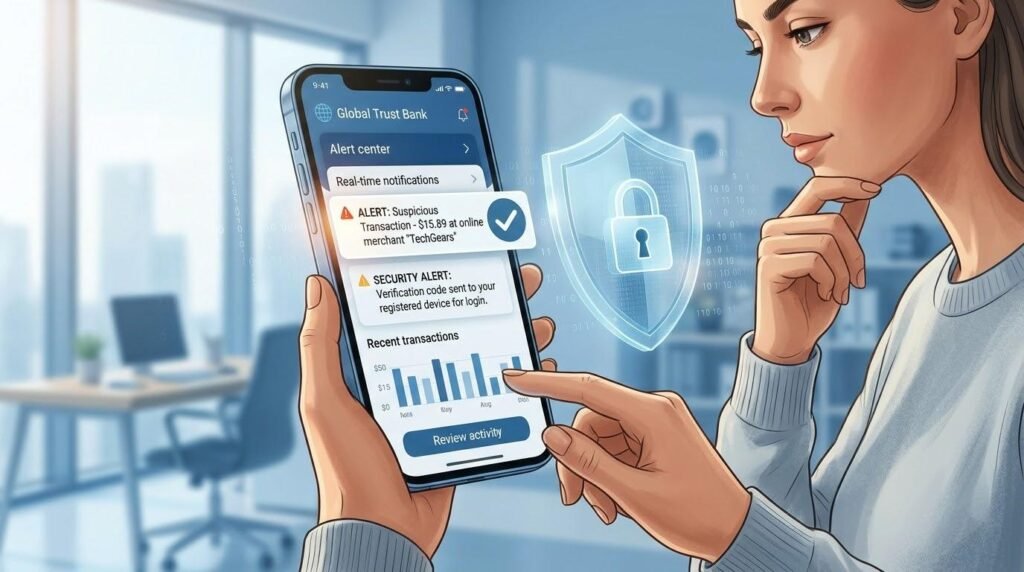
Turning on transaction alerts will help keep track of your account. Many banks will send alerts via SMS, email or app when you make any transactions, withdrawals, deposits or spend using your debit card. Ensure you turn on any alerts and choose the options that will notify you of any important activity. These alerts will help you spot any suspicious activity before any more money is lost. If you receive an alert about an unauthorized withdrawal you should be concerned. If you receive any unexpected alerts, check what they are about and contact your bank using an official method. Being aware of any alerts will help you spot any fraud quicker.
11. Keep an Eye on Your Statements
Keeping a close eye on your statements will help you spot any suspicious activity. Sometimes criminals will make small payments to see if your account or payment card is active. Make sure you keep an eye on any large or small payments. This includes any unexpected subscriptions, unexpected charges and regular payments. Try to check your banking activity weekly or if you have made an important transaction. If you notice any unusual activity, contact your bank immediately. Keeping a record of any legitimate payments will help you spot any discrepancies.
12. Keep your Personal Information Private on Social Media
If you share too much personal information online you could be putting yourself at risk of identity theft and financial fraud. Criminals can gather information such as your birthday, phone number, home address, job details and family members. This could be used to impersonate you, answer security questions or create realistic scam messages. Check your privacy settings and only share limited personal information. Avoid posting any photos of your bank card, ID, statements or anything else sensitive. The less you share the less information criminals can gather.
13. Keep your Phone and Devices Secure
Your phone and computer are likely to contain banking apps, saved passwords, verification codes and personal information which could be exploited by criminals. Ensure you have strong security in place. This includes having a strong lock screen password, biometric verification and auto lock. Never leave your phone unlocked in public and avoid letting anyone you don’t know access your banking apps. Avoid installing any apps from unofficial sources as this could contain spyware. Check the permissions for your apps and uninstall any unfamiliar apps you are no longer using. Enabling location and wipe features will help keep your personal information safe if your phone is lost or stolen.
14. Report any Suspicious Activity and Block your Account
If you notice any unauthorized transactions, suspicious logins, lost debit cards or any possibility your banking details could have been exposed contact your financial institution immediately. The longer you wait to report this more opportunity criminals will have to make any transactions, withdrawals or change your account security. Contact your bank using the official app, verified number or visiting your local branch. Depending on the situation your bank may block any transactions, block your cards, reset your access details or investigate the issue. Keep hold of any relevant transaction reference numbers, messages, screenshots or any other evidence. Reporting any suspicious activity quickly will increase your chances of reducing any financial impact.
15. Know what Security Features your Bank Offers
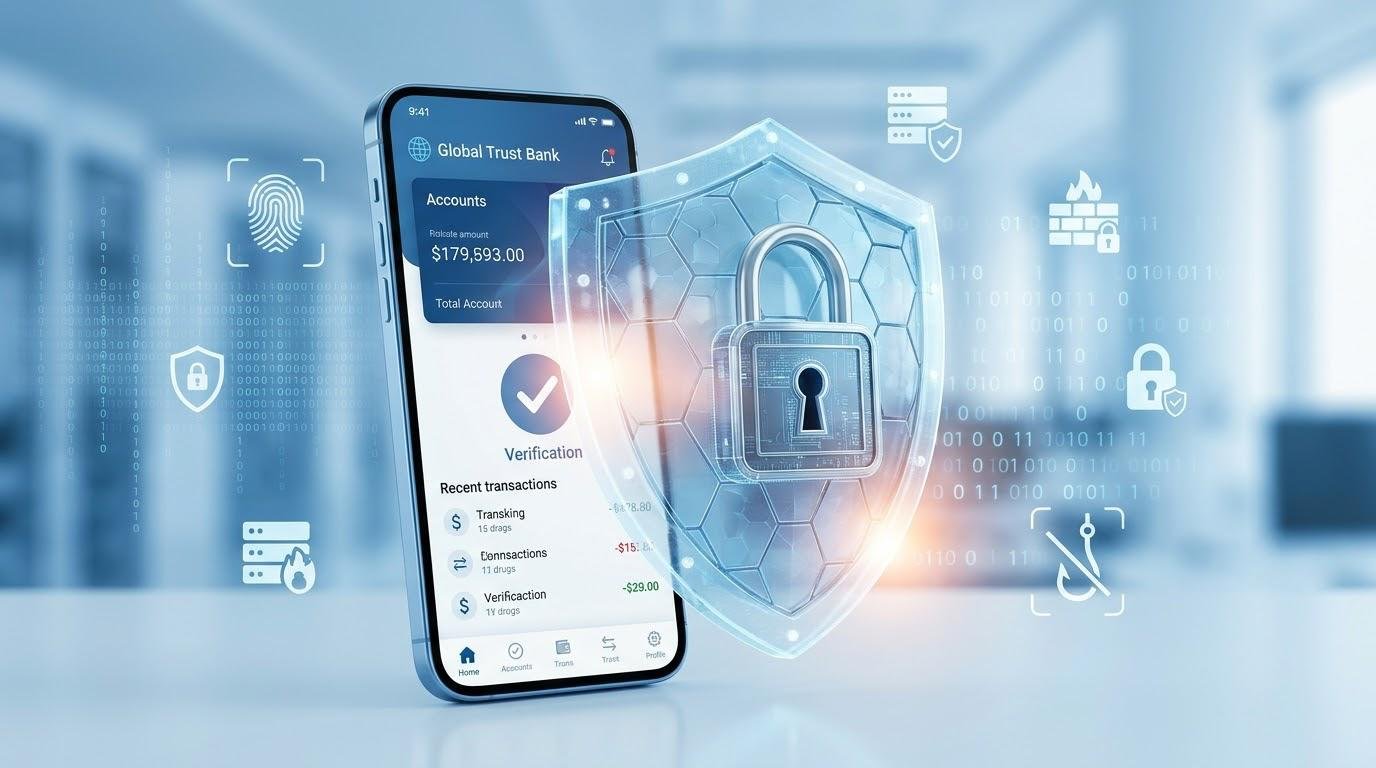
Banks share a responsibility with you to keep your digital banking secure. Many invest in fraud detection systems, suspicious transaction detection, verification, encryption and control over accounts. Some also offer freezing cards, limiting transactions, controlling devices, biometric verification and alerts for any unusual activity. Ensure you know what security features your bank offer and how to use them. These systems won’t guarantee you will be completely safe from any threats however. If criminals are able to trick you into authorizing fraudulent transactions they will be able to get around these systems. Combining the security features your bank offer with your responsible behavior will keep you safer from phishing, identity theft and account takeovers.
Conclusion
Keeping your bank account safe from phishing, scams and identity theft requires constant awareness, knowledge and teamwork between you and your financial institution. While banks are constantly improving their cyber security, you should also take steps to keep your personal information safe. By using unique passwords, 2 factor authentications, confirming messages and avoiding suspicious links you can greatly reduce any risks of financial cybercrime. Stay aware of any new fraud techniques as criminals are constantly changing their methods. Overall keeping your digital banking secure is a shared responsibility. By using safe banking practices and fully using the security features your financial institution offer you can enjoy the convenience of digital banking.
Get more well researched information about Protect Your Bank Account here.