Introduction
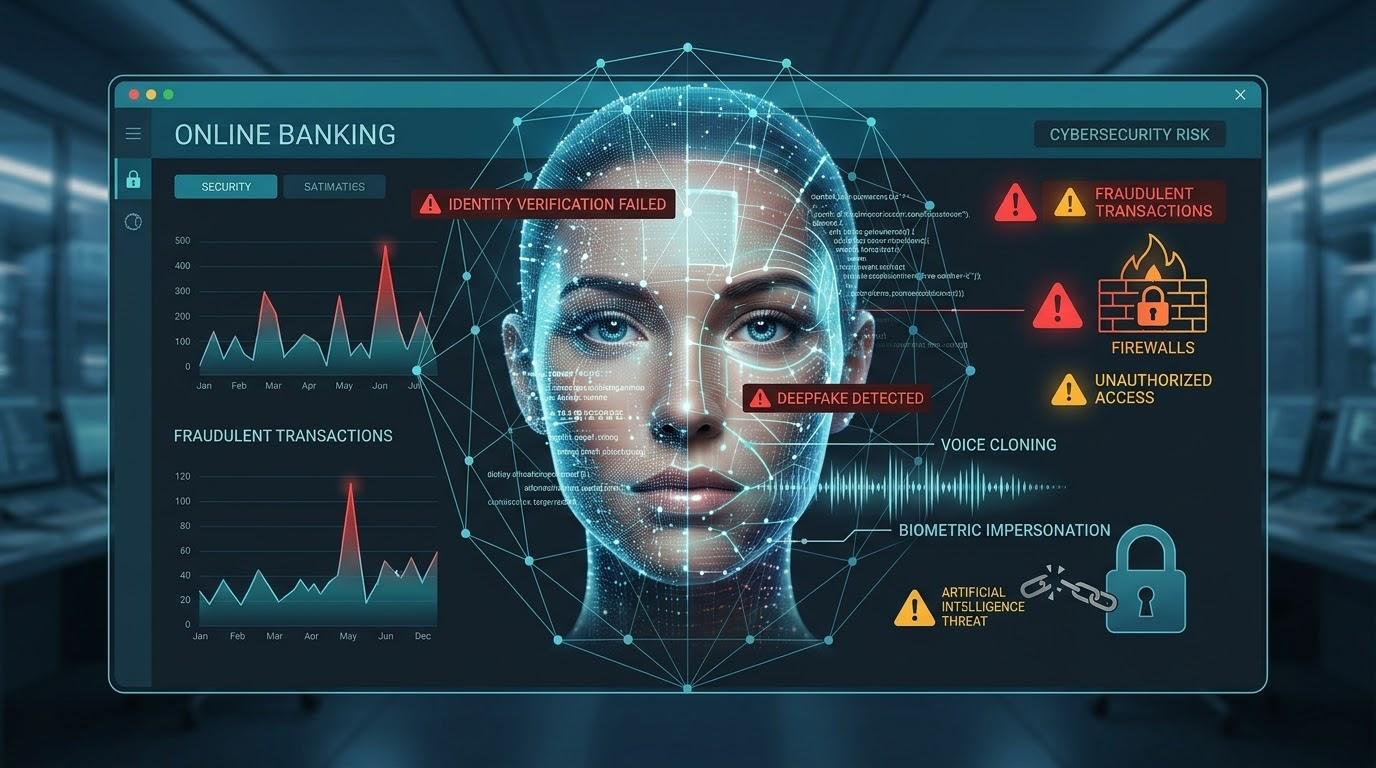
The development of artificial intelligence has improved customer service, increased security, automated processes and made financial services readily available. However, cyber-crimes using artificial intelligence are increasing. One of the biggest issues we are facing is deepfakes. Criminals can use deepfake technology to create realistic fake voices, images and videos of real people. This makes it difficult to tell what is genuine and what is fraudulent. Criminals are increasingly using this to impersonate bank clients, senior members of staff and trusted business partners. As deepfake technology becomes more available it is making financial fraud and identity theft very hard to detect.
Deepfakes are extremely dangerous as they are based on trusting human identity. Employees may recognize the voice of their manager on the phone and feel comfortable making payments. Bank clients may receive a realistic video call. Unfortunately, this is no longer enough to assure people they are talking to genuine people. With voice cloning scams, criminals can use AI to fake someone’s voice and trick people into thinking they are talking to someone they know. To keep your financial information safe it is important to understand how these scams work.
Deepfake Technology and Financial Fraud
Deepfake technology uses AI and machine learning to create and manipulate digital assets. This can replicate facial expressions, speech, looks and voices of individuals. Criminals can take recordings from social media, interviews, presentations, online meetings and other digital sources to create realistic replicas. Some tools can be used to create fake content with minimal original content. This has made impersonation much easier. Criminals can now use AI applications to create realistic content to use in social engineering scams.
Most deepfake financial fraud will use some kind of psychological tactics along with the deepfake content. Instead of trying to hack into systems, criminals may trick employees or customers into giving away confidential information, making payments or changing their details. This is very effective when there is a sense of urgency, fear, secrecy or authority. For example, an employee may receive a video call from someone pretending to be the chief financial officer. They may ask them to make an immediate payment to an urgent business account. As they look familiar and have an authoritative position, they may comply without proper authorization. This shows how deepfake technology can be used to take advantage of peoples trust in humans.
Using AI Generated Voices to Impersonate Individuals
One of the easiest and most concerning ways criminals can use deepfake technology is voice cloning. AI can be used to clone someone’s unique voice. Criminals can use recordings from videos, phone calls, podcasts and social media to create a fake voice that sounds almost identical. This can be used over the phone or in voice messages to impersonate family members, bank clients, company executives and other trusted individuals. As people often recognize voices they know, this can make requests look genuine. If the criminal also knows personal or professional information about the target it can make the request seem even more genuine.
Criminals may impersonate bank clients to ask for their password to be reset, phone number to be changed, account information or ask customer service to bypass verification. They may impersonate an executive within the business and ask an accounting member of staff to release funds urgently. They may also pretend to be a client with compromised accounts and ask a representative to move money into another account to keep them safe. This shows why you should never trust a voice if it sounds familiar. Financial institutions should have voice recognition systems in place alongside other verification methods.
Deepfake Videos to Impersonate Executives
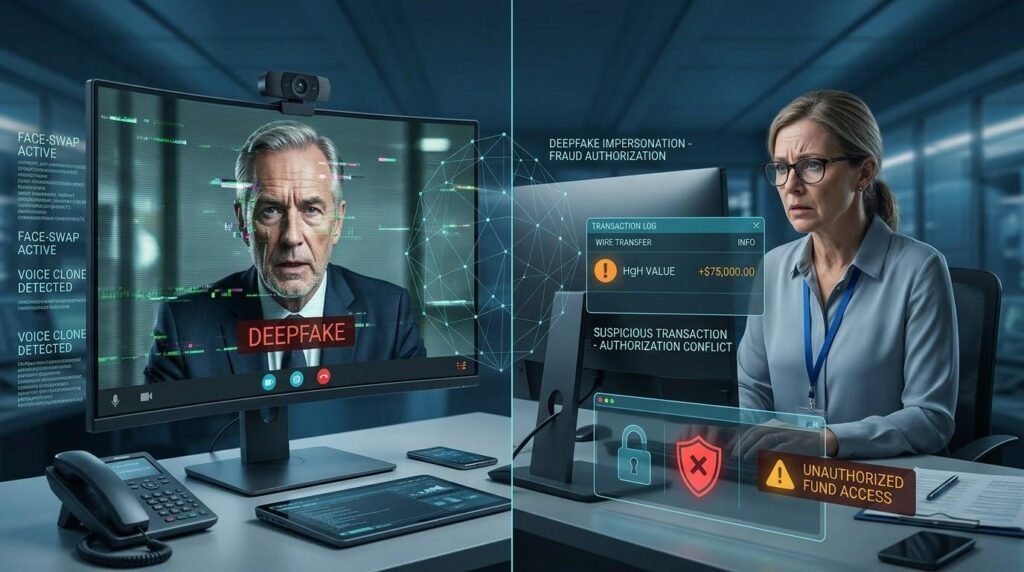
Deepfake videos can add another complication to financial fraud. Criminals can impersonate someone by replicating their looks and voice. Using deepfake software criminals can create videos or use manipulated video calls to pretend to be an executive, financial advisor, employee or business partner. The videos may look so realistic they can trick unsuspecting individuals. Criminals can use photos and videos from the internet to create these. Senior executives may be targeted as they often have professional looking photos and communication styles online. A realistic video can be a powerful tool in making individuals feels they have a false sense of credibility.
One of the biggest issues is when criminals use deepfake videos to request payments. An employee may be invited to attend an online meeting with several senior members of staff. During the meeting someone may pretend to be the finance director and ask them to make a payment to an unknown account due to a confidential acquisition or urgent business matter. As there are several people in the meeting they may feel like they have been authorized. However, the whole meeting may be fake with manipulated identities. Losses can occur if employees trust the visual appearance of the individuals.
Synthetic Identity Fraud
Deepfake technology can also be used for synthetic identity fraud. This is when criminals use a mix of real and fake information to create an identity that doesn’t belong to a real person. For example, they may use a real ID number alongside a fake photo, made up personal information or manipulated documents. This can be used to open fake bank accounts, apply for loans, credit facilities or access financial services. Synthetic identity fraud is different to traditional identity theft as it is creating a new identity using mixed information. This can make investigations harder as some of the information may look genuine.
Financial institutions will find it challenging to identify synthetic identities. Criminals can manipulate many parts of the application. They can use fake ID photos, fake documents, manipulated videos and voice cloning to help with their fraudulent applications. Some criminals will even create a financial history for the synthetic identity. This can make automated onboarding systems struggle as the information looks consistent but there isn’t a real individual. Banks will need to look at more than just the accuracy of the documents. They will need to check the consistency of the identity information, evidence provided, unusual application patterns and any links between accounts.
Why Deepfakes Make Identity Verification Harder?
Many identity verification processes use passwords, security questions, ID, facial recognition, voice recognition and video verification. Whilst these are useful, deepfake technology is highlighting the issues with using too much of one verification method. Voice cloning can trick voice recognition systems and manipulated images can trick poorly designed facial recognition. Criminals can use stolen personal information to answer security questions and create realistic ID. Financial institutions can no longer assume someone is genuine just because they have provided the right information. More thorough identity verification processes are required.
It can be difficult to identify deepfakes. Some manipulated recordings will have obvious issues such as unnatural facial movements, unusual speech, irregular blinking and lips not matching the voice. However, AI is becoming better and these signs are becoming harder to spot. Compressed recordings, poor internet connections and low quality recordings can make genuine recordings look unusual. Financial institutions will need to use more advanced verification systems. These will look at the digital content alongside transaction activity, device information, account activity and other signals. Human verification will still be important as automated systems can give false alerts. To keep individuals safe technology, awareness and well-designed verification processes should be used.
Security Measures Financial Institutions Take to Spot Deepfake Fraud
Financial institutions are taking steps to improve their identity verification and fraud detection. Liveness detection can be used to check if someone is really present during the verification process. Advanced systems may check for unusual visual activity by analyzing facial movements, depth, light and other signals. Banks can also use presentation attack detection to spot when someone is trying to trick biometric systems using fake replicas. However, this should not be used alone. Using document verification, device intelligence, behavioral analytics and extra verification will be more effective. This is especially important if the customer is asking to make sensitive changes or high value payments.
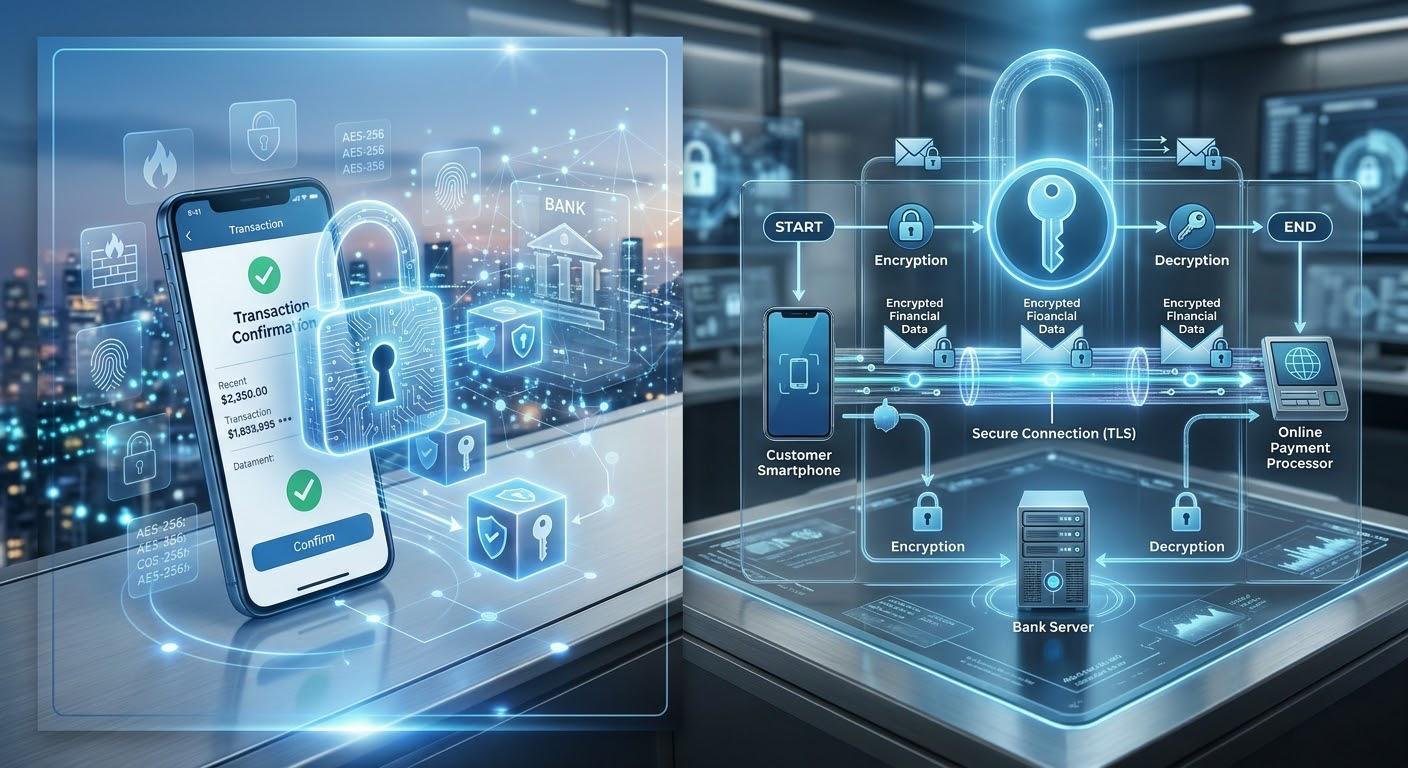
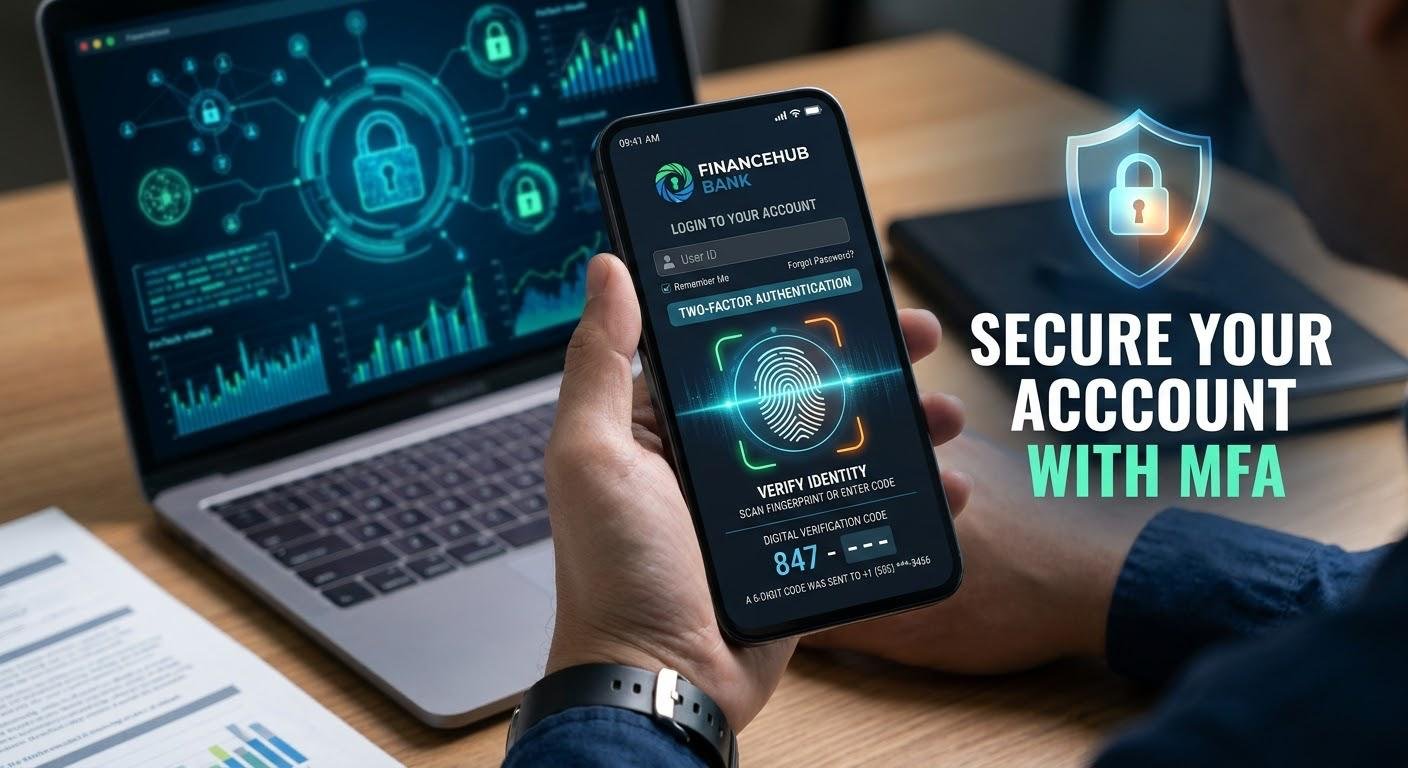
AI can be used to help identify suspicious activity. Machine learning can be used to spot unusual activity by looking at transaction history, payment destinations, account activity, device changes and unusual communication. For example, if a customer suddenly wants to make a high value payment to an account they haven’t used before, the bank may flag this, if they also want to change important security information shortly before making the payment. Some institutions use digital forensics to analyze unusual audio and video to see if they have been manipulated. Using multi factor authentication will add another layer of protection by requiring further evidence such as an authentication app or hardware token. This will make it less likely that a realistic deepfake can be used to gain unauthorized access.
Realistic Ways to Prevent Deepfake Financial Scams
There are many things individuals and businesses can do to help prevent scams. The best thing to do is verify unusual requests. If someone claiming to be a bank representative, manager, supplier or business partner asks you to make an urgent payment, you should stop the conversation and contact them using a verified phone number. Don’t use the contact details they have provided as they may be providing fake numbers, emails or links. Just because they sound genuine doesn’t mean they are.
Businesses should have clear processes in place for approving payments. If they need to make a high value payment, change supplier bank details or make unusual payments they should require 2+ authorized members of staff to authorize. They should also require verification using a different communication method. Employees should be aware that just because they are a senior member of staff doesn’t mean they are genuine. Urgent requests shouldn’t override normal processes. Businesses can also set limits on transactions, restrict payments and require extra verification when adding new beneficiaries. This will reduce the chances of just 1 employee being tricked into authorizing a large fraudulent payment.
Individuals should try to keep their digital information safe. Criminals often use public information to create the content they need. Try to limit how much audio and video you post online. This will make it harder for criminals to gather suitable recordings to clone voices and manipulate faces. Avoid giving out sensitive financial information, passwords, one time passwords and authentication codes over the phone or video call. Banks will have processes in place to deal with customers. Customers should use official apps, websites or verified phone numbers. If someone says your account is at risk and needs to be dealt with urgently you should contact your financial institution using a different method.
Employee Awareness
Many deepfake scams will use human behavior to trick individuals. Financial institutions and businesses should provide regular training to employees to help them spot when someone is trying to impersonate them, make unusual payments, ask for unusual account changes or unusual communication. Training should include realistic examples of AI voices, manipulated videos, scam emails and synthetic identity applications. Employees should be aware of how criminals will use urgency, secrecy, authority and emotional pressure to try and prevent them verifying. Regular security training will help employees become more confident with dealing with suspicious requests. It is important to create an environment where employees feel comfortable to question unusual requests and report any potential fraud.
Clear policies should be put in place to help with training. This will show employees how to deal with sensitive financial requests. Businesses should have a list of trusted contacts with verified information for executives, suppliers, financial partners and other authorized individuals. Any changes to beneficiary account details should require extra verification. High value payments should also require multiple approvals. Financial institutions should have processes in place to report any suspected deepfake incidents. They should also have processes in place to investigate unusual customer interactions. Suspicious transactions should also be paused if needed. Working together with banks, technology providers, regulators and law enforcement will help. Knowing what the most common methods of attack are will help institutions identify patterns and improve their security.
The Future of Financial Security
As AI develops deepfake technology will become more advanced and readily available. Criminals may use a mixture of voice cloning, manipulated videos, synthetic identity, stolen credentials and automated social engineering to create scams that are hard to spot. However, financial institutions will continue to invest in advanced biometric verification, AI fraud detection, behavioral analytics and strong verification. It will be important to strike a balance between keeping individual’s safe and keeping things easy for customers. Financial organizations must implement strong security measures without making genuine banking processes complicated. They will also need to regularly review their security policies. The methods used to detect deepfakes may not be as effective in the future as criminals are creating more advanced methods.
Conclusion
Deepfake technology is changing how financial fraud and identity theft happens. It is making it easier for criminals to impersonate those they trust. Using AI voices, fake videos, fraudulent payments and synthetic identity can trick traditional verification methods and leave individuals and organizations vulnerable to large financial losses. Whilst financial institutions are investing in AI, biometric verification, multi factor authentication and transaction monitoring to detect scams, it cannot be completely prevented. Individuals should always verify unusual requests. Businesses should have secure verification processes in place. However, you should never trust someone just because they sound familiar, look familiar or have a realistic video. To create a more secure financial environment a combination of reliable technology and knowledgeable individuals should be used.
Get more well researched information about Deepfake Technology here.