Introduction
With the introduction of digital banking people can now easily complete financial transactions. Money can be transferred, bills paid, cash withdrawn and online purchases made within seconds. However, there has also been an increase in financial fraud through digital payments. Criminals are taking advantage of card fraud, hacked accounts, ID theft and online hacking techniques to steal customers’ money. To help banks identify any suspicious activity, they need to implement effective systems. One of the key technologies used to help identify any suspicious activity is real-time transaction monitoring. This will help financial institutions identify any unusual activity within payments.
What is Real-Time Transaction Monitoring?
Real-time transaction monitoring can be used to monitor financial activity as it happens. This means that financial institutions can use automated systems to instantly monitor payments. They can monitor key factors, such as how much is being transferred, who the money is going to, where the payment is being sent from, what device is being used and how much the customer usually spends. This will help identify if anything appears unusual.
The primary purpose of this technology is to help identify any suspicious financial activity. If a customer starts making multiple expensive payments from unknown international locations, when they usually make small payments within the country, this may be flagged up as unusual. Depending on the risk level, the bank may ask for extra verification, contact the customer or stop the payment from being processed. This helps financial institutions provide a safe payment system.
How Banks Identify Suspicious Transactions
1. Rule-Based Transactions
Rule-based transactions are used to identify any suspicious payments. This means that banks will set rules to identify if a transaction falls into the category of being suspicious. They will create rules based on common fraud, regulations, customer activity and previous security issues. For example, multiple withdrawals, high-value payments, multiple failed payments and payments from locations known to be linked to fraudulent activity. If a transaction matches any of the suspicious criteria then an alert will be raised.
Whilst rule-based transactions can be helpful they need to be regularly reviewed. Criminals are constantly changing their tactics to avoid detection. This means the rules may become less reliable over time. To help identify any unusual activity, banks will use rule-based transactions along with advanced analytical technologies. This will help them identify any suspicious activity that may not fit into previous fraud patterns.
2. Behavioral Analytics
Behavioral analytics can help banks identify how customers usually use their accounts. They will look at historical data to try to create a profile of how the customer usually behaves. This can be done using factors such as how much they usually spend, where they usually shop, how often they make payments, who they usually pay and what device they usually use. If they receive a new transaction that doesn’t fit with their usual behavior this may be flagged up as unusual.
For example, if a customer regularly makes small payments using the same mobile device, but tries to make multiple expensive payments using an unknown device, behavioral analytics can identify this and flag it up as potentially suspicious. It can also identify unusual activity such as increased withdrawals, sending money to unknown locations and spending at unusual times. However, this doesn’t necessarily mean fraud has occurred. Customers may be travelling, buying expensive items or have changed their spending habits. The banks will use behavioral information along with extra security checks to decide if they should allow the payment to go through.
3. Risk Scoring
Banks can use risk scoring to identify how likely a transaction is to be fraudulent. They will look at various factors relating to the transaction and give it a score. Key factors may include how much is being paid, where the transaction is coming from, what device is being used, account history, who the money is going to, how many transactions and any previous alerts. If the transaction scores low then it may be allowed to go through. If it scores higher then they may ask for extra verification. If it scores very high then the payment may be stopped.
This helps with identifying fraud as not all unusual transactions will be treated the same. For example, if a customer makes a payment from a new location but all other factors fit with their usual behaviour, it won’t be too concerning. However, if they are using an unknown device, paying a high value and having multiple failed logins then it may be more suspicious. Looking at multiple factors will help banks make more informed decisions. This will help them prevent fraud quicker whilst avoiding causing any unnecessary disruption.
Technologies used to Prevent Payment Fraud
1. Artificial intelligence and Machine Learning
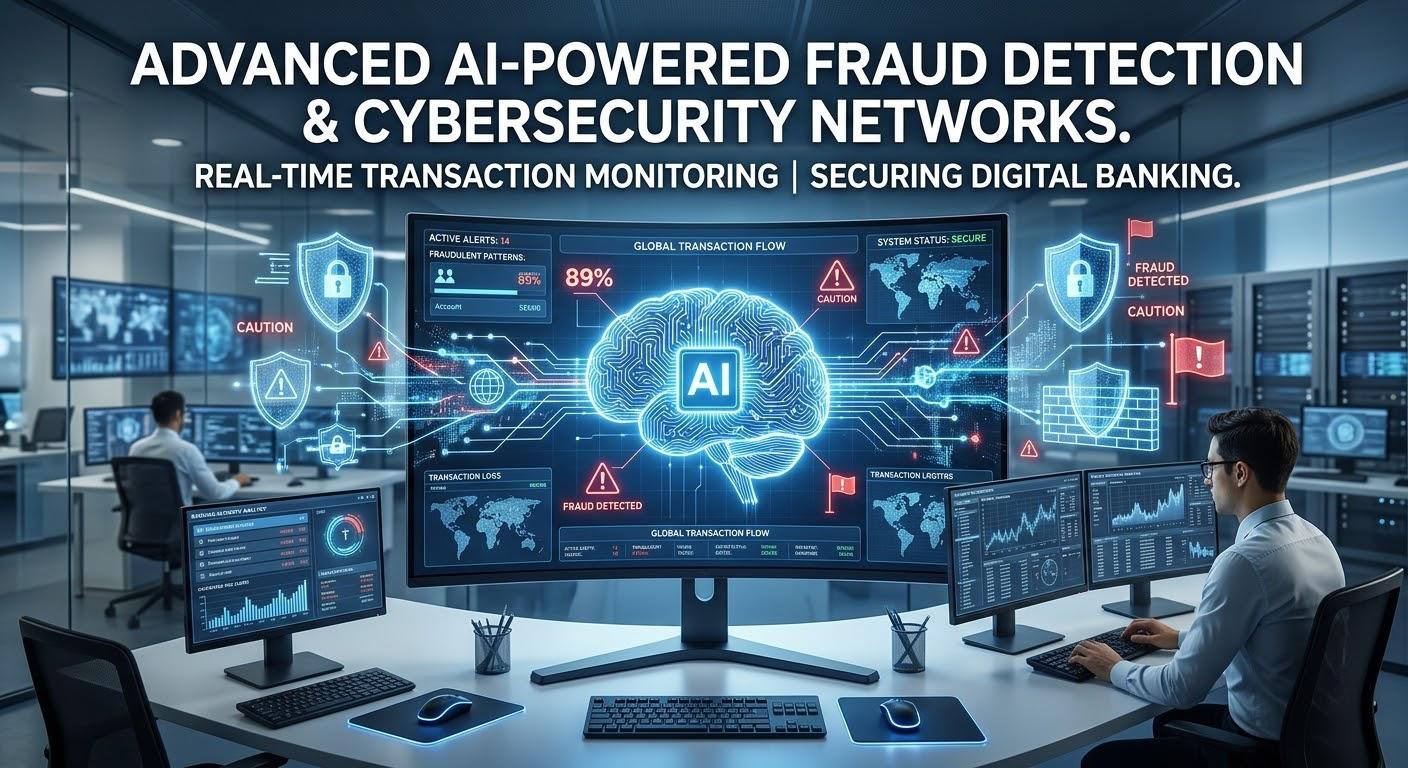
Artificial intelligence and machine learning have become an important tool for transaction monitoring. This will help banks identify complex connections within large amounts of payment data. Machine learning can be trained using historical data to learn from previous transactions. This means they can identify patterns relating to new threats. They can be trained using historical data showing legitimate and fraudulent activity. As they receive more information they can identify patterns that may indicate new threats.
For example, an artificial intelligence system may identify unusual spending, unknown devices, transferring to suspicious locations and unusual times. Whilst each of these may not be too concerning, together they may indicate an attempt to hack the account. The monitoring can identify these factors instantly and give useful information. However, they need to be regularly tested. They also need accurate data. If they aren’t well trained they may incorrectly flag some legitimate payments or miss out on more sophisticated fraud.
2. Automated Alerts
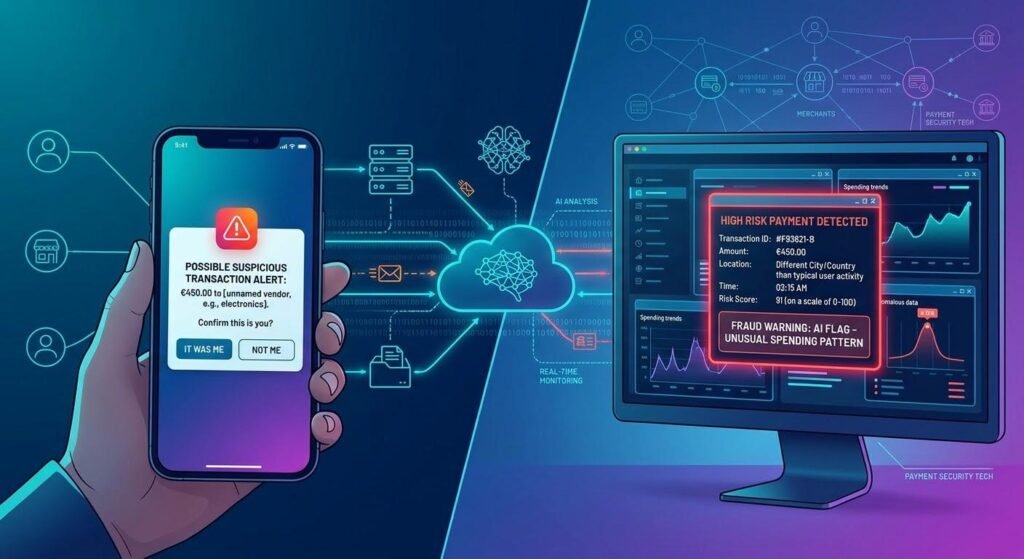
Automated alerts can help banks act quickly to any suspicious activity. If a payment triggers a security rule or a high risk score then they can alert the fraud department or notify the customer. This can be done through the mobile banking app, text, email or phone call. They will often contain information about the payment such as how much was paid, who it was paid to, where and when. This can help customers identify any unusual activity.
If a customer receives an alert about an unknown card payment they may be asked to confirm if they made the payment. If they confirm then the bank may allow the payment to go through. If they deny making the payment then they can investigate straight away. They can stop any further suspicious payments and take steps to secure the account. This creates an important link between banking technology and the customer. It can also help minimize the time taken to identify unauthorized activity. This can help prevent any further fraudulent activity.
3. Payment Hold
If a bank identifies a high risk of fraud they may place a hold on the payment. This means they can verify the transaction before sending the money to another account. This is useful if the monitoring identifies any suspicious withdrawals, high value payments, international payments from unknown locations or potentially hacked accounts. Depending on the situation, they may ask for a one-off password, biometric verification, confirmation through the mobile app or contact the customer.
This can also help protect customers whose card details or banking details have been stolen. If there are multiple unauthorized payments within a short space of time then the bank may place a hold on card payments. If customers notice any suspicious charges they should report them quickly and follow the banks instructions to secure their account. The Consumer Financial Protection Bureau have good guidelines to follow regarding unauthorized card payments. They explain what unauthorized credit card use means. Whilst it can be inconvenient for customers, it can help prevent further losses.
Balancing Fraud Prevention and Customer Convenience
One of the biggest issues with real-time transaction monitoring is ensuring you don’t block legitimate payments. If every unusual payment is blocked then this can provide a good level of security, however it can cause frustration with customers. For example, if they are travelling abroad then they may suddenly start making payments from unknown locations. Or they may be using a new device as they have replaced their old phone. Whilst this is unusual it doesn’t necessarily mean fraud has happened. If the monitoring is too sensitive then they may wrongly flag it up as suspicious. Financial institutions refer to these as false positives.
To help reduce this issue, banks will constantly update their monitoring rules. They may also ask for extra verification depending on the risk level. If it’s low risk then it may be allowed through. If it’s medium risk then they may ask for a confirmation code or biometric verification. Only payments with stronger indicators of fraud may be placed on hold. They will also look at customer feedback, what happened with the transaction and any fraud investigations to help improve accuracy. This will help financial institutions provide a good level of security without causing unnecessary inconvenience to customers.
Problems with Real-Time Transaction Monitoring
There are a few issues with real-time transaction monitoring. Financial institutions will handle a huge volume of transactions so they need reliable systems to analyze payments. The monitoring platform needs to work well with various banking apps, payment processors, card networks and fraud investigations. Any technical issues, outdated customer information or missing transaction information can impact accuracy. They also need to ensure they are keeping sensitive personal and financial information secure as they need to identify patterns in customer’s behavior.
Another issue is fraudsters becoming more advanced. They may use stolen identities, tampered devices, multiple accounts and fast changing transactions to avoid detection. Some may make small payments to create a pattern of normal activity. To help with this, banks need to constantly update their monitoring technology. They need to look into new fraud techniques, train staff and work closely with payment providers and regulatory bodies. Just investing in advanced systems won’t help. They also need to have good processes in place to help prevent fraud. They need to have reliable communication with customers and be able to act quickly to any suspicious activity.
Benefits of Real-Time Monitoring for Digital Payments
Real-time transaction monitoring offers various benefits. Firstly it can help reduce losses by identifying any suspicious activity. Secondly it can help create a sense of trust with customers. Customers are more likely to feel confident using mobile banking, debit cards, online payments and other electronic payment methods knowing unusual activity is being monitored. Lastly it can reduce the workload of manually checking transactions as it is automatically detected. This means fraud investigators can focus on payments that need extra attention.
It can also help with making more informed decisions. Financial institutions can receive useful information to help identify any new threats. By looking at payment patterns they can identify new fraud techniques. This can help improve risk assessments and put in place better security measures. It can also help them get in contact with customers quicker. This can help them secure their accounts. As digital payment methods continue to expand, real-time monitoring will be an important aspect of the systems in place.
Conclusion
Real-time transaction monitoring has become an important part of banking security. This allows financial institutions to identify and act upon any suspicious payments. Banks can use rule-based transactions, behavioral analytics, risk scoring, artificial intelligence, automated alerts and payment holds to identify any unusual financial activity. However, financial institutions also need to consider customer convenience. They also need to reduce false positives, keep sensitive information secure and constantly improve their fraud detection systems. This will help create a safe digital payment environment. Customers will be able to enjoy quick and flexible payment methods. As payment technologies continue to evolve, real-time monitoring will remain an important aspect of keeping customers’ accounts secure and building trust in digital banking.
Get more well researched information about Real-Time Transaction Monitoring here.