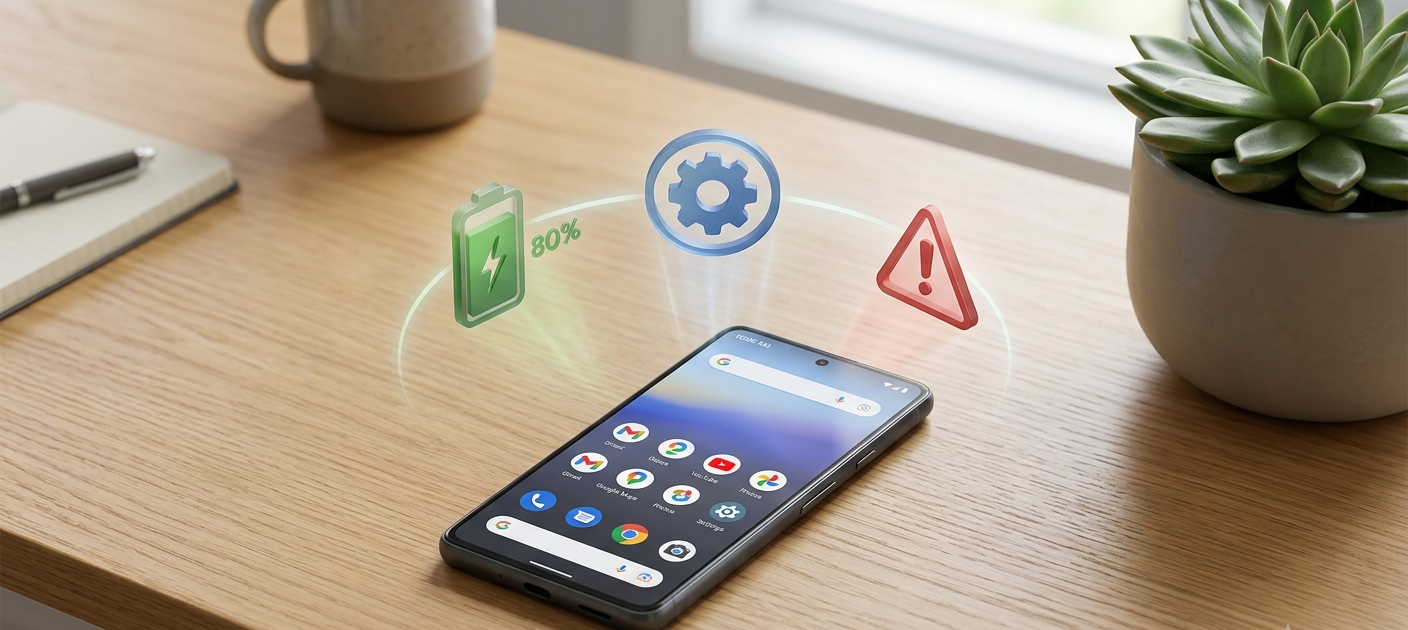
Android mobile phones are popular because of their versatility, low cost and ease of use. However, Android Smartphones like any electronic device can have problems that hinder them from performing as they should and are usable. The most frequent issues include battery depletion, app crashes, storage issues, and sluggish performance, all of which can be a pain for tech-savvy users alike. There are many people who instantly think of going to the repair professional, but the great thing is that many of these problems can be taken care of on their own with the right procedure. This guide will show you step-by-step solutions for solving common Android problems which will save your time, money and stress.
Knowing how to deal with common problems in Android.
It’s important to first realize the reasons behind these problems before moving on to solutions. Android devices are a home-grown operating system on a complex hardware/software platform. Common issues include software conflicts, outdated applications, and device management problems all can lead to battery drain, app crashes, and slow performance. Usually, these storage errors relate to when your phone has a very full memory, with apps and system processes working poorly. Understanding the root causes of these problems can help you solve them and avoid them getting repeated.
Troubleshoot all your common Android problems with this detailed guide.
Any behavior that is unusual on your phone requires a systematic approach for determining the cause of the behavior. You can look for effective solutions to common Android problems, including detailed explanations and fixes, from trusted online sources. For more detailed guidance, you can troubleshoot frequent Android issues using a reputable online resource. This resource will give you insights of troubleshooting from system slowdowns to app glitches. The following steps, however, outline some action steps you can take on your device right now.
Fixing Battery Drain Problems
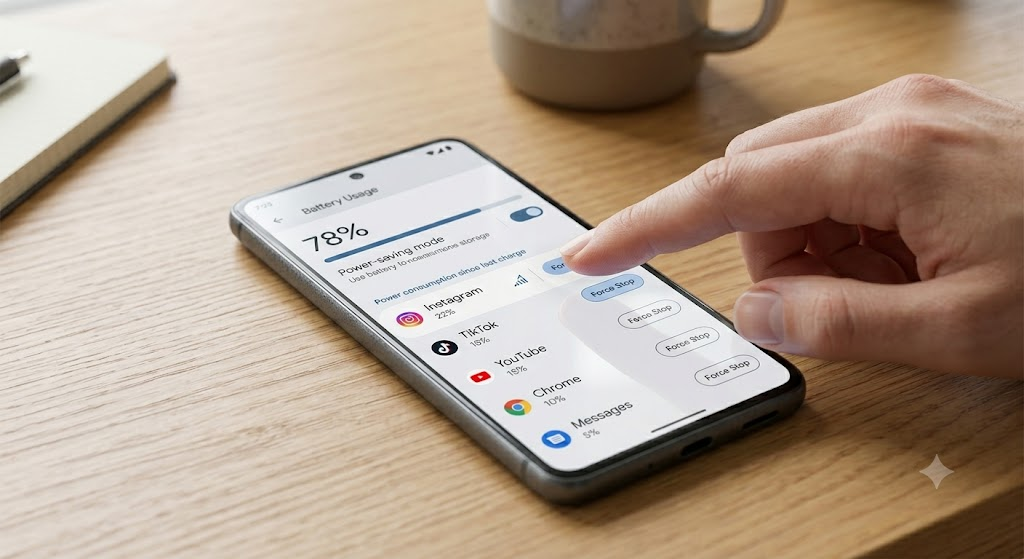
One of the most frequent Android user complaints is battery life. Many issues can contribute to battery drain, such as suboptimal apps, bright screens, constant notifications, and outdated software. The first step to help reduce battery drain is to check the battery usage of apps. Usually, the battery usage report is available in the settings of most Android devices. Look for apps that use more than normal background data and try to limit the amount of background use or remove the app. Also, activate the battery saver and dim the screen brightness. Keeping your phone’s operating system up to date is essential; many updates will feature improved power usage. If the battery keeps draining too quickly, perhaps you need to reset the system, but you may want to back up any data before doing so, and avoid battery replacement unless you must.
Resolving App Crashes
There are several reasons why apps may crash, such as the software being incompatible, the app is outdated, or there is not enough memory. Clear cache when an app keeps crashing, applies to many apps. Storing data in cache may cause corruption and affect the normal functioning of the application. Clear the cache of the app by going to Settings, Apps & Notifications, and selecting the app. If this doesn’t resolve the issue, remove and reinstall the application to refresh its data. Ensure your apps are up-to-date by enabling automatic updates in the Google Play Store. In some cases, the app might be crashing due to problems in the system; restarting your device might fix minor software conflicts. If several apps are crashing at the same time, it may be time for a system update or in the worst case a factory reset to stabilize the system.
Addressing Storage Errors
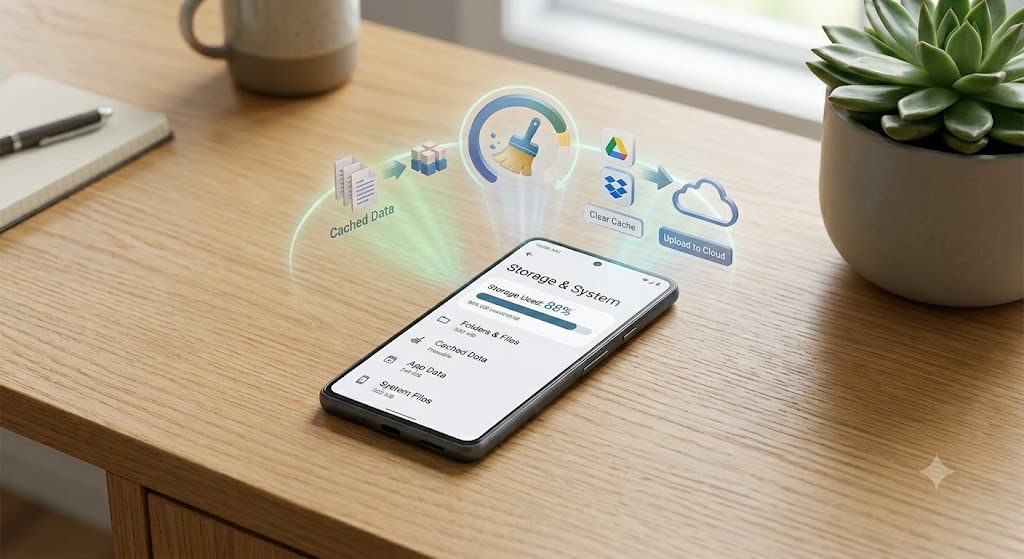
Another common Android device problem is storage. Apps can fail to install if there isn’t enough storage, system processes can run slower, and you may even encounter errors when updating the system. First, look for free space in the Settings menu. Clear out files you don’t need, such as unused apps, duplicate photos, videos, and downloaded documents. You can use cloud storage such as Google Drive or Dropbox to store large files and reclaim disk space. Moreover, you can also free up more space because you clear the cache of the individual apps. Think about using file management applications that will manage the data effectively and pick up any large unnecessary files. Keeping 15%-20% of the storage free is important to ensure smooth device functioning and to prevent frequent storage issues.
Improving Slow Performance
If your Android phone is slow and it is affecting your productivity, then it can become a big hassle. Some causes of slow performance are not enough memory, running too many apps at the same time, and background processes and cache accumulation. First of all, close all app background and restarts your device. Then, clear the system cache in recovery mode or with inbuilt device maintenance tools. The performance settings menu can be optimized by reducing side effects and animations. In order to make it better long-term, try to use lightweight applications or remove bloatware applications that you don’t use often. Keeping your operating system up to date means that the changes and improvements made by the developers can be incorporated into your system, which will run smoothly over time.
Take preventive measures for Android device maintenance
Though troubleshooting is necessary, preventive measures can make it much less likely that a problem will occur again. Start by regularly updating your applications and operating system. One of the most frequent culprits of glitches, crashes and compatibility problems is outdated software. Do not install apps from unknown sources as there are possibilities that the apps are malicious and can affect the performance of the device. Keep an eye on storage; delete unused files regularly. Optimize battery usage by adjusting battery settings and minimizing battery idle times for battery-intensive applications. Also, reboot the phone from time to time to clear the memory and system cache and keep the device running optimally. With these preventative measures, you won’t have to worry about technical problems and can make your Android phone last longer.
Identifying the need for professional assistance
Although troubleshooting can help, sometimes problems need to be addressed by a professional. Issues like broken screens, charging port problems, battery replacement, or hardware malfunction are best addressed by the trained technicians. But many software issues can be solved by following the instructions in this guide. Keep in mind, by solving the issue in a systematic way you will save unnecessary costs and will be able to bring your device back under control without depending on external services.
Conclusion
Android phones are capable of running complex applications and some of the daily tasks too, but are not free from problems like draining of the battery, crashing of apps, error that occurs in the storage and even slow performance. Knowing the root cause of these issues, and understanding how to troubleshoot the problem systematically, will enable you to solve most issues on your own. Preventing recurring problems is vital and is closely tied to regular maintenance, careful monitoring of apps and thoughtful management of devices. Reliable online resources like Android troubleshooting guides and FAQs augment your capacity to fix common Android troubles. By using the appropriate method and being patient with your Android phone, you can help to keep it running smoothly, effectively, and reliably for years to come.