Introduction
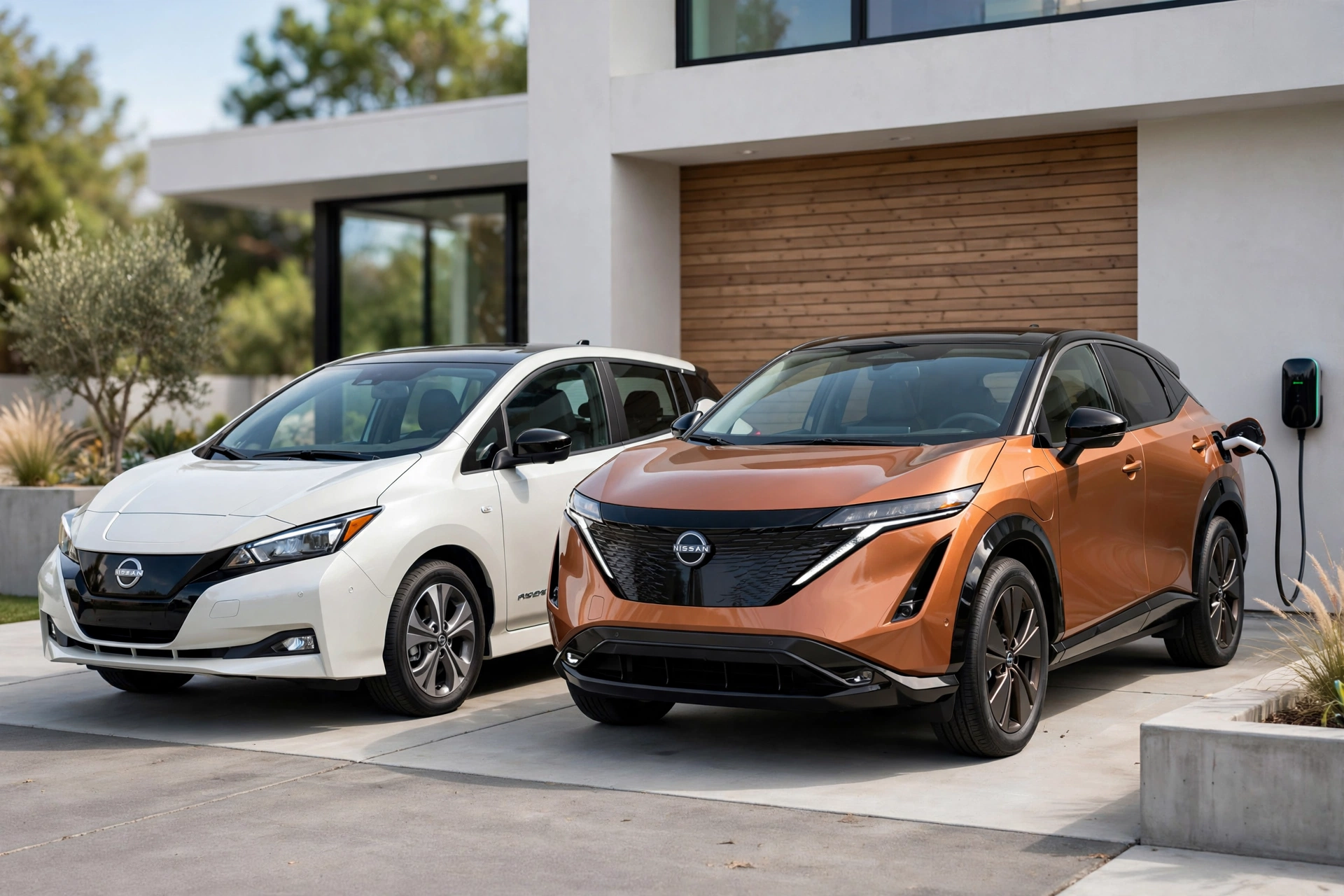
Nissan Leaf and Ariya are leading Nissan’s electric revolution with lower operating costs, quiet performance, and reduced maintenance as compared to their gasoline powered counterparts. In that front Nissan has been very much at the head of the pack for some years now with the Nissan Leaf which was the world’s first large scale electric car put to production and more recently the Nissan Ariya which is a contemporary electric SUV put forth to go head to head with the best of the new generation of EVs. Although both the Leaf and the Ariya are products of Nissan’s push into electricity they are for different markets, price points, and driving requirements.
At that which is put forth for Nissan’s EV lineup it is important to look beyond what is put forward for driving range. Battery size, charging speed, long term health of the battery, maintenance requirements, ownership costs and what is available in terms of incentives all play a large role in which electric vehicle is the right choice for you. In this guide we present how the Nissan Leaf and Ariya do in the real world and we also put them up against the likes of the Tesla Model Y and Hyundai Ioniq 5.
Nissan’s Electric Vehicle Lineup
Nissan’s Leaf is still the go to economic and popular electric car choice today. It is a compact hatchback which mostly caters to commuters and urban drivers that require an efficient vehicle with low running costs. Over the years Nissan has been improving the Leaf with better battery options, including safety features and also better performance which makes it a practical choice for those buyers which are new to the EV market.
Nissan’s Ariya is the company’s new generation of electric vehicles. Different from the Leaf which was their first foray in the electric market, the Ariya is a mid size SUV with a much more premium feel, a very large interior space, and which goes a lot further in terms of driving range. Also it has the option of the e-4ORCE all wheel drive, the best in class in terms of driver safety features and a much improved cabin feel. For those that want a better comfort experience, room for a whole family, and the ability to travel long distances without having to charge the Ariya will be the better choice.
Battery Options and Real-World Driving Range
Nissan Leaf Battery and Range
Nissan Leaf has the choice between a 40-kWh battery and a bigger 60-kWh battery. In the base model the EPA estimates range at about 149 miles which goes up to around 212 miles with the larger battery at full charge. As for what you will get out of it in real world driving that is a different story. Weather, speed, terrain, passenger load and use of climate control all play a role. In cold weather and during long highway drives you will see reduced range, but in city driving we see regenerative brake action which in turn improves efficiency.
For a large part of the commuter population the Leaf has sufficient range for everyday tasks which is great. In terms of short distance travel you can plug it in at home at night, but for the long distance highway drivers which are a part of the population we put out there is the larger battery option which in turn provides more flexibility and less charge stops.
Nissan Ariya Battery and Range
Nissan offers the Ariya in a variety of battery and drivetrain options which include front wheel drive and e-4ORCE all wheel drive. What you get with each model is variable but we see range up to approx 304 miles which places this car among the top in its class for electric SUVs. Also the larger battery size means you may go for longer between charges.
In real world use the performance is very good under normal driving conditions which is true, at the same time range does see a drop in cold weather, aggressive acceleration, or on the highway. Also the Ariya’s larger battery pack does give you more confidence for long distance travel which in turn makes it a better choice for families or drivers that do a lot of travel.
Charging Times and Ownership Costs
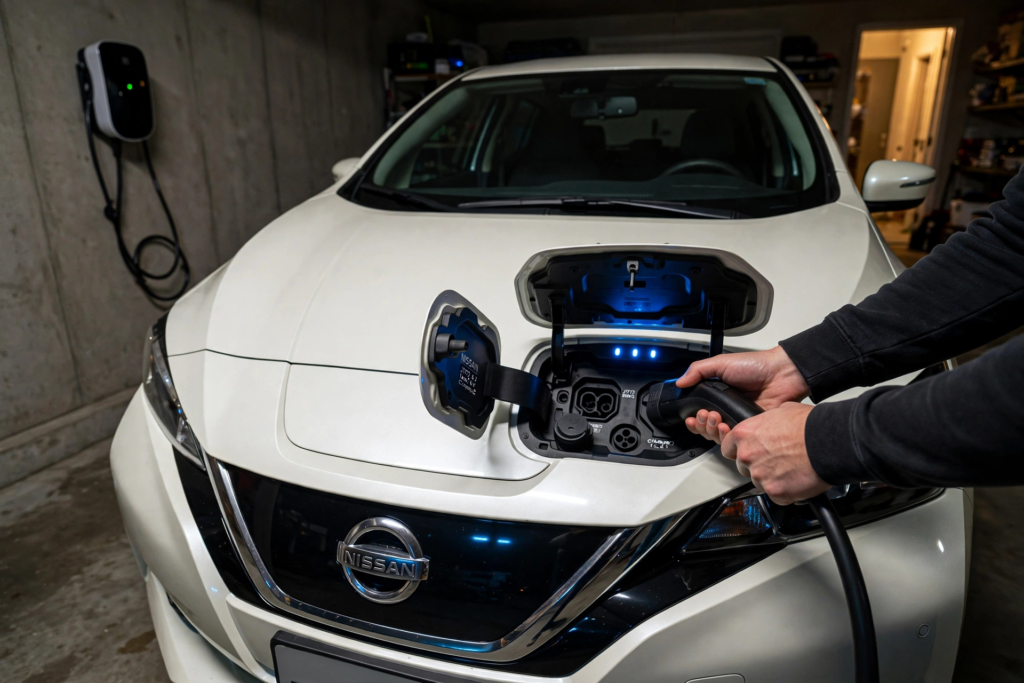
Both Nissan Leaf and Ariya are equipped with Level 1 charging which comes from a home outlet, Level 2 which charges at home or public stations, and DC fast charging which we see at public stations. Level 1 is the slowest which may put you at over 20 hours for a full charge, but getting a Level 2 home charger sees most users charging fully in the night. Public DC fast chargers do great during long trips which see reduced charge times, though charge rate does slow as the battery nears full.
One out of the top benefits of a Nissan EV is that you see a great drop in day to day operating costs. At home you will pay more to charge but this is usually still a lot less than what you’d spend on gas. Also although public fast chargers do not come with the cheapest options they in total do not add up to that of what you would put into a regular car, also which in the end does in fact even out the higher purchase cost.
Battery Life and Maintenance
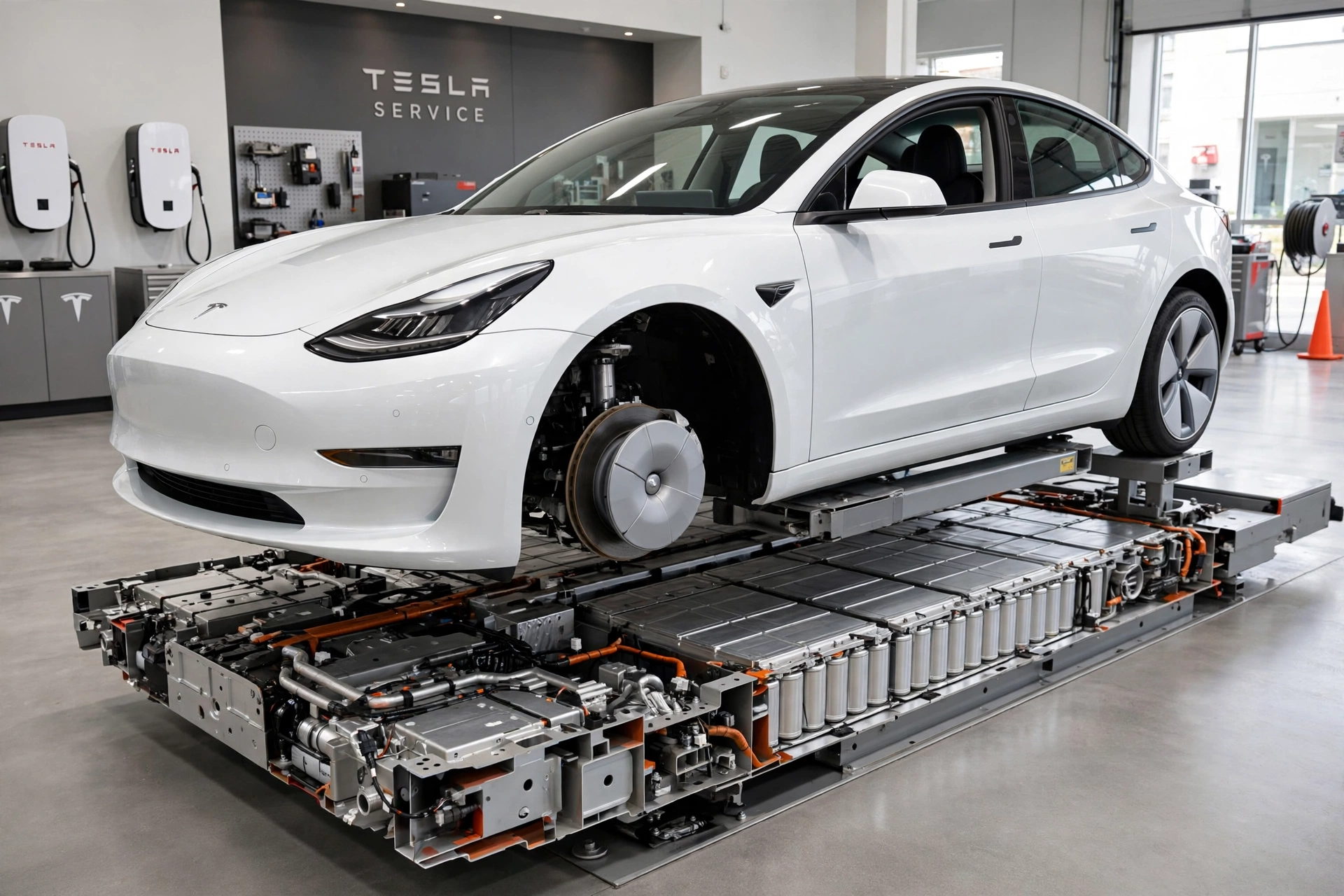
Modern lithium ion batteries are designed to last for many years and we have seen continuous improvement in battery tech across the Leaf and Ariya at Nissan. While battery degradation is a natural process which happens with time it is also affected by what climate you are in, your charging practices and the use of fast charge. Earlier Leaf models saw greater battery degradation in very hot weather, out of that we have put in better battery management systems in the newer models and the Ariya which in turn extends battery life.
Maintenance requirements for electric cars are also a lot lower which is a fact that they have few moving parts. What owners do not see is that we do away with oil changes, spark plug replacements, and many other engine related services. What you will see is that routine maintenance is mostly tire rotations, brake checks, cabin air filter changes, coolant checks if applicable and software updates. Also with the feature of regenerative braking we see that brake wear is reduced which in turn lowers maintenance costs over the life of the vehicle.
Government Incentives and Common Electrical Issues
Many nations and local governments present financial incentives which push for electric vehicle adoption. This may be in the form of tax breaks, grants, lower registration fees, or help with installation of home charging units. Consumers should also check what is current at the time of their purchase as program details and available benefits are subject to change.
Like all modern vehicles, Nissan’s electric cars at times see technical gremlins. We have seen that some Leaf owners have reported a drop in battery capacity after a few years of ownership, at the same time some owners of the Ariya have had issues with the charging port, or the infotainment software. That said these problems are also not very common and for the most part are fixed with a software update or under the terms of the warranty, which in turn also means that both models do very well in terms of overall reliability.
Nissan Leaf and Ariya as Compared to Tesla Model Y and Hyundai Ioniq 5

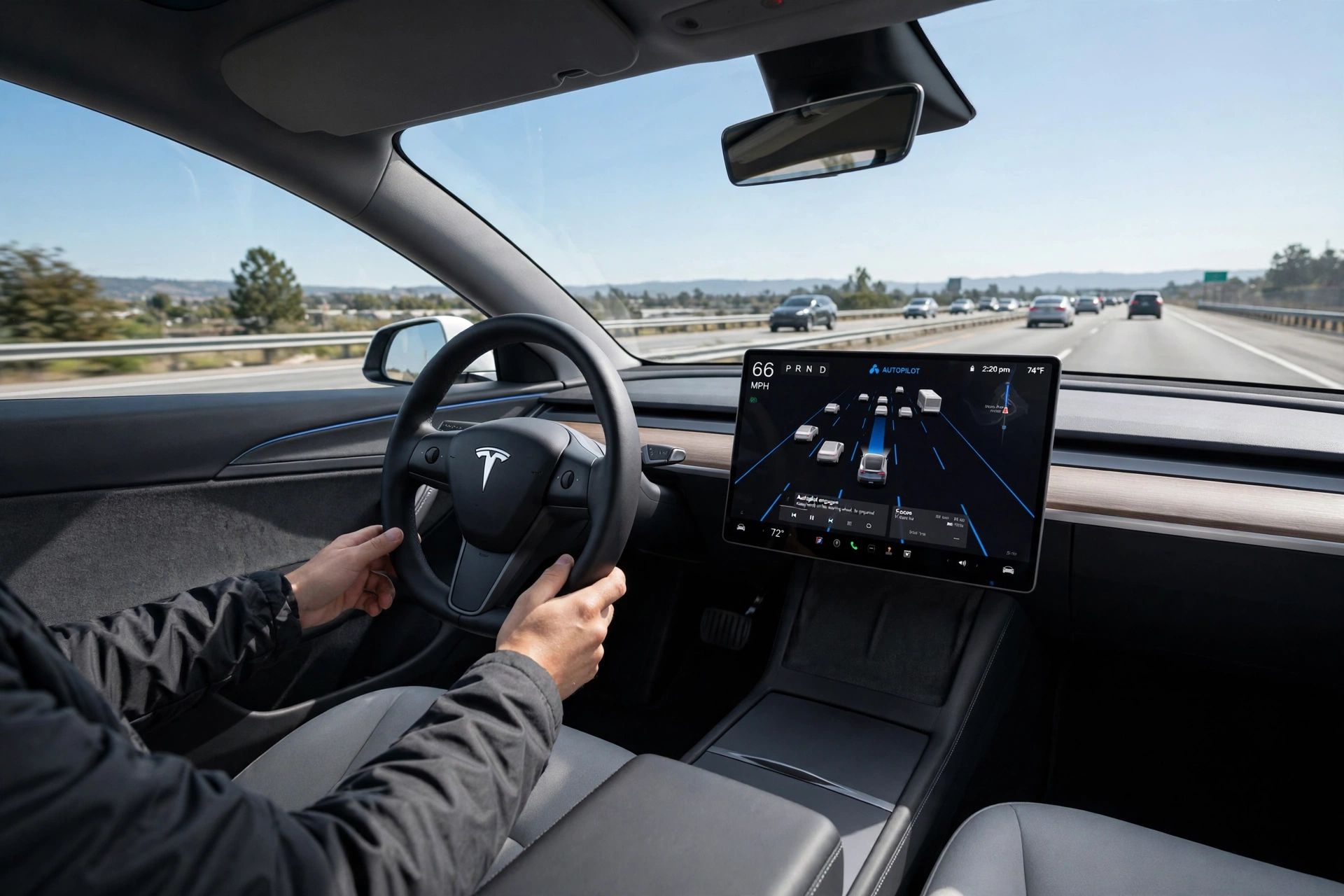
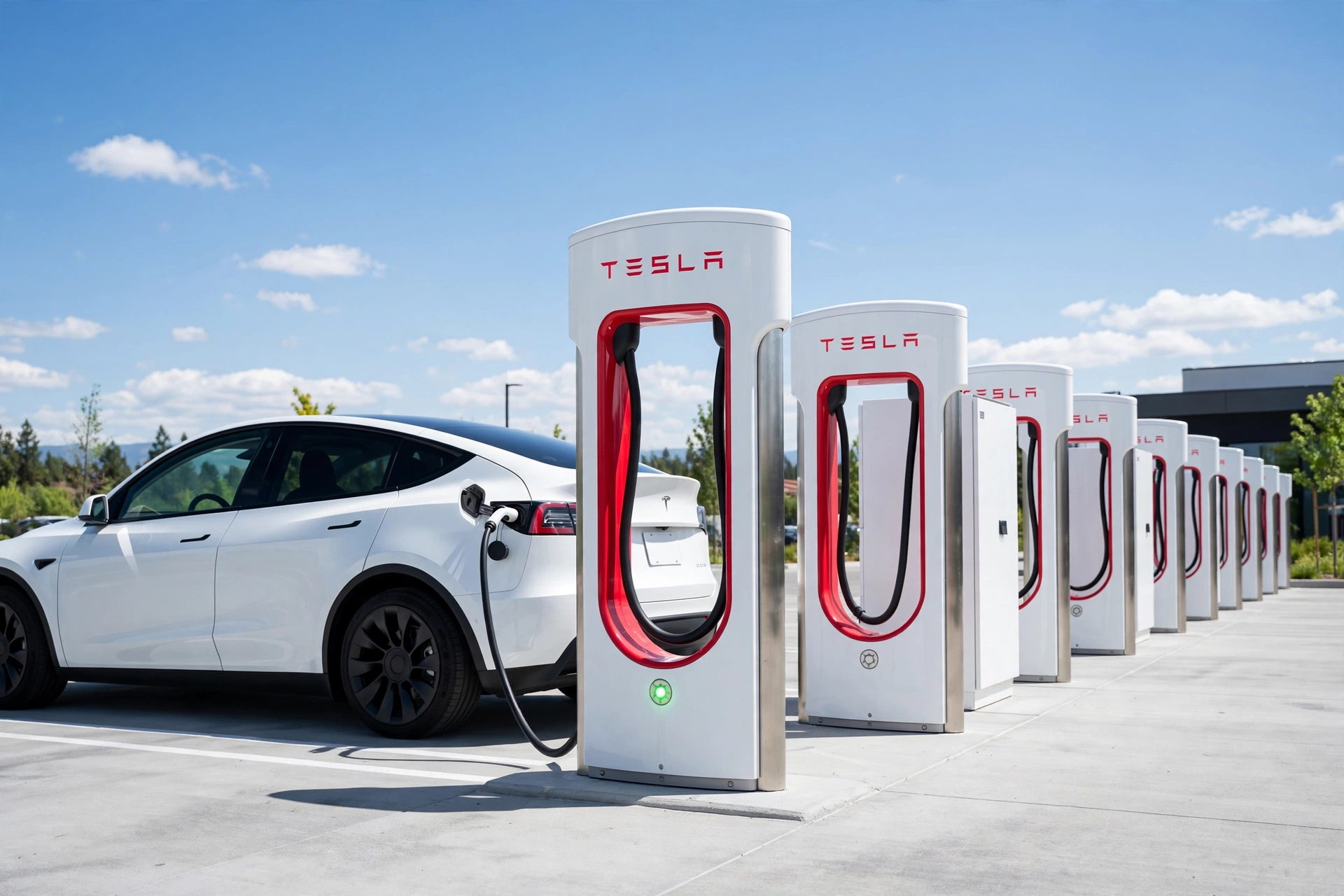
The Tesla Model Y is still a very strong competitor in the field due to its great range, power performance and also extensive Supercharger network. Also the Hyundai Ioniq 5 does very well with its roomy interior, unique design, and very fast charging. In terms of range and charge speed the Model Y does better against the Leaf and in tech and comfort it goes head to head with the Ariya.
Despite competition which is great at what it does, Nissan still puts out great value. The Leaf is still among the most affordable electric cars for everyday get around while the Ariya brings to the table competitive range, premium comfort and advanced safety tech in a practical SUV package. For those that value reliability, low ownership cost and a no frills driving experience you’ll do well with either of Nissan’s models.
Conclusion
Nissan’s Nissan Leaf and Nissan Ariya which are the company’s way to present what we see as a growing into electric mobility with two different options for our diverse set of customers. The Leaf is the choice for those looking for a budget friendly, reliable, and efficient everyday car, while the Ariya we put forward for families and long distance travel which in large part we attribute to its greater range and better technology.
Before you buy into the electric vehicle market do a self assessment of your daily driving routine, what charging solutions are available to you, the cost of electricity, and your budget. Once you have that information in hand it is to be seen that the Nissan Leaf and the Ariya come out as very practical and cost effective choices which do very well in the competitive space of Tesla Model Y and Hyundai Ioniq 5 and also they come with lower maintenance costs and very reliable ownership.