A cracked windshield may seem like a straightforward repair. In many cases, drivers expect an auto glass shop to remove the damaged glass, install a replacement, and return the vehicle within a few hours. However, modern vehicles often have technology built into or positioned around the windshield that makes the repair process more complicated.
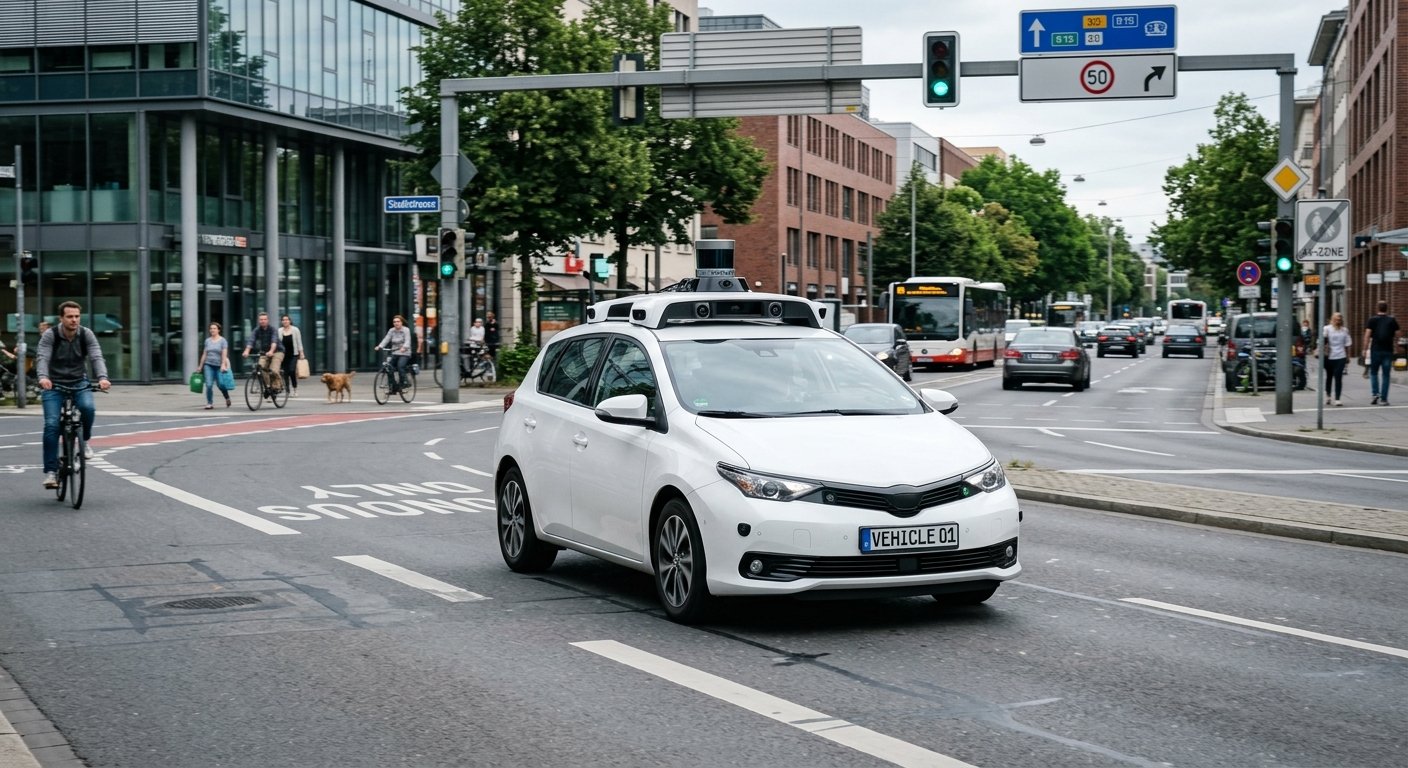
Many newer cars use Advanced Driver Assistance Systems (ADAS) to support features such as lane departure warnings, automatic emergency braking, adaptive cruise control, and traffic sign recognition. These systems depend on cameras and sensors that must maintain accurate positioning to function correctly. When a windshield is replaced, even a small change in camera alignment can affect how these features interpret the road.
As a result, drivers may receive an additional bill for sensor inspection and calibration after what initially appeared to be a routine glass repair. Understanding the reasons behind these expenses can help Texas motorists prepare for the actual windshield calibration cost and avoid surprises when collecting their vehicles.
1. Why Windshield Replacement Isn’t Always a Simple Glass Repair
Windshield damage can happen unexpectedly. A small stone thrown from another vehicle, road debris, sudden temperature changes, or an accident can leave a crack that gradually spreads across the glass.
For older vehicles, replacing a windshield was generally a relatively simple process. Technicians removed the damaged glass, prepared the frame, installed a new windshield, and checked the seal. Modern vehicles, however, have additional components that make the job more technical.
Many manufacturers install cameras and other equipment near the rearview mirror or behind the windshield. These components are carefully positioned to monitor road markings, nearby vehicles, pedestrians, and potential obstacles.
Replacing the glass can affect the position, viewing angle, or mounting location of these cameras. Even when technicians use replacement glass that meets the vehicle manufacturer’s specifications, the camera may still require recalibration.
This means the final windshield replacement cost Texas drivers receive may include more than the glass itself. Labor, materials, camera calibration, diagnostic testing, and other related services can all influence the estimate.
2. What ADAS Technology Does in Modern Vehicles
Advanced Driver Assistance Systems are designed to support drivers by monitoring the surrounding environment and providing warnings or limited automated assistance. These systems have become increasingly common in passenger cars, SUVs, and pickup trucks.
Depending on the vehicle’s make, model, and equipment package, ADAS may include several features.
Lane Departure Warning: This feature monitors road markings and alerts drivers when the vehicle begins moving out of its lane without signaling.
Automatic Emergency Braking: The system detects certain potential collisions and may apply the brakes if the driver does not respond quickly enough.
Adaptive Cruise Control: This technology adjusts vehicle speed to help maintain a selected distance from the vehicle ahead.
Forward Collision Warning: Cameras and sensors monitor the road ahead and alert drivers when a possible collision is detected.
Traffic Sign Recognition: Some vehicles identify road signs and display relevant information to the driver.
These features rely on information collected by cameras, radar units, and other sensors. The information must be accurate for the systems to operate as intended.
A windshield-mounted camera, for example, needs a clear and correctly aligned view of the road. If its position changes, the system may misinterpret lane markings or distances. That is why manufacturers specify calibration procedures following certain windshield-related repairs.
3. Why Cameras May Need Recalibration After Windshield Replacement
Camera recalibration is an important part of many modern auto glass replacement procedures. The purpose is to ensure that the vehicle’s driver-assistance camera is correctly positioned and communicating accurate information to the vehicle’s computer systems.
There are several reasons why this process may be necessary.
Camera Position Can Change
A camera mounted near the windshield may be removed and reinstalled during replacement. Even a slight difference in its position can affect the angle at which it views the road.
Replacement Glass May Have Different Optical Characteristics
Not all windshields are identical. Certain vehicles require glass with specific thickness, curvature, brackets, or optical properties. Using an incompatible windshield can interfere with camera operation.
Factory Specifications Must Be Maintained
Vehicle manufacturers often provide specific calibration requirements. Technicians may need to follow these procedures to bring the camera system back within the required operating parameters.
Diagnostic Checks Can Reveal Hidden Problems
Sometimes, a vehicle displays warning messages or diagnostic trouble codes after glass replacement. These may indicate that a camera needs attention or that another component requires inspection.
There are generally two common approaches to ADAS windshield calibration.
- Static calibration: The vehicle is positioned in a controlled workshop environment, where technicians use specialized targets and equipment to calibrate the camera.
- Dynamic calibration: The technician follows a manufacturer-approved driving procedure under specified road and environmental conditions so the system can complete its calibration.
Some vehicles require both methods. The correct procedure depends on the manufacturer’s instructions rather than the technician’s personal preference.
4. Factors That Influence the Final Repair Estimate
The windshield calibration cost can vary considerably because vehicles have different camera systems, equipment requirements, and repair procedures. A basic glass replacement on one vehicle may be very different from a replacement involving several driver-assistance technologies.
Here are some factors that can influence the total estimate.
Vehicle Make and Model
Luxury vehicles and newer models may have more advanced camera systems or specialized glass requirements. These differences can increase parts and labor expenses.
Type of Windshield
Some windshields include acoustic insulation, heating elements, rain sensors, special coatings, or camera mounting brackets. These additional features can make replacement more expensive.
Calibration Method
Static and dynamic calibration require different equipment and procedures. If both are necessary, the overall service cost may increase.
Labor and Diagnostic Fees
Technicians may charge separately for removing components, installing replacement glass, performing diagnostics, and calibrating cameras.
Additional Damage
A cracked windshield may not be the only problem. An accident or impact could also damage mounting brackets, wiring, sensors, or nearby body components.
For this reason, drivers should request an itemized estimate rather than relying only on the initial glass replacement quote.
5. What Auto Insurance May or May Not Cover
Insurance can help reduce the financial impact of windshield damage, but coverage depends on the driver’s policy and the circumstances surrounding the incident.
Some comprehensive auto insurance policies cover windshield damage caused by events such as falling objects, road debris, or vandalism. However, deductibles and coverage limits may affect how much the policy pays.
In certain cases, sensor recalibration may also be covered when it is necessary to complete an insured windshield replacement. Nevertheless, drivers should not assume that every calibration-related expense will automatically qualify.
Before approving repairs, motorists should contact their insurance provider and ask:
- Does my policy cover windshield replacement?
- Is ADAS camera calibration included?
- Does my deductible apply to the glass and calibration separately?
- Must I use an approved auto glass repair provider?
- Are there restrictions on aftermarket replacement glass?
- Is additional diagnostic work covered if a warning light appears?
It is also worth asking the repair shop whether it can communicate directly with the insurance company. This may help clarify covered services before the work begins.
6. When Technology-Related Repairs Exceed the Original Estimate
One of the most frustrating aspects of modern vehicle repairs is discovering additional expenses after the initial estimate has been prepared.
A driver might receive a quote for windshield replacement and expect that amount to represent the entire repair. However, after the damaged glass is removed, the technician may identify a problem with the camera mounting bracket, wiring, or another related component.
Calibration can also reveal diagnostic issues that were not apparent during the original inspection. These additional requirements may increase the final bill.
For Texas drivers, unexpected expenses can be particularly difficult when windshield damage happens alongside other necessary vehicle repairs. A person may already be managing insurance deductibles, regular household expenses, fuel costs, and vehicle maintenance.
When several necessary repairs arise at once, understanding vehicle backed borrowing for unexpected repairs can help clarify one possible financing option. Before considering this approach, drivers should carefully review the fees, repayment obligations, loan terms, and risks of using a vehicle as collateral.
Title-backed borrowing is not suitable for everyone. Failure to meet repayment obligations could put the vehicle at risk, so comparing alternatives is important. Depending on the situation, an insurance claim, repair payment plan, savings, or other financing options may be more appropriate.
The key is to understand the complete repair bill before making a financial decision.
7. Questions Texas Drivers Should Ask Before Approving Repairs
A little preparation can prevent confusion and help motorists make informed decisions. Before authorizing windshield replacement, drivers should ask the repair provider several practical questions.
Will My Vehicle Need Camera Calibration?
Provide the shop with the vehicle’s exact year, make, and model. Ask whether the manufacturer requires calibration after windshield replacement.
Is Calibration Included in the Initial Estimate?
Some repair estimates list glass replacement separately from calibration. Confirm whether the quoted amount covers both services.
What Type of Replacement Glass Will Be Used?
Ask whether the replacement windshield meets the vehicle manufacturer’s specifications and supports the existing camera and sensor equipment.
Will You Provide Calibration Documentation?
Request confirmation that the required calibration procedure was completed. Depending on the vehicle, this may include diagnostic reports or calibration records.
What Happens If Calibration Fails?
Ask how the shop handles failed calibration attempts and whether additional diagnostic or repair charges may apply.
Can You Explain Additional Charges Before Proceeding?
A reliable repair provider should explain unexpected work and obtain approval before adding significant expenses to the original estimate.
These questions can help drivers compare repair providers and avoid authorizing work without understanding its potential cost.
8. Preparing Financially for Unexpected Automotive Technology Expenses
Vehicle maintenance has become more complicated as manufacturers introduce additional electronics, cameras, and safety features. Although these technologies can offer useful driving assistance, they also introduce repair requirements that motorists may not have encountered with older vehicles.
Preparing for these expenses does not necessarily require a large maintenance budget. A few practical habits can make unexpected repairs easier to manage.
Maintain an Emergency Vehicle Fund
Setting aside a small amount regularly can create a financial cushion for repairs that are not covered by insurance. Even modest contributions can become useful over time.
Understand Your Insurance Coverage
Review your comprehensive coverage, deductibles, and glass-related provisions. Knowing what is included before an accident can help prevent unnecessary uncertainty later.
Get Multiple Repair Estimates
When practical, compare estimates from qualified auto glass providers. Look beyond the total price and check whether calibration, diagnostic testing, and replacement components are included.
Prioritize Safety-Related Repairs
A damaged windshield should not be ignored, especially when it affects visibility or structural integrity. Likewise, a camera system that requires calibration should be addressed according to manufacturer guidance.
Ask About Payment Arrangements
Some repair businesses offer payment plans or other arrangements for customers facing larger bills. Ask about eligibility, fees, and payment deadlines before agreeing to any arrangement.
Avoid Making Financial Decisions Under Pressure
When an unexpected bill arrives, it can be tempting to choose the fastest available financing option. However, reviewing the total repayment amount and comparing alternatives can prevent a difficult situation from becoming more expensive.
Planning ahead is particularly useful for drivers who depend on their vehicles for commuting, family responsibilities, or work.
Final Thoughts
A cracked windshield may look like a minor problem, but modern vehicle technology can make the repair process more involved than many drivers expect. Cameras, sensors, and Advanced Driver Assistance Systems often require additional attention when the windshield is replaced.
Understanding the reasons behind camera recalibration, the factors that influence repair estimates, and the role of insurance can help Texas motorists prepare for the full expense.
The most important step is to request a detailed estimate before approving the work. Drivers should confirm whether calibration is required, ask about additional charges, and make sure the necessary safety checks are completed.
Unexpected automotive expenses are not always avoidable, but informed decisions can make them easier to manage. A little preparation can help protect both a vehicle’s safety systems and the household budget.
FAQs
1. Why does a windshield replacement require camera calibration?
Many modern vehicles have windshield-mounted cameras that support driver-assistance features. Replacing the glass can affect camera positioning, making recalibration necessary.
2. How much does windshield calibration cost?
The cost varies depending on the vehicle, calibration method, equipment, and repair provider. Drivers should request a vehicle-specific estimate.
3. Does insurance cover ADAS windshield calibration?
Some comprehensive policies cover necessary calibration associated with an insured windshield replacement. Coverage depends on policy terms and deductibles.
4. Can I drive without recalibrating my windshield camera?
If the manufacturer requires calibration, delaying it may affect driver-assistance features. Follow the repair provider’s and manufacturer’s safety guidance.
5. What should I check before approving windshield replacement?
Confirm the replacement glass specifications, calibration requirements, total estimate, insurance coverage, and whether diagnostic documentation will be provided.