Introduction
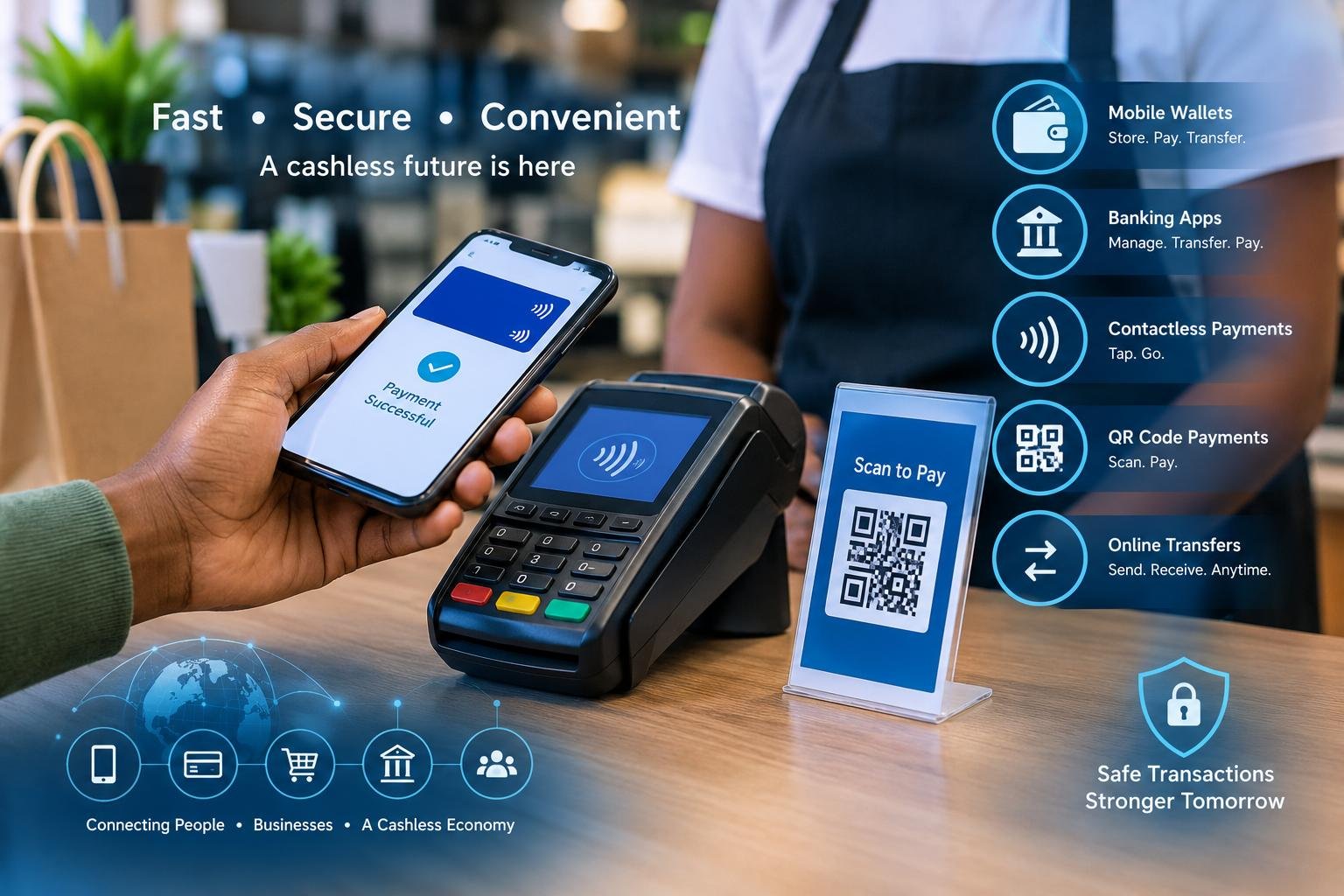
With the rise of smart phone and digital technology, ways to pay for goods, services and daily expenditures have undergone quite a transformation. Consumers no longer have to rely primarily on the bank branch to get cash, or have to physically touch their bank card to make a transaction, but can now make many transactions in seconds from their mobile device. Mobile wallet, banking applications, contactless payments, QR codes, online transfers and electronic payment platforms have been assisting this transformation. All these tools have combined to make payments easier for the people and companies. With the growing prevalence of smart phone use and internet access, mobile payment is a crucial component of financial transactions, providing a convenient and effective way to transfer funds and decreasing reliance on cash.
Smart Phones and how it has Revolutionized the Way we do our Payments
Smartphones are no longer just a communication device, as they now offer access to financial services, nearly anywhere. By using a banking application, one can view an account balance, transfer funds, pay a bill, purchase airtime or send funds, without having to go to a bank. The mobile payment systems have thus set new standards for financial transactions. Payment methods that are fast, convenient, available at all times and easy to use are increasingly a desired addition by customers. Profits are also gained by the businesses as digital payment options can help to streamline collections and minimize the use of cash. Through computing power, internet connectivity, secure applications and digital identities, smartphones have enabled transactions in the financial industry to be shifted from the physical to the digital world.
Mobile Wallets & Digital Money
One of the most prominent advancements in cashless payments is mobile wallets. A mobile wallet is an application (or digital service) that enables people to keep payment details or money stored digitally and makes use of them for payment or transfers. A wallet can be used for a variety of transactions depending on the service provider, such as making payments with a card, making person to person payments, paying bills, loyalty programs, and more. Mobile wallets are beneficial for individuals who wish to steer clear of using cash or multiple actual cards. They can have easy payment as the payment information is directly available on a telephone. For retailers, wallet payments can help to eliminate cash handling and provide a digital record of transactions. With the increasing integration of wallet services with banks and payment networks, they are playing a significant role in the overall transition towards a cashless society.

Transfer Money Quickly and Easily between Accounts via a Banking App
Traditional financial services are now much more mobile by making use of banking applications. Customers can access various services related to their accounts, such as balance checks, transfers, payments of utility bills, card management and account history, which were previously available to them only at a branch. Online transfers can be especially significant as they enable cash to be transferred between accounts without any cash changing hands. Many markets allow for transfers to be made virtually instantaneously, which is beneficial for personal payments, business transactions, salary payments and any urgent financial requirement. Additionally, banking applications can also alert users about any unusual transactions, helping them to keep track of their activities. While each bank and payment network has various speed levels, the push toward real time (or near real time) payments has brought digital banking closer to meeting 21st-century financial requirements.
Contactless Payments and Near Field Communication (NFC)
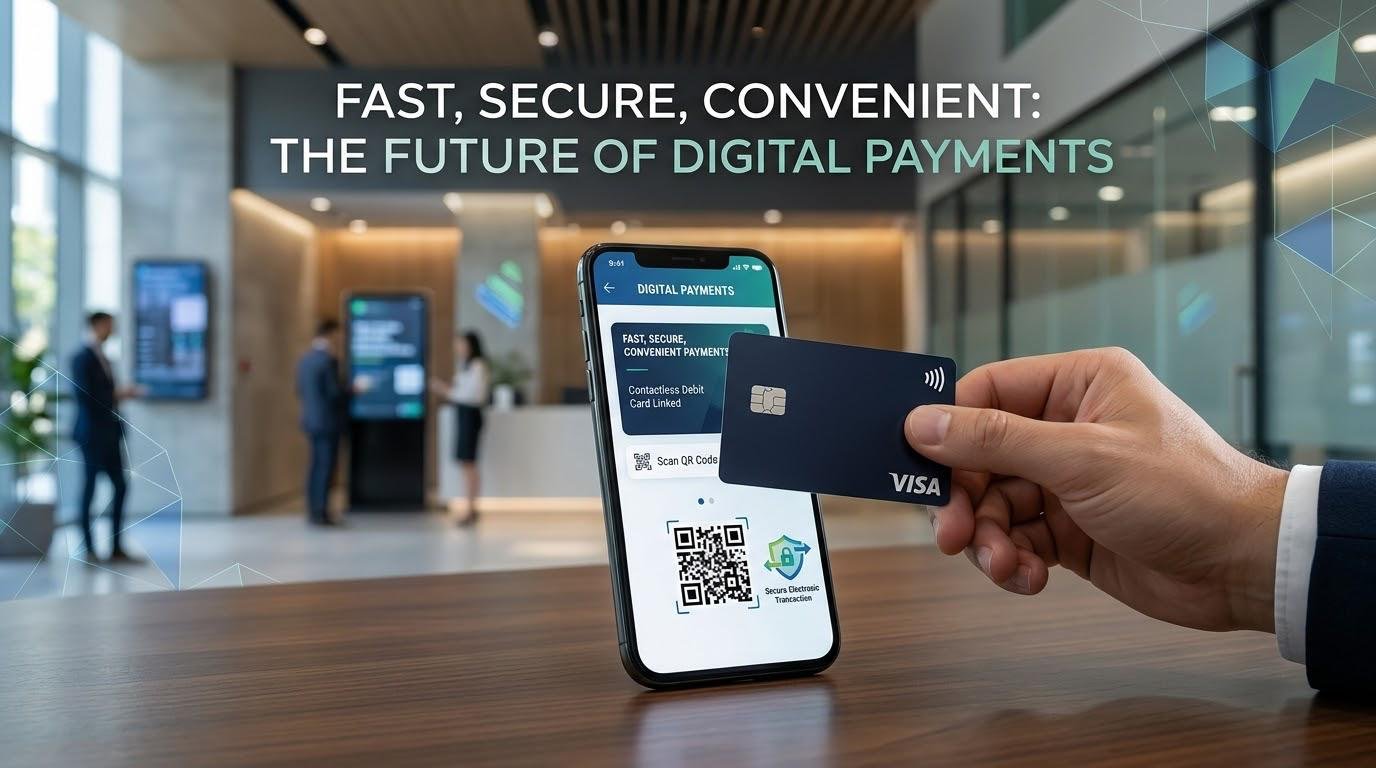
A contactless payment has revolutionized the way that customers pay in physical stores, replacing the need for customers to insert a card or cash to make a payment. When two devices are in close proximity of suitable terminal, Near Field Communication or NFC can be used to transfer payment information between the two. Smartphones and smart watches can then be used as a payment card or wallet, with the required compatibility. This can be rapid, as with smaller transactions they may not require to enter a PIN; however, authentication requirements will depend on the system and amount of the transaction. Another benefit of contactless technology is that it will help to minimize physical interaction with payment instruments. The development demonstrates the power of digital technology in the ability to make normal purchases quicker while still maintaining security measures.
QR Codes Enables Digital Payments to be more Accessible.
QR code payments create yet another convenient link between customers and business in a cashless world. A merchant can share a QR code with payment details, which a customer can read with his or her smartphone camera or payment app. The amount, the recipient and the authorization of the transaction can be entered by the customer, depending on the system. QR codes can be appealing to smaller businesses in that they don’t necessarily need specialized equipment to read them, as do traditional card terminals. They can also facilitate payments when there are a large number of people using smartphones, but not a ton of people using expensive point of sale infrastructure. QR codes can be a convenient component of digital payment systems for consumers, as they can scan the code to pay without having to manually enter long account numbers.
Digital payments and Digital commerce
Electronic payment systems are crucial to facilitate payments between consumers, businesses, banks and other financial service providers. These platforms are able to handle digital transactions like online purchases, transfers, recurrent payments and merchant collections. An effective payment solution enables companies to receive payments, even in the absence of a point of sale storefront and cash. Important for e commerce, subscriptions, digital product and businesses with different geographical locations. Online payment systems can also give businesses transaction records which assist them in keeping track of sales and reconciling payments. These systems are increasingly crucial to digital commerce as it becomes integral to the digital economy and the payment process.
Easy and Fast Cashless Transactions
One of the top arguments that consumers give for using mobile payment systems is convenience. With cash people have to go and get their notes and coins, carry them with them, count them and locate a place where they will be accepted. Many of these steps are eliminated with the use of digital payments. A customer can move funds from home, pay for a merchant in a shop or pay a bill without going to an office for payment. Another benefit is the speed. While the time varies based on the payment method, network and financial institution, many digital transactions can be completed in seconds or minutes. The business can get the money back quicker, have better cash flow and the consumers can get through with the regular financial activities with lesser time and effort.
Enhancing Financial Inclusion via Mobile Payments
Mobile payment systems can contribute to the financial inclusion by facilitating some financial services. Those who don’t live near a bank may be able to use services via a smartphone and Internet or mobile connection. In certain settings, mobile money can give the ability to pay and transfer funds to those with less traditional banking habits. Finally, small merchants could also gain from being able to accept digital payments as they would be able to engage in formal or online commerce without investing heavily in physical infrastructure. But payment technology is not the only factor of financial inclusion. Can people use digital services effectively depends on the affordability of data, appropriate devices, secure networks, digital literacy, consumer protections and appropriate financial accounts.
Decreases Reliance on Cash Payments.
While the growth of digital payments does not signal the end of cash, it can help to lessen the need to use cash for everyday purchasing. Typically, electronic transactions leave behind transaction records that include transaction amount, date and recipients or merchants, which can assist people track their spending and businesses keep organized financial records. Less handling of cash can also help to minimize the difficulties of counting, keeping the cash safe, arranging collection and making change. Cash is still significant for those without access to digital services, those who like physical cash, or communities that don’t have access to digital services. To make a cashless economy work, then, it is important to offer more digital options but not cut out those that still rely on cash.
Security and Consumer Awareness
The growth of mobile payments also brings with it some duties for providers and users of payments. Sensitive information like account credentials, card details, personal information, and authentication codes may be shared during digital transactions. To minimize unauthorized access, payment services employ several security strategies, such as encryption, device authentication, transaction monitoring, tokenization and multi factor authentication. While technology can stop some types of fraud, users need to take certain steps to stop others: Securing passwords, never giving out one-time passwords, confirming payment requests, ensuring that they use trusted apps, and being cautious of suspicious messages. Consumers need to pay close attention to the transaction alerts and report any suspicious activity promptly. Secure technology, responsible payment providers, informed consumers, and effective regulation are essential for the development and implementation of strong payment systems.
Challenges facing Mobile Payment Services
However, mobile payment systems are still beset with some challenges that can stall their uptake or introduce new danger. Digital payment reliability can be impacted by internet outages, poor mobile coverage, lack of electricity, limited payment device capabilities, transaction fees, and service outages. Users may be concerned about privacy, fraud, data gathering, and recovery of an account if they lose their phone. There can be expenses to businesses in adopting payment technology and/or to link various systems. The digital divide is also a concern as those that don’t have a mobile phone, stable internet access, and adequate digital literacy may not have the ability to access. The reliability, affordability, interoperability, accessibility, and customer support are therefore paramount areas of concern for payment providers. The issues have to be solved because without a payment system, it would be useless if people could not trust it in any event they face financially.
The Future of Cashless Financial Transactions
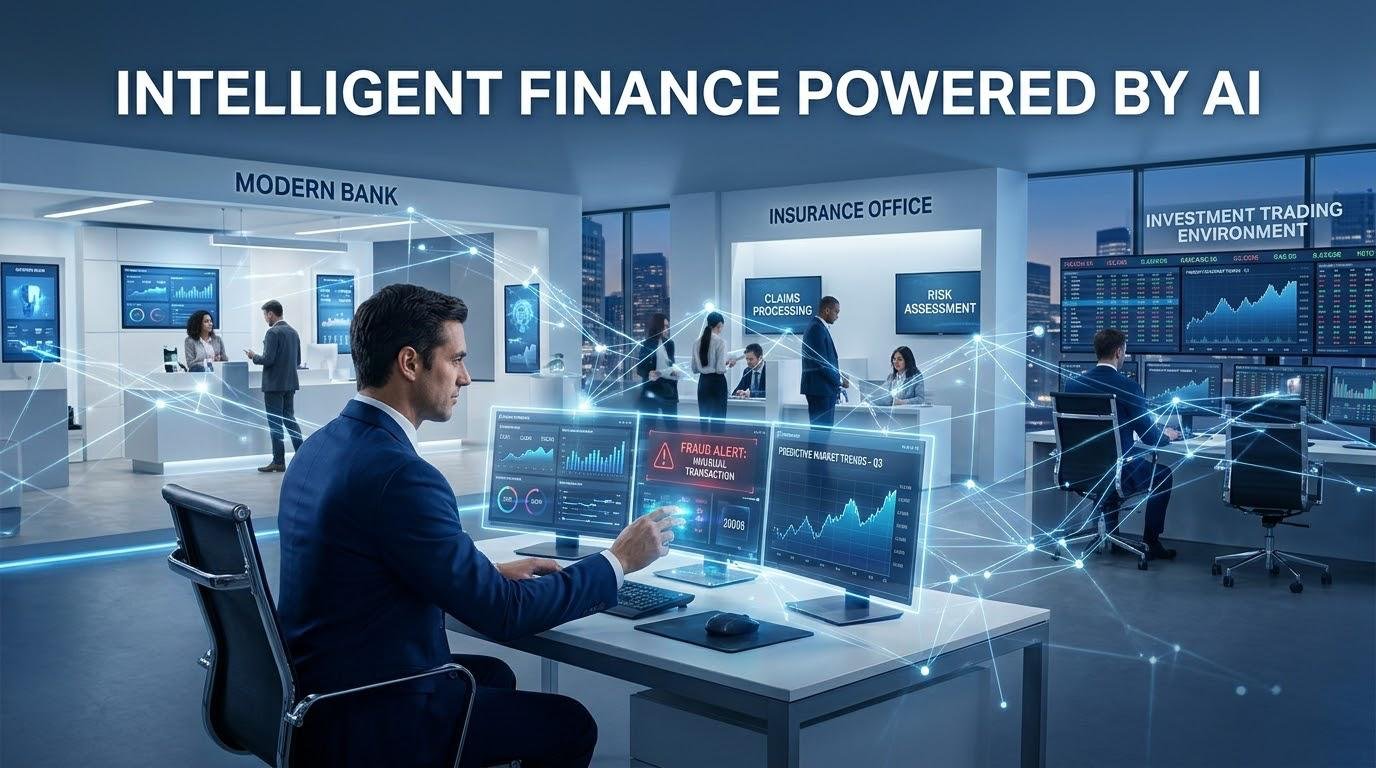
Mobile payment’s future is sure to draw the mobile phones, financial services, digital wallet, merchants, and financial technologists closer together. Increased speed of payment networks could render transactions more real-time, and biometric authentication and enhanced fraud detection could boost security without complicating transactions. AI could also enable service providers to detect anomalies and be quicker to act if something is amiss. Payment will be fully integrated into shopping apps, transportation services, online marketplaces and other digital platforms. The long term direction is not just about changing banknotes to electronic money. It’s about establishing and developing a financial system that allows individuals to transfer, transfer and handle money effectively throughout the various channels, whilst at the same time keeping them safe, low-cost, obtainable and trustworthy.
Conclusion
Mobile technology has revolutionized the way people use money, enabling numerous transactions to be made via their cell phone and digital network. Many places have now started to replace cash in the society with mobile wallets, banking apps, contactless payments, QR codes, online transfers and electronic payment platforms. They offer several advantages such as convenience, quicker operations, better record keeping, new opportunities to businesses and increased financial inclusion. Meanwhile, digital payments demand secure infrastructure, robust security measures, sensible regulation, and consumers that are informed. While technology advances, cashless financial transactions will no doubt play an increasingly pivotal role in today’s economic life if digital services are kept safe, cheap, accessible and reliable.
Get more well researched information about Mobile payment systems here.