Introduction
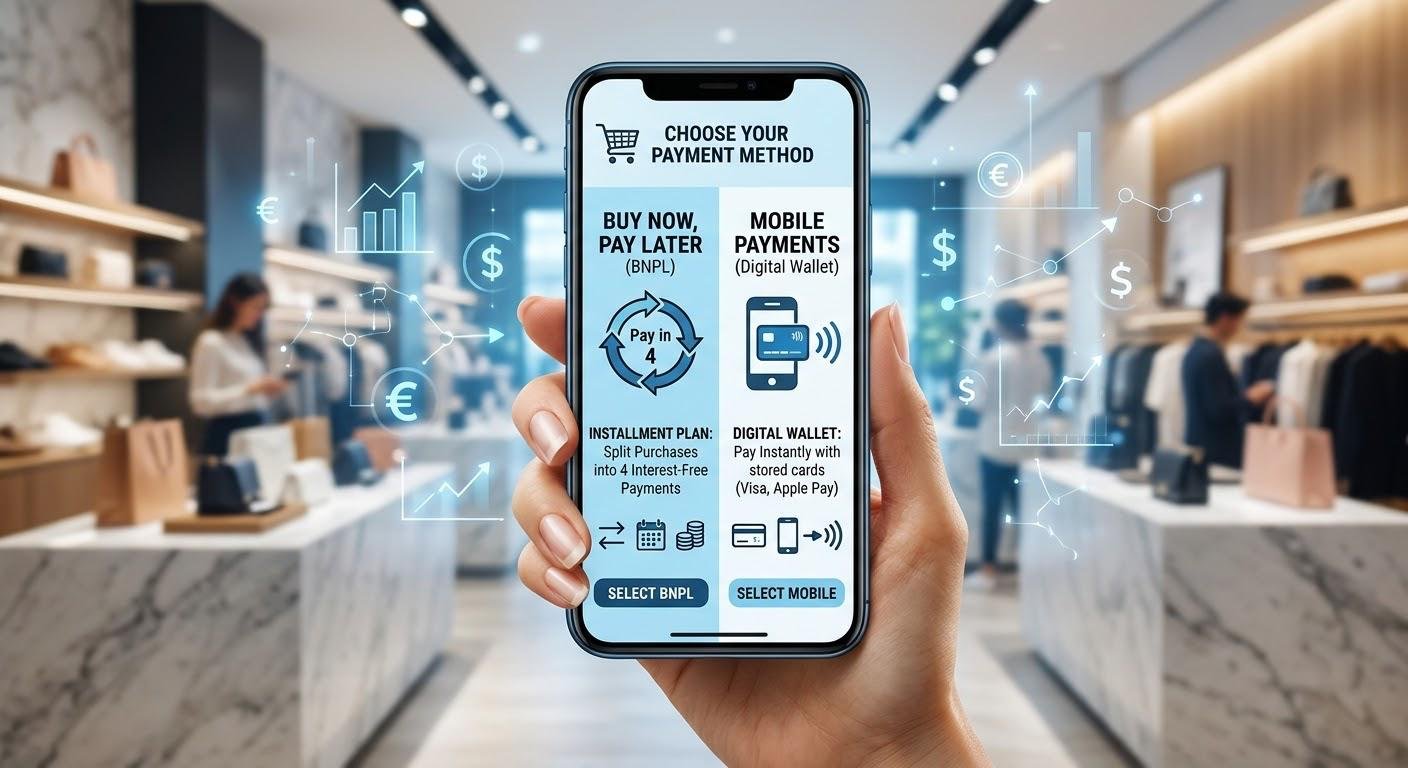
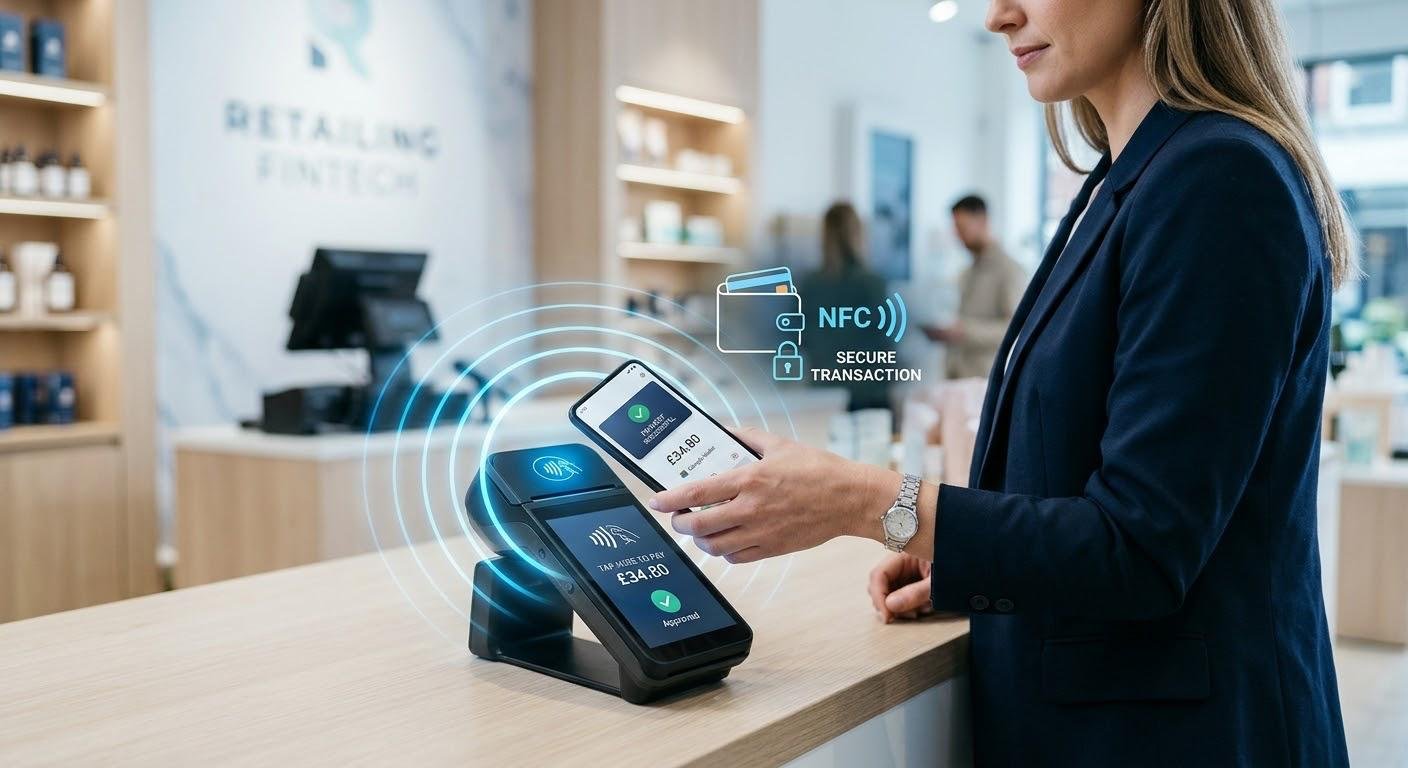
With digital technology continuing to develop in the financial sector, cashless payments are playing an increasingly important role in the way people pay. Through cashless payments people and businesses can make payments electronically. Using Mobile Wallets, Contactless Cards, Online Banking Apps and Instant Payments, people can make their payments quicker and easier. However, there are new developments in cashless payments with new technologies being developed such as AI, Biometrics, Digital Identity and Payments Being Interoperable. As these technologies develop they are trying to increase the security of payments, increase ease in making international payments and make digital payments more accessible. But there are also concerns around the risks of privacy and reliability of technology.
Role of AI in Digital Payments
This technology is expected to play an increasing role in cashless payments. AI will help detect any suspicious activities. Many fraud detection systems work by having certain rules set up to identify any unusual transactions. Whilst they are helpful, they can struggle to identify any complex frauds. Using AI will help analyze large volumes of data and identify any unusual activity and any patterns of fraud. For example, if a customer makes a sudden increase in high value payments from unknown locations, this can be detected as suspicious by an AI system and extra checks will be requested. This will help financial institutions identify potential threats quicker.
Fraud Detection Using AI
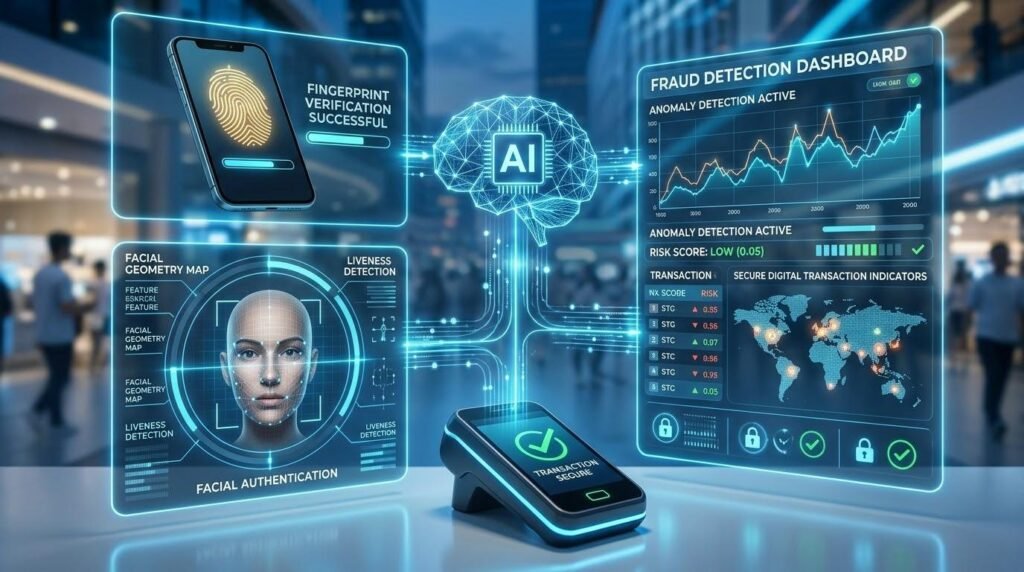
AI fraud detection is becoming a key aspect in modern banking. By using machine learning models, banks can analyze how much someone has spent, what they have spent it on, what device they are using etc. To help identify how likely they are to be fraudulent. According to IBM, AI can help increase fraud detection in banks by detecting any suspicious patterns. Financial organizations can look into how AI powered fraud detection can help increase intelligence in their security systems. However, whilst AI can help detect fraud, it can also help increase personalization within payments. AI can learn what a customer’s likes and identify any suspicious activity within their account. However, the decisions made by AI need to be carefully monitored to avoid incorrect predictions stopping real payments.
Biometrics
Biometrics is another technology that will play a role in the future of cashless payments. This technology allows customers to prove their identity using unique physical or behavioral traits. Rather than relying solely on passwords, PINs and payment cards, biometrics can use fingerprint scans, facial recognition, voice recognition etc. Many modern smart phones now have fingerprint and facial recognition which can be used to confirm access to banking apps and mobile wallets. This can help increase ease within payments. However, biometric information needs to be well protected as physical traits can’t be changed easily.
Improvements to Biometric Payment Systems
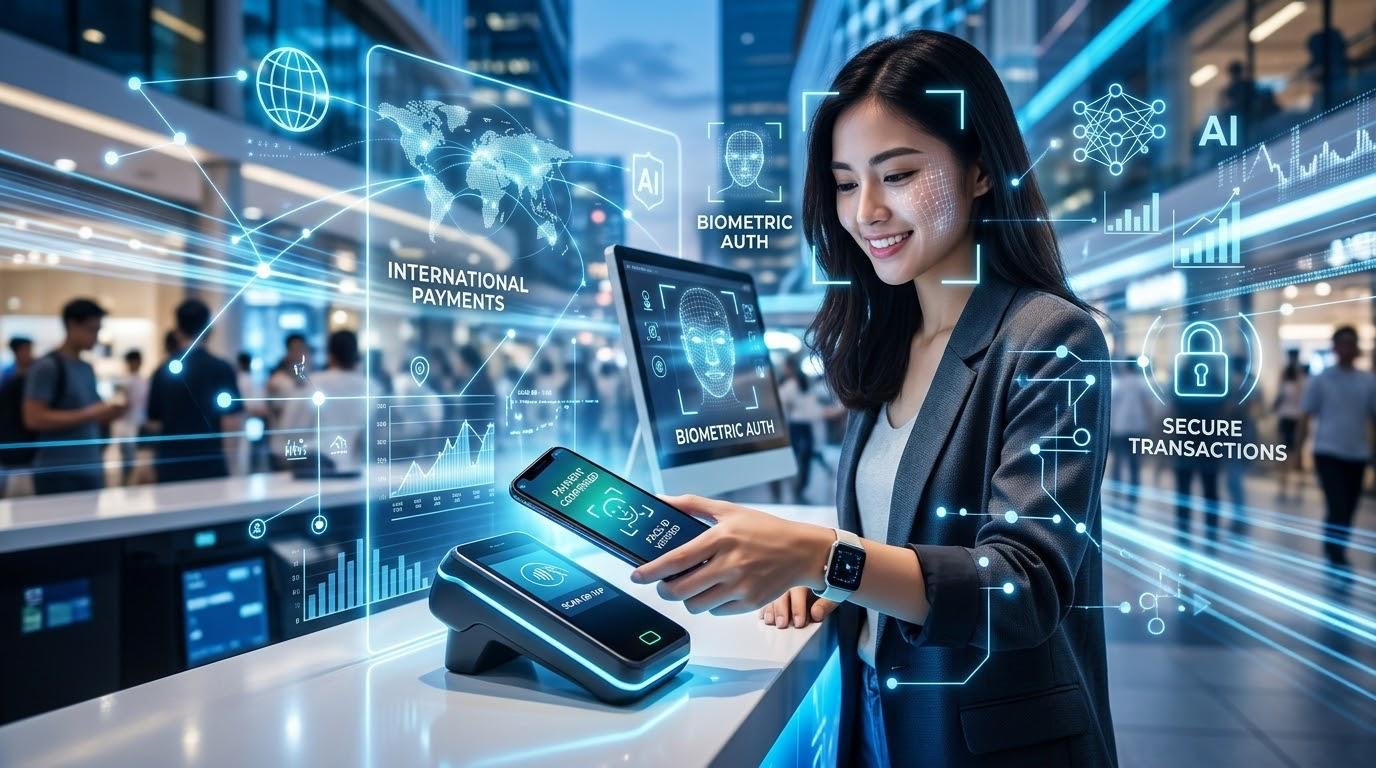
In the future, biometric payment systems could allow customers to make payments using their face, fingerprint etc. Many payment providers and FinTech companies are currently testing out biometric payment systems. These would allow customers to make payments using their identity. This could help make shopping easier. However, there will need to be reliable biometric technology; the right payment terminals and customers will need to be confident that their personal information will be collected correctly. Financial institutions will also need to provide alternative options for those whose biometric information can’t be identified accurately. This can be due to lighting, physical changes, accessibility issues and technical issues.
Digital Identity
Digital identities are expected to become increasingly important in the future of cashless payments. Digital identities help customers identify themselves electronically. Traditionally customers would need to provide physical documentation, go into a financial institution or provide personal information. With digital identities, this could help make things easier as they can share their verified details with the correct service providers. This can help increase access to banking, reduce administrative processes and help increase financial inclusion. However, digital identities need to be well designed so that customers aren’t at risk of identity theft, sharing their information without permission and misuse of their personal information. The effectiveness will rely on reliable verification processes and the correct government regulation.
Digital Identity and Financial Inclusion
Digital identity could help increase access to cashless payments. Many people in developing countries struggle to meet the requirements for identification in traditional banking. Secure electronic identification can help people open accounts, receive payments and engage in online trading. Customers can complete identification processes remotely using verified digital identities. This can help reduce the time and cost of opening accounts. However, digital identity programs shouldn’t leave people out who don’t have smart phones, reliable internet or knowledge of digital services. Governments and financial institutions will need to ensure there are alternative ways to verify customers.
Tokenization
Tokenization is another key development which will influence the future of digital payments. Tokenization works by replacing sensitive payment information such as card numbers with a unique digital token. This is widely used within existing mobile wallet systems and many contactless payment systems. When using a payment card within a supported digital wallet, the details can be replaced with a payment token. This means the merchant usually receives a token instead of the actual card details. This helps reduce the risk of sensitive payment information being leaked. In the future, more payment services could be tokenized. However, this will depend on systems being compatible and having the correct security.
How Tokenization May Support Future Digital Payments
As payment technologies develop, tokenization could become a more common feature for online payments, subscriptions and payments between different financial systems. This could help improve security by limiting who can see the payment information. Some new financial systems are looking into tokenized deposits. This should not be confused with card tokenization which is already widely used. However, tokenization of financial assets is in varying stages of testing. This could benefit people by increasing speed of payments. However, there are uncertainties with regulation, compatibility and risks.
Interoperable Payment Systems
Interoperable payment systems are important to create a more connected cashless payment system. Interoperable means that different payment systems can communicate effectively to share payment information. If there isn’t enough interoperability, it could cause issues for customers trying to move money between incompatible systems. Improving connections between domestic payment systems could help increase ease of payments, reduce delays and help businesses who take payments from multiple providers. Some countries already have instant payment systems which allow instant payments between financial institutions. However, linking them together internationally could be more complex as there are many issues to overcome such as different technical requirements, currencies, security and regulations.
Interoperability between Countries
Interoperability between countries is becoming increasingly important as international trade, remote working and online shopping increases. Businesses often need to pay suppliers from other countries and individuals may need to send money to family members or receive money from international employers. Traditional international payments can be complicated, involving multiple financial institutions, currency conversion charges and delays. Using interoperable payment systems could help simplify this process by linking financial systems. There are some international initiatives to link instant payment systems. However, this isn’t available everywhere. Different countries will have different requirements and agreements meaning some countries can have faster international payments.
Speed of International Payments
The future of cashless payments will depend on how well financial institutions can improve international payments. Faster payment systems could help those regularly receiving remittances, freelancers working with international clients and businesses needing to purchase goods from international suppliers. For example if a small business in Nigeria needs to pay a supplier from another country, they wouldn’t have to wait several working days. Having improved payment connections, clear currency conversion and efficient settlement could help make this easier. However, this doesn’t necessarily mean they will be cheaper. Charges may still apply for currency conversion, multiple financial institutions and compliance. Financial providers will need to focus on increasing the speed of payments but also ensuring customers know what the exchange rates, charges and conditions are.
Challenges and Risks of Future Cashless Payments
There are many challenges that come with new payment technologies. A big concern is privacy. AI, biometrics and digital identities can involve large amounts of personal and financial information. If this information isn’t collected correctly or there is a breach, customers may fall victim to identity theft and lose money. Algorithm errors can also cause issues. AI can make mistakes and flag up legitimate payments or not recognize new types of financial crime. Biometric systems can have errors and digital payment platforms can become inaccessible. This shows the importance of having strong cyber security, clear data policies and reliable customer protection.
Differences in Regulations
A major challenge is the differences in regulations between different countries. International payment providers will need to comply with multiple regulations relating to customer identification, anti-money laundering, consumer protection and personal data. This means that a payment that is allowed in one country may need further checks or restrictions in another. This can cause issues when developing interoperable payment systems and can cause delays. Reliance on digital systems can also cause issues. Payment systems require electricity, internet, secure communications and working financial systems. This can cause issues for communities who don’t have reliable systems. Governments and financial institutions will need to invest in reliable technology, have consistent regulation and have alternative payment systems.
Conclusion
The future of cashless payments will be influenced by the development of AI, biometrics, digital identities, tokenization and interoperable payment systems. These technologies can help increase the speed, security and ease of financial transactions. They can also increase opportunities for individuals and businesses engaging in global trade. Some of these technologies are already being used within financial services such as tokenization within mobile wallets, fingerprint verification and fraud monitoring using AI. However, some technologies such as biometric payment systems and interoperable payments internationally are still in development. Long term success will depend on how well financial institutions can overcome the challenges of privacy, algorithm errors, differences in regulations and limitations with infrastructure. The aim shouldn’t just be to remove physical cash but to create a reliable, inclusive and secure payment system so people feel confident managing their money in an increasingly connected world.
Get more well researched information about The Future of Cashless Payments here.