Introduction
Thanks to digital technology, we are now able to shop online with ease and make transactions using electronic methods. Popular payment methods including buy now pay later (BNPL) and mobile payments are becoming more popular. Although these two payment methods may seem similar as they are often made available using mobile apps, digital wallets and online checkout systems, they are two very different financial services. Knowing how BNPL works can help you understand the difference between payment and borrowing.
What is Buy Now Pay Later?
Buy now pay later is a form of short term financing solution for consumers. This allows customers purchase products or services now and pay in installments. Customers agree to pay back what they owe in their chosen timeframe. Depending on the service, this can be broken down into weekly, fortnightly or monthly payments. Some services will offer interest free payments if the customer pays back within their required conditions. Others will charge interest or extra fees. This is a popular service that is often included on online shopping sites, stores and digital finance apps. Customers don’t always need to apply for a credit card or personal loan to use this service.
What are Mobile Payments?
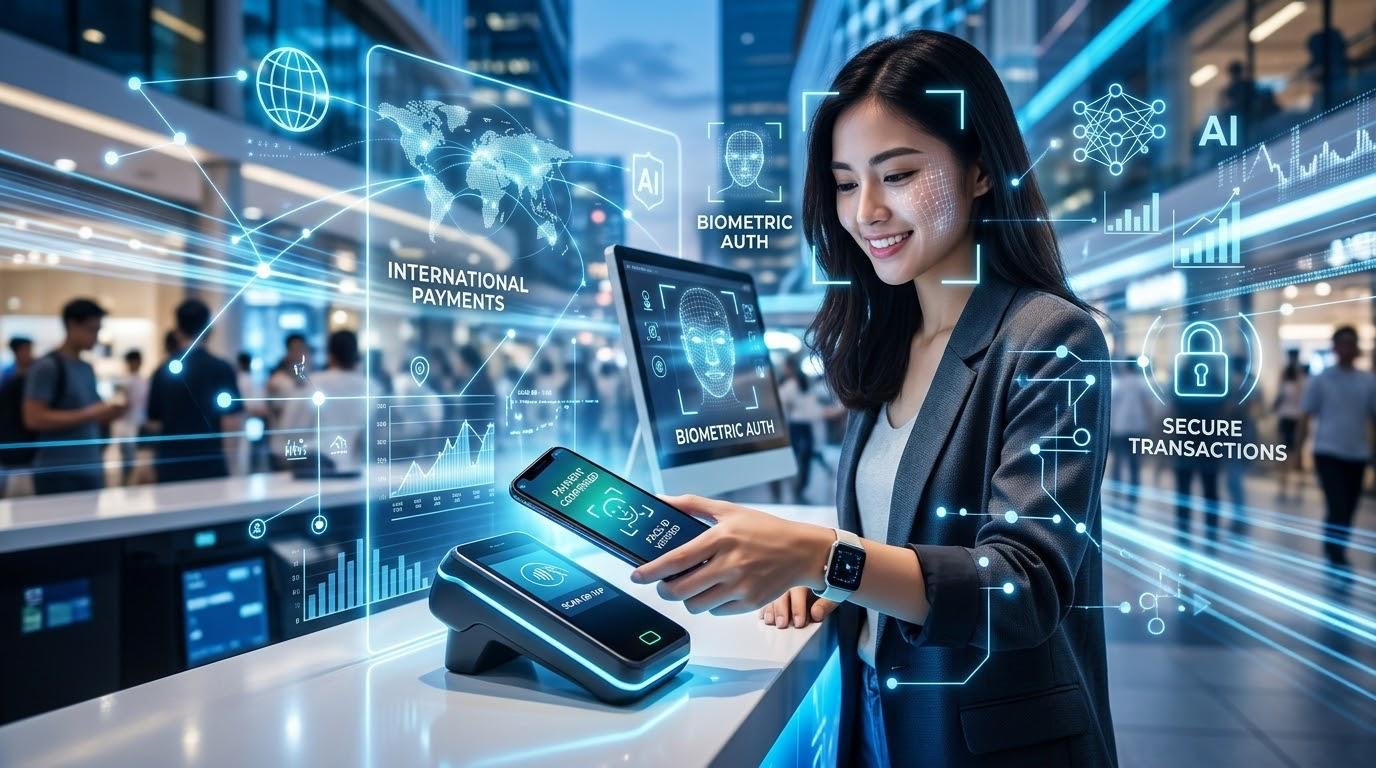
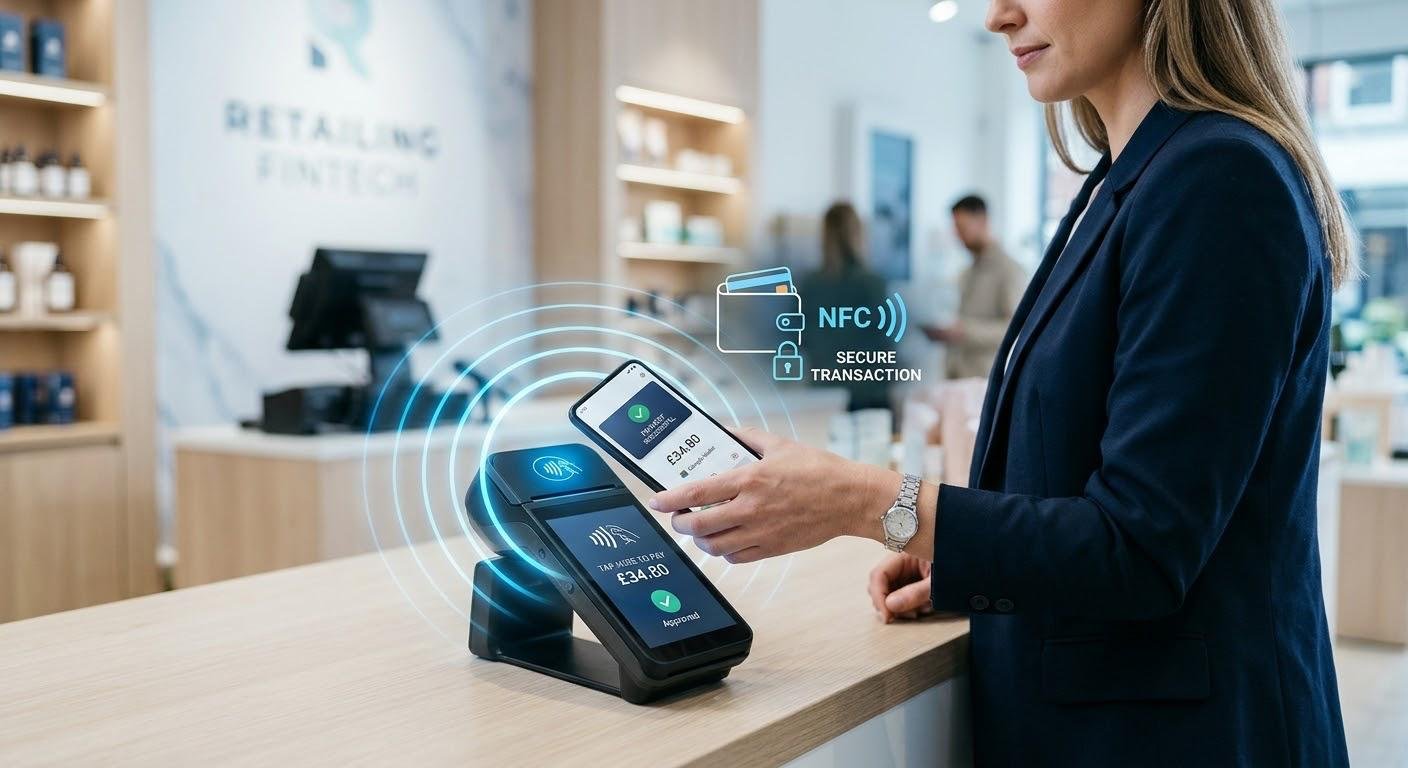
A mobile payment is when payments are made using electronic methods on your phone, tablet, smartwatch or other compatible device. This means you can pay for services, send money, pay for services and pay bills with ease. Examples of this could include mobile banking apps, digital wallets, QR codes and contactless payments. In general, this will take money from your current bank account, debit card, pre-paid account or other sources. Unlike BNPL, there isn’t an instant debt involved when making regular mobile payments. This is simply a way to make payments easily and securely.
Key Differences
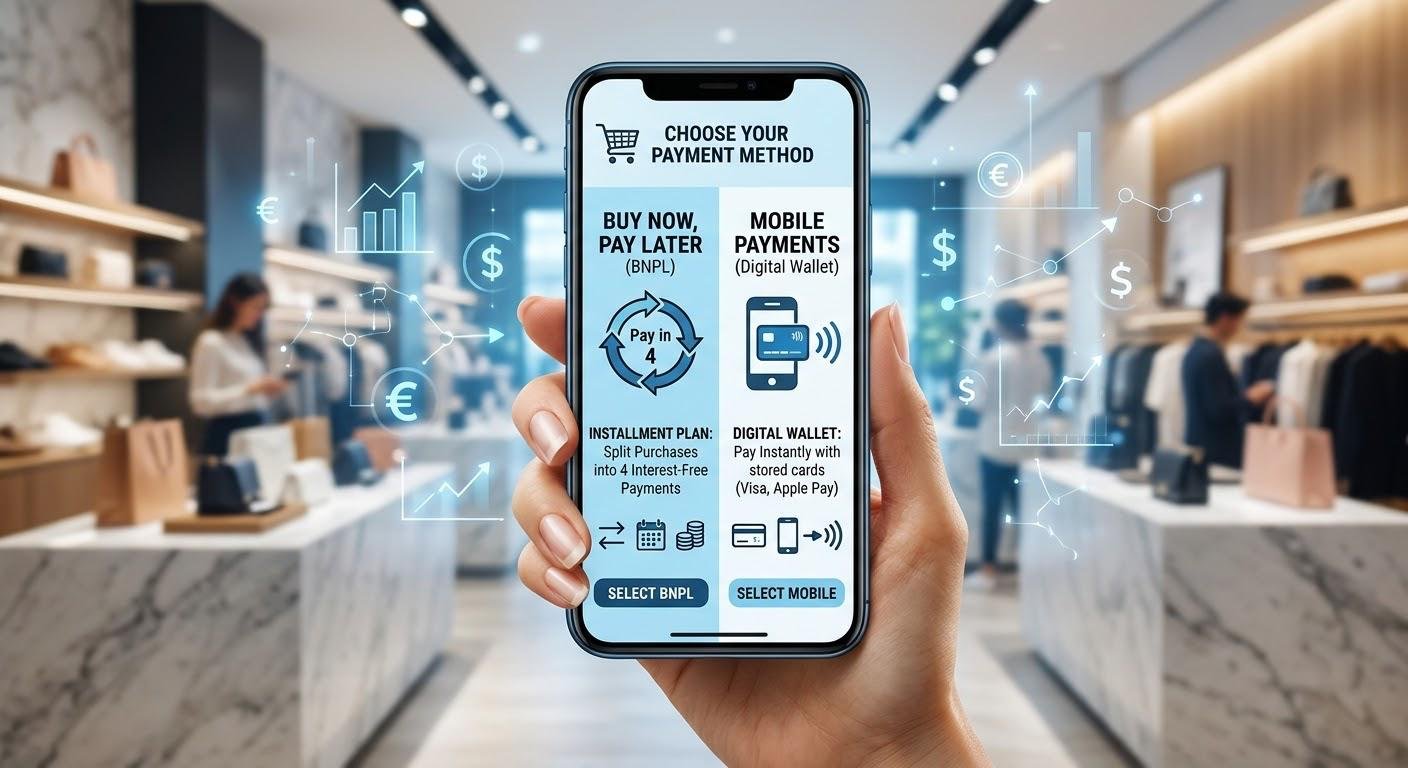
The main difference between Buy now, pay later (BNPL) and mobile payments is how you pay for your purchase. When making regular mobile payments you are able to pay using your current account. With BNPL you are borrowing money as the provider will pay for or fund your purchase. Whilst both payment methods may be shown on the same checkout page, choosing one will create a debt. Whilst using mobile payments you are likely to pay with the money you currently have available. Whereas using BNPL you are creating a debt. This will help you understand that just because something is easy to pay for doesn’t mean it is affordable.

Installment Plans
A key feature of BNPL is the installment plans. Depending on the provider, you may pay for your purchase in multiple installments. The first installment will be charged instantly or shortly after checkout. After this, the remaining payments will be taken from your account on set dates using an authorized payment method. Some services will require you to pay in 4 installments over a few weeks. Others will allow longer repayment periods. You should take a look at how much you’ll be paying back to ensure it fits into your monthly budget. When using mobile payments you are generally paying in one payment. However, you can make multiple payments yourself.
Application Process
Some BNPL providers may require you to apply to see if you’re eligible. This will help them determine if you fit their requirements and can reasonably be offered credit. Depending on the service, you may need to provide proof of identity, age restrictions, income, payment history, credit checks or other financial checks. Some providers will offer quick approvals whilst others may require extra documents or set spending limits. In general, you won’t automatically be approved just because you’ve downloaded an app or got to checkout. Regular mobile payments will often require you to have an active bank account, registered payment app, enough money and the correct logins.
Interest Rates, Fees and Other Charges
Whilst BNPL is often marketed as an affordable option, you should not assume that all installment plans are free. Some services will offer interest free payments if you pay on time. However, some may charge interest, account fees, processing fees or other charges. Mobile payments may also incur charges. This will depend on what service you’re using and what type of payment you’re making. You should look at how much you’ll be paying in total.
Late Fees
If you miss a payment using BNPL this can cause issues. Depending on the provider, you may incur late payment fees, extra interest, limitations on what you can purchase or collection efforts. Some providers may send your payment details to credit reference agencies if applicable. This can affect your ability to get credit in the future, if you miss multiple payments this can cause your originally affordable purchase to become more expensive than expected. With regular mobile payments you won’t incur any debt. However, you may incur charges if your payment fails, you don’t have enough in your account, you have an overdraft or you’re using certain recurring payment services. You should understand what the consequences are for each payment method.
Integration with Merchants
As BNPL is becoming more popular within digital wallets and online shopping sites, you’re likely to come across multiple payment options within one app. Merchants can integrate BNPL providers to allow eligible customers to use installment payments to purchase products or services. Some will also allow regular mobile payments so you can pay instantly using your linked bank account or wallet. This can be beneficial to the merchant as it gives more payment options. However, this doesn’t mean they’re the same financially. You should ensure that the merchant and payment provider clearly state how much you’ll be paying back, any charges, eligibility and other important details.
Payment Services vs. Consumer Credit
It is important to understand the difference between payment services and consumer credit. Payment services are the systems in place to authorize, process and pay for electronic payments between customers, merchants, banks and payment providers. Mobile wallets and banking apps will generally give access to payment services by linking to your current bank account. Consumer credit is when you are given money or credit to pay for something and you must pay back what you owe. BNPL providers offer this as they will fund your eligible purchases and collect payments from you. Whilst BNPL may go through the same digital checkout processes as mobile payments, you will have a debt.
Pros and Cons of Buy Now Pay Later (BNPL)
BNPL can offer many benefits. This can help you get more flexibility when making your purchase. It can also help reduce the stress of paying a large amount of money. It can also help you get products or services without needing to pay the full amount. Merchants can also benefit from customers having more money to spend and higher checkout conversions. However, there can be some downsides. If you make multiple purchases using BNPL you could have multiple debts to pay back. It can be tempting to spend more due to the small payments. This can make expensive products feel more affordable. BNPL should only be used if you know what you owe and have a realistic repayment plan in place.
Pros and Cons of Mobile Payments
Mobile payments can be convenient, fast and easy to use. You won’t need to carry cash or visit the bank. You can pay merchants, top up your airtime, pay for your utilities and send money. Digital wallets can also help by keeping a record of your transactions, adding authentication and extra security. However, there can be some risks. You may fall victim to fraud, phishing, stolen logins, unauthorized payments and connectivity issues. You may also incur charges for your transactions. In general though, mobile payments are an easy way to use your current money. Just ensure you double check your payment details and keep your logins safe.
Choosing Between BNPL and Mobile Payments
When choosing whether to use BNPL or mobile payments you should think about your financial situation. If you have enough money to pay for your purchase and don’t want to incur any debt, regular mobile payments may be the easiest option. If you need to purchase something and can’t realistically afford to pay for it now, but have a reliable source of income to pay your installments, BNPL can be a helpful option. Before agreeing to BNPL, ensure you know how much you’ll be paying back in total, when you’ll need to pay and if there are any interest or extra charges. Think about your current financial commitments.
Top Tips
Using payment methods responsibly can help you enjoy the convenience of digital financial services. If you’re considering using BNPL, ensure you read the terms and conditions of the provider. Know what will happen if you miss payments. Don’t agree to multiple installment plans without knowing how much you’ll need to pay back. Set reminders or use auto payments to ensure you don’t miss any deadlines. Ensure you have enough money to pay. When using mobile payments ensure you’re using trusted apps, turn on any security features double check the recipient and regularly check your notifications. Both payment methods should be used for planned purchases. Keep a record of your transactions and regularly check your account to spot any unexpected charges.
Conclusion
Both BNPL and mobile payments have become an important part of the digital financial world. Whilst they may be available on the same apps, checkout pages and digital wallets, they are very different financially. Mobile payments are simply a way to make payments using your current money. BNPL offers short term financing which creates a debt to pay back. Both can be convenient but you should know how much they will cost, any risks and what your responsibilities are. You should know what installment plans you’ll be on, what eligibility requirements there are, what interest/fees there are and what will happen if you miss payments. The best payment method to use will be one that will help you spend responsibly and keep you financially stable in the long term.
Get more well researched information about Buy Now, Pay Later vs. Mobile Payments here.