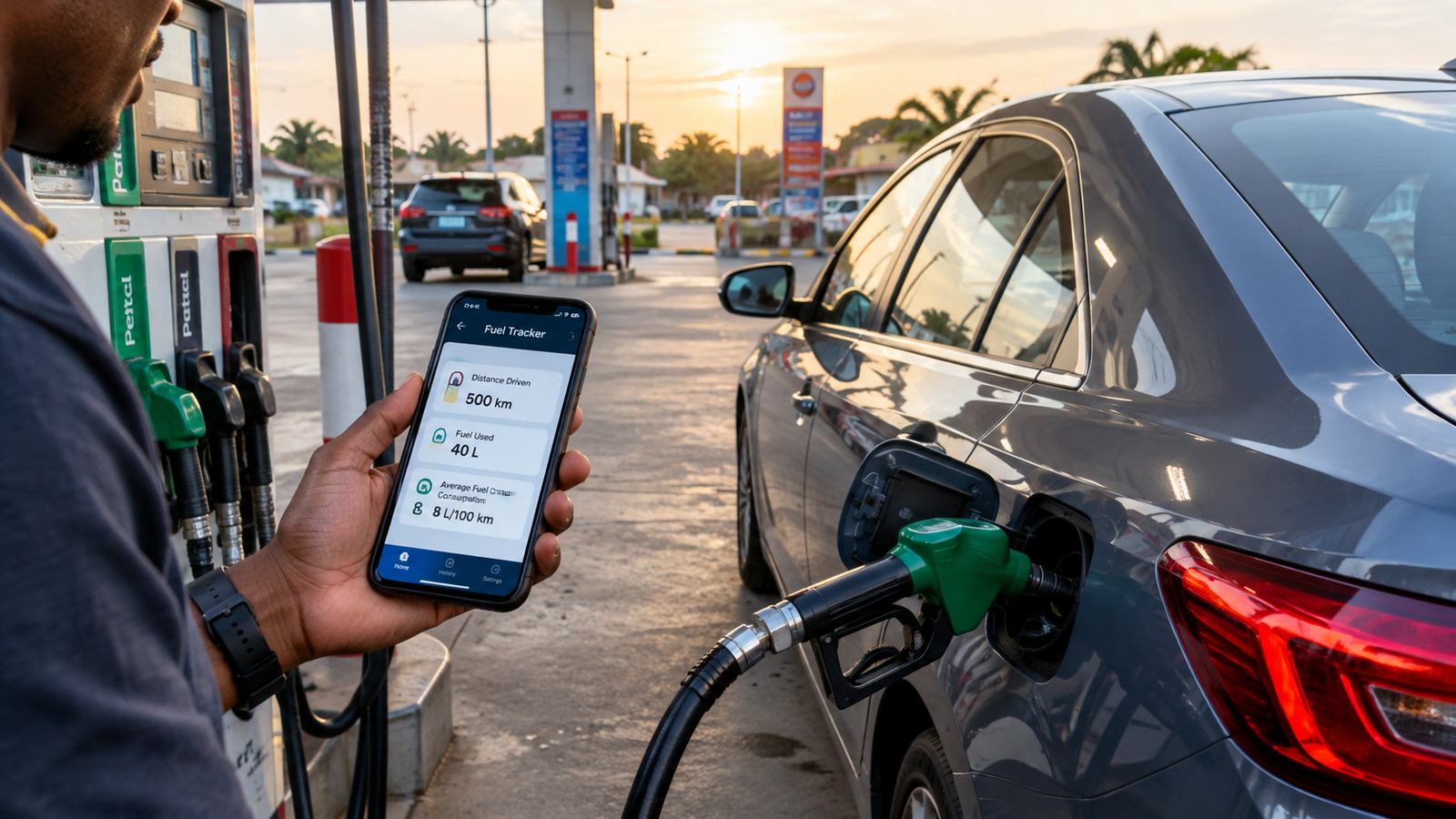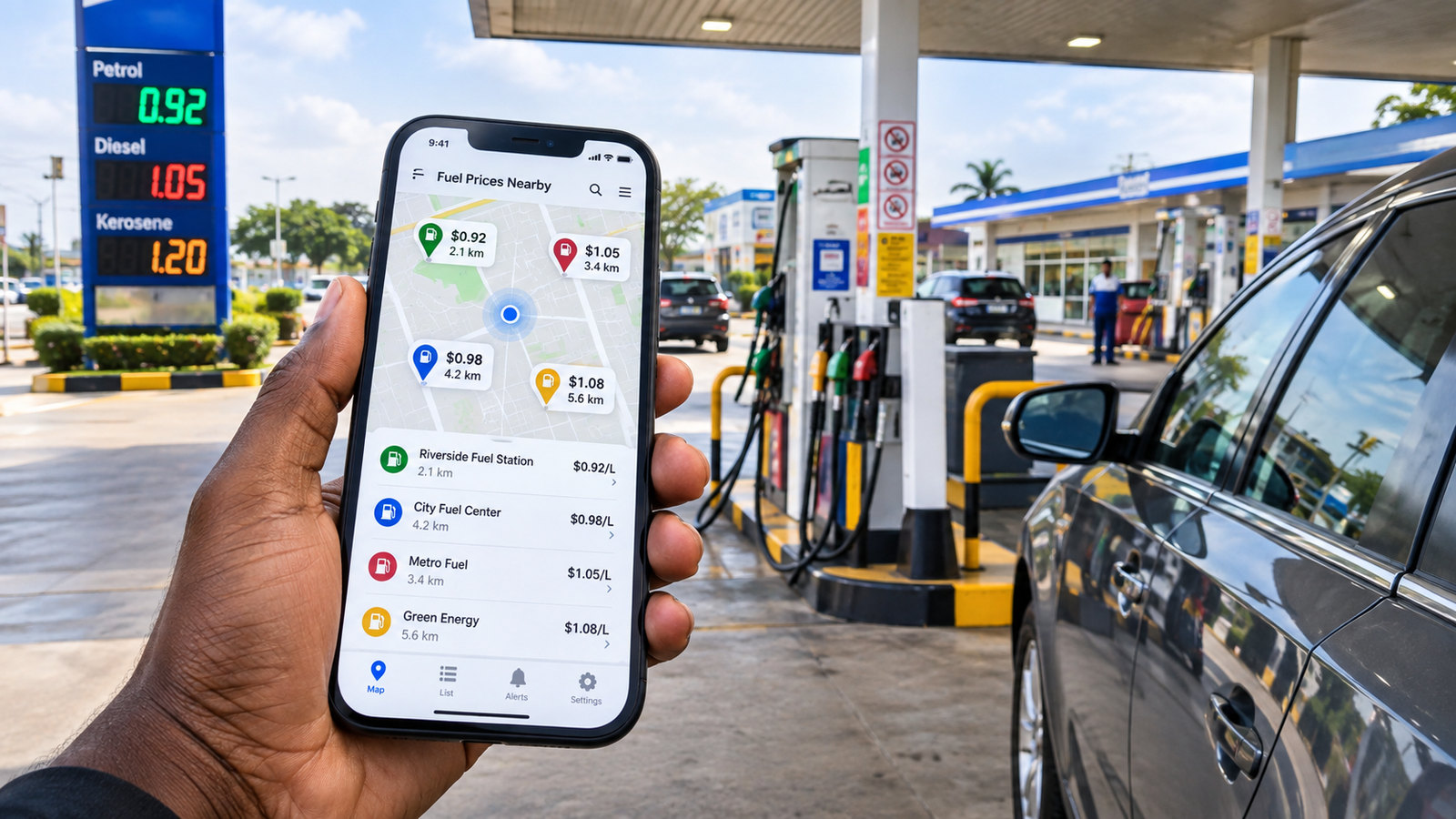
Cheap fuel prices can make a meaningful difference to what motorists spend on fuel, which also includes people who use their cars for work, business, family tasks, and long trips. Also, fuel prices at different fill-up stations may be very different, which means that a driver may pay more than they have to if they stop at the first station they come to. Luckily, there are mobile applications and digital tools which have made it easier to find which nearby filling stations have the best prices and, thus, which is the better station at which to fill up.
The best set of apps for finding low fuel prices nearby feature things like local search options, interactive station maps, price alerts, route planning, and also pass along price information from other drivers. These apps can be very helpful when fuel prices are fluctuating. Instead of just guessing which fuel may be cheaper, drivers have access to information which they can use to compare options and make better refueling decisions.
How Fuel Apps for Drivers Work
Fuel price comparison apps help motorists by showing how prices vary at local gas stations. Without these tools, drivers may have to go to several stations or use information from roadside signs to find the best deal. That is a waste of time and may also cause a car to be used unnecessarily. An app that displays information from multiple stations at once is available for use, which in turn allows consumers to do the price comparison themselves before they go.
These apps also do a great job because fuel prices can sometimes change unexpectedly. A station which had the lowest prices in the past may charge more today. We have digital tools which provide faster access to that information and also allow drivers to track price changes in their area. While it is true that the information may not always be perfect, what these apps do is put out information which is a useful starting point for finding the best fuel prices.
How Do Apps Find Low Fuel Prices Near You?
Fuel-based apps use location services to determine a car’s current location and present local refueling stations. What users see may be a map view or a list showing nearby stations, their distance, and their fuel prices. Also, some apps feature an option to search other locations, which is useful for trip planning or just getting information to run a comparison before setting out.
Many platforms get price information from station operators, databases, and community reports. User-submitted price updates allow users to report what they see at the pump and share that information with other drivers. This, in turn, improves local coverage, especially in areas that do not have access to real-time fuel price information.
Finding Stations Around Your Current Location
Location-based search is a key feature in fuel price apps. At the app’s interface, the user is presented with nearby filling stations which they can sort by distance or location. This removes the need for the motorist to do a manual search and also makes it easy to compare many options at once.
Also, the closest station isn’t always the best option. We have apps which allow drivers to compare distance and price, which in turn helps them decide. At times, a more economical choice would be a less nearby station which also fits into a driver’s routine. By looking at the full picture of location and price, motorists may put less money out of their pockets.
Searching for Fuel Before a Trip
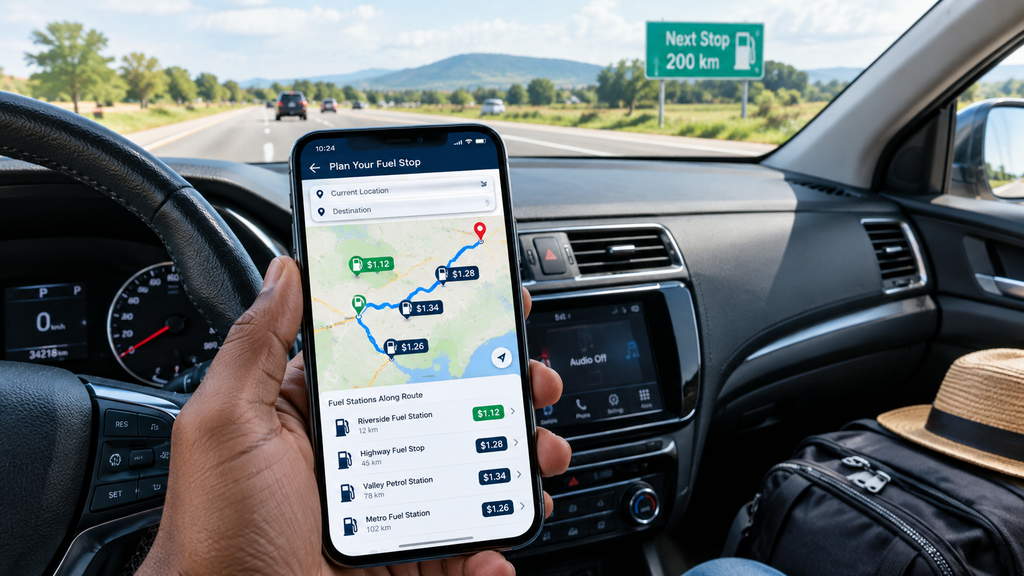
Drivers also have the option of using fuel apps before a long trip. Instead of waiting until the fuel gauge drops low, drivers can check which stations will be along the path of travel and see what options they have for refueling. Also, this gives a greater degree of choice and, in turn, reduces the chance that they may end up paying a premium at a remote station.
Planning in advance also makes travel more convenient. A driver may pick a station which is by a major road or near another planned stop. This avoids extra detours and, in turn, makes the trip more efficient. For those who travel great distances, fuel at route-based stations is of great use when prices differ between various towns or regions.
Station Maps Make Price Comparisons Easier
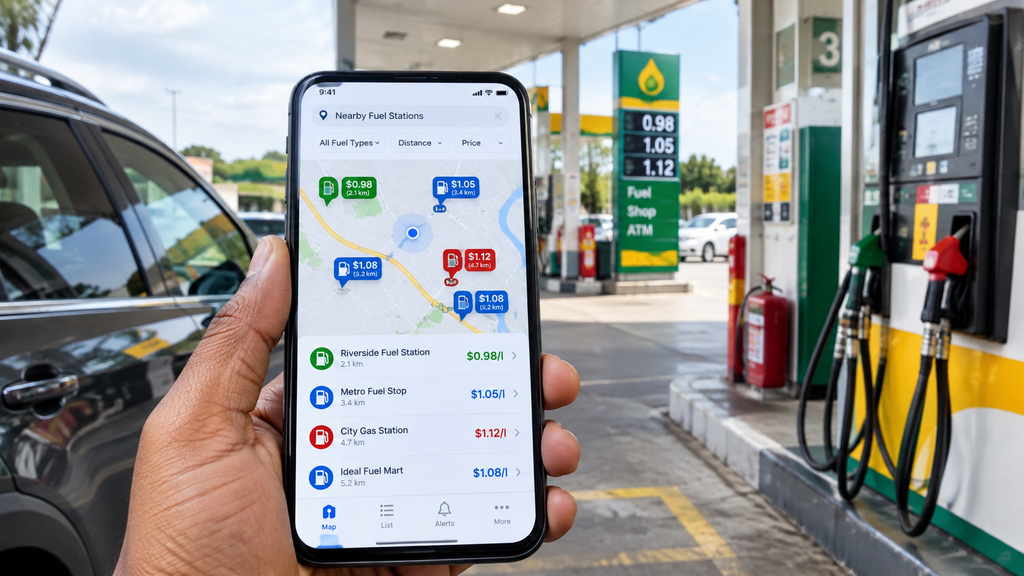
Interactive maps present a visual solution for finding and comparing fuel stations. Instead of what is often a large list of location options, drivers have stations displayed around their present location or destination. Upon selecting a station from the map, users may also see information about fuel prices, distance, operating hours, and what other services are available.
Station maps do very well when you are in unfamiliar territory. A traveler to a foreign city may not be familiar with local gas stations. A map app may present what options are available and assist the driver in choosing which station best fits their needs. Also, some of these platforms may include routes, station brands, reviews, and extra services.
Notifications About Price Changes
Price notifications can go out when fuel prices change or when a station puts out a price that meets your set preferences. Instead of constantly checking an app which may or may not have what you are looking for at that moment, users can allow the app to do the legwork and alert them when it is time.
This feature is useful for drivers who top up their tanks very often. As for alert accuracy, that is based on how fast the app receives new information. Also, users should check when a price was updated before heading out to a gas station, as prices may have changed since the alert went out.
Setting Personal Price Preferences
Some programs allow drivers to set their own preferences. A user may put in a request for notifications which go off at a certain price of gas or when a nearby station has a lower price. Personalized notifications, which also include what information is to be sent out and when, can make the information more useful to the person and reduce unnecessary notices.
These features also help motorists make better decisions. As a rule, drivers who know what they spend on fuel can check prices and choose cheaper options when they come up. At the same time, it is not wise for the consumer to delay when they have to refuel in the hope of a price drop.
User-Submitted Fuel Price Updates
Community reports can also play a large part in keeping fuel prices up to date. As people fuel their cars and visit stations, they are able to log the fuel price that they see. In this way, other drivers are informed about current fuel conditions near home or on the road. Also, this creates a community-based system where members provide information which can help the whole community.
However, the time of a community report’s submission is something which must be borne in mind. A price put in some days earlier may not be relevant at all, especially when fuel prices are fluctuating quickly. The best platforms are those that present date stamps and are updated regularly, which in turn allows the user to determine if the information is current and useful.
Comparing Petrol and Diesel Prices
A great feature of a fuel comparison app is having separate petrol and diesel price displays, as a fuel station may present better prices for one type of fuel which does not always translate to the other. Also, drivers must pay attention to what fuel is required by their vehicle in order to make an accurate comparison.
Motorists may also estimate what that fuel price change means for the total fill-up cost. What may be a small difference per litre may, in fact, end up being a large saving when buying a large volume of fuel. At the same time, it is also true that a gas station which is a little cheaper may not always be the best choice if it is far out of the way.
Route Planning and Fuel Savings
The economical option among fuel stations is sometimes not the one which is least priced. At times, what may save you the most at the tank may also require a long detour, which in turn may cancel out the savings. With route planning tools which have grown in use today, drivers are able to find stations with good prices without greatly deviating from their route.
Drivers are able to check which stations are available before they leave, and they may include a fuel stop in their itineraries. This is very useful for commuters, delivery drivers, and those who travel large distances. By planning in advance, they are presented with more options and are less forced into making last-minute fuel stops when the tank is almost empty.
Using Current Information During Price Changes
When fuel prices see large variations, having useful information becomes very important. Drivers are able to compare what nearby stations are charging and identify which have better prices. Also, alerts and recent reports may, in turn, make important changes more noticeable to the motorist.
Drivers should not try to predict fuel prices with complete certainty. Past data may present trends, but it is not a guarantee of what is to come. Fuel apps do best when they put present information in perspective and help drivers make practical choices based on what is available.
Price History Can Provide Useful Information
Some fuel providers present a price history report that shows how prices have changed over time. Instead of just showing the present price, this feature, which also includes past price data, helps drivers see if fuel has recently gone up or down.
Price history also reports which way prices have been trending and what may be expected based on past information as a guide to present and future issues. Though past prices may not be indicative of what is to come, they do provide a base of information which may be useful. Also, drivers that pay attention to their fuel costs may see this as a tool for budgeting and planning.
What to Look for in a Fuel Price App
The best fuel price apps should go the extra mile to present information in a simple and intuitive way. What we see in the best of these is that they do location-based lookups, present station maps, have clear price displays, are updated recently, and also allow for a choice in fuel type. Also, what is great is that users can compare what is available at nearby stations without having to dig deep into the app.
Additional features like price alerts, route planning, community reports, and price history can put an app in a class of its own. At the same time, local coverage is very important. An app may have a great many advanced features, but if it does not provide reliable information in the areas where the driver travels, it will not do them much good.
Fuel Price App Tips
Motorists should check the date of the fuel price report they are looking at. Information can very quickly become out of date, which is especially true for pricing that fluctuates. Also, comparing prices at several stations nearby can give a better picture of what to expect instead of going by a single report.
Drivers should also consider the total cost of getting to a station, which includes distance, traffic, time, and fuel. At times, a cheaper price may not present a real saving. It is best to determine a balance between how affordable a station is and how convenient it is.
Conclusion
Apps that report low fuel prices in your area can help drivers make better refueling choices. We have location-based searches which put what is near you at the top, while station prices can also be compared. Maps can show which way to go, price history is a useful feature, and community reports can provide information when fuel prices are fluctuating.
The best way to use these tools is to look at both price and convenience. Drivers should check the recency of information, compare nearby options, and steer clear of unnecessary detours. Via reliable fuel price apps and digital tools, drivers may better understand local fuel prices, do a better job of planning refueling stops, and make informed decisions on where to buy petrol or diesel.