Driving cost per kilometer goes beyond just the price of fuel that you put in when it runs out. Each trip you take has a price, which for the most part goes to the fuel the car uses, the price of that fuel at the time, and the distance you travel. By understanding your driving cost per kilometer, you can better estimate what you will spend on daily commute, errands, and long-distance trip budgets.
Calculating the cost per mile or kilometer makes budgeting easier for drivers to plan any trip’s expense. As fuel is the main issue, repairs, insurance, wear and tear, as well as other ownership issues, will also play a role in the total operating cost of a vehicle.
Understanding the Basic Cost of Driving
Fuel use, fuel prices, and distance all play a role. An efficient fuel car goes further with the same amount of fuel, which in turn means a car that has high fuel consumption will cost more to run over the same distance.
Distance also plays a primary role in this because a small cost per kilometer can grow into a large expense at scales of hundreds or thousands of kilometers. Also, when you look at fuel efficiency in correlation with present fuel prices, what you are able to do is see how what you put into your tank translates each time you hit the road.
What Is the Issue With Cost Per Mile or Kilometer?
Knowing your cost per mile or kilometer allows you to easily figure out what it will be for various trips. Being able to give a price for a trip is easy if you know your average driving cost, which you then multiply by the distance of the trip you are planning.
This issue is also that drivers may not be aware of the financial impact of driving. This information can come into play when people are choosing between different commutes, which routes to take for a road trip, what mode of transport to use, and budgeting for what they put towards their car each month.
How to Calculate Driving Cost Per Kilometer
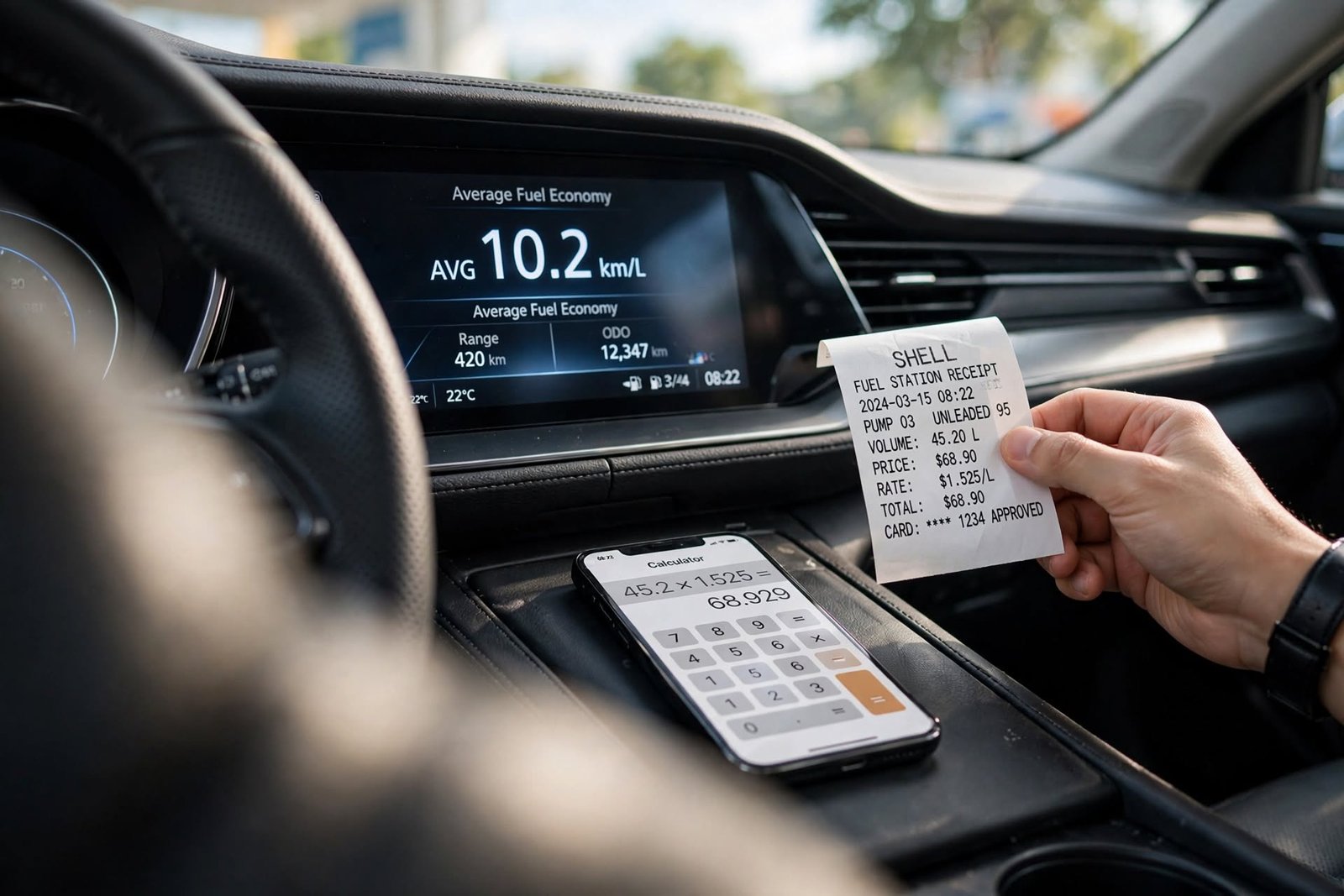
If you are aware of the number of kilometers your car does per liter, then fuel cost per kilometer is easy to calculate. Take the price of one liter of fuel at present and divide it by the number of kilometers that the car does on a single liter.
For instance, if fuel costs ₦1,000 per liter and your car averages out to 10 km per liter, we have:
Fuel cost per km = Fuel price ÷ Kilometers per liter
₦1,000 ÷ 10 = ₦100 per kilometer
This means that a car uses about one hundred Naira for each kilometer it travels. For a 50 km trip, which is a typical work trip, we see a fuel cost of about ₦5,000 under the same set of conditions.
Determine the Price of a Given Trip
Once you determine your cost per kilometer, you may estimate the fuel cost of almost any trip. Just multiply the cost per kilometer by the total distance you plan to travel.
For instance, if you have a car that costs ₦100 per kilometer and you are traveling 80 kilometers, that is what the calculation will be:
₦100 × 80 kilometers = ₦8,000
Remember, for large trips, to account for the return journey, which will double the distance. An 80 km trip one way turns into a 160 km round trip and thus doubles the fuel cost.
How to Calculate Cost Per Mile
The same approach applies to measuring distance in miles. If your car’s fuel efficiency is in miles per gallon, then divide the price of fuel by the number of miles the car travels per gallon.
For instance, if fuel is at a cost of $4 per gallon and the vehicle in question goes 25 miles per gallon, the calculation is:
$4 ÷ 25 = $0.16 per mile
This means that the vehicle costs 16 cents in fuel for every mile of travel. For a 100-mile trip, that would be about $16 in fuel.
Calculating Your Daily Commuting Costs
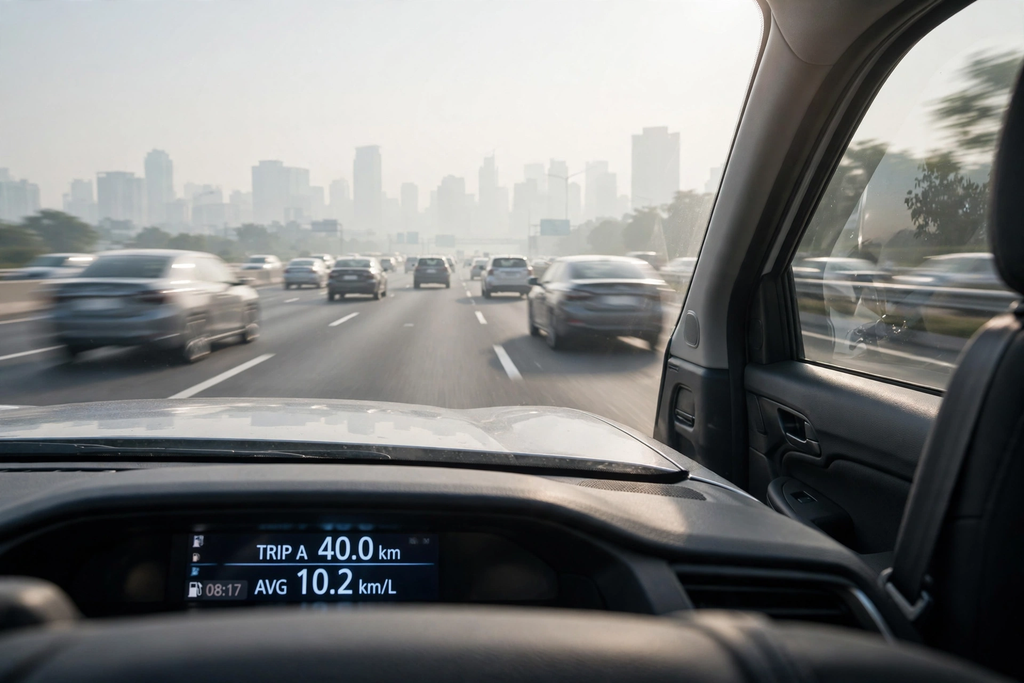
Daily travel to and from work may break the bank, which you may notice if you add up the repeated trips along the same route for a few weeks. In order to see what your total spending on this is, do this: note down your total distance for a round trip and then multiply it by the rate per km or per mile.
For instance, a driver who puts in 40 km daily in a car that costs ₦100 per km is expected to spend about ₦4,000 daily on fuel. Over a five-working-day week, that is over ₦20,000, which is a very large chunk of a monthly transport budget.
Determining the Cost of a Long-Distance Trip
Long trips on the road require more effort in your planning, which is especially true for fuel, as it may end up being a large part of the total trip cost. Also, determine the total distance you will be traveling, which includes the trip back from where you came and any extra travel that you think you might do.
For instance, a car that costs ₦100 per km and covers a distance of 600 kilometers would have a fuel cost of ₦60,000. Also, it is a good idea to include extra money for unforeseen detours, traffic, or extra travel.
Factors That Can Increase Driving Costs
Fuel cost is a variable that may greatly change the cost of driving. As fuel prices go up, each kilometer or mile becomes more expensive, even when the car is using the same amount of fuel.
Driving habits and the roads the car travels on also play into fuel use. In heavy traffic, with aggressive acceleration, going too fast, idling when it is not necessary, and loading the vehicle beyond what it needs to carry, you see an increase in fuel use, which in turn raises the price of each trip.
Maintenance Costs
Fuel is just one aspect of a larger picture when it comes to the costs of driving. Also included are maintenance issues like oil changes, tires, brakes, filters, batteries, and repairs, which should be taken into account for the full picture of running a car.
One approach is to use the distance traveled to estimate maintenance costs. For instance, if you spent ₦200,000 on maintenance that covered 20,000 kilometers, that means, on average, you spent approximately ₦10 per kilometer. This may be added to your fuel cost for a full picture.
Insurance and Depreciation
Insurance, registration, and other fixed costs add to the price of car ownership, which can then be divided by the number of miles or kilometers you drive each year to determine what that breaks down to for each trip.
Depreciation is also an issue, as most cars see a drop in value over time. Also, high mileage plays a role in resale value, which in turn means each kilometer added may, in fact, be a financial hit to the car’s overall value.
A Complete Cost Per Kilometer Example
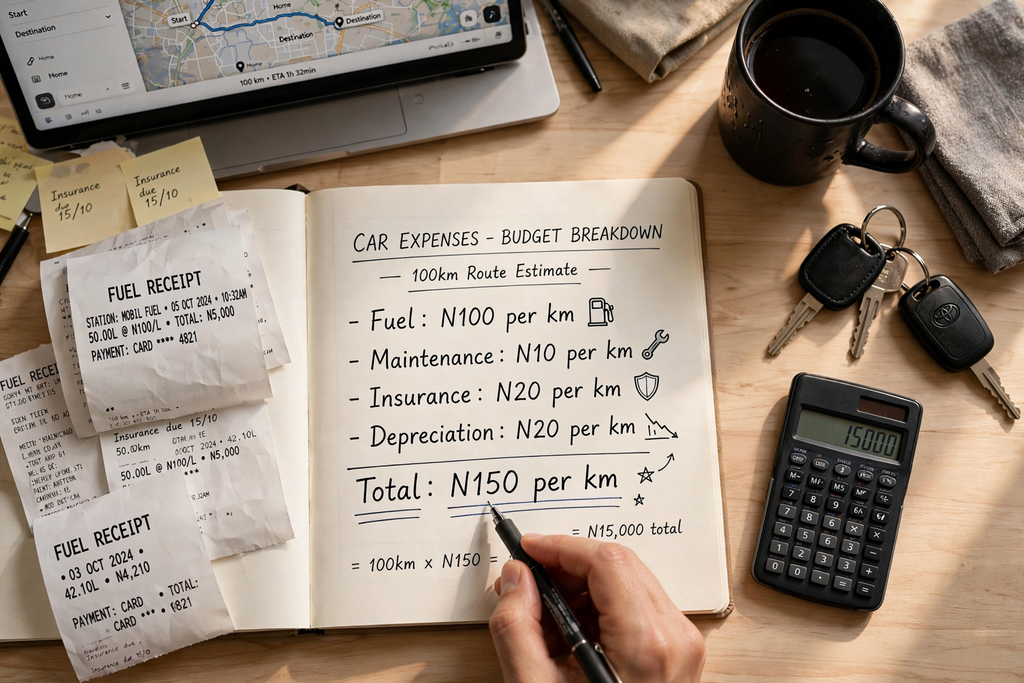
Think of a situation where you have the following expenses related to your vehicle:
- Fuel: ₦100 per km.
- Maintenance: ₦10 per km.
- Insurance and registration: ₦20 per km.
- Depreciation: ₦20 per kilometer.
The actual financial cost of driving will be around ₦150 per km. Thus, a 100 km trip may see a total expense of about ₦15,000, which in turn may not see that much of it go towards fuel.
How to Lower Your Car Expenses
Drivers may see results in reduced costs by improving fuel efficiency and reducing unnecessary driving. Topping off tires with proper air pressure, routine vehicle care, smooth acceleration and braking, and avoiding unnecessary idling also help to lower fuel use.
Combining errands into one trip and avoiding unnecessary trips in the first place will also see you put less fuel in the tank. Once you see what it costs per kilometer or mile to run your car, you are able to make better choices about what you do with the car.
Conclusion
Calculating the numbers for how much it costs drivers per mile or kilometer gives motorists the information they need to see what they are really putting into transport. We also have an easy calculation that includes fuel prices, fuel efficiency, and distance, which we use to determine the cost of each trip, daily commute, and long-distance travel.
For an in-depth look at your finances, we see that drivers may include maintenance, insurance, registration, and depreciation. By tracking these expenses, what we find is that it enables motorists to budget better and also make wiser decisions regarding vehicle ownership and daily travel.