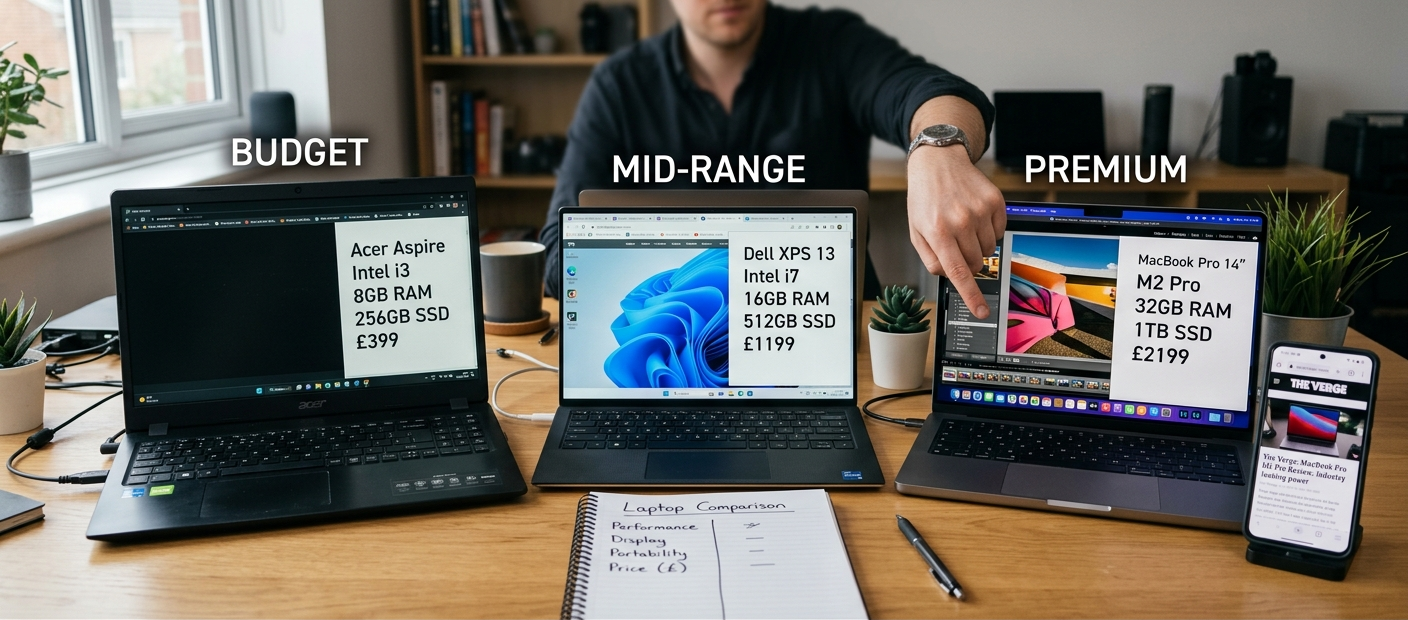
Whether you’re looking to buy a laptop for school, work, entertainment, creative endeavors, or your everyday browsing, it’s a significant investment. There are hundreds of models offered by various manufacturers and it’s easy to get lost in the specification, advertising and web reviews. While some buyers are concerned with certain appealing elements like processor speed, storage capacity, or brand reputation, they fail to consider the other elements that play an important role in ensuring long-term satisfaction.
A laptop that sounds great in theory can end up letdown after months of use if it doesn’t have adequate cooling, poor build quality, it doesn’t offer much upgradeability, or lacks some features that are suitable for your everyday use. Avoiding common purchasing mistakes can help you choose a device that delivers reliable performance, durability, and value for years.
1. Purchasing a Laptop Without Knowing Your Actual Needs
The first mistake is the purchase of a laptop that is not actually needed. The first error is that of purchasing a laptop without knowing what your needs really are. The worst thing that people can do when buying a laptop is to simply get a laptop without knowing what they really need. A student who primarily uses a laptop for research and online learning and for making documents does not require the same laptop as a video editor, software developer or professional gamer. However, many customers pay for higher-end specifications that they don’t use much as they believe that more powerful devices are better. When buying a laptop, ask yourself what are your everyday tasks and what software you’ll need, how big you want the display to be, how much mobility you require and how many years you want the laptop to last. If you have a clear understanding of your own needs, you will have a buying guide and avoid paying for features that won’t make a difference.
2. Excessive Specifications; Paying Too Much for Too Little
One of the most common buying errors is thinking that the higher the price of the laptop, the better the quality. The more powerful processors, amount of RAM, extra graphics cards, and high-end displays can add up, but there are users that won’t need them. A person who mostly writes documents, participates in online meetings, and watches videos online, for instance, may not see much difference between a moderate processor and a high energy processor intended for professional use.
The cost of unnecessary performance can mean you are spending more money than you need for features that are much more important like battery life, building quality, keyboard comfort and warranty support. Such a smart buyer should look at the specifications in such a way as to consider the practical performance, rather than just the numbers.
3. Selection of a Laptop Based on a Single Brand Name
While brand names may be useful when you compare laptops, it is a mistake to base your decision solely on the company name. A lot of people think that only a well-known brand will be a good brand, and that lesser known brands must be bad. In fact, most manufacturers have a variety of laptops available, such as budget, top quality, business, and specialty laptops.
Popular brands can come in great and bad models, years and setups. Before buying, look into specific models and read professional reviews, compare specs, and look at user experiences. It’s not about the reputation of the company on the front of the laptop, it is more about the features, reliability, and usefulness of the laptop itself.
4. Not Accounting for Cooling Performance in Building Design
While many users are often preoccupied with processor speed and graphics performance, one of the most crucial aspects of laptop performance that they tend to overlook is thermal management. High-end chips in a substandard cooling envelope could cause the system to start to slow down when it’s hot. This issue is called thermal throttling, which occurs when the laptop reduces its performance when the temperature rises, which results in slow performance.
Battery health can also be compromised due to poor cooling and the lifespan of internal components may also be shortened. Do some research into how the laptop responds to heat before buying it, especially if you’re aiming to use it for gaming, programming, video editing or anything similar. In many cases, a laptop that is well-balanced, with good cooling capabilities, can deliver a more authentic experience than a more powerful laptop that has insufficient cooling.

5. Failing to Consider Build Quality and Durability
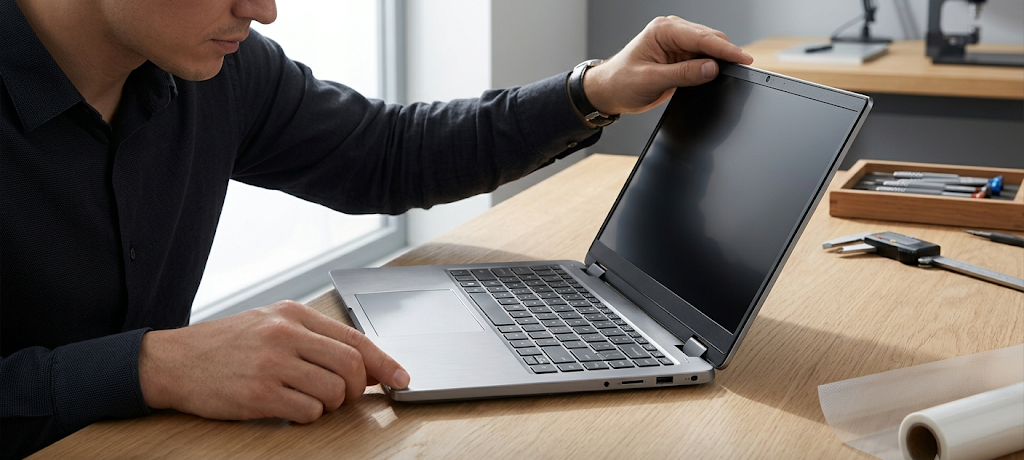
The other common error is picking a laptop that’s all about the specifications and not the hardware. A laptop will be regularly opened and closed and carried around, so it needs to be durable. The poor quality of the materials, weak hinges, uncomfortable keyboards and fragile designs can be a problem over time. It may be better to get a bit more expensive with a stronger chassis and better engineering if the laptop will last you a lot longer than the cheaper option.
They should check the feel of the keyboard, the trackpad, the flexibility of the screen, the hinge’s durability and the general design of the device. Your laptop is more than just hardware – it’s a device that should endure the test of time with minimal discomfort and efficiency.
6. Ignoring Ports and Upgradeability
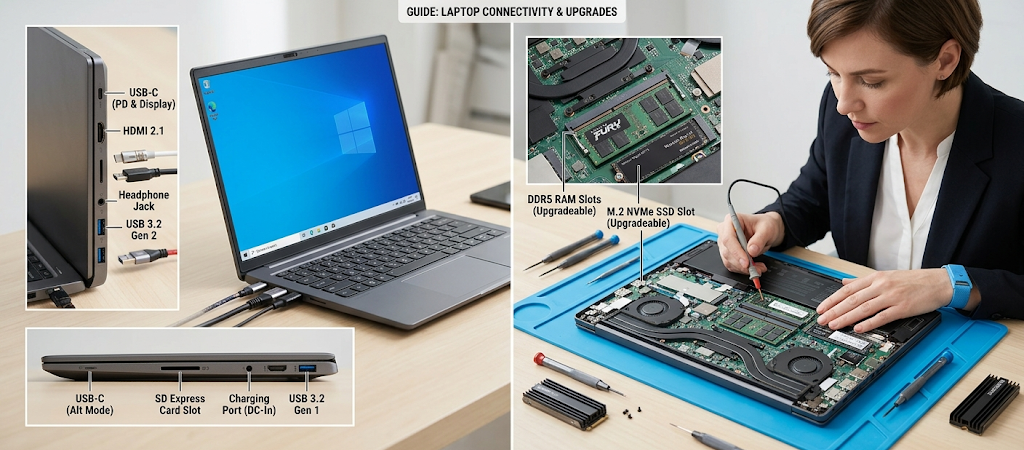
Many buyers do not consider connectivity options and future upgrades when buying a computer due to focusing on performance specifications at the time of purchase. But if you don’t have a port or don’t have enough upgrades, you may encounter challenges later on if you change your requirements. If there are not enough USB ports, it is not easy to connect the display, or the storage space is limited and needs to be expanded, you may need to buy extra accessories or consider upgrading the laptop.
Make sure that the device you are buying has the right connections and upgrades you can make in the future. Knowing about ignoring ports and upgradeability can help the buyers realize which parts of the laptop can be upgraded and why this is important when buying a long-term investment laptop. Ensuring that the RAM is accessible, there is storage room and ports available keeps your laptop useful as technology demands evolve.
7. Using Storage Capacity Without Considering Its Usage
One mistake that many buyers make is on the matter of storage. There are also those who buy laptops with low storage for the initial price, but find that the storage space is soon gone. Others buy minimal storage that they never use for extremely large storage. The right storage option will depend on your activities, such as the number of applications you use, the volume of your files and if you store big media collections.
Solid-state Drives(SSDs) offer better performance than the previous generation of storage solutions and are crucial for the system’s performance. People should not consider capacity alone when purchasing a storage device because storage size, storage speed and storage cost must all be taken into account.
8. Not Following Battery Maintenance Guidelines
Laptop users who don’t work at a desk are most concerned with battery life, yet it’s one of the least talked-about features when shopping for a laptop. People are sometimes impressed by the performance specifications but they do not care about the duration of the laptop’s battery life. Students, travellers or professionals who need to do work in various locations on a regular basis, may find a high powered laptop with a short battery life to be extremely inconvenient.
There are many factors that affect the performance of the battery, such as the efficiency of the battery and the screen, software use, and battery capacity. Don’t rely on the advertised battery life; find out about actual testing and think about the activity level of the laptop. Using a device with an expected powerful battery life makes things easier and less reliant on constant charging.
9. Not Taking the Quality of the Display and Keyboard Into Account
The screen and the keyboard are two aspects of a laptop computer that users use regularly, but many buyers overlook when buying. A laptop’s internal components can be great, but with a bad keyboard, color accuracy, brightness, or poor resolution, it will be an unpleasant experience. These features are particularly important to bear in mind when writing, creating documents and editing images or videos, especially for students of the latter two categories.
Having a comfortable keyboard can make you more productive and a quality display can help reduce eye strain and improve viewing experience. Assessing these aspects before you buy a laptop will let you know it will be easy and fun to use every day.
10. Purchasing Without Doing Any Research on Reviews or Real User Experiences
When it comes to advertising, a laptop’s selling points are emphasized but not all of its faults are uncovered. Buying a product without reading reviews can produce unanticipated issues after investing a considerable amount of cash. Quality, consistency of performance, heat performance, battery performance, keyboard quality, repairability and reliability are common areas of analysis in professional reviews.
User reviews can also provide insights into frequently occurring problems that aren’t necessarily mentioned in product descriptions. Plum buyers, however, should not take one opinion at face value, and instead search for trends in several opinions. Researching carefully before buying helps to weed out marketing hype from actual performance, and helps buyers make informed decisions.
11. Ignoring Warranty and Customer Support
Lap tops are complicated electronic gadgets, and even the best can have technical problems. Buyers often overlook the warranty coverage and customer support services they can get when they are researching buying options. If the laptop is difficult to repair, parts are expensive to replace, or the customer service is not up to scratch, the laptop will cost more than it’s worth.
Look at the warranty period, repair choices, and manufacturer’s reputation before buying. This is particularly important if the laptop is required for school, work or a project. Should issues arise, a good after-sales service can help alleviate worries and safeguard your investment.
12. Taking a Quick Decision Without Considering Alternatives
Many people when buying a laptop make the final error by rushing their choice. Tempting offers, special deals, or enticing ads may push you to buy now, but a laptop could last you a number of years. Doing a bit of research will help you to look at different models to determine performance, cost, durability, features, and user ratings.
By doing a careful comparison, you can determine that a different model is a better value or that something even less expensive is just as good. Making the best buying decision is not about appearances, marketing but researching and understanding personal needs and expectations.

Final Checklist Before Buying a Laptop
When buying a laptop, look at all important factors rather than just one field. Check that the processor and memory are appropriate for your tasks, the amount of storage space is for your files, battery life for your lifestyle, and the design is comfortable and durable. Look at the cooling system, durability, the number of ports, upgrade options, warranties, and reviews from experts.
A laptop doesn’t have to operate so well during its first months and years; it should operate effectively after that. By steering clear of these pitfalls, buyers can make more informed decisions, minimize the chances of disappointment, and select a laptop that will meet their needs and provide a solid investment.