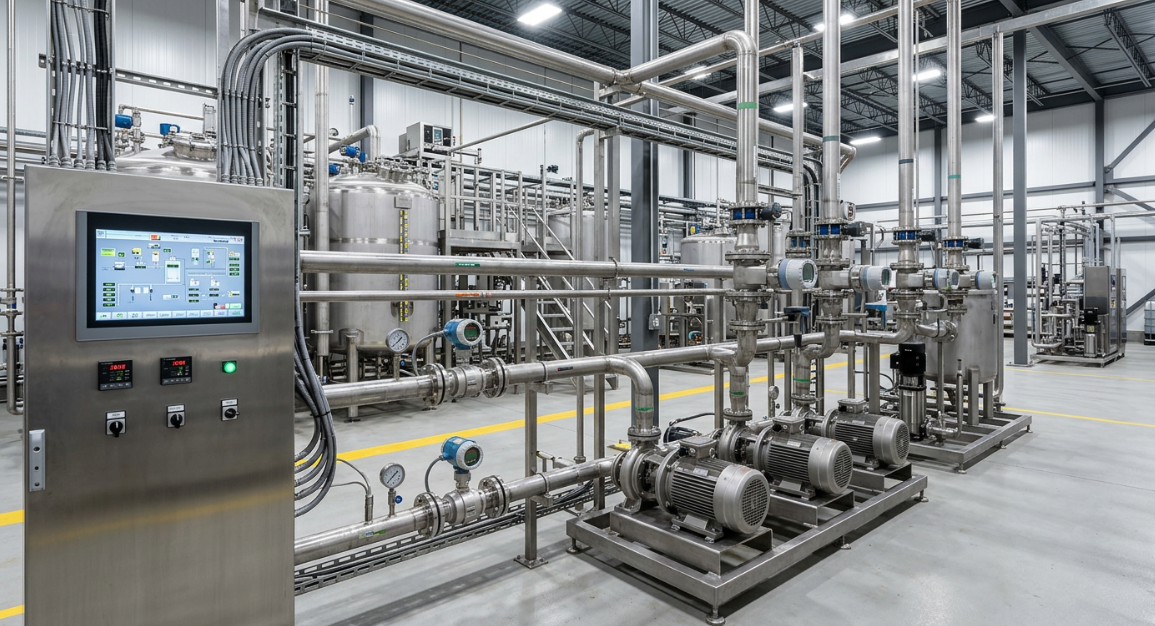
Most businesses treat filtration as a background function — something that runs quietly until it doesn’t. That mindset is precisely where problems begin. When a filter housing fails mid-batch or a membrane degrades ahead of schedule, the damage is rarely contained to the filtration unit alone. It spreads. Production halts. Quality teams scramble. Customers notice delays before anyone has had the chance to explain them. The filtration equipment suppliers chosen months earlier are often the root cause nobody looked at closely enough at the time.
Wrong Supplier, Right Disaster
There is a pattern that repeats itself across industries. A procurement team selects a supplier based on catalogue availability and a competitive quote. The equipment ships, gets installed, and functions adequately — until it doesn’t. What nobody evaluated was whether the supplier understood the specific chemistry of the process fluid, the particulate load variations across seasonal production cycles, or the pressure drop implications of scaling up output. These are not abstract concerns. They are the difference between a system that ages gracefully and one that fails during peak demand.
Sector Knowledge Isn’t a Bonus Feature
Suppliers who genuinely specialise in a given sector carry knowledge that cannot be downloaded from a technical sheet. A supplier experienced in pharmaceutical filtration, for instance, understands how validation documentation affects procurement timelines and why extractables and leachables data matters before a single filter is installed. That same supplier working in food processing knows that sanitary design requirements are not cosmetic — they directly affect cleaning cycles, microbial control, and audit outcomes. Filtration equipment suppliers without that grounding often deliver equipment that technically fits the specification but practically creates friction at every operational stage.
Certification Gaps Cost More Than They Save
Some businesses discover, rather painfully, that a supplier’s compliance claims do not hold up under scrutiny. Equipment that lacks proper material certifications or traceability documentation becomes a liability the moment an external audit arrives. Sectors operating under strict hygiene or safety frameworks cannot retrofit compliance after installation. The paperwork either exists from the outset or the entire purchase is called into question. Reputable suppliers understand this and build documentation into their process, not as an afterthought, but as a fundamental deliverable alongside the equipment itself.
Standard Configurations Rarely Fit Unusual Processes
Most industrial processes have at least one characteristic that sits outside textbook norms — an unusually viscous fluid, extreme temperature swings, or an aggressive cleaning agent that shortens component life. Off-the-shelf filtration handles textbook conditions reasonably well. It tends to struggle everywhere else. Trusted filtration equipment suppliers with genuine engineering depth can work backwards from the process reality rather than forwards from a standard product range. That distinction matters enormously in practice, when the alternative is repeated troubleshooting, unplanned maintenance, or premature replacement of equipment that was never quite right to begin with.
The Aftersales Silence Problem
A surprisingly common complaint across processing industries is the supplier who is highly responsive before the purchase order is signed and considerably harder to reach afterwards. Engineers go silent. Lead times on spare parts stretch unexpectedly. Technical queries get redirected endlessly. This is not a minor inconvenience — it is an operational risk. Filtration systems require periodic maintenance, and that maintenance depends on genuine aftersales engagement. Businesses that specifically vet suppliers on post-sale responsiveness before committing tend to avoid the particularly frustrating experience of being quietly deprioritised the moment a contract is settled.
Conclusion
Filtration is one of those disciplines where the implications of a bad supplier choice take time to completely emerge — but when they inevitably do, they surface loudly and at the worst possible moment. The appropriate filtering equipment vendors deliver actual process-specific expertise, honest compliance documents, and the real technical competence to manage what fits comfortably beyond the conventional range. They also remain really involved long after installation, since they recognise that a system still functioning reliably years down the road is the most credible advertising any provider can have. Choosing filtration equipment suppliers on that basis, rather than on catalogue breadth or a competitive price alone, is the choice that silently safeguards everything downstream of it.