Introduction
The revolution in technology has taken a massive stride and has been reshaping the lives, work, communication, businesses, and solving complex problems of the people in an incredible way. What used to be science fiction are things that are becoming reality in homes, schools, hospitals, factories, financial institutions, transportation systems, and government services. Emerging technologies are opening new avenues for possibilities, and at the same time posing new challenges that societies need to know and handle, including the possibilities of artificial intelligence, robotics, biotechnology and advanced communication networks.
As these developments are not happening in isolation, but are… increasingly connected, advances in one area support advances in another. Being knowledgeable about the key emerging technologies that have the potential to shape the future can enable individuals, communities, governments and organizations to plan for a future where change is sweeping through in greater and greater force. As these technologies evolve, they have the potential to transform global economies, access to key services, new industry sectors, and relationships with digital and physical environments.
Artificial Intelligence and Machine Intelligence
AI is one of the most impactful technologies of the future because it allows the computer system to execute tasks that have been traditionally done by a person with intelligence. These skills involve identifying patterns, handling language, analyzing information, creating content, making predictions, and complex decision making. AI is already employed in healthcare, finance, education, transportation, customer service, agriculture, cybersecurity and manufacturing. With the growing capabilities of these AI systems, there are significant expectations that their applications will grow.
AI can help businesses process vast amounts of data and optimize their processes, and it can help researchers uncover patterns and insights that would be hard to find by hand. Technological advancements are not the only factors driving the future of artificial intelligence; the responsible use by organizations and the solutions societies offer to issues related to privacy, fairness, employment, security and human oversight also play crucial roles.
AI in Everyday Life and Industry
Future advancements in AI might result in more personalized and responsive digital service. Smart software could enable students to grasp complex topics, guide professionals through mundane work, guide businesses in predicting customer demand, and help doctors analyze complex medical data. AI can also help in manufacturing by collaborating with automated machinery to detect issues, optimize production workflows, and minimize waste. There are also systems available that can analyse the weather conditions, soil data, crop health and other information to assist in better decision making for agriculture.
But AI won’t take the place of human judgment completely. Empathy, creative thinking, ethical thinking, communicating and sensitivity to social context come into play in many situations. Future developments may thus be expected to be more in the direction of human co-working with intelligent systems, than in one where human beings are replaced by intelligent systems. The key to adapting to the growing capabilities of AI technologies will be through education and workforce training, ensuring people have the skills to collaborate with them.
Quantum Computing
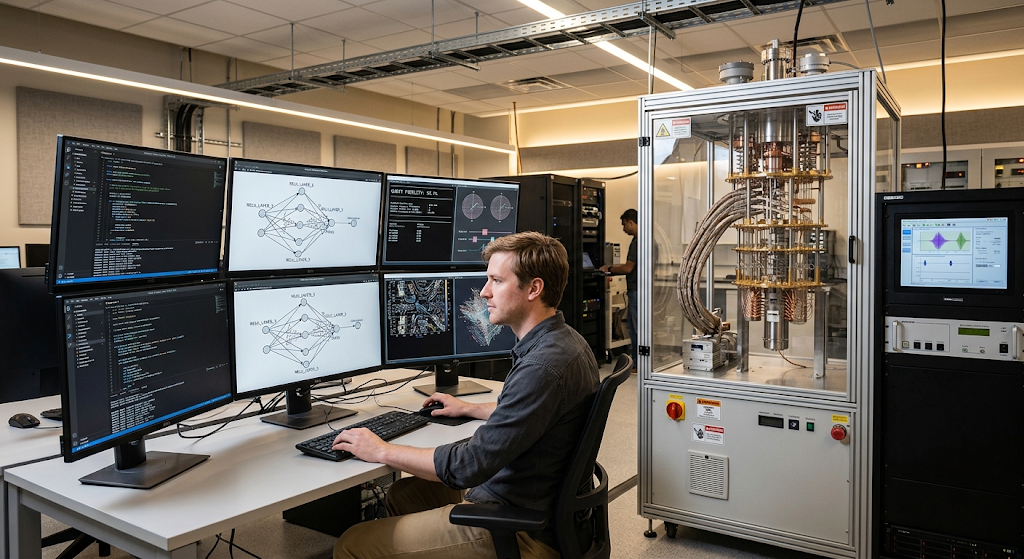
Quantum computing is a completely different way of computing. In a traditional computer, bits are used to store information (e.g., 0 or 1); in a quantum computer, quantum bits (qubits) are used to store information and take advantage of quantum mechanical properties. Such an approach can be much more efficient than traditional computers in solving certain classes of problems. While the field of quantum computing is still in its early stages, and applications that are large-scale are a significant challenge for research, the potential of quantum computing is enormous.
It has been investigated for various applications, such as materials science, chemistry, optimization, cryptography, drug discovery, and complex simulations. The development of reliable and scalable quantum computers, if it happens, will enable researchers to get a better look at problems that are currently too hard to solve with the most powerful conventional computers around. Meanwhile, quantum technology is likely to raise new security issues as a quantum computer of a certain level of capability would be a threat to some current security tools, emphasizing the need for new quantum-resistant security methods.
The Potential Economic Impact of Quantum Technology
While the impact of quantum computing could be limited to the research labs, tech companies, governments, and niche industries, in the future, its impact may be far-reaching. Increased simulation power could enable researchers to create new materials, enhance energy technologies and design new chemical processes. Financial institutions might apply quantum methods to some complex optimization challenges, and logistics firms might explore how to optimize their routing and resource allocation processes using quantum methods.
The technology might also help in scientific research through more complex physical and chemical system models. However, don’t think that quantum computing is meant to replace traditional computing. Whereas, conventional computers will continue to be used for most of our daily tasks and quantum computers will be used alongside them to solve specific problems. A synergy between classical, cloud, specialized and quantum technologies could therefore form the basis for the future of computing.
Robotics and Intelligent Automation
Robotics is the field that integrates mechanical engineering, electronics, software, sensors, artificial intelligence, and control systems to design and build robots that can execute physical actions. Robots are already widely deployed in factories, warehouses, agriculture, medical research, and other specialized areas. The next generation of robotic systems will be both more flexible and intelligent and will be able to function in more challenging environments where they cannot be easily maneuvered.
Technological advancements in the sensor, computer vision, machine learning, battery and lightweight material sectors are aiding this progress. Robots would be able to execute repetitive, dangerous, or extremely precise tasks and free people up to communicate, problem-solve, be creative, and make complex decisions. Whether it’s in the transportation or logistics industry, inspection, construction, or disaster response, there are other instances in which autonomous systems might become more prevalent. As they become more prevalent, they will bring opportunities for greater productivity and will add new demands for education, retraining of workers, safety, and responsible deployment.
Human-Robot Collaboration
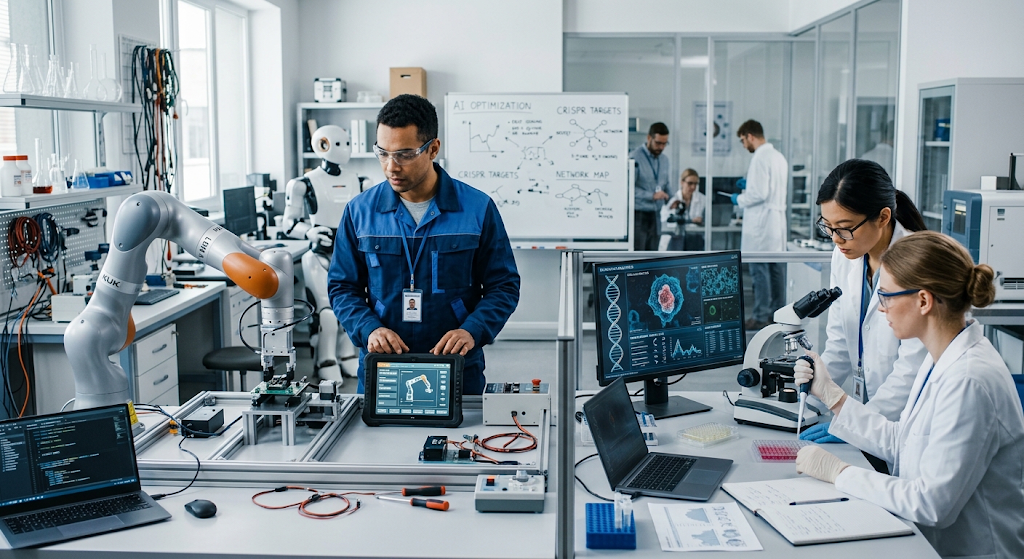
Robotic future doesn’t always have to be a robot operating without a human. One of the biggest things, the collaboration between humans and robots, could be one of the most significant developments in the years to come—where robots are designed to work alongside humans, not to replace them. In factories, collaborative robots can aid workers in physically heavy or repetitive tasks. In medical settings, robots can be used for specific tasks or to help with rehabilitation, moving supplies, or other well-defined tasks.
Robots can be sent to inspect damaged structures or gather information in risky environments, where it would be dangerous to send people. Designing robots safely, reliably and with a level of human interaction is essential for these applications to work. There will also be a need for workers to be able to operate, supervise, maintain, and work with automated systems. The rise of robotics may also lead to the emergence of new technical jobs while some of the current jobs are being transformed by automation.
Biotechnology and the Future of Health
Biotechnology entails the application of living organisms, cells, and their genetic information to create products and solutions in the fields of human health, agriculture, environmental management, and industrial production. The developments in biotechnology have the potential to provide new insights into disease, medicines, crop development, and production of biological materials. Scientists are learning more and more about the mechanism of action of genes, cells, proteins and biological systems, which offers a greater opportunity to pursue more focused approaches to health and scientific research.
New biotechnology has the potential to create better methods for diagnosis, customised treatment, regenerate medicine, vaccines, and agricultural production and sustainable manufacturing. Biotech and AI-computing and other advanced computing could further boost the research speed by analysing huge biological data and finding interesting patterns. But biotechnology also gives rise to significant ethical, environmental and safety concerns and therefore the science needs to be accompanied with responsible regulation, proper testing and public debate.
Biotechnology Beyond Medicine
Biotechnology will have a greater impact outside of hospitals and pharmaceutical research labs. Biological innovations for improved crop resilience, lower losses and food production in the face of changing environmental conditions could be beneficial for agriculture. Industrial biotechnology could support manufacturers to make some chemicals, materials, fuels and other products with biological processes that could lessen reliance on industrial processes. Biotechnology could also be a part of the solution for the environment, assisting in the monitoring of pollution, treating waste and implementing biological solutions to environmental restoration.
These are just a few examples of the many reasons biotechnology is attracting more attention as a way to help address food security, health, manufacturing and sustainability challenges. Concurrently, there is a need to reflect on issues related to genetic technologies, environmental impacts, access to biotechnology, and responsible management of biological information for society. With the increasing capabilities of these technologies, strong scientific standards and ethical safeguards will be crucial.
Blockchain and Decentralized Digital Systems
The blockchain is a method of recording and sharing information on a distributed network based on cryptographic techniques and shared rules. It was widely popularized by cryptocurrencies but has many other applications besides digital currencies. Blockchain systems may potentially be used for applications related to digital records, supply chains, asset tracking, identity systems and transactions involving multiple parties sharing information without the need to rely on a single central database. For instance, in supply chain management, blockchain systems could be utilized to keep records of products’ journey and history.
Blockchain technologies can be applied in financial services to facilitate innovative digital transactions and asset management solutions. There is also a growing interest in distributed technologies by governments and organizations for better record keeping and verification. But blockchain is not always the most appropriate solution to a problem. Before the widespread adoption of blockchain, scalability, energy usage in certain blockchain systems, privacy, regulation, governance and interoperability should be taken into account.
The Future of Digital Trust
One of the greatest possible contributions blockchain can make is to the area of trust.Trust is one of the most significant potential areas of contribution for blockchain. As more economic and social transactions go online, organizations must be able to verify transactions, records, ownership and other types of digital information in a reliable manner.
Blockchain could be a part of a larger system of trust between two groups that do not directly interact with each other. How it moves forward will rely on efficiency, security, ease of use and regulatory clarity. Unlike existing databases and financial systems, blockchain is more likely to be a niche technology where its distributed and tamper-proof features are relevant. The ability to know where the blockchain is really adding value will gain authority over taking it up for the sake of being innovative.
Renewable Energy Technology
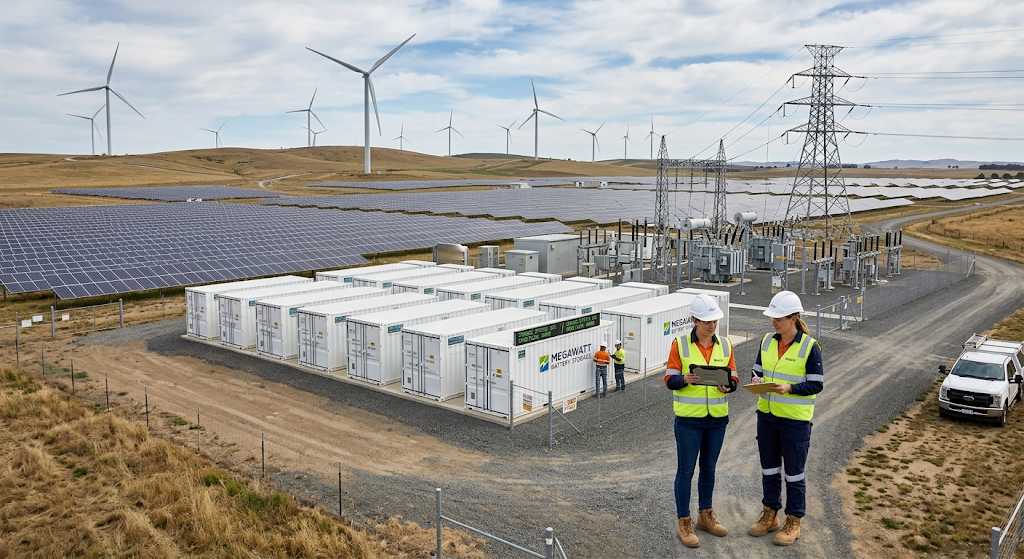
Another significant technological development that may have a major impact on the future of the world is the shift to cleaner energy. Renewable energy technologies are those that can harness energy from naturally replenished sources, such as solar, wind, hydropower, geothermal, and other means. Technologies for solar panels, wind turbines, batteries, power electronics and energy-management systems are improving and making renewable energy increasingly viable in various settings.
Some renewable energy generation is not continuous – as the wind blows or the water is calm, electricity is generated – and this is why energy storage is particularly important. Improved batteries or other storage solutions can provide a more flexible electricity system that can help to balance supply and demand. A more responsive and resilient power system can be achieved through future energy networks with renewable energy generation, storage, smart controls, electric vehicles, and distributed energy resources.
Smart Energy and Electrification
Technology will also influence how energy is consumed. Smart grids can utilize sensors, communication technology, software and automated control to monitor electricity networks and react to fluctuations in supply and demand. Intelligent systems could become more common in homes and businesses which are able to control energy usage according to energy availability, energy cost, and/or other factors. Another key area is transportation where EVs can decrease dependence on traditional fuels and develop new connections between transportation and electric networks.
With growing availability of cleaner electricity, industrial processes also could be more electrified. These developments would help to cut emissions and boost energy efficiency, but would need substantial investment in infrastructure, storage, transmission networks, manufacturing capacity and technical skills. The future energy system will therefore rely on the synergy of several technologies for energy generation, distribution, transport and consumption.
Advanced Communication Networks
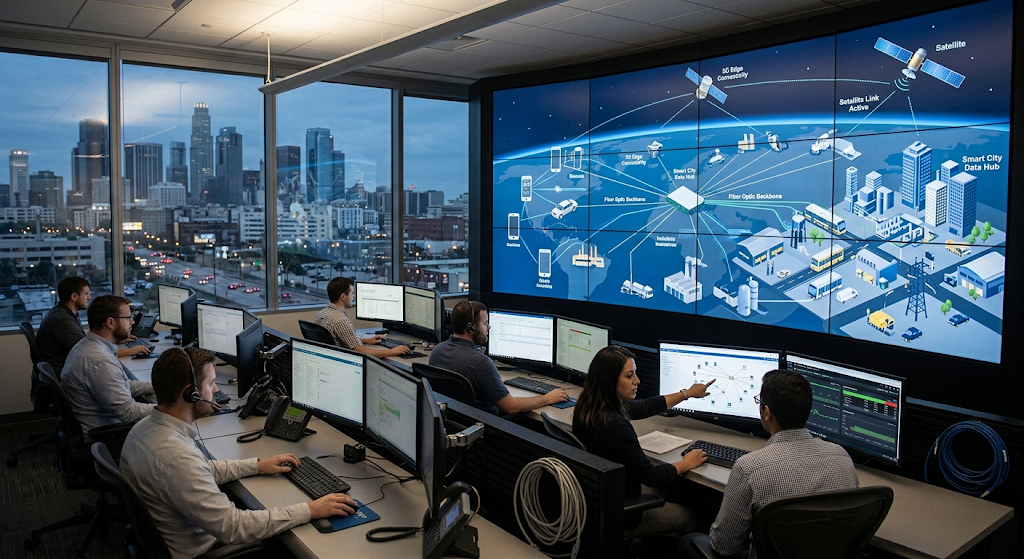
Communication networks are getting more and more powerful, faster and are now a vital component of nearly all aspects of contemporary society. Technologies that allow the exchange of information over long distances are growing and becoming more sophisticated, such as advanced mobile networks, fiber optics, satellites, edge computing, and others. The future networks are supposed to enable an increasingly connected city, industrial systems, vehicles, health technology, educational platforms and consumer technology.
Digital services can be made available to more people more quickly and reliably, with faster and more reliable connectivity, and applications that need to communicate between devices and computing systems can be enabled. As devices become more connected, communication networks will have to deal with massive volumes of data, and do so securely and reliably. The advances in networking could thus serve as the basis for many of the future technologies that are developing such as autonomous systems, artificial intelligence, robotics, smart infrastructure and immersive digital applications.
More Digital World: Connecting a Digital World.
Advanced communication networks are more than just about the Internet and its speed. Stable connectivity can enable distance learning, tele-medicine and tele-healthcare, e-commerce, financial services, government systems, and communication between communities. Within industrial settings, smart sensors can offer data regarding machines and manufacturing processes, helping businesses to keep track of operations and take prompt actions to address issues. When infrastructure is put in place in the right locations at reasonable costs, it could have a positive impact on remote and rural communities.
But the Digital Divide is still a serious problem as technology doesn’t always ensure equality of access. Affordability, infrastructure, cyber security, digital skills, and accessibility will all be key factors for governments, telecom companies, enterprises, and communities to keep in mind. Increasingly connectedness is a process that requires technological innovation and policies that will help to ensure that the benefits of connectivity are distributed amongst a wide population.
Collaboration of Emerging Technologies
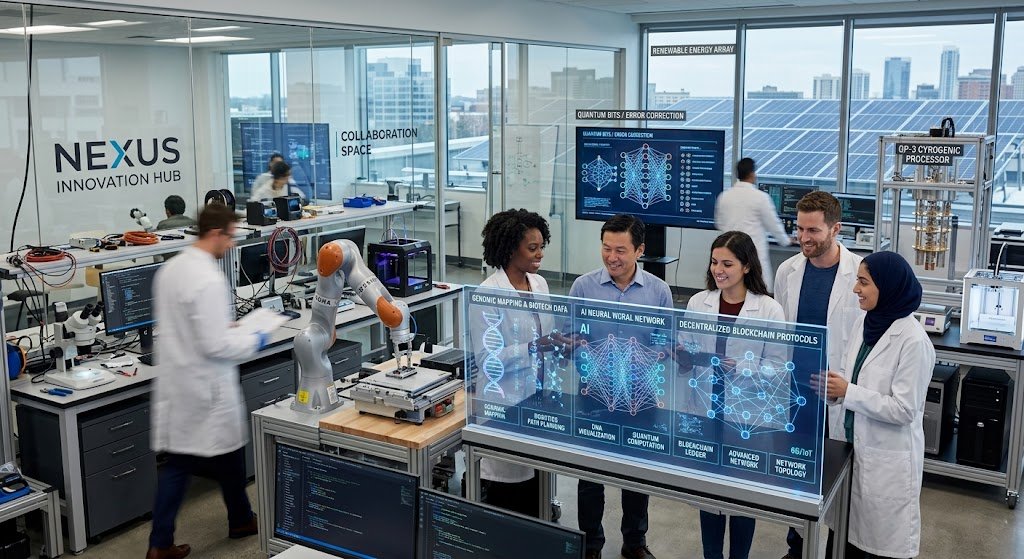
What the biggest shifts of the future may be will come from the confluence of several technologies coming together, not any single one. AI can process information that is created by connected devices, and robotics can act upon that information in a physical way. When analyzing complex biological information, advanced computing and AI can be useful for Biotechnology. Communication networks, sensors, automation, and intelligent software can be used in renewable energy systems to manage electricity production and consumption.
In the future, quantum computing may be able to help with specialized scientific and optimization problems that will lead to advances in chemistry, materials, medicine, and other areas. The convergence is a growing interdependence of technological development. Companies that know how to leverage technology from different sources can potentially be at an advantage in innovating. Meanwhile, the convergence of technologies can also increase risk, especially when it comes to cybersecurity, privacy, safety, ethical and governance concerns are in play.
Challenges and Responsibilities of Technology Driven Future
While new technologies provide tremendous potential, there are challenges that are not to be overlooked. Automation could alter the nature of employment and drive a growing need for new skills; inequitable access to technology can exacerbate current economic and social inequalities. AI systems can raise issues of information accuracy, privacy, bias, and accountability. Biotechnology has its own set of biological safety and ethical implications and connected systems can pose further cyber security risks. Investment in renewable energy technologies is needed for infrastructure, production, storage and electric grid.
Policies promoting innovation protecting people and the environment will thus have to be developed by governments and organizations. Education will be key since people must be given chances to become digitally literate, have technical skills, and think critically while remaining flexible. The concept of responsible innovation must not only be about what technology can do for us, but also whether we can get something out of it that really matters and is broadly distributed.
Getting ready for the future
The new technologies that are in the future will require ongoing learning and adaptation. Students might have to learn a combination of technical and communication skills, creativity, problem-solving and ethical reasoning. Entrepreneurs will have to keep an eye out for innovations that will actually augment their products, services, or processes. Governments will play a crucial role in developing suitable provisions, building infrastructure, funding research and making sure the advantages of technology do not accrue to a privileged segment of society.
People can also get ready by getting more at ease with digital devices and more able to critique digital information critically. Not all of the technologies that will be prevalent decades down the road are known, but the trend is towards more interdependent computing, biological, energy, communications, automation, and intelligent systems. To ensure preparedness for this future, it is important to be curious, make educated choices, increase education investment, and remain open to new technologies.
Conclusion
New technologies can transform the world as much as their predecessors, the Industrial and Digital revolutions. AI can revolutionize the way information is accessed and decisions are made, quantum computing could offer new ways to tackle specific computational challenges, and robotics could redefine the concept of physical work and automation. Biotechnology has the potential to impact the medical field, the agricultural sector, and manufacturing, and blockchain could help to develop new techniques in digital records and trust. Renewable energy technologies can complement the shift towards more sustainable energy supply systems and advanced communication networks can bridge connections between people, machines, businesses, and communities more efficiently.
The real breaking power might possibly be the combination of the technologies as they become part of life, and part of the economy. However, they will benefit in the future if they are developed responsibly, regulated effectively, educated, secured against cyber threats, developed in the right manner and have ethical standards and equitable access. Knowledge of these technologies is thus a necessary prelude to future opportunities and responsibilities.