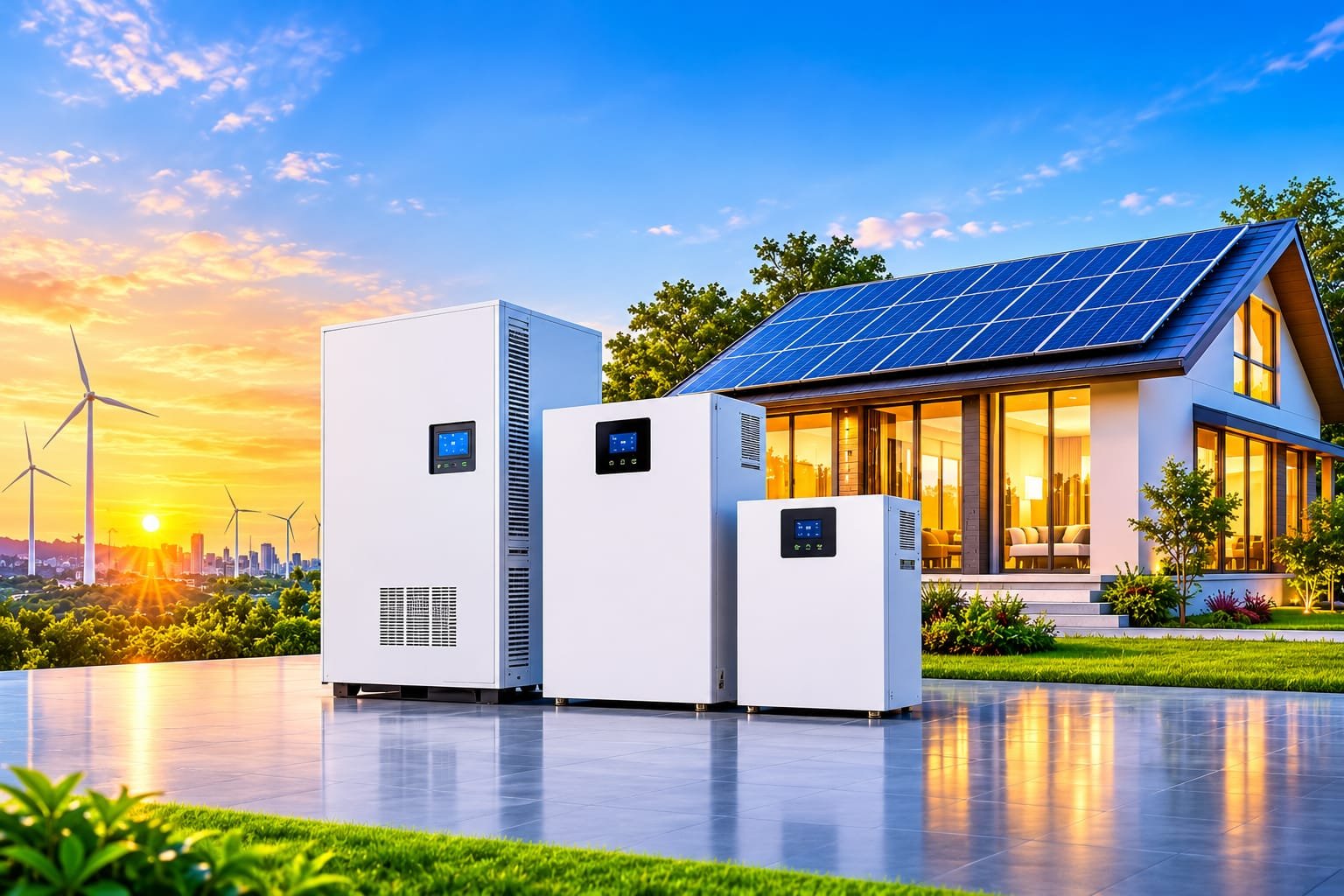
A practical look at modern energy storage solutions for homes, businesses and solar projects
Introduction
As electricity demand continues to grow, reliable power is becoming increasingly important for households, businesses and infrastructure projects. At the same time, solar energy is creating new opportunities to generate cleaner electricity. Yet solar panels alone cannot provide power around the clock: energy must also be stored so it can be used when sunlight is limited or demand rises.
That is where a modern lithium battery and solar energy storage system can make a meaningful difference. By storing electricity for later use, battery storage helps solar installations become more flexible, supports backup power needs and gives users greater control over when they consume energy. For markets across East Africa, West Africa, the Middle East and the United States, choosing a system that matches local conditions and project requirements is an important part of planning a dependable energy solution.
Why Solar Energy Storage Matters
Solar panels generate electricity during daylight hours, but energy use does not always follow the same schedule. Homes may need power in the evening, commercial facilities may experience peak demand at particular times, and remote sites may have limited access to a stable electricity grid. Without storage, some of the electricity generated by a solar installation may not be available when it is most useful.
A solar battery storage system addresses this gap by charging when electricity is available and discharging when it is needed. Depending on system design, stored energy can support essential loads during an outage, increase the use of self-generated solar power or help manage electricity consumption at different times of day. The right configuration depends on the user’s load profile, required backup duration, available solar generation and local electricity arrangements.
The Role of Lithium Battery Technology
Lithium battery technology has become an important option for modern energy storage because it can provide a compact, efficient and scalable way to store electricity. Within this category, lithium iron phosphate (LiFePO4) batteries are widely used in stationary storage applications. Their characteristics make them suitable for residential systems as well as many commercial and industrial projects.
A well-designed lithium battery system typically includes a Battery Management System (BMS). The BMS monitors key operating conditions and helps manage charging, discharging, temperature and protective limits. System buyers should also review the battery’s usable capacity, voltage, cycle-life conditions, operating-temperature range, communication protocol, warranty and compatibility with the selected inverter. These details matter more than relying on a headline capacity figure alone.
For projects that may expand over time, modular or parallel-capable battery configurations can provide additional flexibility. However, expansion must follow the manufacturer’s specifications and be designed by qualified professionals to ensure that batteries, protection devices, cables and inverters are correctly matched.
Energy Storage Needs Across East and West Africa
Energy requirements vary considerably between countries and even between neighbouring communities. In parts of East Africa and West Africa, solar-plus-storage systems can be considered for homes, shops, farms, clinics, schools, telecom installations and businesses that need a more dependable electricity supply. Remote facilities may also evaluate battery storage as part of a hybrid system that combines solar generation with the grid or a backup generator.
For these applications, project planners should assess daily energy consumption, motor-starting loads, seasonal solar conditions, site temperature, installation environment and the availability of local technical support. In agricultural settings, for example, a system serving lighting and small appliances will have different requirements from one operating water pumps or refrigeration equipment. Correct sizing helps avoid both insufficient backup and unnecessary system cost.
Distributors, solar installers and EPC contractors can benefit from working with suppliers that offer technical guidance and configurable product options. Clear product documentation, inverter communication information, shipping paperwork and responsive after-sales support are important considerations when equipment is being supplied across borders.
Solar Battery Storage Opportunities in the Middle East
The Middle East includes markets with strong solar resources, growing electricity needs and a wide range of residential, commercial and industrial applications. High ambient temperatures make equipment selection and installation design especially important. Buyers should check the specified operating-temperature range, ventilation requirements, enclosure rating and any derating guidance supplied for the chosen battery and inverter.
Solar energy storage may be relevant for villas, apartment buildings, hotels, offices, retail facilities, warehouses and industrial sites. Depending on the local tariff structure and project objectives, a system may be designed for backup power, greater solar self-consumption or peak-demand management. A qualified installer can assess the site and determine whether a hybrid, off-grid or grid-connected configuration is most appropriate.
Energy Storage for Homes and Businesses in the United States
In the United States, interest in battery storage is supported by a variety of needs, including backup power, solar self-consumption and energy management. The economics and technical requirements differ by state, utility, rate plan and installation type. As a result, customers should evaluate the local interconnection rules, applicable incentives, permitting requirements and utility policies before selecting a system.
Residential users may prioritise essential-load backup and integration with an existing rooftop solar array. Commercial and industrial customers may have larger and more complex requirements, such as protecting critical operations, managing demand charges or coordinating multiple energy sources. In either case, the system should be designed around a detailed load assessment rather than choosing battery capacity in isolation.
Choosing the Right Lithium Battery Energy Storage System
Selecting a suitable system involves more than comparing prices. Buyers, installers and project developers should consider the following points:
- Application and load profile: identify which equipment must run, its power demand and how long backup is required.
- Usable energy capacity: distinguish nominal capacity from the energy that can actually be used under the specified operating conditions.
- Power rating: confirm that the battery and inverter can support both continuous loads and expected surge requirements.
- Battery chemistry and BMS: review the chemistry, protection functions, monitoring features and manufacturer documentation.
- Inverter compatibility: confirm supported voltage ranges and communication protocols, such as CAN or RS485 where applicable.
- Environment: check temperature limits, installation location, ventilation and protection against dust or moisture.
- Compliance and transport: request the relevant model-specific safety, testing and shipping documents for the destination market.
- Warranty and support: understand warranty exclusions, cycle-life conditions, technical assistance and the process for service claims.
Working through these points with an experienced supplier and a qualified local installer can help reduce design errors and improve long-term system performance.
How JSBESS Supports Solar Storage Projects
JSBESS presents itself as a China-based manufacturer of lithium batteries and solar energy storage solutions for residential, commercial and industrial applications. Its product range includes LiFePO4 lithium batteries, hybrid solar inverters, portable power stations and complete solar energy storage kits. The company also describes solutions in wall-mounted, floor-mounted, rack-mounted and commercial energy storage formats.
For international distributors, installers and project partners, JSBESS highlights OEM and ODM customization. Depending on the product and project, customization may involve battery capacity, voltage, Battery Management System configuration, communication protocols, branding and packaging. The company also states that it provides technical support and product documentation to help customers plan and deploy suitable systems.
As with any battery purchase, prospective buyers should request current datasheets, model-specific certificates, warranty terms, compatibility information and a project quotation before placing an order. Specifications and available documentation can vary by model and configuration, so confirming the exact product is an essential step.
Building a More Flexible Energy Future
As solar adoption expands, energy storage is becoming an important part of designing practical power systems. A properly specified lithium battery can help households use more of their solar generation, give businesses another option for backup power and support projects in locations where electricity supply is less predictable. The best solution is not necessarily the largest battery; it is the system that fits the site’s real energy needs, local conditions and budget.
For distributors, EPC contractors, installers and end users exploring solar battery storage in East Africa, West Africa, the Middle East or the United States, careful planning and reliable technical information are key. To explore lithium battery and solar energy storage options for a residential, commercial or industrial project, visit JSBESS and contact its team to discuss the required application and configuration.