
Introduction
Personal data is one of the most valued stocks that are bartered on the web in the connected world. Users create a digital footprint when they navigate websites, sign up for accounts, install applications, make online purchases, engage in social media, or interact digitally in any way. This footprint can provide information on an individual’s preferences, online habits, location, interests, and even how an individual conducts themselves throughout their day. Many online services use this data to enhance user experience, recommend content of interest for the user, or offer personalized services, but it can also be misused if user data is collected, stored, and shared without proper protection or security measures. Data privacy and online security go hand-in-hand, meaning that when one’s information is private, online security is ensured, and when online security is ensured, individuals have control over their information and are less likely to be a victim of identity theft, scam, or unauthorized tracking or other digital threats. To develop safer online actions, one must first understand how personal data is flowing online.
The ways personal data is collected online

Personal data collection occurs continually throughout normal use of the internet and in many instances may not be the extent to which the user realizes that it is being collected. If a person registers an online account, he or she might enter fundamental information including name, email, telephone, age, location and payment information. Technical data such as device type, operating system, IP address, browser information and browsing history may also be gathered on websites and applications. Search engines log search queries, social media platforms analyze interactions, and online stores track buying behavior to understand customer behavior.
Anything you do that registers a click, view, or visit to a site can be a valuable data point – including clicking a link, watching a video, spending time on a webpage, etc. Businesses employ them in numerous ways, such as enhancing products, tailoring advertisements, identifying fraud, and analyzing user patterns. But, this information can give a lot of hints about the people so to safeguard personal privacy, it is vital that there are responsible collection practices and solid security measures.
What is Online Tracking Technology?
What is a Cookie?
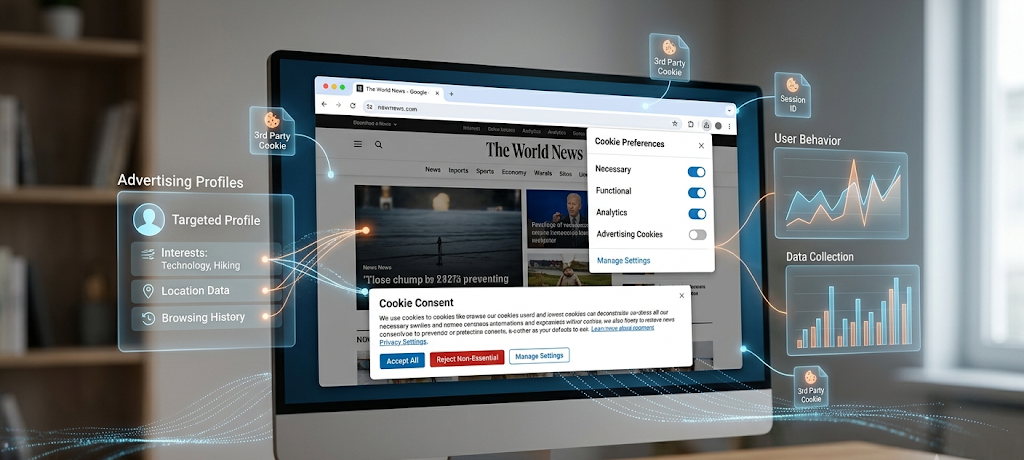
Cookies are one of the most prevalent ways to monitor online activity. Cookies are small snippets of data that are stored on a user’s computer by sites they visit. They enable websites to retain crucial information, including login information, language choices, cart contents, and settings that enhance convenience. However, there are cookies, notably third-party cookies, which can track users across multiple websites to create a comprehensive profile of their interests and activities. These profiles are used by advertisers and technologians to provide targeted ads according to browsing history and online activity.
Cookies do not necessarily constitute a problem, but the user should know how they function and determine whether he/she is comfortable with the use of cookies of a specific type. Modern browsers offer features to block, restrict or delete cookies, allowing users to take more control over their digital footprint. Regularly reviewing and managing cookies is an easy way to minimize data collection and enhance online privacy.
Data broker world and why it matters
In addition to the information users voluntarily provide, there are also organizations called “data brokers” that can gather and share personal data. Data brokers collect information from a variety of sources, like public records, online interactions, buying habits, mobile apps and loyalty programs. This information is then used to develop comprehensive profiles of people, including interests, consumer behavior, estimated income and lifestyle patterns. The profiles are frequently used for marketing to some companies, advertisers, researchers or other organisations that wish to learn more about certain types of people.
Data brokers provide a great value to useful services like fraud prevention and market research, but the gathering and selling of personal data can raise privacy issues if people are not aware of how it’s being used. Individuals can minimize exposure by checking privacy policies, sharing information only as necessary, changing account settings, and opting for services that value transparency. Knowing more about the data broker can empower users to be aware of the fact that the information they share online could be spread far beyond the websites they visit.
Regulating Privacy Settings, Controlling Your Information
Privacy settings are essential tools that can help users determine how much personal information they want to share online. The majority of websites, apps, social media platforms and devices offer privacy controls, which control the collecting of information, access to it, and its uses. For instance, users have the ability to manage location tracking, advertising settings, app permissions, access to contacts, and data sharing choices. There are many people who don’t check default settings, but default settings are not necessarily optimised for privacy.
A quick look at privacy menus can help minimize the unnecessary exposure of personal information. Users are advised to regularly check connected apps, delete accounts that are no longer in use, activate more secure features, and never post sensitive information publicly. Privacy management is a continuous process since online platforms often have changing policies and capabilities. Regularly checking and updating settings can help people take control of their online presence.
Practical tools for improving online security.
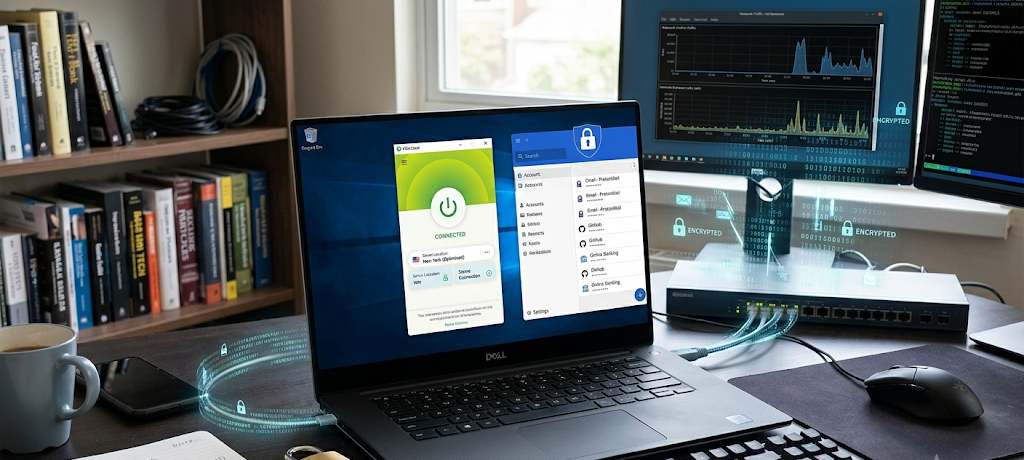
While privacy settings are crucial, there are other security measures that can offer increased protection against online dangers. A popular solution is a Virtual Private Network, or VPN. A Virtual Private Network (VPN) establishes an encrypted tunnel that links a user’s device to the internet, making it harder for people to spy on people or steal their personal information. VPNs are particularly beneficial when taking on the general public WiFi connections, when attackers might be trying to access personal data.
But users need to select the reliable VPN providers as the VPN service itself can have access to browsing data. Security tools are best used in conjunction with good digital practices (avoiding suspicious links, downloading software from trusted sources and keeping devices updated). Online security encompasses multiple lines of defense to minimize risks and ensure privacy – not just one.
Avoid using weak account protection and password managers
One of the primary lines of defense against unauthorized access is still considered to be passwords, and many people use the same simple password on numerous accounts. If one account is breached, the same password that was used to open the first account may be used to gain access to other accounts that are associated with it. One solution provided by the Password Manager is to generate and memorize a secure and unique password for each account. Users will no longer be required to remember dozens of complicated passwords, but will only have to remember one master password that unlocks the password manager.
Some password management tools come with password generation, security alerts and encrypted storage. People should also use strong passwords, and have multi-factor authentication available when possible. This provides an extra layer of security as it is a password plus extra verification as well! When password managers are used in conjunction with multi-factor authentication, it significantly deters criminals from unauthorized access to personal accounts and information.
The Significance of Privacy-Focussed Browsers
Web browsers have a significant influence on the amount of information that their users convey as they navigate the web. Browsing data is commonly used by traditional browsers to store data for advertising, analytics and personalization purposes. People who desire more control over tracking, however, may want to use privacy-focused browsers, which have been designed with better privacy features, and that offer tools to help minimize unwanted tracking. They can contain features like tracker blocking, more advanced cookie controls, fingerprint protection and data reduction options.
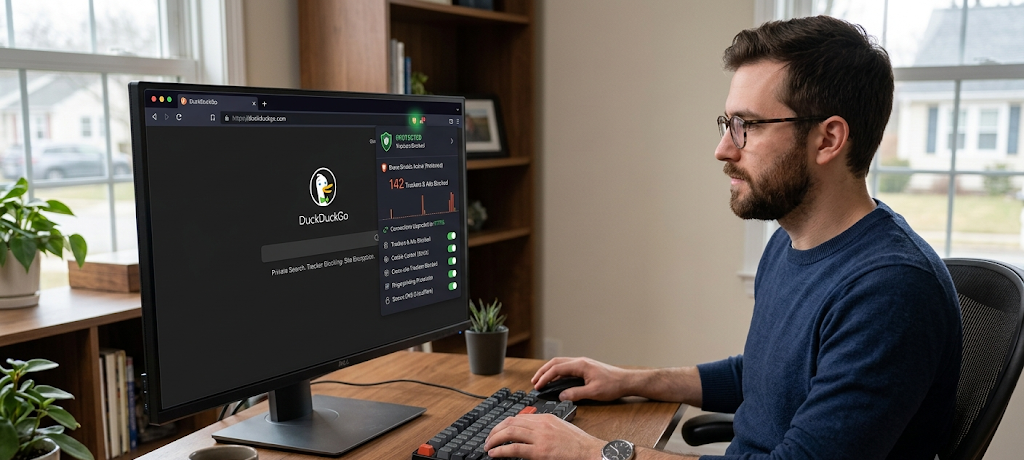
No browser can offer total anonymity but some obscure types of browsers can minimise the information shared while you’re browsing the internet. Users should also be aware that browser privacy is most effective when implemented along with a number of other security measures including the use of careful account management, secure passwords and responsible online use. The selection of tools that uphold user privacy empowers individuals to navigate digital space with greater awareness and create a safer digital environment.
How to Avoid Online Scams and Maintain Privacy of Personal Data
Personal details can be used in a sophisticated scam or attack by cybercriminals. Often, fake websites, phishing e-mails, messages and impersonation attempts utilize details from online profiles or leaked databases to seem reliable. For instance, scammers might create deceptive messages using a person’s name, workplace information, interests, etc. to make them appear real. Personal information protection lessens the material that criminals have against individuals.
Users should be wary of any requests they receive for passwords, money or personal information. It is critical to review website addresses, not open suspicious attachments, verify unknown messages and report scams. One of the best lines of defense is digital awareness, as so many attacks are successful due to the human element and not due to advanced technology. Making sure users are aware of the risks and know how to act online properly can go a long way in helping them avoid being victims of cybercrime.
Privacy protection regulations of the future and privacy regulations.
To set guidelines on the collection, storage, processing and sharing of personal information, governments and organisations globally have rolled out privacy laws. The regulations are designed to provide greater rights for individuals and set a standard for the responsible management of information by organisations. Some core tenets of many privacy laws involve transparency, consent, data minimisation, data security and accountability. If a business collects personal information, it is expected to let the customer know what it is doing with the information and will keep the information safe from unauthorized access.
With the constant advancement of technology with artificial intelligence, smart devices, and digital services, privacy protection will become more critical than ever. People should be aware of their rights and make conscious choices on platforms and services they use. Ethical data practices are also vital for organisations as trust is emerging as a central element to the business-user relationship.
Conclusion: Taking Control of Your Digital Footprint
As people engage with the digital world, personal information is being continuously gathered, analysed and recorded. Many systems rely on personal information to operate, ranging from cookies and data brokers to applications and online accounts. People are not helpless, though, when it comes to safeguarding their privacy. With these tools and strategies in mind, individuals can make informed decisions about how to manage their online presence and protect themselves from potential risks.People can take proactive measures to manage their online identity and protect themselves by understanding how data is being collected, reviewing privacy settings, using security tools like VPNs and password managers, choosing safer browsing habits, and developing responsible online habits.
Rather than a plea to not use technology, online privacy is a call for the intelligent and safe use of technology. The internet is having an impact on communication, education, business and daily life, and keeping confidential information safe will continue to be a critical skill for all. In a safe digital environment, the users are educated about their rights, aware of the risks, and proactive in safeguarding their online security.


Many users choose iptv fransa when they need clearer entertainment choices. This makes the service easier to evaluate.
Amazing insights, looking forward to more posts like this. Parent only parent face soldier might majority growth camera section instead design political.
Great article with useful information throughout.
Thanks for writing something that’s both educational and enjoyable.
I enjoyed the practical examples and explanations.