A safe is designed to protect valuables, important documents, cash, and other sensitive belongings, so a problem with its locking system can be stressful. When a safe stops opening, the key becomes difficult to turn, or an electronic keypad stops responding, forcing the lock can cause permanent damage. A professional Safe Locksmith NYC uses specialized knowledge, diagnostic techniques, and appropriate tools to determine what is causing the problem before attempting to open or repair the safe. Understanding how a locksmith diagnoses safe lock problems can help owners know what to expect and why professional assistance is often the safest option.
Why Proper Safe Diagnosis Matters
Safe locks are more complex than standard residential door locks. Depending on the model, a safe may use a mechanical combination lock, electronic keypad, key lock, biometric system, or a combination of different locking mechanisms.
A problem that looks simple from the outside may actually be caused by an internal component. Diagnosing the issue correctly allows a locksmith to choose the least invasive solution and avoid unnecessary damage to the safe.
Avoiding Unnecessary Damage
A safe is valuable not only because of what is stored inside but also because of its physical construction. Drilling, forcing, or manipulating the wrong component can permanently damage the locking mechanism or body.
Professional diagnosis helps determine whether the problem can be solved through adjustment, repair, code recovery, battery replacement, or another appropriate method.
Common Safe Lock Problems
Before diagnosing a safe, a locksmith considers the symptoms being experienced by the owner.
Some common problems include a forgotten combination, a dead electronic keypad, a damaged key, a malfunctioning mechanical lock, a jammed bolt mechanism, or an electronic system that no longer accepts a valid code.
Each situation requires a different diagnostic approach.
Step One: Identifying the Safe and Lock Type
The first stage of diagnosis is identifying exactly what type of safe and locking system is involved.
Mechanical Combination Safes
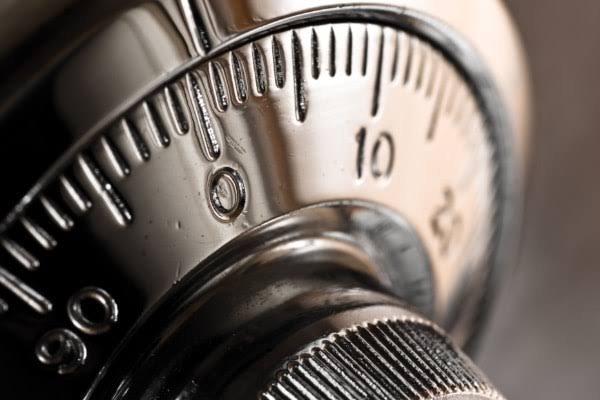
Mechanical combination locks use a series of wheels and internal components to recognize a specific combination.
If the dial becomes difficult to turn or the correct combination no longer works, the locksmith examines the lock’s operation and determines whether the issue is related to the combination mechanism or another internal component.
Electronic Safes
Electronic safes use batteries, keypads, wiring, circuit boards, and electronic locking components.
A locksmith checks whether the keypad is receiving power and responding properly before determining whether the problem is electrical or mechanical.
Key-Operated Safes
Some safes rely on physical keys. If the key is lost, damaged, or difficult to turn, the locksmith examines both the key and the lock cylinder.
A worn key may not properly interact with the internal components, while a damaged cylinder may prevent normal operation.
Biometric Safes
Modern biometric safes may use fingerprints or other electronic authentication methods.
When biometric recognition fails, the locksmith determines whether the issue involves the sensor, power supply, programming, or mechanical locking system.
Step Two: Listening to the Customer’s Symptoms
A locksmith often learns a great deal from the symptoms reported by the safe owner.
For example, a keypad that does not illuminate may indicate a power issue, while a keypad that accepts a code but does not release the lock may indicate a mechanical or electronic problem.
The locksmith asks when the problem started, whether the safe was recently moved, whether batteries were replaced, and whether the locking mechanism has shown previous signs of difficulty.
This information helps narrow down possible causes.
Step Three: Inspecting the Exterior
The locksmith then performs a careful visual inspection.
They look for signs of physical damage, loose components, corrosion, unusual gaps, damaged hinges, keypad problems, or evidence that the safe has been tampered with.
The exterior inspection can sometimes reveal whether the issue is related to the lock itself or another part of the safe.
Step Four: Testing the Lock Mechanism
After the initial inspection, the locksmith carefully tests the locking mechanism.
They may check whether the dial turns normally, whether a key enters and rotates correctly, or whether an electronic keypad responds to input.
This controlled testing helps determine how the lock is behaving without unnecessarily stressing its components.
Diagnosing Mechanical Lock Problems
Mechanical safe locks can develop problems gradually.
Worn Internal Components
Years of use can cause internal components to wear. If the lock becomes increasingly difficult to operate, worn parts may be responsible.
A locksmith evaluates the mechanism to determine whether cleaning, adjustment, repair, or replacement is appropriate.
Misaligned Components
A safe’s door and locking mechanism must remain properly aligned. If the door shifts or the locking components become misaligned, the bolts may not move correctly.
A locksmith checks the relationship between the door, frame, bolts, and lock mechanism to identify alignment problems.
Diagnosing Electronic Safe Problems
Electronic safe failures require a different approach.
Checking the Battery
A weak or dead battery is one of the simplest potential causes of an electronic safe problem.
The locksmith checks the power supply and determines whether the keypad is receiving enough power to operate.
Examining Keypad Response
If the keypad lights up but does not respond correctly, the problem may involve the keypad itself, wiring, programming, or the electronic control system.
A locksmith evaluates these components to determine where the failure is occurring.
Checking the Locking Mechanism
An electronic keypad can function normally while the physical locking mechanism remains stuck.
In this situation, the locksmith must determine whether the issue is electronic, mechanical, or a combination of both.
Diagnosing Key Problems
Keys can become worn or damaged over time.
A locksmith compares the key’s condition with the lock’s behavior to determine whether the key is the source of the problem.
If the key is worn but the lock remains functional, creating a properly cut replacement may solve the issue. If the lock itself is damaged, further repair may be necessary.
Diagnosing Forgotten Combination Problems
Forgetting a safe combination does not necessarily mean the safe needs to be damaged or replaced.
A professional locksmith first identifies the type and model of locking system. Depending on the safe and available ownership documentation, appropriate recovery or service options may be available.
The locksmith focuses on legitimate access and uses the least invasive method possible.
Diagnosing Safe Bolt Problems
The bolts are responsible for physically securing the safe door.
If the lock appears to work but the door still does not open, the locksmith examines whether the bolts are binding or whether another mechanical component is preventing movement.
Door pressure, misalignment, internal wear, or mechanical failure can all contribute to bolt problems.
Why Locksmiths Avoid Guesswork
Safe locks are precision systems. Guessing at the cause of a malfunction can make the problem worse.
For example, repeatedly entering incorrect codes, forcing a stiff dial, or applying excessive pressure to the door may cause additional damage.
Professional diagnosis allows the locksmith to understand the actual problem before selecting a repair method.
When Safe Repair Is Possible
Many safe lock problems can be repaired without replacing the entire safe.
Depending on the diagnosis, a locksmith may be able to service the lock, replace worn components, repair an electronic keypad, correct alignment, replace a damaged key, or address a power-related issue.
The appropriate solution depends on the safe’s condition and locking system.
When Safe Lock Replacement May Be Necessary
Sometimes repairing the existing lock is no longer practical.
Severe mechanical damage, repeated failures, outdated locking technology, or extensive corrosion may make replacement a better long-term option.
A locksmith can recommend a compatible replacement lock based on the safe’s design and security requirements.
Safe Diagnosis After an Attempted Break-In
A safe that has been subjected to tampering requires careful inspection.
Visible damage may not tell the entire story. Internal components can also be affected.
A professional locksmith can evaluate the lock and surrounding components, determine whether they remain reliable, and recommend appropriate repairs or security improvements.
Why Professional Safe Locksmiths Use Specialized Tools
Safe locks require precision. Professional locksmiths use specialized diagnostic and service equipment designed for safe mechanisms.
The correct tools allow them to inspect and repair locking systems while minimizing unnecessary damage.
This is especially important with expensive fire-resistant, commercial, or high-security safes.
Preventing Future Safe Lock Problems
Regular maintenance can reduce the likelihood of unexpected failures.
Owners should follow the manufacturer’s maintenance recommendations, replace electronic batteries when necessary, avoid forcing mechanical controls, and address unusual changes in lock performance early.
If a safe begins behaving differently, professional inspection is usually better than waiting until the mechanism stops working completely.
Choosing the Right Safe Locksmith
Not every locksmith specializes in safes. Safe owners should look for a professional with specific experience working with the type of safe and locking mechanism involved.
A qualified locksmith should understand mechanical, electronic, and modern safe systems and should prioritize preserving the safe whenever possible.
Professional experience also helps ensure that the diagnosis is based on the actual condition of the locking system rather than assumptions.
Final Thoughts
A safe lock problem can have many different causes, from weak batteries and worn keys to mechanical failures, alignment issues, and damaged internal components. A professional locksmith begins by identifying the safe and lock type, listening to the owner’s symptoms, inspecting the hardware, and carefully testing the mechanism to determine the underlying issue. This diagnostic process helps ensure that the safest and least invasive solution is chosen. Whether you are dealing with a forgotten combination, damaged key, electronic failure, or malfunctioning lock, contacting a qualified Safe Locksmith near me can help you address the problem professionally while protecting the safe and its contents.