
Category: Travel
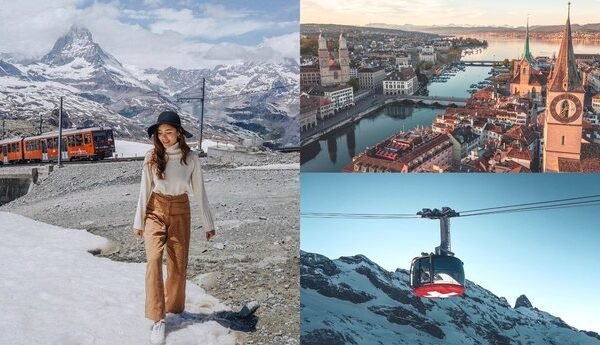
Switzerland Itinerary for 7 Days: A Complete Guide for First-Time Indian Travellers
Switzerland is a dream destination for Indian travellers, famous for its snow-covered Alps, turquoise lakes, charming villages, scenic train journeys,…

Five Ways to Experience the Sacred Side of Mount Shasta This Winter With Paul of Venus
Mount Shasta is often described as one of the most spiritually significant places in North America. For many visitors, though,…


How Travel Experiences Can Help You Develop a Fresh Perspective on Life
Travel can do much more than simply provide a break from everyday routines. Visiting new places, meeting different people and…
A Complete Guide to Coach Hire in Slough for Group Travel
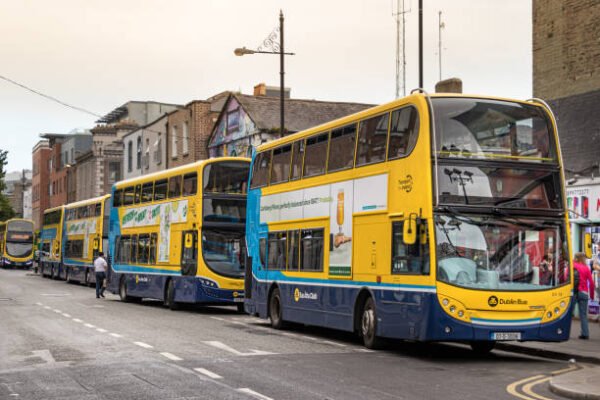
Organising transport for a group can be challenging, particularly when coordinating multiple passengers, departure times and destinations. Whether arranging a school excursion, corporate event, family celebration or day trip, choosing a suitable transport option can make the journey more manageable. For groups travelling within Berkshire and the surrounding areas, coach hire Slough provides a practical way to transport passengers together. Understanding the different types of coach services, planning requirements and factors affecting costs can help organisers make informed travel decisions. Why Choose Coach Travel for Group Journeys? Coach travel offers several advantages when transporting larger groups. Instead of arranging multiple cars or relying on separate public transport services, passengers can travel together in one vehicle. This approach can simplify journey planning, particularly when travelling to unfamiliar destinations or attending events with fixed arrival times. Travelling together also reduces the need to coordinate individual parking arrangements and separate travel schedules. For schools, businesses and community organisations, having passengers in one vehicle can make group management more straightforward. The suitability of coach travel depends on factors such as group size, journey distance, accessibility requirements and available transport options. Types of Coach Hire Available in Slough Different journeys require different transport arrangements. Understanding the available options can help organisers select an appropriate vehicle. Minibus Hire for Smaller Groups Minibuses are commonly used for smaller groups travelling shorter distances. They can be suitable for airport transfers, sporting events, family outings and local excursions. Vehicle capacities vary, so organisers should confirm the number of available passenger seats before booking. Standard Coach Hire Standard coaches are suitable for medium-sized and larger groups travelling to events, attractions or destinations outside Slough. Depending on the vehicle, facilities may include reclining seats, air conditioning and luggage storage. Executive Coach Travel Executive coaches may offer additional features designed for longer journeys or business travel. These can include enhanced seating, charging facilities and onboard entertainment systems. Available amenities vary between operators and vehicles. Popular Reasons for Hiring a Coach in Slough Slough’s location within Berkshire makes it a convenient departure point for journeys across London, the South East and other parts of the United Kingdom….

Best Family Photographers in Kihei Maui for Beautiful Beach Portraits
Kihei, Maui, is a stunning vacation spot for households looking to create unforgettable holiday memories. With its golden seashores, tropical…
4×4 Car Rental Uganda: 4×4 Guided Safaris & Self Drive Hire
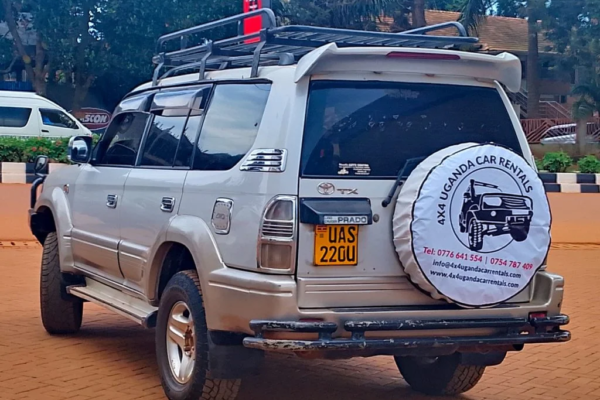
This guide helps travelers choose between guided 4×4 safaris with a driver or self-drive vehicle rental in Uganda, where a proper 4×4 becomes essential once you leave paved roads and head toward national parks like Murchison Falls, Queen Elizabeth, or Bwindi on challenging dirt tracks and muddy game drive routes.

Best Airlines in the World in 2026: Safety, Comfort, Prices, Destinations & Customer Experience Compared
Introduction Considering one annual ranking is not the only way to determine the best airline in the world. People have…
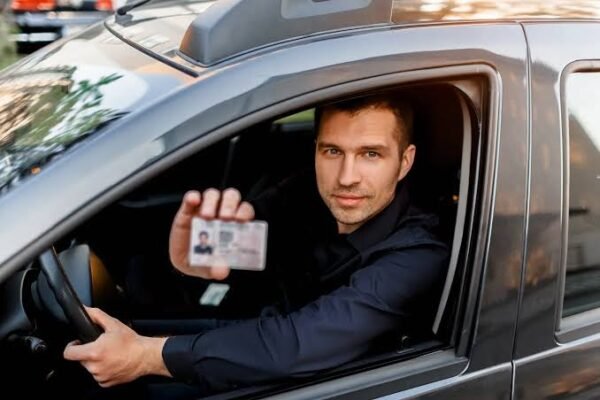
Manual Driving Lessons in Amsterdam
The Ultimate Guide to Manual Driving Lessons in Amsterdam: Why Stick Shift is Still King If you are planning to get your driver’s license in the Netherlands, you are immediately faced with a classic dilemma: should you learn to drive a manual or an automatic car? While automatic vehicles are becoming increasingly popular due to the rise of electric cars, the traditional stick shift still dominates the European roads. For expats, students, and locals alike, mastering the manual transmission remains one of the smartest investments you can make in your driving education. Learning to drive a stick shift in a bustling city full of trams, cyclists, and narrow bridges might sound intimidating. However, with the right guidance, it is entirely doable and incredibly rewarding. In this comprehensive guide, we will break down exactly why you should consider manual lessons, what to expect from the learning process, and how to survive (and thrive!) on the streets of Amsterdam. Why Choose a Manual Driver’s License in the Netherlands? Choosing your transmission type is the first major step in your driving journey. While an automatic might seem like the easier route, obtaining a manual driver’s license in the Netherlands comes with a unique set of undeniable advantages. 1. The “Two-in-One” License Rule In the Netherlands, the CBR (Centraal Bureau Rijvaardigheidsbewijzen) has a very strict but simple rule: if you pass your driving test in a manual car, you are legally allowed to drive both manual and automatic vehicles. However, if you pass your test in an automatic, you will get a specific code (Code 78) on your license. This code restricts you to driving only automatic cars. If you ever want to switch to a manual vehicle in the future, you will have to retake your practical driving exam. Getting your manual license gives you ultimate freedom. 2. Cheaper Car Rentals and Purchases Planning a summer road trip through France, Italy, or Spain? When you arrive at the car rental desk in most European countries, manual cars are the default. They are significantly cheaper to rent than automatics. Furthermore, if you are looking to buy your first second-hand car in the Netherlands, the market is flooded with affordable manual vehicles. Limiting yourself to an automatic can heavily restrict your options and inflate your budget. 3. Better Vehicle Control and Engagement Driving a manual requires you to be actively engaged with the vehicle. You have to listen to the engine, anticipate the road ahead to select the right gear, and manually control the power delivery through the clutch. Many driving instructors argue that learning in a manual makes you a more attentive and anticipatory driver. You aren’t just steering; you are truly driving the machine. The Anatomy of Driving Manual: Demystifying the Pedals If you have never sat in the driver’s seat of a manual car, the footwell can look a bit crowded. Unlike an automatic, which only has an accelerator and a brake, a manual car has three pedals. From left to right, they are: the Clutch, the Brake, and the Gas (Accelerator). Finding the Biting Point One of the biggest hurdles for beginners is finding the ‘biting point’. When you slowly release the clutch pedal, there is a specific spot where the engine engages with the wheels, and the car naturally wants to start moving forward. Mastering this sweet spot is the secret to smooth driving and avoiding stalls. Don’t worry if it takes a few lessons to get the muscle memory down—every single driver on the road today has stalled a car while learning! Navigating Amsterdam Traffic with a Stick Shift Let’s be honest: Amsterdam is not a quiet suburban town. It is a vibrant, dense, and sometimes chaotic city. Learning to drive here builds incredible character and skill. But how does a manual car factor into this urban jungle? The Infamous Bridge Hill-Starts Amsterdam is famous for its beautiful canals, which means lots of bridges. These bridges are often steep and narrow. If a traffic light turns red or a pedestrian crosses while you are going up a bridge, you will have to stop on an incline. When it’s time to move again, you will need to perform a hill-start (hellingproef). This maneuver requires balancing the clutch and the gas pedal to prevent the car from rolling backward. While it sounds terrifying to a beginner, your instructor will teach you foolproof techniques (using either the foot brake or the handbrake) to conquer any bridge in the city. Dealing with Cyclists and Trams…
Travel Visa APIs, Demystified: What Every Booking Platform Product Owner Should Know
Introduction: Automating Compliance in the Booking Flow A travel visa API is a service that connects booking platforms to official…
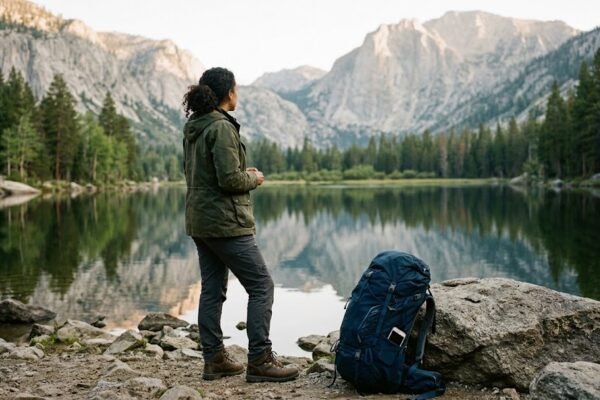
The Rise of Tech-Free Adventures: Why Travelers Are Unplugging and Going Off the Grid in 2026
In 2026, travel has always provided people a chance to get out of their own rut, but it has now…

How to Choose the Right Extra Bag for Any Trip
Trips have a way of creating more things to carry. A market purchase, a jacket removed during a warm afternoon,…

Best Places to Go Paragliding: How to Choose the Perfect Flying Destination
Introduction While the world’s most famous mountains and highest launch sites may look great in the photos, it’s not always…

The Best Things to Do in Cairo: A Complete Guide for First-Time Visitors
Introduction Cairo is a city unlike any other. As the capital of Egypt, it combines thousands of years of history…
12-Day Everest Base Camp Trek vs Manaslu, Langtang & Kanchenjunga: Routes, Difficulty and What to Expect
Nepal has no shortage of famous trails, and that’s exactly the problem for a lot of trekkers trying to plan…

Tipping Calculator Guide for Fast and Accurate Tip Calculations
Understanding Modern Tipping Calculations Tipping is a common part of eating and many provider reviews, however calculating an appropriate quantity…

Where to Sleep in the Vineyards: Best Wine Hotels and Quintas in Portugal
Luxury vineyard stay in Portugal surrounded by rolling vineyards

Affordable Luxury: How to Experience Portugal’s Top Wineries on a Budget
Introduction Portugal is one of Europe’s greatest wine regions, with centuries old vineyards, stunning scenery and award-winning wines that are…

What to Do in the Black Hills, South Dakota: A Practical Three-Day Plan
Deciding what to do in the Black Hills, South Dakota starts with grouping each day’s stops by area. Mount Rushmore,…

Trekking & Climbing in Nepal – An Epic Journey Through the Himalayas
From lush forests to glacial moraines , Nepal’s hiking routes showcase the high – quality type of the Himalayas. The…
Photography Guide for the Nepal Bhutan Tour: Top Shots You Cannot Miss
If you are planning a Nepal Bhutan tour, you are heading into one of the most visually rich parts of…

Why NZ Native Birds Reveal Earth’s Most Extraordinary Evolutionary Experiments
New Zealand’s seclusion generated something Darwin himself would have celebrated—a natural laboratory where birds developed without mammalian competition, acquiring habits…