Fuel economy vs fuel efficiency is a confusing topic for many drivers because both terms are used to report how much fuel a car uses. Vehicle fuel use can be a confusing issue, which sees the use of many different terms like MPG, km/L, and L/100 km when you are comparing vehicles, looking at your dash display, or trying to gauge fuel costs.
These issues of measurement play a key role in how drivers should approach fuel economy information for different vehicles. A car which may seem to perform better may, in fact, be due to a different set of measurement methods. Also, drivers have fuel tracking apps which they can use for noting down fuel purchases, mileage, and studying trends in consumption over time. But, at the end of the day, what the numbers represent is what will tell you if that which you are looking at is really performing better in fuel economy or not.
Fuel Economy vs Fuel Efficiency: What’s the Real Difference?

What is the range that this car will do on one litre or one gallon of fuel? We see that there are two main units used to report fuel efficiency, which are miles per gallon, which we know as MPG, and kilometres per litre, which is called km/L. In these systems, a higher number is indicative of better fuel economy, which in turn means the car will go further on the same amount of fuel.
For example, in a case where one car runs for 10 km on a single litre of fuel and another runs for 15 km on the same litre, the second car has better fuel economy. This is the same for MPG also; a car which achieves 40 MPG goes a greater distance on a gallon of fuel than a car which achieves 25 MPG. Thus, higher MPG and km/L numbers usually indicate that a car uses fuel more economically.
What Is Fuel Efficiency?
Fuel economy is what we use to report how well a car does on fuel. In common speech, we use the terms fuel economy and fuel efficiency almost interchangeably. What we call a fuel-efficient car is one which, in the same conditions, will require less fuel to go a certain distance as compared to a car which is not as efficient.
Fuel efficiency as a term is wider in scope, as it looks at the use of energy from fuel, which is very much a function of engine design, vehicle weight, aerodynamics, maintenance, and driving behaviour. In practice, what we see as an improvement in fuel efficiency is, in fact, a reduction in fuel use for the same level of transport, which in turn reduces fuel costs over time.
Understanding MPG and km/L
Miles per gallon (MPG) reports the distance a vehicle can travel on one gallon of fuel. Kilometres per litre (km/L) does the same thing but in terms of kilometres and litres instead. Also, both of these measures look at the distance achieved from a given amount of fuel, which is the reason that higher numbers equate to better fuel economy.
For instance, a car that gets 30 MPG is, in general, more economical than one which does 20 MPG, as it goes farther per gallon. Also, a car which gets 18 km/L is more economical than one which does 12 km/L. We put this in simple terms for the consumer, which is that the greater the distance you get from the same amount of fuel, the better the economy.
Understanding L/100 km
In litres per 100 kilometres, we see a different way of presenting fuel consumption. Instead of showing how far vehicles are able to travel on a given amount of fuel, it tells us how much fuel is used to travel a fixed 100 kilometres. Thus, the measure is put forth in terms of the fuel that is used.
In that which measures fuel used instead of distance gained, a lower number is what you want. For example, a car that uses 6 L/100 km is more efficient than one which uses 10 L/100 km. Both cars travel the same 100 kilometres, but the first car requires 4 fewer litres of fuel to complete the journey.
Which Numbers Go Up While Which Go Down?
This issue is at the core of what confuses drivers when it comes to fuel economy. As fuel efficiency goes up, we see better MPG and km/L figures, which means the car goes further on the same amount of fuel. At the same time, L/100 km, which is a different way of reporting fuel use, goes down as the car requires less fuel to travel the same distance.
Imagine a scenario in which a car’s efficiency changes with better driving techniques or due to new technology. We may see a transition from 10 km/L to 15 km/L, in which each litre of fuel will take the car a greater distance. Also, at the same time, we may note a drop in fuel consumption from 10 L/100 km to around 6.7 L/100 km. That is a result of the car requiring fewer litres to go 100 kilometres.
Simple Examples of Fuel Economy Comparisons
In a certain example, let’s say that Vehicle A gets 10 km per litre and Vehicle B gets 15 km per litre. If we give 20 litres to each vehicle, then Vehicle A will do a total of 200 km, while Vehicle B will have gone 300 km. Also, in this case, the fuel economy is better for Vehicle B, as it goes farther on the same amount of fuel.
The same comparison is true for L/100 km. In that, for every 100 km, Vehicle A may use 10 litres of fuel, while Vehicle B does it in only 6.7 litres. Yet again, we see that although Vehicle B is the more economical player in terms of fuel, it has a lower number, which is better performance. That is why it is very important for consumers to check the measurement unit before they decide on which car is the most economical.
Understanding Dashboard Fuel Economy Information

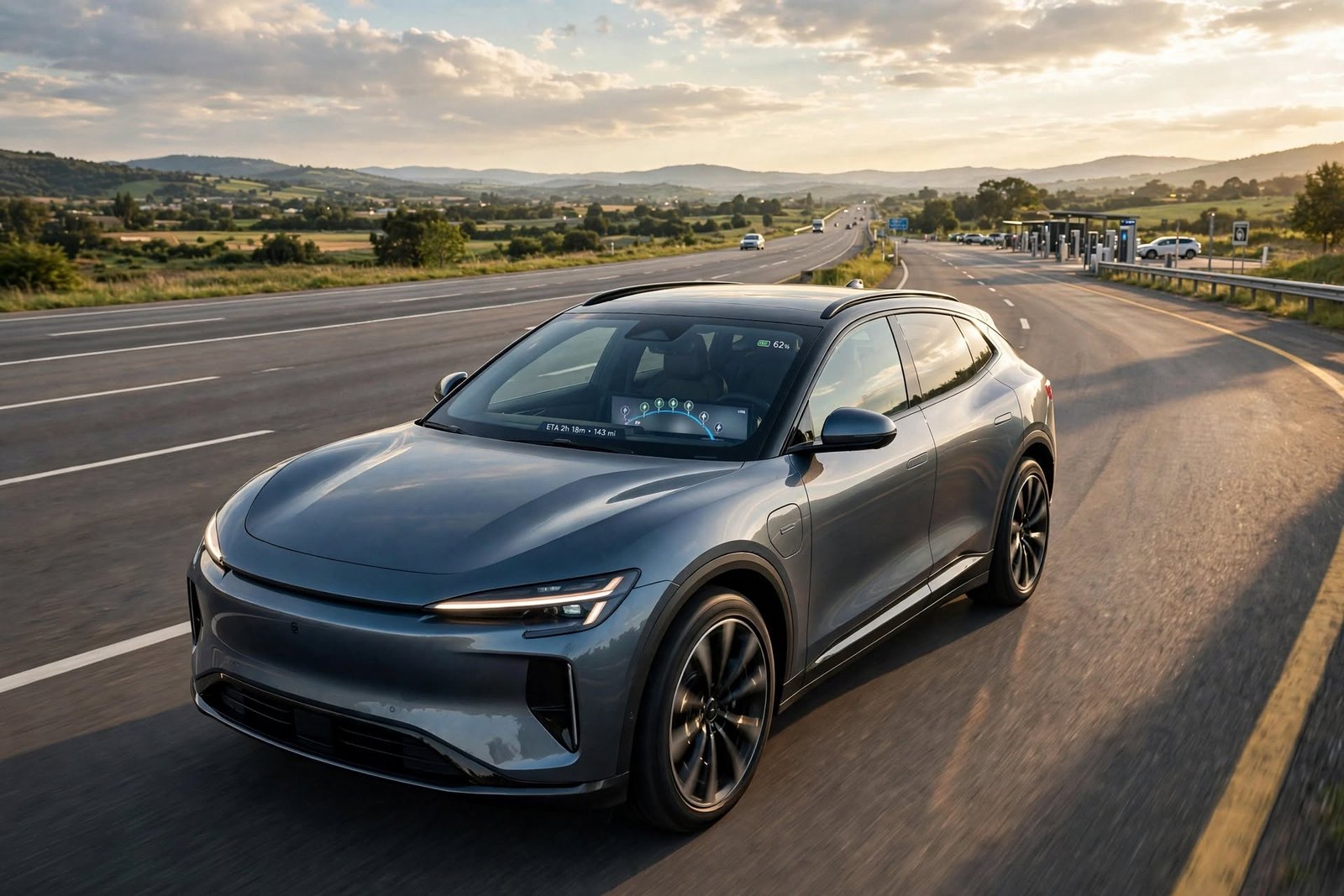
In the present day, many cars report fuel use to the driver via the dash or infotainment system. What a driver may see includes instant fuel economy, average fuel consumption, the range your car will go on a given tank of gas, or information which reports a trip’s fuel use. Also, these features are to help drivers see how their car is performing in terms of fuel use during different trips.
Instant fuel use is very variable due to acceleration, traffic, hills, and driving speed, which in turn affect fuel performance. That is why it is best for drivers not to base a car’s total efficiency on a short-term dashboard report. What you get when you measure average fuel use over a full trip or extended period is a better indication of how a car does in the real world.
How Fuel Tracking Apps Help Drivers
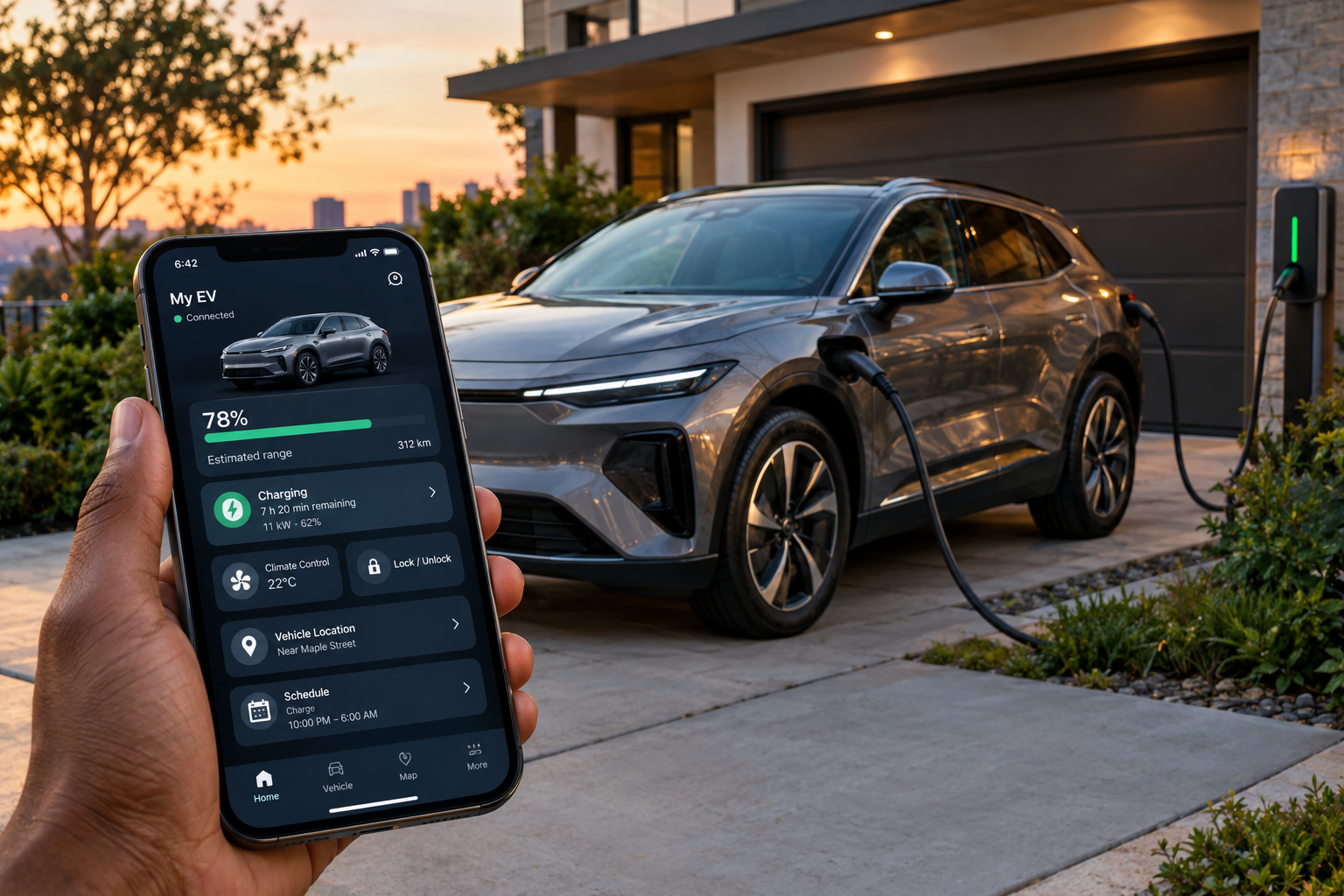
Fuel apps which track use can note down fuel purchases, mileage, fuel costs, and consumption over time. Out of that data, a better picture can be had of what amount of fuel a vehicle really uses in day-to-day driving. Also, with long-term records, it is easy to see trends in fuel consumption.
Drivers, before they interpret the results, should know what measurement system their app is using. We see that an increase from 10 km/L to 14 km/L is, in fact, an improvement in fuel economy, and an increase from 7 L/100 km to 9 L/100 km is, in fact, a rise in fuel consumption. Knowing the units is key to drawing the right conclusions about your vehicle’s performance.
Factors That Affect Fuel Efficiency
Fuel economy is a result of many factors beyond the engine. Aggressive driving, rapid acceleration, high speeds, and extended idling will raise your fuel consumption. Smooth driving and steering clear of excessive acceleration will, in turn, reduce the fuel which, in the end, powers your trip.
Vehicle health is a key issue. Tyre pressure, maintenance records, vehicle weight, road conditions, and traffic conditions play into fuel economy. Extra weight in the car or poor maintenance of parts may see fuel use go up, which in turn makes the car less economical as time goes on.
How to Compare Fuel Economy Figures Correctly
When it comes to comparing cars, it is important to use the same measurement system. That which you see in MPG and L/100 km cannot be compared directly, as they present fuel consumption in different terms. By converting them into the same unit, you make it easy to see which car has better fuel economy.
Drivers should also note that official fuel economy ratings may not translate into real-world performance. You will see wide variation in performance due to traffic, road conditions, your own driving habits, the load in the car, and how well the vehicle is maintained. Also, look at the whole picture beyond what is put out by advertising to get a true perspective of a vehicle’s economy.
Conclusion
Fuel efficiency and fuel economy are similar topics, but the measures which present them may differ. In terms of MPG and km/L, we are looking at how far a car will go on a set amount of fuel, which is a variable in favour of greater numbers. L/100 km looks at how much fuel is used to travel a set distance, which is better when the number is lower.
Once drivers comprehend that difference, fuel consumption numbers become much easier to read. Whether you are comparing cars, looking at dash information, or looking at fuel use reports, it is key to know the terms used. That knowledge, in turn, helps drivers to make better decisions, see how their car is performing, and get a better picture of what their actual fuel use is.