Cleaning kitchen appliances properly helps extend their lifespan, improve performance, and keep your kitchen hygienic. Maintaining cleanliness in your kitchen utensils is not only about appearances; it is also a way of prolonging the lifespan and making sure they work correctly and you have a healthy environment to cook in. If not cleaned properly, it can result in scratches, corrosions or even mechanical damage; hence knowing the proper way to clean each appliance is crucial. This guide will explain how to clean and disinfect refrigerators, ovens, microwaves, dishwashers, blenders and other household appliances safely and effectively.
A clean kitchen just makes things healthy, too. If not properly managed, food debris, grease and moisture can provide an environment for bacteria and mould to thrive and grow rapidly. Safe cleaning methods not only keep your appliances clean, but your family healthy! This article offers practical, step-by-step tips for applying methods that do not include harsh chemicals or abrasive tools, but instead, gentle methods that will work. When you take care of your appliances, they will stay dependable, efficient and safe for many years.
Cleaning Refrigerators Safely
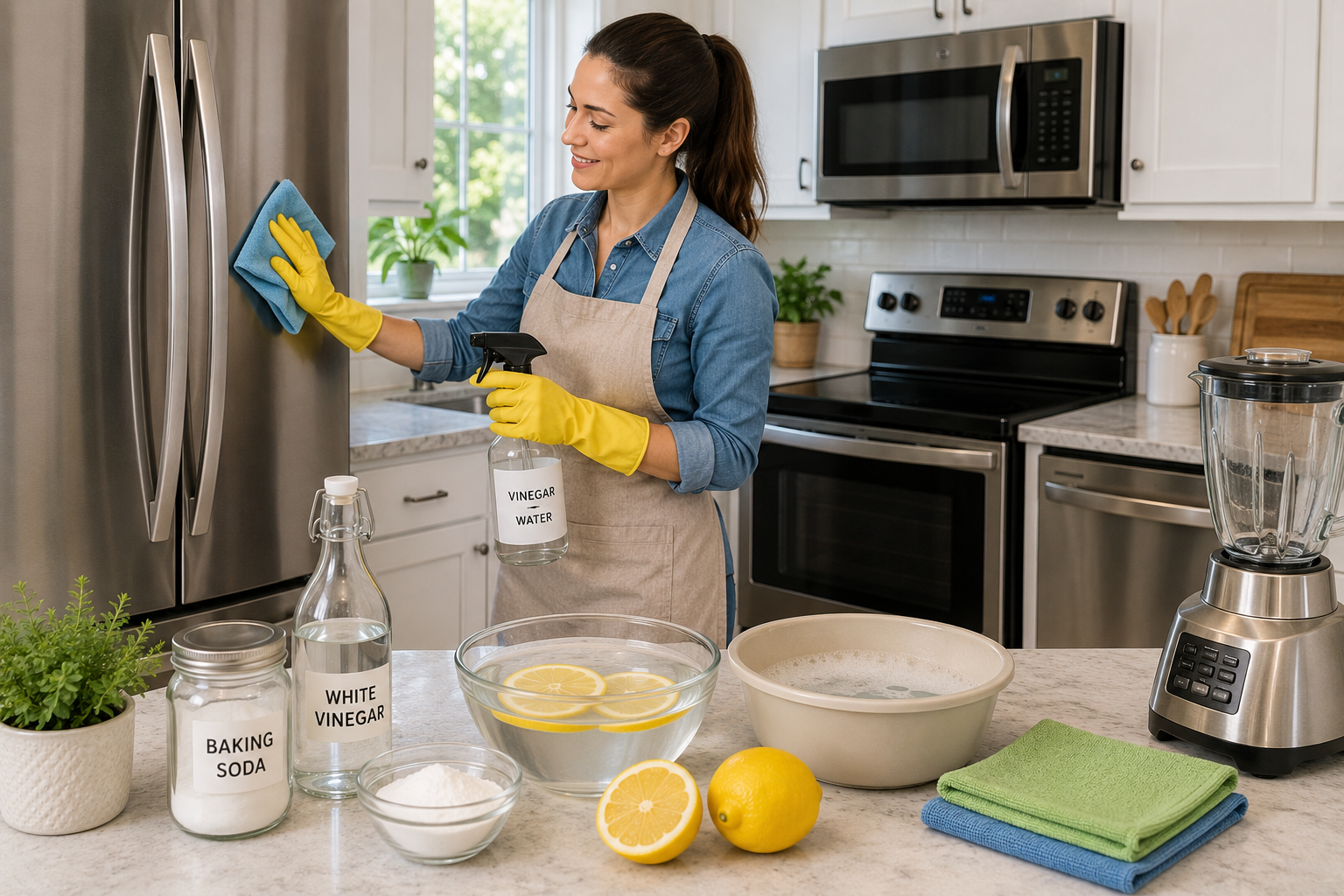
One of the most common appliances in the home is the refrigerator, which needs to be cleaned regularly to stop bacteria accumulating and odors from building up. The first step to cleaning is to unplug the refrigerator to keep your surroundings safe. Clear away all food and free-standing shelves or drawers. Rinse and dry such removable parts thoroughly in warm, soapy water. A baking soda and water solution is recommended for interior walls, and should not be mixed with strong chemicals that may harm surfaces and leave residues. Be sure to inspect door seals for dirt and crumbs; if there is an issue, it can make the door seal difficult to close and cause a loss of energy efficiency.
Cleaning the coils of the refrigerator is another critical part of refrigerator maintenance, typically found at the back or bottom. Accumulations of dust here can make the appliance run more intensively and reduce its life. Carefully dust with a vacuum that has a brush attachment. If you need more detail, you can read about the proper cleaning techniques for refrigerators, which offer step-by-step instructions. A refrigerator can be kept in good working order and sanitary condition by cleaning it regularly every 2 or 3 months.
Educating People about How to Maintain Ovens without Damage
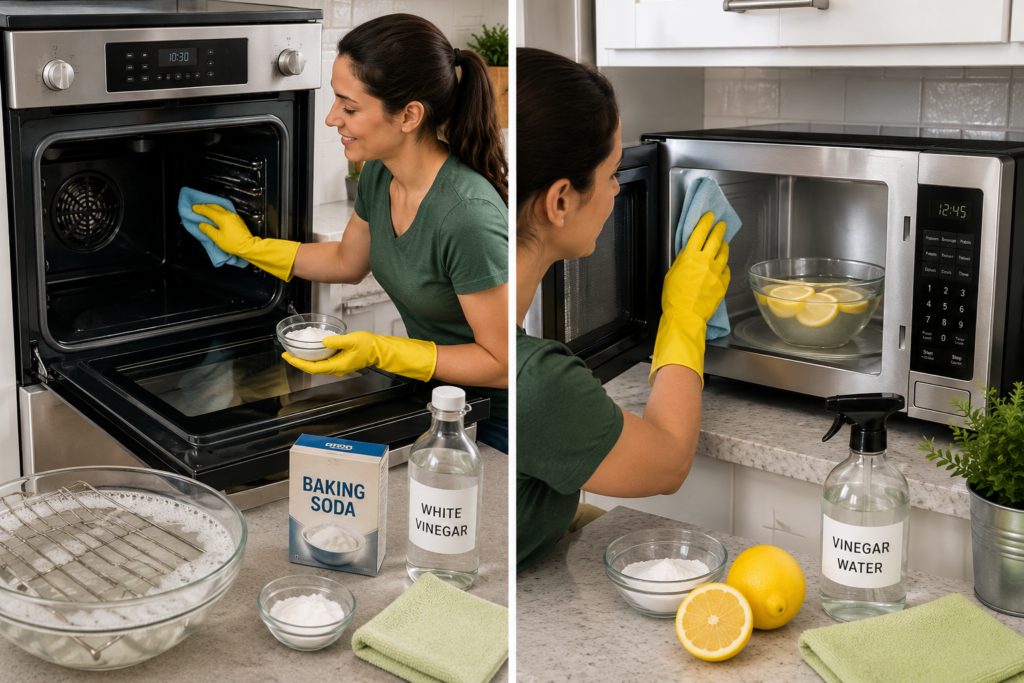
One of the most difficult appliances to clean, ovens collect grease and burnt food particles very easily. Do not use metal scrapers or abrasive pads as they can scratch the inside of the tank. Instead, make a natural cleaning solution by combining baking soda with water to make a paste. Apply this paste to the inside of the oven, excluding the heating elements, and allow to set overnight. Wipe it off the next day with a damp cloth, and then spray it with vinegar to eliminate any residue. This technique can be used without the use of strong chemicals that could damage surfaces.
If they are oven racks, take them out, and place them in warm, soapy water for several hours. For stubborn stains, gently scrub with a non-abrasive sponge. Using a mixture of vinegar and water, glass oven doors can be cleaned using a microfiber cloth that won’t streak. Deep clean the oven monthly and after spills, it will ensure that the oven is safe and efficient.
Cleaning Microwaves Effectively
Splatters and left-over smells are common problems with microwave cooking. A very simple and safe approach is to place water and lemons in a microwaveable bowl and microwave for five minutes. The steam softens dirt and allows it to be easily cleaned up with a soft cloth. This technique also provides a new fragrance without having to use chemical cleaners. Don’t use an abrasive sponge because it may damage the inside of the microwave.
Use a damp cloth with mild dish soap for the exterior, particularly control panel. Buttons may be damaged by harsh cleaners or printed labels may be stripped off. Clean the vents of the microwave, as dust can build up and will be trapped there; use a dry cloth to gently wipe it down. Regularly clean after spills and clean weekly to ensure a safe and sanitary microwave.
Keeping Dishwashers Hygienic
Though they appear to clean themselves, dishwashers need to be cleaned regularly to avoid mineral deposition, mold and odors. Remove and rinse out the filter (this is likely to collect food debris). Wash and dry with warm soapy water and put back into place. For cleanliness, take a cycle with a cup of white vinegar on top rack. This is to assist in the grease breaking and in elimination of odours. Repeat with a second cycle; add baking soda at the bottom to freshen and brighten inside.
Regularly inspect spray arms in dishwasher. Particles may become trapped in the holes and this will result in less effective cleaning. Use a toothpick or soft brush to unclog clogs. Clean door seals with a damp cloth to avoid the growth of mould. You can get routine cleaning of your dishwasher each month, which makes sure it doesn’t start to strain and that you get clean dishes every month.
How to Take Care of Blenders and Small Appliances
Sticky residues, sharp edges can be left behind by food processors, mixers and blenders and require cleaning. Always unplug before washing. Remove parts (such as blades, jars, lids and wash) in warm, soapy water. Never put the motor base in water, use a damp cloth to dry it. To get rid of odors if they persist, make a paste of baking soda and water, and rinse it off.
When cleaning blades, take precaution to not be injured. Don’t use sponges as these may leave rough edges. After each use, clean to prevent accumulations and to ensure the safety and efficiency of the appliance. Remove crumb trays from toasters and other small appliances often and wipe surfaces with a moist cloth to avoid grease build-up.
Basic Guidelines for All Kitchen Appliances
Every appliance requires different types of cleanings, some are shared between all appliances, and some are specific to only certain appliances. When cleaning, unplug appliances to avoid electric shock. Do not use abrasive tools or harsh chemicals which may cause damage to surfaces and decrease the life of appliances. Make natural, effective and safe cleaning products with vinegar, baking soda and lemon. The rule of thumb is regular maintenance – don’t let buildup happen, scrubbing will be more heavy duty later on.
Be sure to read the manufacturer’s instructions prior to cleaning. Certain appliances come with special parts or coatings in need of special care. By following, you will not cause any accidental damage and will not affect any warranties. Safe cleaning practices will result in a healthier kitchen, and will help your appliances last longer.
Conclusion

Kitchen utensils are investments and need to be used and maintained appropriately. By learning how to use and clean refrigerators, ovens, microwave ovens, dishwashers, blenders and other appliances, they will reach a peak level of efficiency and sanitary use for years to come. By steering clear of harsh chemicals and abrasive tools, and opting for natural solutions and routine maintenance, you can help to keep your appliances in good condition and your health intact. A clean kitchen will also be environmentally friendly, and help you to save energy, cutting the repair/replacement costs.
Cleaning on a regular basis can also help you to get things done and boost your sense of pride of ownership within your home. When appliances are well kept, they give an impression of care, reliability and comfort, creating a welcoming ambiance in the kitchen. Thanks to the tips outlined in this guide, you can not only save the life of your gadgets, you can also acquire more advantageous cooking methods and a delightful cooking area overall. These habits can help you turn your kitchen into a place where you make your food, but also help to foster health and a more sustainable lifestyle in the long run.