Introduction
Financial markets are about to experience a paradigm shift in their thinking about Ownership, Transactions, Records, and Trust, thanks to Blockchain technology. Invented to supply the technology for cryptocurrencies, blockchain has expanded into a more general digital infrastructure that may be used to document and validate transactions without depending solely on a single central database. In trading and investing, this capability may have an impact on the issuance, acquisition, sales, transfers and settlement of securities. It may also impact the relations of investors with brokers, exchanges, custodians and asset management firms and financial institutions. With the growing digital nature of investment strategies, a well-managed investment portfolio relies on the accuracy of data, efficiency of transactions, and reliability of records. With investment in the digital era, having accurate information, hassle-free transactions and secure records are essential to a successful investment portfolio. Blockchain technology can help enhance these aspects by providing a shared and tamper-proof record that can be accessed and verified by authorized participants. However, there are challenges to address in cybersecurity, regulations, asset volatility, scalability and integration with the current financial system, to name just a few.
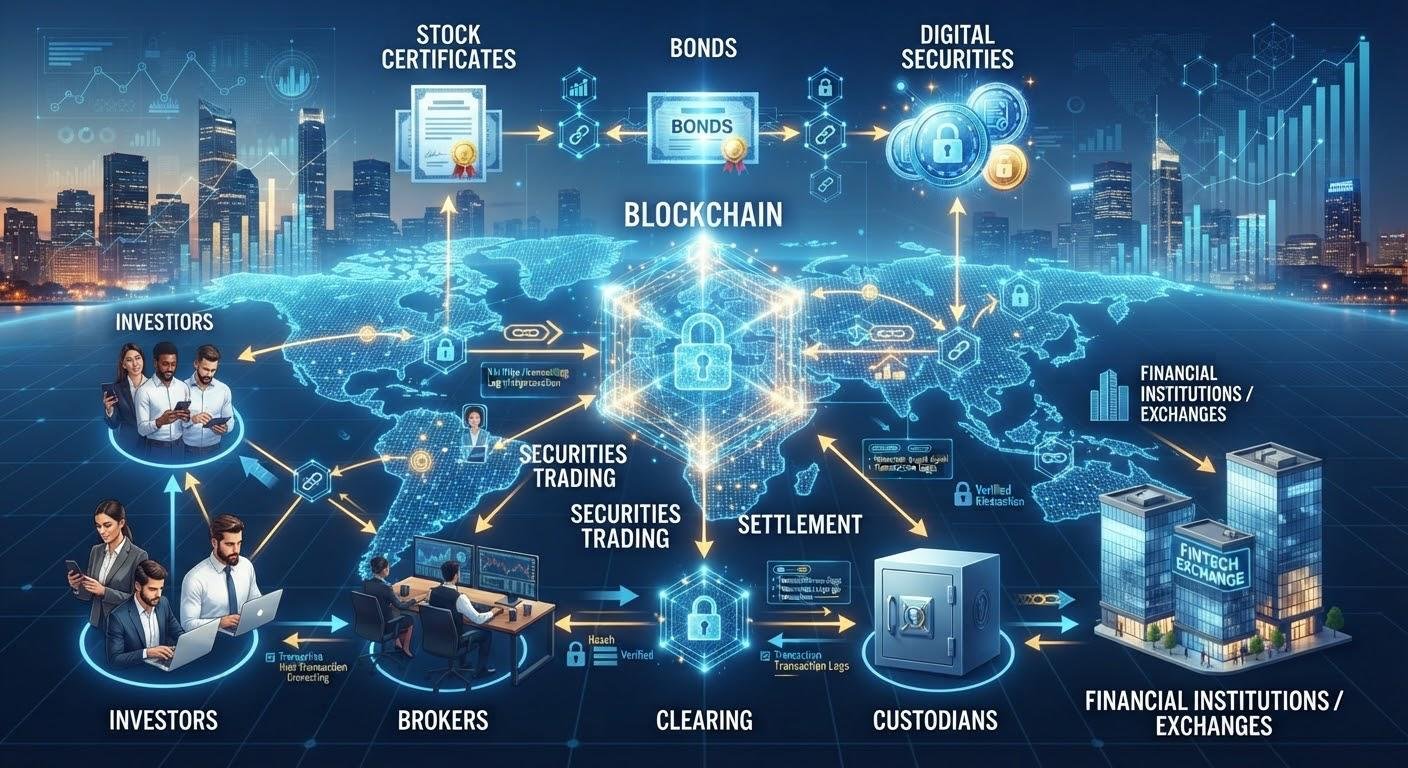
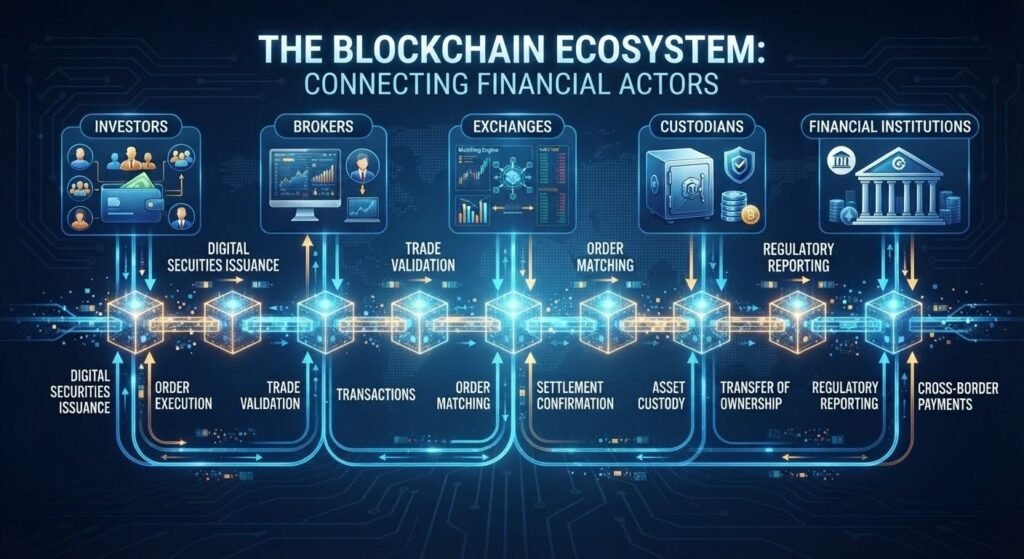
Blockchain’s significance in financial markets is its capability to establish a consensus on transactions across various parties. Traditional markets can include a number of entities including investor, broker, exchange, clearinghouse, custodian, settlement institution and more. Participants can keep separate records, systems and procedures, which can lead to reconciling requirements and more time and expense in completing transactions. A distributed ledger can help reduce duplication and provide greater transparency in transactional history and be used by authorized parties. Blockchain is not a market that is going to replace the markets; it is better understood as a particular process that is going to be impacted by this technology. It is likely to have the greatest impact when it facilitates (and improves) some aspects of trading and investment, and when it is willing to have a more long-term perspective on modifying the dynamics between market participants.
Blockchain and Securities Trading
The development of digital securities and their trading on the blockchain is one of the most significant uses of blockchain in the financial sector. Traditional securities are typically issued and held in a centralized manner, with ownership and transfers being recorded in a centralized system. A distributed ledger can be used to provide a record of ownership of an asset like a bond, fund interest, or other financial instrument in the form of a tokenized security. This can facilitate accurate ownership documentation and maybe even help assets to pass through electronic systems more efficiently. Fractional ownership could also enable investors to own more investment products via tokenization, as it involves breaking ownership into smaller digital “pieces”, depending on the type of investment product and relevant regulations. Technology can then be used to extend the number of assets that can be digitally managed and develop new ways of documenting who owns what and how financial rights are transferred.
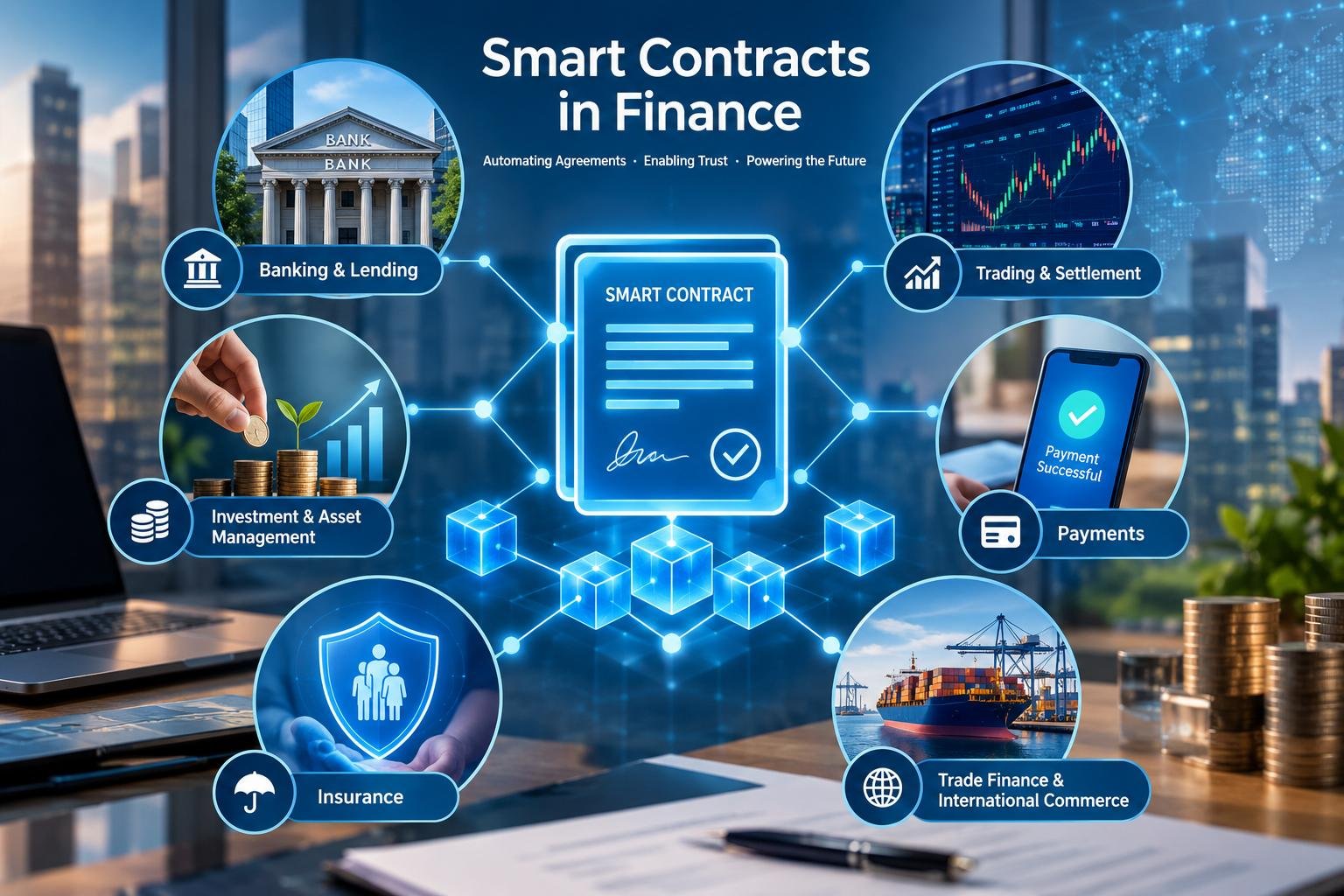
Another aspect of blockchain that may impact trading practices is the relationship between investors and intermediates. Another area may be how trades between investors and intermediates is conducted, this may be impacted by blockchain. In the traditional market order is usually placed by the investor through a broker and the exchange or other trading centers match buyers and sellers. The next set of processes then come into play, and the ownership and payment are finalized. Perhaps blockchain-based trading systems can be used to merge trading records and ownership information on a single ledger, which would decrease the amount of trading records participants need to keep. Smart contracts could also be programmed with specific instructions that are run when the conditions are met. The digital asset would then pass to the buyer upon the completion of the payment, for instance. It doesn’t replace the role of brokers or exchanges, but is likely to alter what they do as some of their administrative duties become automated using programmable infrastructure.
Digital Asset and Investment Platforms
Another significant aspect of investment behavior impacted by blockchain is digital assets. Another key area in which blockchain has already affected investment behavior is digital assets. Blockchain assets such as cryptocurrencies, stablecoins, tokenized securities and more can be delivered using a digital network without the need for a traditional financial settlement system. Digital asset trading platforms allow users to trade, buy, sell, hold or transfer digital assets, and may involve less intermediation than traditional trading platforms. This provides for quicker transactions and more market penetration. Meanwhile, digital assets may exhibit drastically different characteristics from traditional securities. There can be significant variations in prices, liquidity can fluctuate quickly and the legal and technological environment of various assets can be different. Investors must then be aware of the efficiency that blockchain-based markets may offer but also of the nature and potential risks of the assets they wish to invest in on the blockchain.
In the future, investment platforms might not just compete with traditional financial services, but also integrate them into the existing financial ecosystem while providing blockchain-based services. For instance, a brokerage website could keep track of ownership or settlement using blockchain, while keeping investors’ interfaces the same. Distributed ledgers could be used by asset managers to track transactions, validate asset holdings, and streamline some administrative tasks. The digital platforms may also facilitate a more streamlined process for ways to provide investors with real-time asset ownership and transaction status data. The quality of an investment platform, however, remains dependent on the factors like governance, security, liquidity, customer protection and compliance with regulations. While blockchain can enhance the underlying record-keeping process, it is not enough to ensure investment platforms are trustworthy or to stop bad business practice.
Blockchain and Portfolio Management
Blockchain technology can be significant for portfolio management as it could enhance the information available and consistent to track investments. Portfolio managers typically have to monitor various portfolio details like ownership, transactions, prices, corporate actions, settlement and other details across various systems. These systems are not always effective in communicating information, and institutions can invest a lot of time in reconciling information and making sure that records are correct. A shared ledger could give authorized participants a single source for the data of the transactions that has been reduced to a minimum, which would lessen the discrepancies among brokers, custodians, asset managers and other institutions. This might enable certain administrative tasks to be more efficient, and investment professionals will have more time to analyze performance, risk and investment strategy. However, blockchain should not be used as a replacement for the analytical process needed for investment decision-making as good investment decisions are not all about keeping good records.
Smart contracts could also help in investment administration, by automating tasks that presently call for manual instructions. For example, a smart contract might be programmed to give out payments when specified conditions are fulfilled, or record the new ownership after a transaction is approved. A blockchain based system may be able to automate some aspects of a subscription, redemption, distribution and reporting process in investment funds. These capabilities may cut down the delays in the operation and risk of human error. The downside of automating is that some smart contracts can be poorly designed and will take actions that aren’t as flexible as what a human would do. It would, therefore, be necessary for financial institutions to have robust testing, governance, monitoring and recovery mechanisms in place before engaging in meaningful investment activities with automated blockchain processes.
Application of Blockchain Technology in Reducing Clearing and Settlement Times
There are some of the biggest potential changes that could happen with blockchain in clearing and settlement, for instance. As opposed to the traditional securities markets, a trade in a traditional securities market requires not only matching a buyer and a seller, but it also requires the transaction to be executed in accordance with the terms of the agreement. There must be a set of financial institutions to complete the transaction, calculate obligations, transfer ownership and settle the payment. This process can lead to delays, operating costs and counterparty risk. A distributed ledger may have the potential to enable the information about the trade and settlement to be updated via a coordinated digital system, instead of the need to repeatedly reconcile between different sets of information. Depending on the market structure, deals may even close sooner, allowing investors to gain access to the assets they’ve acquired sooner and decreasing the time for which the counterparties are exposed to each other.
The advantages of quicker settlement may well be greater than speed. Shorter settlement periods can help to shorten the period during which money and securities are tied up in an incomplete transaction. Financial institutions may also need less operational coordination if there is less need to chase transactions for synchronization. But the relationship between payment systems, legal ownership, custody and regulatory requirements is tightly linked with settlement. The only way a blockchain network can potentially reduce settlement times is if the financial ecosystem around it works on a different mechanism that is faster. A successful implementation of course, will then demand a degree of coordination between exchanges, brokers, custodians, banks, regulators and technology providers. While blockchain could offer the technical underpinnings for a more efficient settlement, market participants will need to re-engineer processes around blockchain.
The Transformation of Brokers, Exchanges and Custodians
The role of the traditional financial intermediaries might be impacted by blockchain. Historically, brokers have offered services like order execution and account management, research, custody and coordination, and transaction processing. Some intermediaries may be automated or less reliance on manual processing if blockchain platforms enable certain transactions to take place between verified participants. Blockchain-based systems for trade recording and digital securities management might be considered for exchanges as well. Instead of their abolition, blockchain can create an incentive for these institutions to shift their emphasis from services that are more appropriate for decentralized systems. However, blockchain can make these institutions more inclined to focus on services for which they are needed such as expertise, regulation, provision of liquidity, risk management and investor protection.
Another major impact on custodians could be the ability to record a chain of digital asset ownership and transfers, which blockchain can offer. Traditional custody refers to the protection and proper record keeping of assets on behalf of investors and institutions. Custody might include holding private keys, operating digital wallets, authentication and verification of transactions, and safeguarding access credentials for the assets on blockchain. This provides a new working environment compared to traditional securities custody. Financial institutions that are implementing blockchain will require creating new security protocols and having robust controls around access and authorization. The rise of digital custody, then, is proof that blockchain is not a threat to the trusted institutions that are necessary; it’s just a harbinger of what they must safeguard and how they must provide it.
Benefits of Transparency and Automation
Transparency is among the most talked about benefits of blockchain technology in the financial sector. When the blockchain is designed and governed properly, it can offer a reliable historical record as transactions are recorded in a manner that is hard to change without being noticed. Authorized participants can check transaction histories without having to access a series of disjointed records. This can be used for the audit, compliance, reconciliation, and dispute resolution process. An increase in visibility can also boost confidence of institutions as they can be relying on the same information. Plans for transparency, though, do not imply that all blockchain transactions are public for all. Financial markets have the requirements for privacy, confidentiality and sensitive information, which necessitate the appropriate level of access to the blockchain network.
Another benefit of automation is possible. Smart contracts can include rules that specify what actions to take when certain conditions are met. This might facilitate automatic settlement, distribution of payments, transfer of assets, compliance verification, and other administrative tasks in trading and investment. Automation can eliminate repetitive tasks, and ensure that high-volume transactions are completed more reliably. It can also program some financial products themselves, enabling the rules governing them to be included directly into the digital systems. However, automation is not necessarily reliable. If there is a mistake in the instructions of a smart contract, the smart contract can still carry them out as specified. Test, review, governance, and human supervision are fundamental in cases where automated systems handle financial transactions.
Risks and Challenges
While blockchain has the potential to be a great asset, there are also significant risks that investors and financial institutions need to be aware of. Security is a high priority due to the risk of hacking wallets, stealing private keys, malware attacks, fraudulent platforms and smart contract flaws. The blockchain networks can be quite secure, but applications running on top of them might not be. Management of private keys is another risk for investors as they can be lost or misused, which could lead to the loss of access to assets. Security architecture, identity verification, access controls and recovery mechanisms are vital elements of blockchain investment systems to address all these risks. No institution should presume that implementing a distributed ledger will shield them from cyber threats.
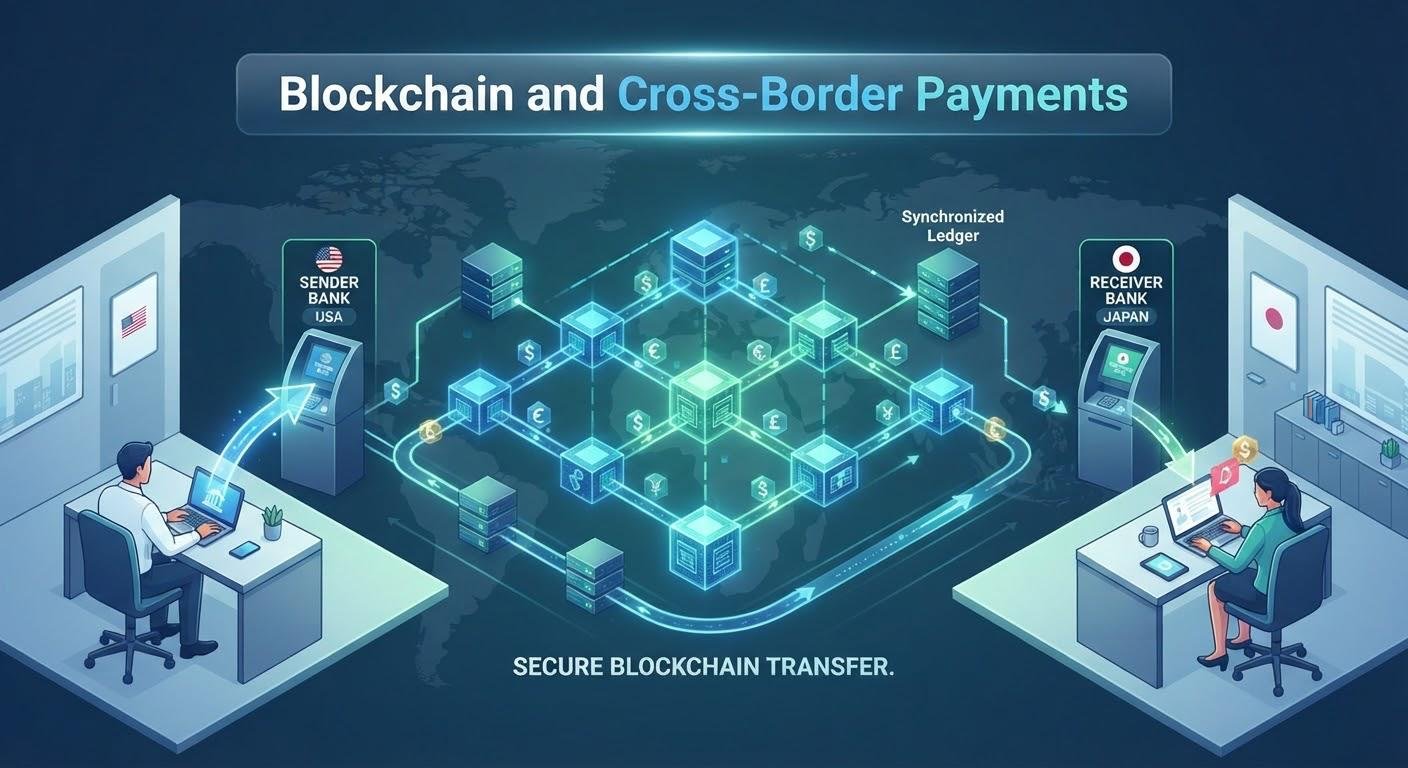
The issue of regulation is another challenge as the blockchain markets can transact globally, but the financial rules are usually created by each jurisdiction. Regulators need to decide on the classification and regulation of tokenized securities, digital assets, exchanges, blockchain, custodial services and smart contracts. Ambiguous or volatile rules can pose challenges for financial institutions in making big investments in blockchain. Market volatility is also crucial in digital assets, where some digital assets have the potential of experiencing significant price changes. In addition, the scalability, interoperability, energy efficiency, and governance of blockchain networks can be problematic depending on their design. These issues highlight the slow progress of blockchain in financial markets, which cannot be replaced with traditional systems.
The Future of Blockchain in Trading and Investment
Blockchain’s role in trading and investment in the future is likely to be a mix of traditional financial systems and distributed ledger technology. Where financial institutions can clearly see an operational benefit, like in settlement, asset tokenization, administrative automation, etc., they can consider using blockchain. Blockchain is now becoming a reality that investors can experience but without actually using or interacting with the technology. Distributed ledger infrastructure could be behind the scenes on an investment platform, for instance, while customers were given a trading interface they’d already known. This will help to keep blockchain within the shadows for the average investor, yet still provide institutions with the advantages of more effective deals with and shared records.
With the technology maturing, the best blockchain applications will likely be when the technology is used to solve a particular market problem, and not just for the sake of blockchain. In addition to technological innovation, financial markets need reliability, liquidity, legal certainty, privacy, investor protection and regulation. It’s possible that blockchain can be used to support these goals, but it can no longer do it all. Whether or not financial institutions are able to integrate distributed ledgers with the rest of the payment systems, compliance frameworks, custody arrangements, trading venues and regulatory systems will determine its long-term value. The technology is therefore not the end of the world, and is not meant to replace the entire infrastructure that is in place today.
Conclusion
The impact of blockchain on the trading and investment landscape lies in its ability to transform the processes of representing, transferring, recording and settling financial assets. New mechanisms of ownership can be enabled by the use of tokenized securities, blockchain investment platforms can offer greater access to the blockchain, and smart contracts can streamline certain financial functions. Distributed ledgers can also enhance transparency, lessen the need to reconcile, and facilitate quicker settlement between investors, brokers, exchanges, custodians and financial institutions. This benefit might lead to increased integration and efficiency of financial markets and to new investment products and market configurations.
But the acceptance of blockchain should be done in a balanced way, taking into account the limitations of blockchain. There are potential risks such as cybersecurity issues, digital asset volatility, regulatory uncertainty, scalability issues, interoperability, and smart contract vulnerabilities. The technology is not a solution in place of financial intermediaries, professional investment analysis, good governance or regulation. Rather, blockchain will likely impact the way these functions are executed. The debate over blockchain and its replacement of traditional markets won’t just be about whether it can do that anymore. The big question is where blockchain can make a meaningful difference without compromising the security, transparency, stability and investor protection that modern financial markets demand.
Get more well researched information about Blockchain in Trading and Investment here.