Introduction
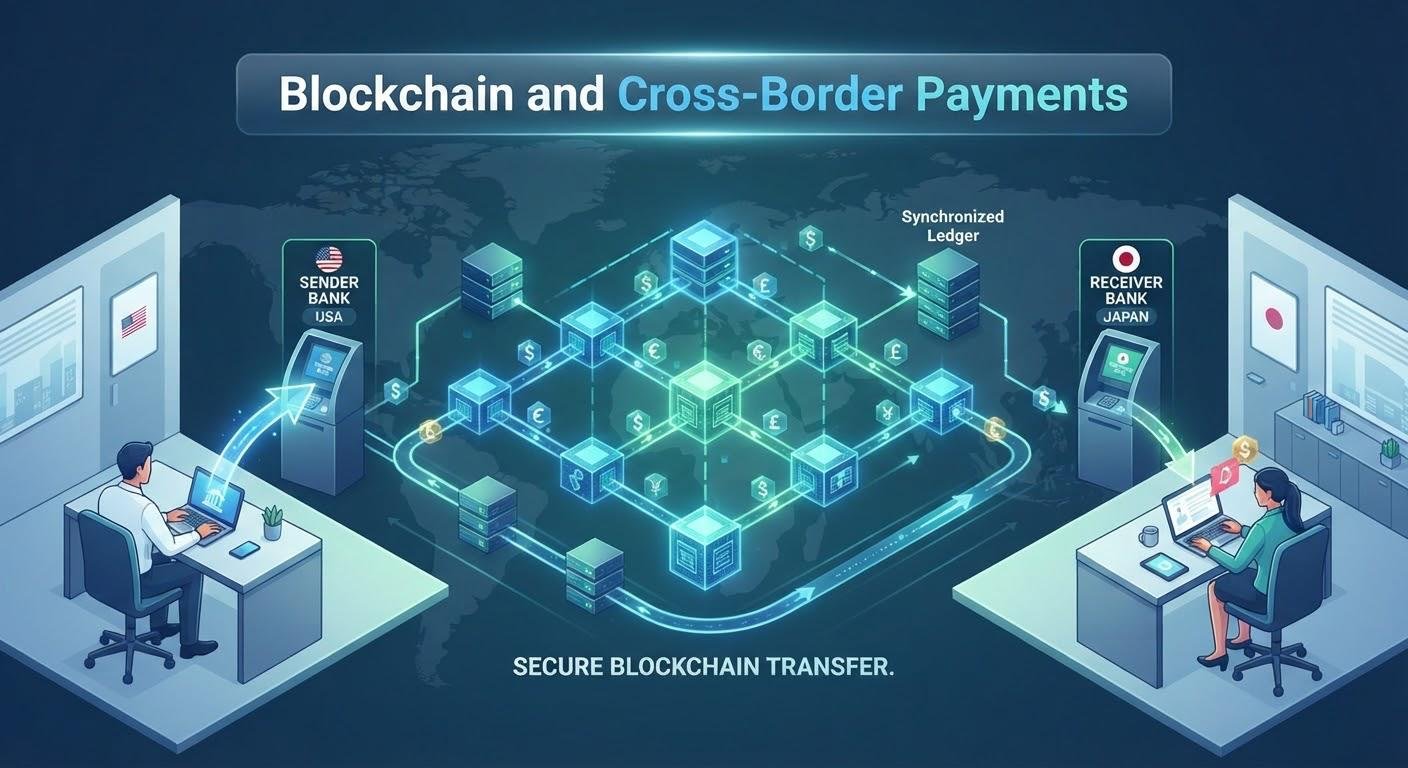
While cash transfers are vital for global commerce, migration, investment, online business and business growth, sending money across borders can remain slower and more cumbersome than can be hoped. There may be several banks, payment providers, clearing systems and correspondent banks involved in a typical cross-border payment before the payment reaches its recipient. Participants can add processing needs, costs, delays, and potential for mistakes. This has boosted interest in distributed ledger technology (DLT) that offers a common way to record and confirm transactions between the parties involved. A distributed ledger can enable trusted participants to download a shared record, instead of having to rely on other databases that will have to be later synced up. The technology is not the answer to all international payment woes, but has the potential to serve as bedrock for more advanced processing, visibility and automation in settlement.
The Challenges of Cross-Border Payments
The traditional international payment system is a chain of institutions, due to the fact that countries’ banking systems, currencies, regulations, payment systems and practices are different. A bank that issues funds to another country might use a correspondent bank that will transfer funds via the appropriate network. The receiving institution then validates the transaction, carries out all the compliance checks, funds the transaction and credits the beneficiary. If multiple institutions are involved, then information needs to be accurately passed along from each at each stage. If anyone payment gets delayed, it will impact the entire payment. Cut-off periods, manual reviews, weekends, public holidays and time zones can add to the processing time. The complexity is particularly difficult for businesses and individuals that might not understand the reasons why an international transfer may take a few days, whereas a local digital transfer can be done much quicker.
How Long before an Intermediary Responds?
The conventional cross-border payment model relies on intermediaries, which can introduce higher costs and complexity to cross-border payments. There may be compliance, currency conversion, settlement, payment processing and other fees that may be charged by each institution involved. A sender can thus pay an up-front fee, with further charges taken off the payments journey. There may be more costs involved if the currency conversion service provider charges a spread on the conversion rate above the market rate. There can also be delays in processing by the institutions if they have to communicate with each other before releasing the funds. Delays can impact businesses with regards to cash flow, supplier relationships, payroll and international purchasing. Fees may be levied that affect the amount received by those who send money to family members overseas. This makes it necessary to have a payment system which can play its role in the reduction of the unnecessary middlemen and the simplification of the process of transaction.
Reconciliation and Limited Transparency
The other big issue is the reconciliation. Banks and payment providers can have their own records of the same transaction and the records need to be matched so that balances, instructions to pay and settlement information are in harmony. Steps taken to trace the cause of a delay, rejection, duplicate payment or incorrect credit may involve a communication with multiple institutions. This will lead to administrative hassles and the risk of disagreements. There’s also a lack of transparency as customers can only assume the payment has been made and may not know where it’s in the processing stream. One possible solution to this is to have a shared ledger that participants can access to get a consistent ledger of transactions. Rather than having to rely on different information sources for different phases of the transaction, institutions could have access to a common source of information for certain stages of a transaction. This may help to streamline verification, tracking and reconciliation processes, and prevent duplicate records.
How Blockchain can Improve International Payments
Blockchain is one of the types of DLT, where transactions are recorded and authenticated by a network, not just a centralized database. However, in financial use, blockchain doesn’t necessarily imply that all payments need to be made on an open network for cryptocurrencies. Permissioned networks can be used by banks and regulated financial institutions, where only specific participants are allowed to participate in validating transactions or accessing specific information. The difference is key when making payments internationally as it demands privacy, compliance, governance and controlled access. The blockchain-based payment system could be set up as a shared payment record that would enable payment instructions and settlement data to flow via a coordinated digital environment between the participating institutions. The system may help eliminate unnecessary recordkeeping and streamline aspects of the recordkeeping that are currently manual, relying on the communication between financial institutions.
Faster Settlement and Continuous Processing
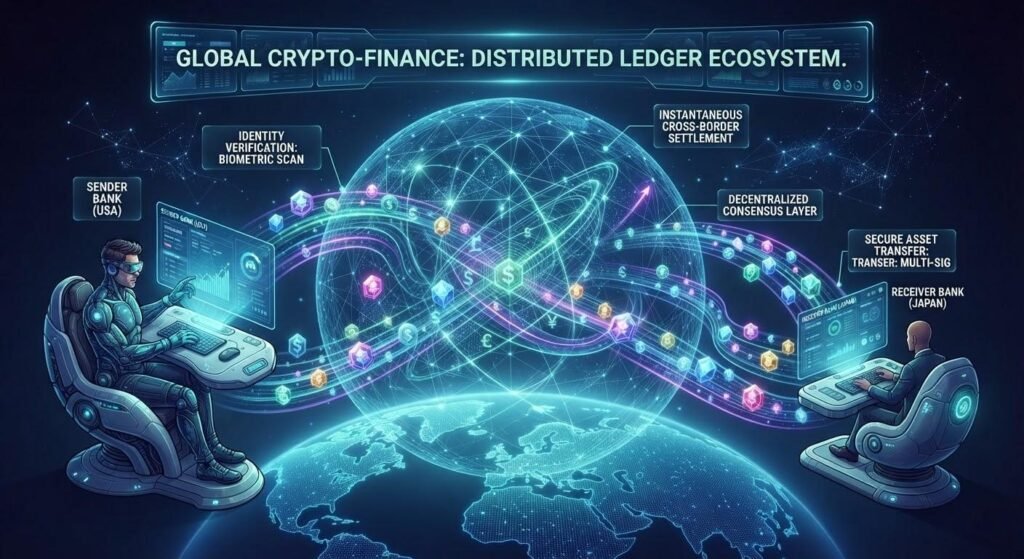
A potential advantage of the blockchain-based payment infrastructure is its ability to enable quicker settlement. In traditional systems, settlement of funds and payment messaging are different processes leading to delays in the transfer of funds from payment instructions. A distributed ledger network could include the transaction information along with the settlement processes, enabling authorized participants to make changes to the shared ledger in accordance with conditions that they agree upon. Certain blockchain payments systems can also be beyond banking hours, which helps alleviate a reliance on cut-off time and business days. However, this does not imply that all payments on the blockchain will be immediate, since it takes a while for participants to be compliant, to have liquidity, to convert currencies, and to find suitable settlement options. But minimizing unwarranted handoffs and manual reconciliation would improve the timeframe of payment processing and make it easier to predict what payments will be like for businesses, financial institutions, and individuals when they are international.
Lowering Cost by Reducing Intermediation
Another benefit of blockchain might be cutting down on some expenses through reworking financial institution interactions. For specific payment routes fewer intermediaries could be needed if participating banks and payment providers can provide a trusted transaction record. Smart contracts can also perform pre-defined actions, such as disbursing cash once the conditions are met. Automation can decrease administrative work and the quantity of manual checks needed for typical trades. But that doesn’t necessarily mean the customer will pay cheaper rates because the technology is cheaper. There are still costs to be borne by financial institutions associated with compliance, liquidity, foreign exchange, cyber security, infrastructure, customer support and regulation. The true value would be determined by whether or not efficiencies generated by the network are transferred to businesses and consumers. In this sense, blockchain should be considered an alternative to decrease the unnecessary friction and operating costs, not that it is a source of certainty that international transfers will be cheaper at all times.
Greater Transparency and Easier Reconciliation
The proper design of a distributed ledger can help increase transparency, as authorized participants can interact with information about the transactions that is synchronized. With a payment flowing through a network, relevant parties can be able to view the status of the payment based on their permissions, instead of getting it in separate messages and databases. This may make it simpler to pinpoint the delayed payment or if a specific condition has been met or not. Reconciliation can also be more efficient as participants don’t need to recheck their own records as they have a shared record. In large financial institutions, where recon is a critical function for a large number of international transactions, any saving on recon efforts can be huge. But transparency should be thoughtfully designed since there are sensitive information that can be found in financial transactions. Institutions are not able to provide all the details of each transaction to each participant. Therefore, a crucial component of trust in blockchain-based payment networks is the implementation of privacy controls, permission management, encryption, and proper data governance.
International Finance has many Applications
There are a number of aspects of global finance that might be made easier with blockchain-based payment systems, other than regular bank transfers. Distributed ledgers might be used in trade finance to link banks, exporters, importers, shipping companies and other trusted entities to common documents and transactions. This might minimize the time it takes to process paperwork, and ensure that agreed trade terms have been fulfilled. In remittances, blockchain networks could offer other settlement channels for financial institution-to-payment-provider transactions, thus lessening reliance on long chains of correspondent banks. Blockchain could also be implemented in business for payments to suppliers, treasury management and inter-subsidiary payments between businesses with overseas subsidiaries. The utility of digital representations of currencies or regulated stable-value payment instruments in settlement on blockchain networks could also be contingent on local laws, markets, and the design of the payment system.
The Digital Currency and Tokenized Money
The utility of blockchain to accomplish cross-border payments is also partly associated with the type of value that flows by way of it. A blockchain can show a payment instruction, but it’s still necessary to have a proper method for the representation and transfer of money. This could be done by way of tokenized deposits, central bank digital currencies, stablecoins that are regulated, or other digital settlement assets. There are many types of these models with varying legal status, risk profiles, governance and convertibility. In the former case, commercial bank money, and in the latter case, a direct claim on the central bank in which such a system exists, would be tokenized deposits. What is crucial is that blockchain doesn’t get rid of trusted money. From the perspective of a successful cross-border system, it should be possible for the digital ledger to be made legitimate, interoperable, transferrable and usable across multiple jurisdictions. From the viewpoint of a successful cross-border system, it should be possible for the digital ledger to be deemed legitimate, interoperable, transferable and usable across multiple jurisdictions.
The Problems of Regulatory and Compliance Matters
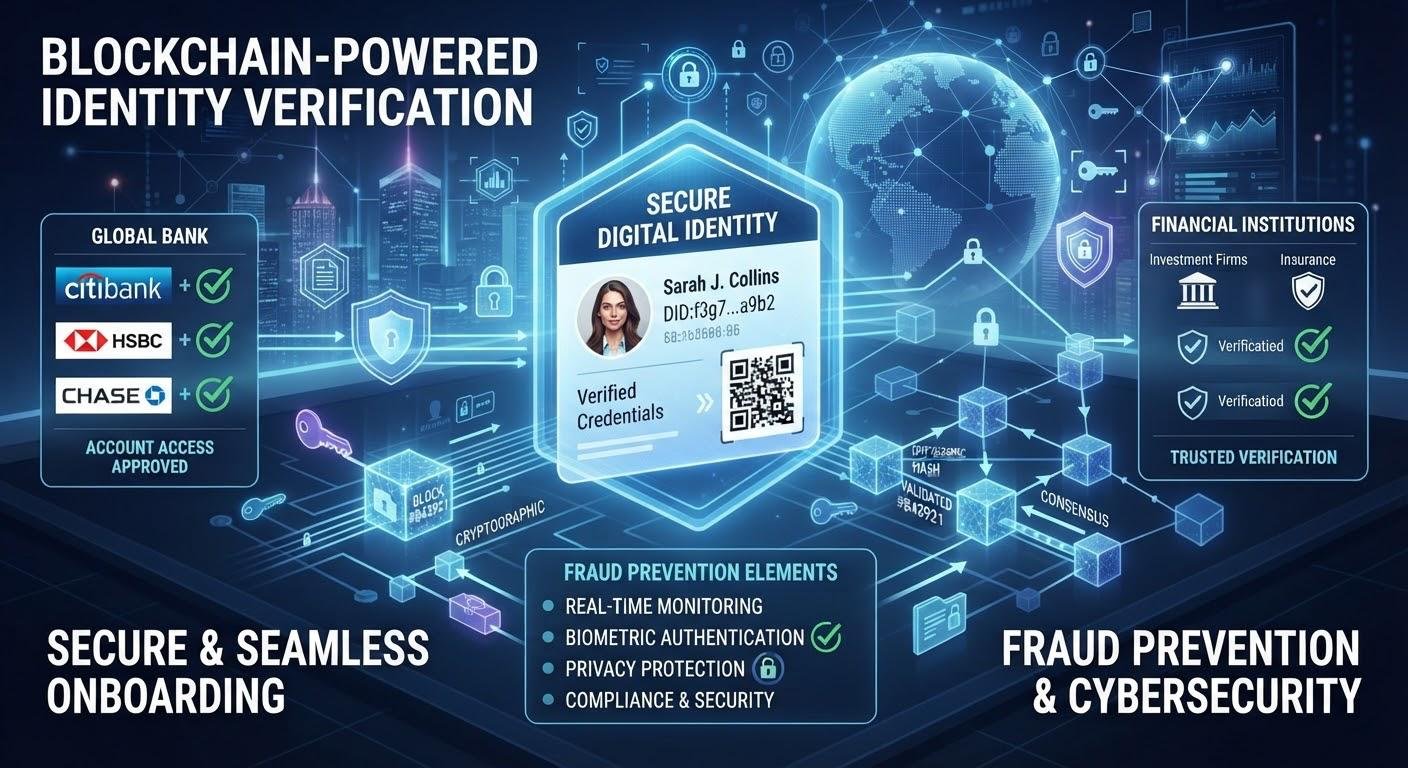
International payments are highly regulated due to the risk of money laundering, financing for terrorist activities, sanctions violations, fraud, tax issues, consumer protection and financial stability issues. In this sense, blockchain networks must rely on robust compliance processes and not provide an excuse for not regulating. Banks and payment providers might have to identify consumers, check transactions against sanctions criteria, watch for suspicious transactions, keep proper records and stick to the data protection guidelines. Blockchain-based payment services and digital assets might also have different set of requirements imposed on them in different countries. When the payment network is operated in multiple jurisdictions, it is important that the network should also be able to decide which legislation is applicable for the participants and the transactions. Financial institutions may be less willing to invest significant resources in infrastructure that could be in conflict with the regulations if there is regulatory uncertainty about future requirements. Educational clarity, collaboration and adequate supervision will thus be crucial in the adoption of blockchain in international payments.
Avoiding Currency Risk and Interoperability
There’s also a problem with currency risk. When you send funds internationally typically you need a minimum of 2 currencies and the exchange rate may vary from the time the funds are sent to the time that they are settled. A quicker settlement of the blockchain can shorten the duration of the exposure to the exchange rate, but cannot eliminate foreign exchange risk. There is still a need for users to have the assurance of reliable pricing, liquidity and currency conversion. Additionally, inter-operability is crucial since various blockchain networks, banking systems, payment systems and digital assets cannot automatically communicate with each other. If each institution makes their own network, then it may be a new collection of separate systems – not a unified global payment system. To facilitate interoperability and integration, it will be crucial to establish compatible messaging protocols, agreements between financial institutions, secure interoperability mechanisms and common technical standards.
Adoption, Security and Operational Risks
There are new risks associated with technology adoption, too. The blockchain networks need an efficient network structure, robust cybersecurity, effective governance, and talented team members. The vulnerability of a smart contract or system runs the risk of causing financial losses, or even if a cryptographic key is well managed, its loss prevents access to digital assets by those who have been authorized. The governance can also become complicated when there are multiple governance bodies for a network. All participants must agree on the participants, who will be validating transactions, how transactions are resolved in the event of a dispute and what happens if the system requires updating. The other challenge is the possibility that organizations may invest in blockchain, but without a clear business case, merely because it is popular. Transitions to a successful adoption should therefore start with payment issues and key goals that can be measured, including a shorter settlement time, a lower cost of reconciling payments, increased visibility and traceability, or an increased number of payment corridors that are underserved.
The Future of Cross-Border Payments
It is doubtful that blockchain will supplant all the current international payment methods in the foreseeable future. Traditional banking networks are already global, have known compliance procedures, a high degree of liquidity and have long-standing relationships with customers and regulators. Rather, blockchain could be one part of a larger payments system that co-exists with traditional payments and digital currencies, tokenized currency and distributed ledgers. The best applications will probably be in areas where the technology addresses a clearly defined problem which is inadequately addressed by current infrastructure. The cross-border payments process is an ideal candidate, as it requires multiple institutions to be involved, records to be fragmented, multiple currencies to be used and complex settlement processes. With the interoperability and security of the standards developed by regulators, banks, technology providers and payment companies, blockchain has the potential to improve international transactions.
Conclusion
Intermediaries, fees, delays, reconciliation, lack of visibility, regulations and currency complexity are all barriers to cross-border payments. An alternative to this is available through Blockchain and distributed ledger technology, which can enable an approved network of participants to be able to share synchronized transaction records, automate certain processes and perhaps complete payments significantly faster. It could enhance transparency and mitigate some administrative drags, including in remittances and trade finance, business payments and institutional settlement. But blockchain is not the solution for all. Many factors need to be considered to achieve large-scale benefits, such as regulatory compliance, privacy, cybersecurity, foreign exchange risk, interoperability, governance and adoption costs. In turn, the future of international payments will rely more on the successful marriage of blockchain solutions with trusted money, the current payment systems, and the usability of international standards.
Get more well researched information about Blockchain and cross-border payments here.


I do not even understand how I ended up here, but I assumed this publish used to be great
I just like the helpful information you provide in your articles