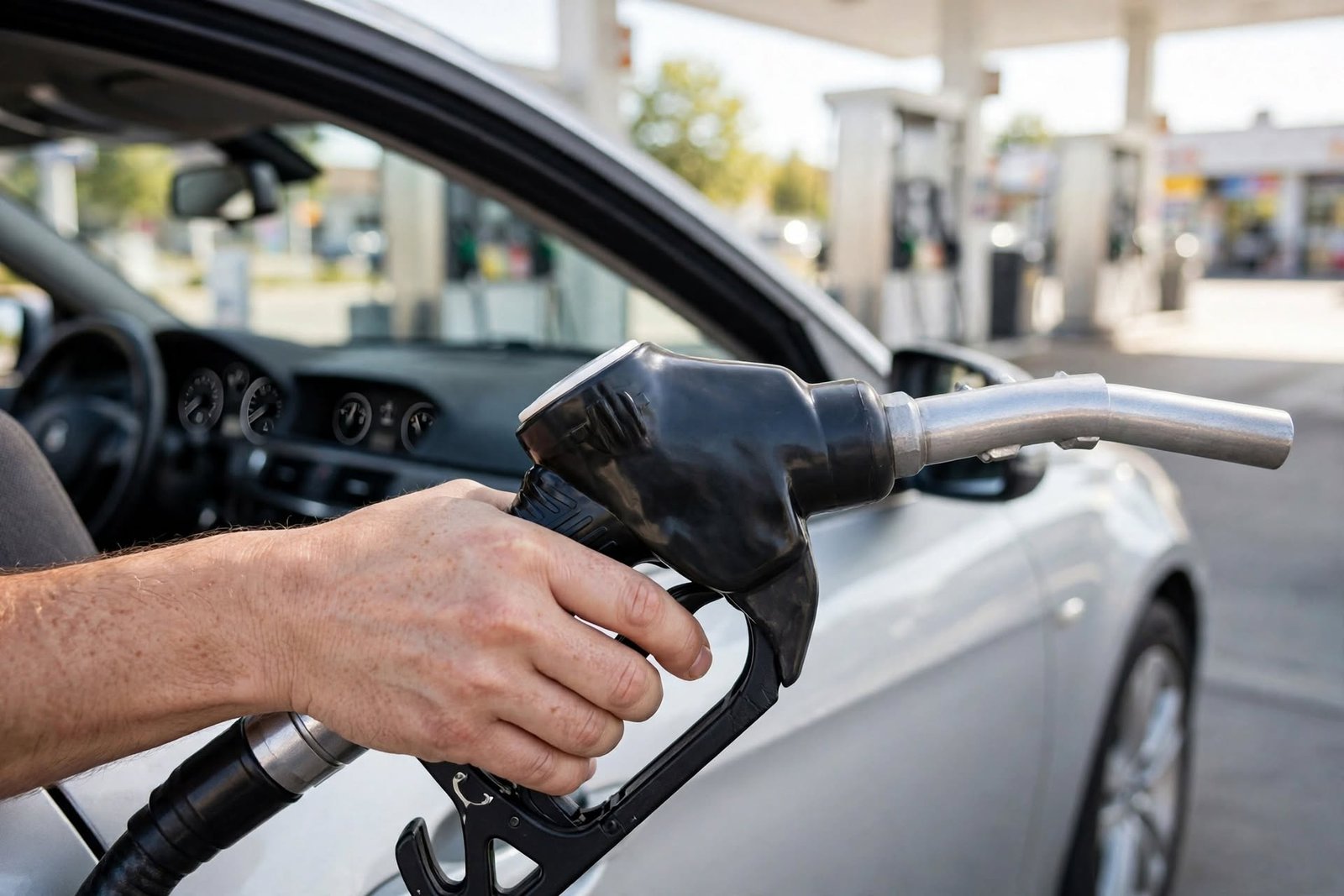
vehicle maintenance fuel consumption is a wider issue than how much one drives or what the driver does. The car’s mechanical state is what we should look at, as a car in poor repair will burn fuel inefficiently.Understanding how vehicle maintenance fuel consumption is affected by tire pressure, engine health, air filters and spark plugs helps you catch problems early and save fuel.
Comprehension of the fact that proper vehicle maintenance and fuel economy are closely connected is what car owners use to put in place solutions that, at the same time, identify early mechanical issues. We see that tire pressure, engine health, air filters, spark plugs, wheel alignment, engine oil, and the fuel system all play a role in efficiency. Also, we note that regular maintenance, in fact, supports better fuel economy, which in the long term also helps prevent more expensive repairs.
Why Vehicle Maintenance Affects Fuel Economy
A vehicle is a system of many components that must work together. The engine has to burn fuel efficiently, the tires should roll smoothly over the road, and moving engine parts must have enough lubrication. If any of these systems fails, the vehicle may use more energy than it should. As energy is produced in the engine via fuel combustion, any increase in mechanical resistance or poor combustion will see fuel efficiency drop.
Regular maintenance is a must for the health of your vehicle’s components. We see that some issues develop slowly, which makes them hard for drivers to notice until it is too late and their car’s fuel efficiency has gone down. What we find is that regular servicing of the main car systems will catch these issues before they grow into big problems. Also, what may not be as well known is that, in addition to making your car more reliable, maintaining it also plays a role in reducing fuel waste.
Tire Pressure and Fuel Consumption
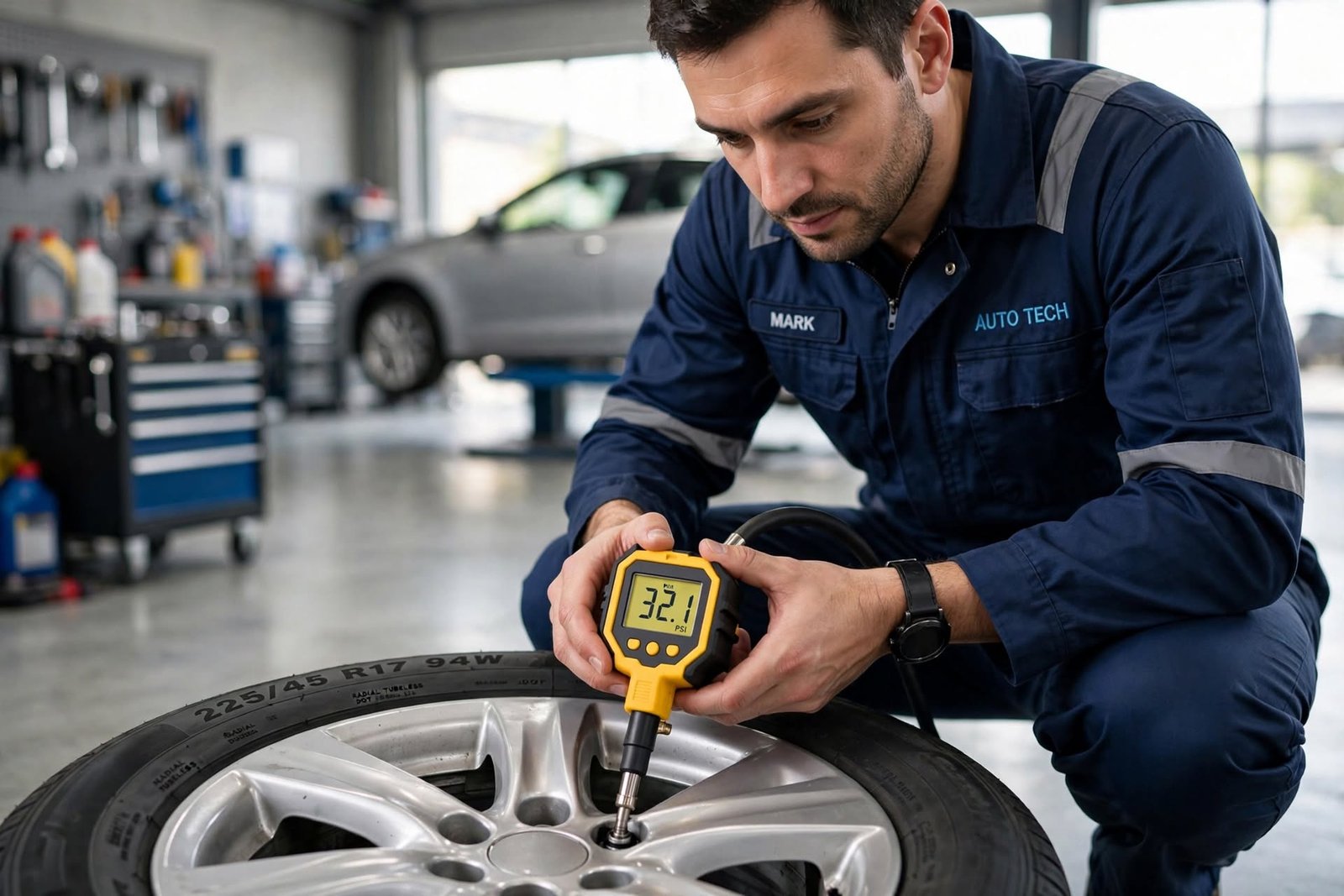
Proper tire pressure is of great importance, as tires play a very large role in how easily or not your car runs smoothly. Also, when you have underinflated tires, what they do is increase rolling resistance, which then means that your engine is working harder to move your car. This is something that will be apparent when you are out on daily routine trips and also during long-distance driving.
Drivers should check their tire pressure regularly and also follow what the auto manufacturer says. Tire pressure may also go down over time and with temperature changes. At proper inflation, tires improve fuel efficiency and also wear more evenly, which in turn causes them to last longer.
Tire Condition and Wheel Alignment
Tire health is an issue for fuel efficiency. Poor wear and tear may indicate problems with alignment or suspension elements. A car that runs on damaged or very worn-out tires may not perform at its best.
Poor wheel alignment will cause the tires to fight against each other, which in turn causes poor handling and movement in a direction you do not want. You may notice the car pulling to one side or having to constantly correct your steering. Getting the alignment fixed also improves handling, protects the tires, and reduces unnecessary resistance, which may in turn lower fuel use.
Engine Condition and Fuel Efficiency
The engine’s job is to convert fuel into energy, which in turn makes the vehicle move. For a well-tuned engine to perform at its best, it requires a proper air-to-fuel ratio, good ignition, and all mechanical parts to be in good condition. Issues with sensors, cooling systems, or other engine components will disrupt complete combustion.
An issue with the engine doesn’t always present itself in a dramatic breakdown. What we may see instead is an increase in fuel use, which may be the first sign that there is a problem. Drivers may also notice a drop in performance, rough idling, hard starts, or warning lights. Regular maintenance is a way to catch these issues before they turn into more serious damage.
Air Filters and Proper Airflow
As we see it, the engine uses clean air for the process of combustion, and the air filter plays a role in keeping out dust and debris. Over time, the filter will become contaminated, especially when the vehicle is driven mostly on very dusty roads. As a result, there may be a decrease in airflow, which in turn will see engine performance drop.
At each maintenance session, check your air filter, which will indicate when it’s time for a replacement. Also, check for damage in intake components and sensor issues that may be affecting performance. In terms of diagnosis, it is important to do it right in order to avoid unnecessary expenses.
Vehicle Maintenance Fuel Consumption: Engine, Air Filters and Spark Plugs
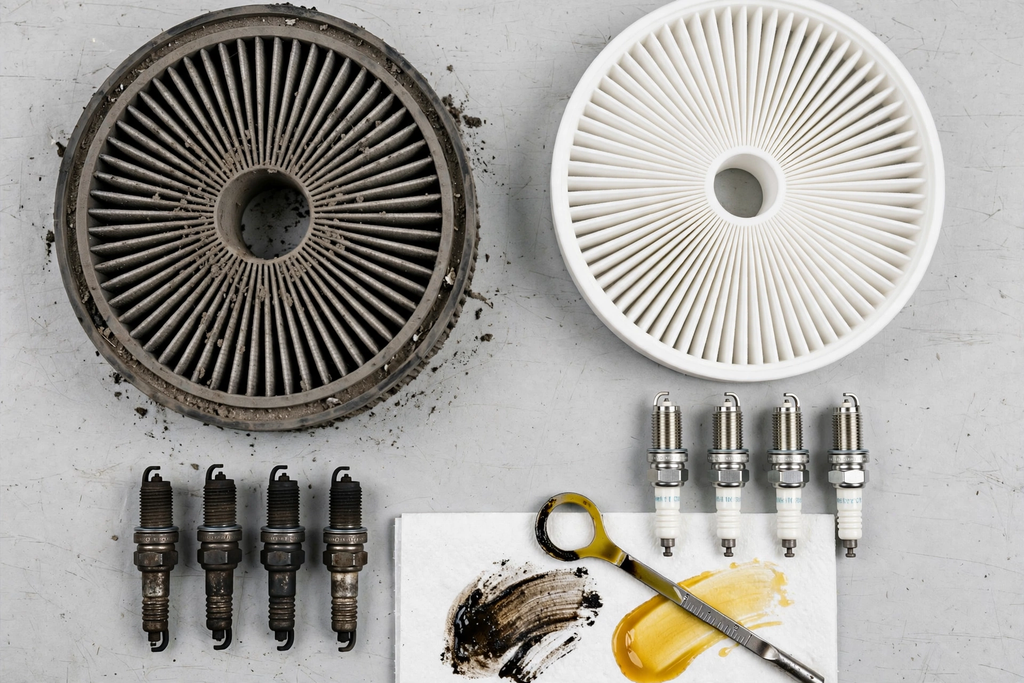
Spark plugs play a key role in gasoline engines by igniting the air-fuel mixture in the cylinders. For efficient combustion, the ignition has to happen correctly and at the right time. Spark plugs will wear out from normal use, and their replacement is based on the make of the car you have and the type of plugs that are installed.
Worn-out or faulty spark plugs may cause rough idling, poor acceleration, difficulty in starting, and high fuel consumption. We also see inefficient combustion processes, which in turn use up more fuel while at the same time reducing engine performance. It is recommended to replace spark plugs as per the manufacturer’s recommendations in order to maintain efficient engine function.
Oil Changes and Engine Efficiency
Engine oil reduces friction between moving parts and also plays a role in protecting the engine against excessive wear. Over time, oil breaks down and gets contaminated. If lubrication does not perform at an optimal level, the engine may end up working harder than it should.
Proper use of oil as recommended by the manufacturer is what you need for good engine health. Wrong oil types may cause issues with lubrication and performance. Although regular oil changes do protect the engine, proper lubrication also leads to better performance and reduced energy waste.
Fuel-System Problems and High Fuel Consumption
The fuel system has to deliver proper amounts of fuel for smooth engine performance. Issues with injectors, sensors, pumps, or other components may affect this process. If more fuel is supplied than required, or the engine is not using it efficiently, this in turn causes higher consumption.
Fuel-related issues are also a cause of rough running, poor acceleration, or hard starting. Also, many issues that are not fuel-related may present the same signs. Professional diagnosis is key to identifying the issue and avoiding unnecessary part replacement.
High Fuel Consumption as an Early Warning Sign
Fuel economy may drop out of the blue because of bad driving or traffic. We see that poor road and weather conditions, heavy loads, and aggressive driving do play a role in that drop. What may go unnoticed is that, at times, it also points to a mechanical issue that is still to be determined.
Drivers who note their car’s typical fuel use will notice unusual changes. By paying attention to your car’s mileage and refueling habits, you may see signs of trouble in the tires, engine, ignition system, sensors, or fuel system. If you catch these issues early, you may prevent more serious and expensive repair issues.
Other Fuel Efficiency Practices That Support Vehicle Performance
Other issues related to mechanical performance also factor into a car’s overall performance. Things like brake drag, cooling system failures, worn components, and faulty sensors may play a role in creating extra resistance or affecting engine performance. Regular maintenance will help identify these issues before they greatly impact fuel economy.
Following repair and maintenance schedules as recommended by the manufacturer is the foundation on which we base vehicle care. Drivers should also note what kind of environment they are putting their cars in, for example, heavy traffic, short trips, driving on dusty roads, and rough terrain. These environments may put more stress on certain parts, which may require additional maintenance attention.
Conclusion
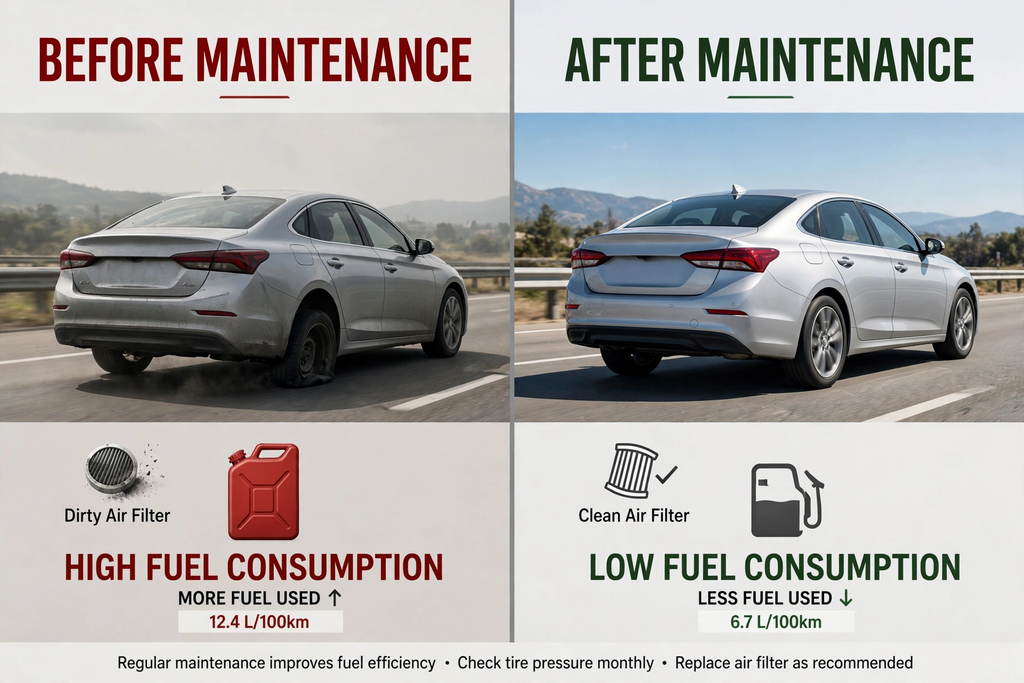
Proper care of your vehicle will see an improvement in fuel efficiency. Issues like keeping tire pressure at the right level, getting regular wheel alignment, changing out air filters, getting spark plug issues attended to, using the right type of engine oil, and seeing that the fuel system is in good health all play a role in how well your car performs. Disregarding these may cause more mechanical resistance, a drop in engine performance, and an increase in fuel use.
Unusually high fuel consumption is also a possible sign of a mechanical problem. By paying attention to changes in fuel use and getting issues addressed early, you can protect your vehicle’s components and may also avoid large repair bills. By maintaining a regular car maintenance routine, vehicle owners can improve reliability, see better fuel economy from what they put in, and get more value for each litre of fuel they use.