Cancer treatment has advanced significantly over the past few decades, giving patients access to more precise and effective therapies. While surgery, chemotherapy, and traditional radiation therapy remain common treatment options, newer technologies are helping doctors target tumors with greater accuracy. One of the most promising innovations is particle therapy, an advanced form of radiation treatment designed to deliver high doses of radiation directly to cancer cells while minimizing damage to surrounding healthy tissue.
For many patients, understanding how particle therapy works can make it easier to discuss treatment options with healthcare providers and make informed medical decisions.
Understanding Particle Therapy
Particle therapy is an innovative form of radiation therapy which employs charged particles – such as protons and carbon ions – to treat cancerous growths, instead of standard X-rays.
Because of this targeted approach, nearby healthy tissues receive less radiation exposure, which may reduce treatment-related side effects for certain patients.
How Does Particle Therapy Work?
Your doctors create a tailored plan for your treatment by using comprehensive scans to find the exact spot, dimensions and structure of your tumor before they start the therapy.
During each radiation therapy session, your doctor will use a special machine that focuses high-energy beams onto the tumor from a number of angles. The beams deposit the most of their energy once they reach the tumor – destroying cancer cells but not unnecessarily targeting healthy nearby cells.
Treatment sessions are usually painless and often last only a short time.
Conditions Treated with Particle Therapy
Particle therapy is used to treat several types of cancer where precision is especially important.
Common applications include:
- Brain tumors
- Head and neck cancers
- Prostate cancer
- Pediatric cancers
- Eye tumors
- Spine tumors
- Certain lung and liver cancers
Doctors determine whether particle therapy is suitable based on the patient’s overall health, cancer type, and treatment goals.
Benefits of Particle Therapy
Greater Precision
Particle beams can target tumors more accurately than many conventional radiation treatments.
Reduced Damage to Healthy Tissue
Lower radiation exposure to nearby organs may help reduce certain side effects during and after treatment.
Suitable for Complex Tumors
Tumors located close to sensitive organs may benefit from the highly targeted nature of particle therapy.
Improved Quality of Life
Many patients experience fewer treatment-related complications, allowing them to maintain normal daily activities throughout therapy.
Potential for Better Long-Term Outcomes
For selected cancers, precise radiation delivery may improve treatment effectiveness while lowering the risk of long-term complications.
What Patients Can Expect
A normal treatment includes an initial consultation followed by diagnostic imaging. Once this has been planed and checked off as suitable for your patient, they’ll then need to attend their routine set dates in clinic or with your therapist. Therapy cycles can be anywhere from just a day to several days or weeks.
Almost all sessions don’t require being admitted into hospital and most patients can go home hours after treatment and go to back on a routine with doctors to follow up progress.
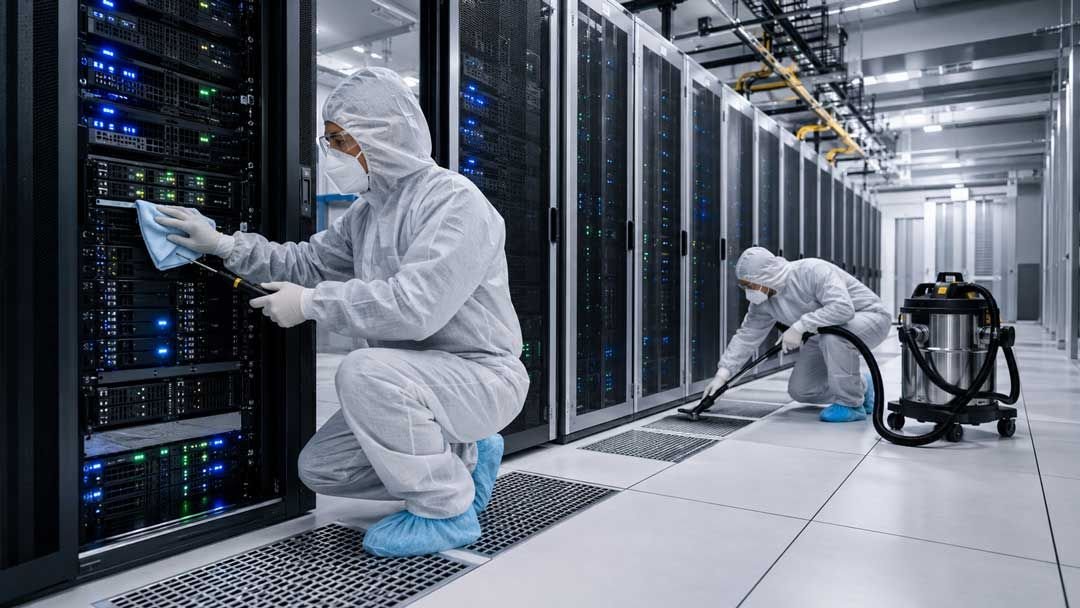
Technology continues improving healthcare as well as business operations. For example, Managed Security Services help organizations monitor and protect critical digital infrastructure, while advanced particle therapy systems use sophisticated imaging and precision control technologies to deliver highly accurate cancer treatment.
Are There Any Limitations?
Although particle therapy offers several advantages, it may not be appropriate for every patient or every type of cancer.
Specialized treatment centers are still relatively limited, and the technology requires significant investment in equipment and facilities. Treatment costs may also be higher than conventional radiation therapy in some healthcare systems.
Patients should always discuss available options with qualified oncology specialists before choosing a treatment plan.
The Future of Particle Therapy
This same approach is being pursued even further, in the ongoing evolution of particle therapy, with artificial intelligence and imaging, as well as on-the-fly treatment planning in the machine itself. The aim is to push even closer to precision in terms of the radiation beam, even in the unlikely case it would need to be readjusted based on the change of the target over time during treatments.
New clinical applications, as well as new combination approaches to further enhance and expand on outcomes for these cancers are being evaluated. Particles therapy is expected to expand, and become more specialized.
Final Thoughts
Particle therapy stands out as a significant achievement in contemporary cancer care by delivering radiation therapy with increased precision, directly targeting the tumor. The advantage of sparing healthy tissues while effectively treating specific tumors makes it a strong option for certain patients. Particle therapy will certainly have a growing place in cancer care with further technological advancements.
Author Bio
Lalit Sen is a freelance content writer, blogger, and digital marketing professional producing educational content on healthcare, medical devices, business, and digital technology. He works at explaining complex topics in a clear and understandable manner, allowing readers to familiarize themselves with new technologies and industries.