Introduction
Indoor Air Quality Improvement is an important but often overlooked aspect of a healthy lifestyle.Pollution in homes can sometimes be worse than pollution in the outside environment; pollution in the house is being discussed. Poor indoor air quality can exacerbate respiratory health issues, cause fatigue and cause long-term health problems due to dust, allergens, VOCs and moisture imbalances. It is crucial to have clean indoor air, in a modern life when people spend long hours inside their homes.
There is no single solution to improve indoor air quality; there needs to be a multi-faceted approach. While no single solution will solve everything, using a combination of effective ventilation methods, air purification technologies, humidity management and pollutant reduction measures, homeowners can implement a healthier home. This article delves into each of these areas in detail, providing families with practical tips to make their lives easier and better.
Ventilation Methods
The basis of indoor air quality is ventilation. Poor ventilation will cause pollution and moisture levels will rise, and oxygen levels will fall, resulting in an unhealthy environment. The easiest is to allow fresh air to come in such as opening windows and doors which is known as natural ventilation. This is not doable in highly polluted urban areas, however, or in extreme weather.
Mechanical ventilation systems are more reliable. Kitchen and bathroom exhaust fans circulate air and eliminate odors, smoke and excess moisture, while whole-house ventilation systems circulate air around the house. There are more sophisticated ventilation systems, such as energy recovery ventilators (ERVs) and heat recovery ventilators (HRVs) that not only bring in fresh air and remove polluted air, but also save energy by recovering heat or coolness from one ventilation stream and utilizing it in the other. These systems are especially advantageous in today’s contemporary, tight houses with restricted ventilation.
Practical Ventilation Tips
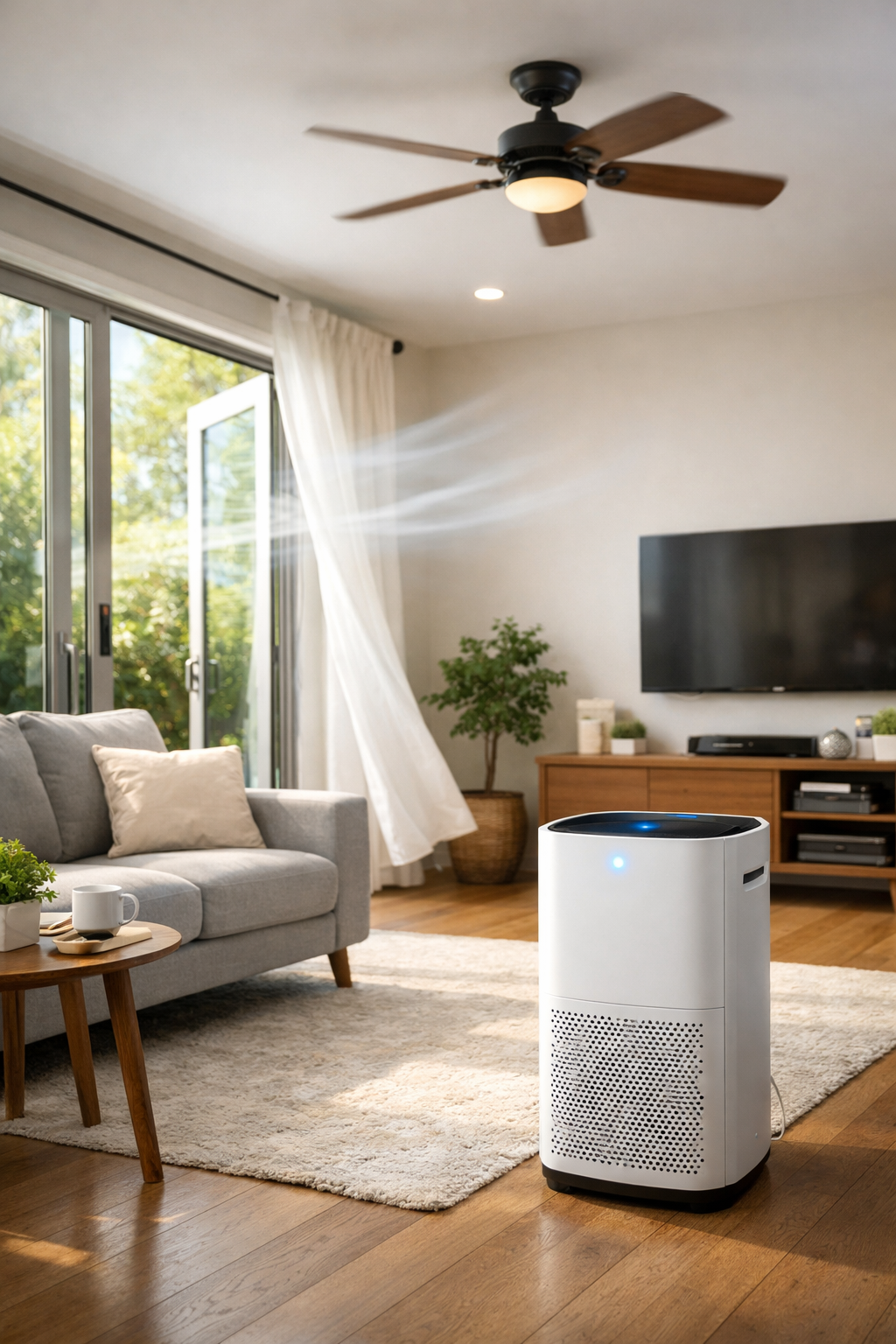
In addition to mechanical ventilation, there are easy measures that homeowners can take to promote better ventilation. Air duct cleaning, regular, open air vents, as well as ceiling fans that circulate air all help with good air flow.
With multi-story houses, well-placed vents and fans are used to help equalize air flow throughout the house, to eliminate dead areas that can trap pollutants. These small adjustments can make a big difference in maintaining consistent airflow and reducing stagnant air pockets.
Air Purifiers
Air purifiers are extremely helpful in eliminating contaminants in the air that may otherwise not be removed by ventilation. HEPA (High-Efficiency Particulate Air) filters are especially effective and will remove dust, pollen and pet dander as small as 0.3 microns. Air purifiers can be especially helpful for individuals with asthma, and for allergy sufferers, they can also help to lessen their allergy symptoms by decreasing exposure to irritants.
Activated carbon filters provide an extra barrier to protect against the absorption of odours, smoke and VOCs. These are particularly beneficial at household locations where there is a possibility of cooking, smoking or the use of cleaning products that contain chemicals. A few more advanced air purifiers also feature UV-C light, which eliminates bacteria and viruses, giving an extra layer of protection against illness.
Placement and Maintenance
The position of air purifiers is important to be effective. Units should be located in high-traffic areas or rooms with the highest exposure to pollutants, such as bedrooms, living rooms and kitchens.
Purifiers require regular maintenance such as the replacement of filters and cleaning, to continue to work efficiently. It’s not only a matter of comfort, but it’s also an investment in long-term health to invest in a good air purifier.
Humidity Control
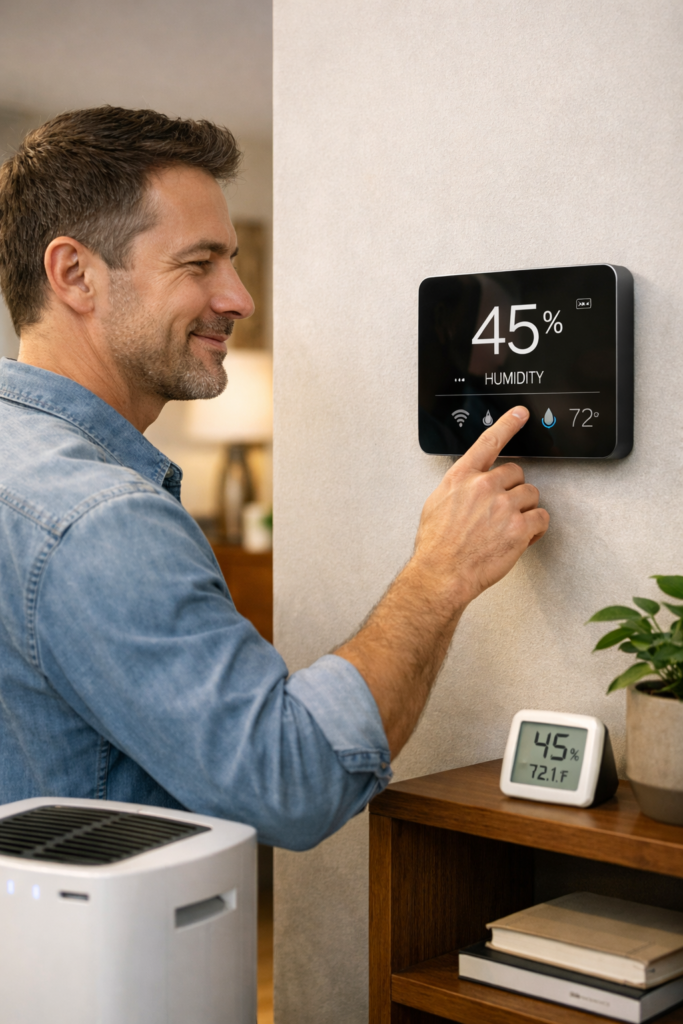
Humidity is a key aspect of indoor air quality. Mold, dust mites and bacteria develop in excess humidity and can cause respiratory problems and allergies. On the other hand, dry air might irritate the skin, trigger a sore throat and worsen ailments such as asthma. It is important to keep indoor humidity at 40-60% to ensure a balanced and healthy environment indoors.
Dehumidifiers are good for dehumidifying excessive moisture, especially in basements, bathrooms and kitchen areas where moisture is often present. Portable units can be installed in certain rooms and whole-house systems are installed throughout the house. Humidifiers can also be used to increase moisture levels in dry air, which can help alleviate symptoms caused by breathing in dry air during the winter when heaters tend to reduce humidity.
Smart Humidity Solutions
Homeowners can now enjoy the benefits of smart humidity control devices, which can automatically track and regulate humidity levels in their homes. These systems deliver live data and can be connected with HVAC systems to make sure seamless control.
A steady humidity level also helps to create a more comfortable home environment, while also preventing moisture-related issues such as mold growth and other health risks. Balanced humidity contributes to both comfort and long-term health protection.
Reducing Indoor Pollutants
There are many different sources of indoor pollutants, some of which are a part of our daily lives. Chemicals, particles are emitted in the air from household cleaning products, building materials, furniture, cooking activities etc. Paints, adhesives, synthetic materials can contain VOCs, which remain in the air for long periods of time, causing headaches, dizziness and long term ill health. A first step towards the reduction of these harmful emissions is to choose products with low VOCs or products that are made using eco-friendly methods.
Cooking, smoking or burning candles can also greatly contribute to the presence of indoor particles. Exhaust fans in kitchens, not smoking in the house and not burning scented candles or incense will drastically decrease the amount of pollutants. Maintenance and cleaning routines like vacuuming using HEPA filters, dusting surfaces and reducing clutter also help to keep dust and allergens to a minimum.
Lifestyle Adjustments
Anything that helps, even the smallest of changes in lifestyle make a difference. Shoes should be removed when entering the home and this reduces outdoor pollutants entering the home. Regularly cleaning bedding and curtains will help to decrease dust mites and allergens.
Dander often can be reduced through pet grooming and baths for pet owners. Homeowners will drastically change their indoor air conditions through awareness of everyday behavior and product selections.
Indoor Air Pollution and Health Impacts
Indoor air pollution offers a wide range of health benefits, in addition to comfort. When the amount of pollutants and allergens is reduced so is the health of the respiratory system. Asthmatics and allergists will suffer fewer symptoms, while asthma-free individuals will find it easier to breathe, and less likely to suffer from respiratory problems.
Improper air quality has a negative effect on the quality of one’s sleep. During sleep, pollutants and allergens can interfere with breathing, causing sleep disturbances that can result in restlessness and fatigue. Improving air quality helps homeowners to sleep better, and deeper, with restorative sleep. The enhancements in air quality can significantly impact the health and quality of life of children and seniors, who are more susceptible to air pollution.
Long-Term Risks
Exposure to indoor pollutants over long periods of time has been associated with chronic diseases like cardiovascular disease, impaired mental functioning and even some cancers. Investing in ventilation, purification, humidity control and pollutant reduction not only makes homes healthier, but also ensures that families are not exposed to possible health hazards in the long-term.
The advantages go beyond physical well-being, and include better state of mind, performance and life quality. Cleaner air supports both immediate comfort and long-term resilience.
A Guide for Homeowners to Follow
There is no need for radical measures to improve the quality of indoor air – it can be done by simple and regular actions. First, determine how well your home’s ventilation system works and make sure exhaust fans and vents are working. For a tightly sealed home, you may want to install an ERV or HRV.
Then determine the air purifier’s requirements for individual spaces. Opt for models that have HEPA and activated carbon filters for added effectiveness; and keep changing filters regularly. Use a hygrometer to measure humidity and take measures to balance it out by using humidifiers or dehumidifiers as necessary.
Everyday Practices
Last but not least, implement practices to minimize pollutants. Use green cleaning products, don’t smoke indoors and don’t use synthetic fragrances.
Some of the regular cleaning and maintenance go a long way in ensuring freshness of the indoor air. These strategies can work together to provide homeowners a healthier home without too much work and money.
Conclusion
Air quality in the home is an important factor in healthy home. Homeowners can make a tremendous difference in the air inside their homes by utilizing the most effective ventilation strategies, effective air purifiers, humidity control, and by avoiding unnecessary pollution within the home. These strategies complement each other to reduce risks, make them comfortable, and promote overall health.
Fresh air is an essential for good health. However, homeowners can make their homes safe, clean and nurturing with the proper tools and practices. This not only results in fresher air, but in a healthier life for all the inhabitants in the same house.