Energy-Efficient Living at Home is one of the smartest ways homeowners can reduce utility bills, improve comfort, and create a more sustainable household. Energy prices have been on the rise and many homes are reconsidering their use of electricity, heating and cooling systems year-round. Fortunately, there are ways that can make a home more energy efficient that don’t involve costly renovations. With some smart upgrades, good maintenance and some smart habits, you can drastically reduce your utility bills and improve your living area to be healthier and more comfortable. From the smallest apartment to the largest family home, there are plenty of ways to make efficiencies without losing convenience.
This ultimate guide will provide you with the knowledge about the various ways that insulation upgrades, energy-efficient appliances, smart thermostats, lighting upgrades, and other simple energy-efficient habits work together to form a sustainable home. This article isn’t about solving any one problem, but rather about a comprehensive solution to ensure that homeowners can save as much energy as possible over time. Sustainable energy efficiency is one of the greatest investments you can make for your home and future because even the smallest of changes can have a significant long-term impact.
What is the Value of Energy Efficiency?
Taking steps to boost the energy efficiency of your home can have a far-reaching impact beyond just cutting your monthly energy bills. Each kWh or litre of fuel saved will take away energy demand and contribute to lower greenhouse gas emissions and the preservation of precious natural resources. With increasing global concerns about climate change, there is a significant role for homeowners in daily decisions. Properly operating household systems, conserving energy and fitting energy efficient systems all contribute to a cleaner environment and a more sustainable future for all. These enhancements typically also add to a property’s value, and energy efficiency is a desirable characteristic for prospective home purchasers.
One other thing that you will notice about energy-efficient homes is that they offer a much more comfortable experience all year round. Draft-free rooms with proper insulation, proper heating and cooling systems which keep the temperature even, and better lighting which brightens the rooms and reduces electric consumption. Families begin to see reduced hot and cold spots, quieter air conditioning and heating equipment and improved indoor air quality after saving energy. The benefits of energy efficiency are now evident – it isn’t just about using less power, it’s about having a home that works better in every way and costs less to run.
Provide Better Insulation to Reduce Energy Losses
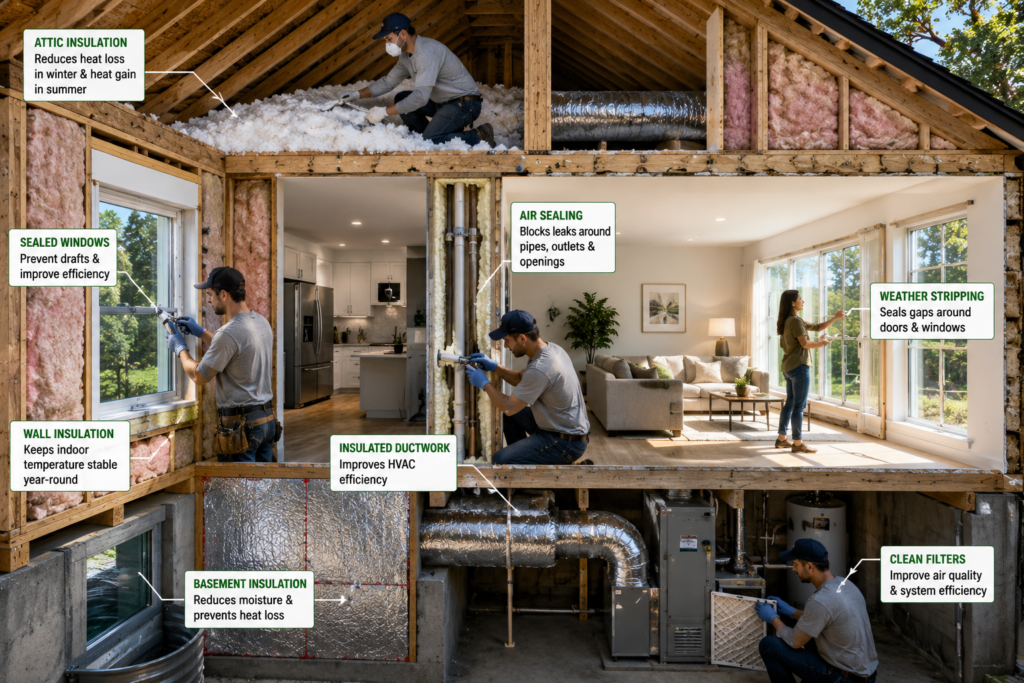
The key element of a home is insulation that helps to keep the heat in the home and out. There are numerous homes that have lost a substantial amount of energy due to inadequate insulation in the attic, walls, crawl spaces and basement areas. In winter, warm indoor air leaks out of these weak areas, which causes heating systems to have to run harder and longer to keep the spaces warm. During the summer, when the outside air is warmer, it makes it easier to poke its way inside, thereby raising the strain on the air conditioning system. High performance insulation contributes to warmer and cooler indoor environments in the winter and summer seasons, respectively, and to lower energy use year round. Immediate comfort is commonly seen by homeowners, and they often see a significant drop in heating and cooling costs.
Sealing the air is also crucial when insulating. Air leaks around windows, doors, plumbing penetrations, electrical outlets or attic openings can prevent even good insulation from working properly. These areas can be sealed by installing weather stripping, by expanding foam or by caulking, which can help keep conditioned air from escaping and outdoor air from entering the house. Effective insulation and full air sealing result in a much tighter building envelope to maximize HVAC efficiencies. However, before large-scale energy investments, homeowners should always make sure that their home’s insulation and air sealing are properly functioning with each other to reduce the occurrence of unnecessary energy loss.
Upgrade to Energy-Efficient Appliances
A significant portion of residential energy use is for household appliances. Appliances such as older refrigerators, washing machines, dishwashers, water heaters and dryers typically consume a lot more electricity than newer, high efficient models. While the initial cost of replacing appliances is involved, modern appliances use less water and energy and usually have greater efficiency. The utilities the appliance might save over its lifetime can make it a cost-effective investment for many homes over time, and often more than the cost of purchase is recovered. The use of appliances with state of the art technologies also ensures lower maintenance needs and longer product life.
Homeowners need to compare the annual energy use of the replacement products when selecting a replacement, instead of just the price. Inverter compressors, variable-speed motors and eco-wash cycles and smart sensors enable machines to only run when they need to, rather than constantly at full capacity. An efficient use of appliances is also part of the solution to reducing energy costs. These methods can help ensure proper operation of the appliance without the need for extra investment, such as washing clothes in cold water, running full dishwasher loads, cleaning refrigerator coils regularly, and ensuring proper ventilation around appliances. Efficient products and responsible usage practices yield maximum total savings.
Use Smart Thermostats for Improved Climate Control
Thermostat management is one of the best ways to save energy in most homes and is the largest use of energy in these homes. Many homeowners are unaware of the need to change the setting on their traditional thermostat, and they can find themselves heating or cooling more than they need to be. Smart thermostats address this issue by adjusting temperatures automatically according to schedules, occupancy and user settings and preferences. These smart systems optimise energy consumption, ensuring it is utilised when necessary, thereby reducing energy waste and maintaining a cosy atmosphere inside the building throughout the day.
Many smart thermostats also offer in-depth energy reports for homeowners to help them understand their heating and cooling patterns. With this data, families can analyze the patterns of energy use to find more ways to save energy. Some models even connect with weather forecasts so they can adjust the indoor climate automatically in advance of large fluctuations in the outdoor climate. These smart controls work to increase HVAC efficiency, to decrease equipment wear, and to provide tangible savings without the constant need for human intervention over time. One of the most cost-effective and straightforward energy choices is to properly program a thermostat.
Switch to Energy-Efficient Lighting to Help Lower Energy Consumption
Over the last 10 years, technology has developed significantly in lighting and now homeowners can light up their homes with significantly less electricity compared to the incandescent bulbs that are now outdated. Modern LED lights reduce energy consumption in the lights, but with the same, or even more, brightness. LEDs also put out considerably less heat, which means there’s less unnecessary heat in the home during the summer months and increased efficiency for air conditioning systems. They have a very long lifespan, so that over time the maintenance costs and household waste are minimized.
There are other ways to make lighting more efficient than changing light bulbs. Dimmer Switches, Occupancy, Daylight and Smart Lighting Controls all help to minimize lighting use when not in use. Strategically placed mirrors, lighter interior paint colors and unobstructed windows maximize the natural light and reduce the need for artificial light during the day. These improvements will ensure the living spaces are illuminated, welcoming and are less energy dependent. With a little bit of attention to the lighting design, homeowners can save a lot on their monthly light bills and invest a little into the quality of their lighting products.
Begin Everyday Energy Saving Habits
On its own, technology will not provide maximum energy efficiency, if habits within the home are not conducive to energy conservation. Switching off lights when they aren’t in use, unplugging unused electronic equipment, washing full loads of washing, and regulating the window coverings for the seasons are all effective methods for achieving energy savings. If everyone in the household changes their behavior, it will have a greater impact. Small investments are required for developing energy-saving routines, but savings in electricity consumption frequently can be achieved straight away.
The efficiency of households is an important role which is very surprising if it is in the hands of the organisation. This excessive filling may not allow adequate ventilation, limit daylight and impact heat flow and cooling. When home is tidy, all of your appliances and HVAC systems will function at their optimum level and will make your home more comfortable. Practical room-by-room organization strategies are provided, helping you to declutter each room so you can better ventilate, open up the day light, and make each room more energy efficient.
Make Sure Your Home’s Energy Systems Are in Good Working Order
With regular maintenance, all of the energy related systems in your home will continue to provide the optimum performance. Ventilation equipment should be kept free of dust and dirt, filters should be replaced according to manufacturer’s recommendations and heating/cooling equipment should be routinely checked. Filter cleaning is essential to maintain the proper functioning of the HVAC equipment and lower electricity consumption, as well as enhance indoor air quality. Planned PM can be conducted to detect minor issues as they occur before they turn into bigger issues or loss of energy.
Other items that can be periodically inspected include plumbing fixtures, water heating systems, insulation, windows and roofing components. Annually, repair any small leaks, replace any worn weather stripping, clean dryer vents and inspect the attic insulation to maintain overall efficiency. In addition to saving the homeowner money on expensive equipment that has a longer life, preventive maintenance helps prevent the homeowner from experiencing unanticipated rises in utility costs due to reduced system performance. Cleanliness of home, always brings more comfort with lesser energy usage.
Save Money in the Long Term by Installing Renewable Energy
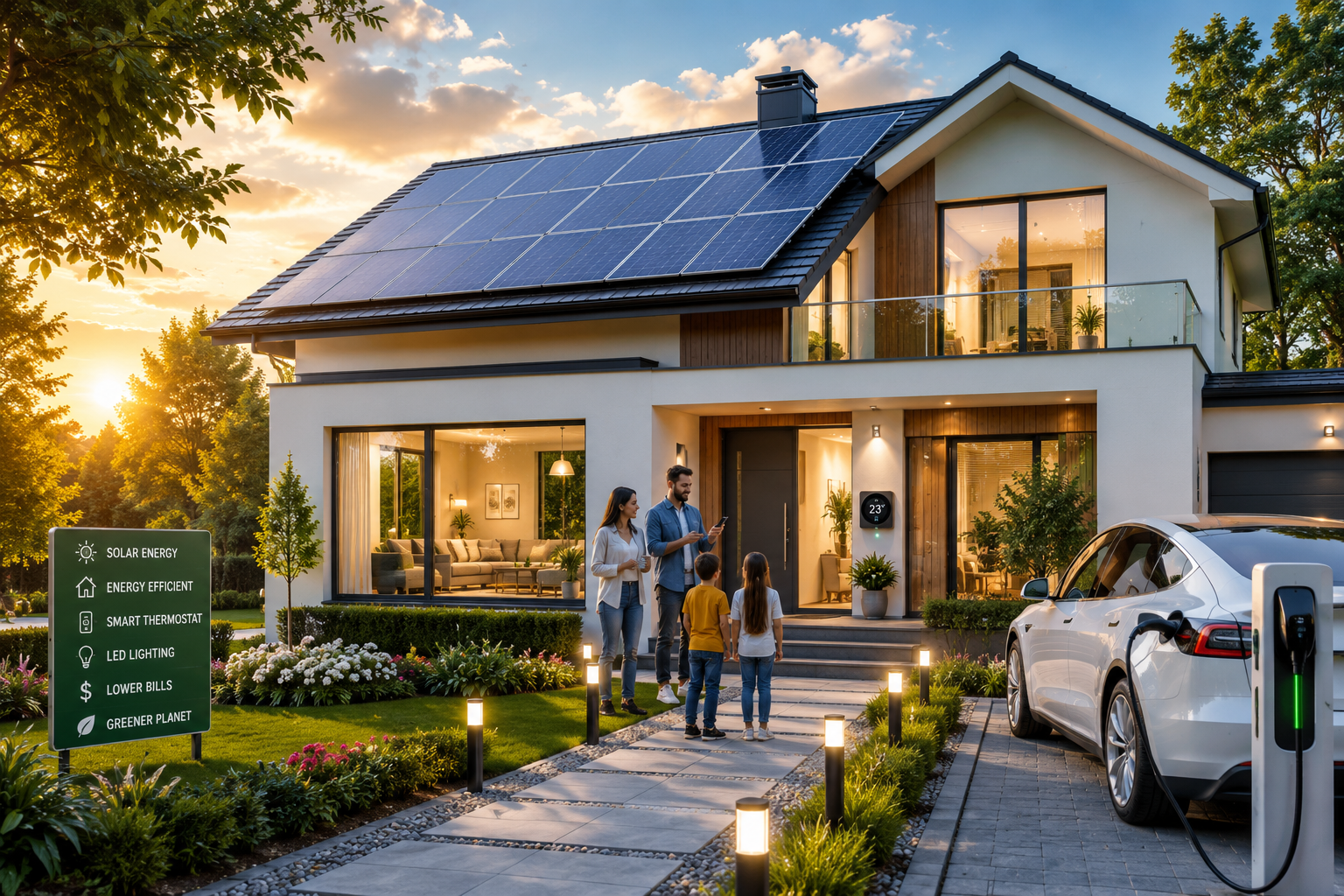
After a house is Energy Efficient, Renewables are an even better investment. Homeowners can produce clean electricity, cut down on reliance on traditional utility companies and power generation methods, with the help of solar panels, solar water heaters and battery storage systems. While the upfront investment can vary with location and the scale of the system, renewable energy can lead to significant savings in the long term, thanks to decreased electricity bills and possible incentive programs. So, any renewable energy solution fits into an already efficient house and maximizes potential economic savings that the savings from energy consumption have already achieved.
Renewable energy also helps to boost energy independence and offers enhanced energy resilience against electricity price increases. For many homeowners, the environmental benefits are important as well as the financial benefits – they’re aware that their household generates less carbon emissions in its lifetime. Renewable energy might not be a feasible choice for every home, but it is a good idea for all homeowners to consider these options when planning a renovation or long-term investment in their home. Smart controls, insulating, and responsible energy use are the other pieces of the puzzle to creating a truly sustainable home, along with renewable energy.
Conclusion
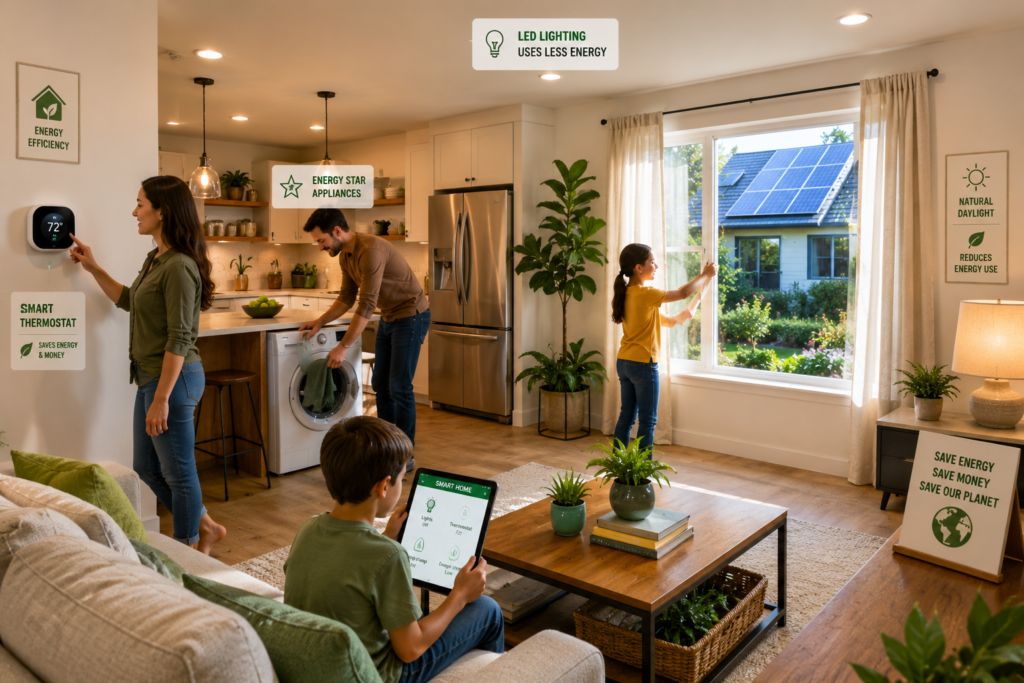
Building an energy efficient home is an ongoing process, and involves making smart investments and practising a few simple habits every day. There are other ways to also save a significant amount of energy, such as: better insulation, sealing air leaks, using efficient appliances, installing smart thermostats, home maintenance, etc. Each of the upgrades offers unique benefits, but these benefits are best realized when used in conjunction with other upgrades to enhance the comfort of the system, lower energy costs and maintain the environment for future generations.
It’s not necessary to do all the upgrades at once to create a more energy-efficient home. Depending on the financial means, there are easy, inexpensive fixes that homeowners can make to their home before they undertake more ambitious projects. Each improvement toward efficiency boosts your energy savings and helps to build a more comfortable, valuable and eco-friendly home. Families can make long-term financial savings and help lower the impact on the planet by adopting modern technology and common sense day-to-day routines.