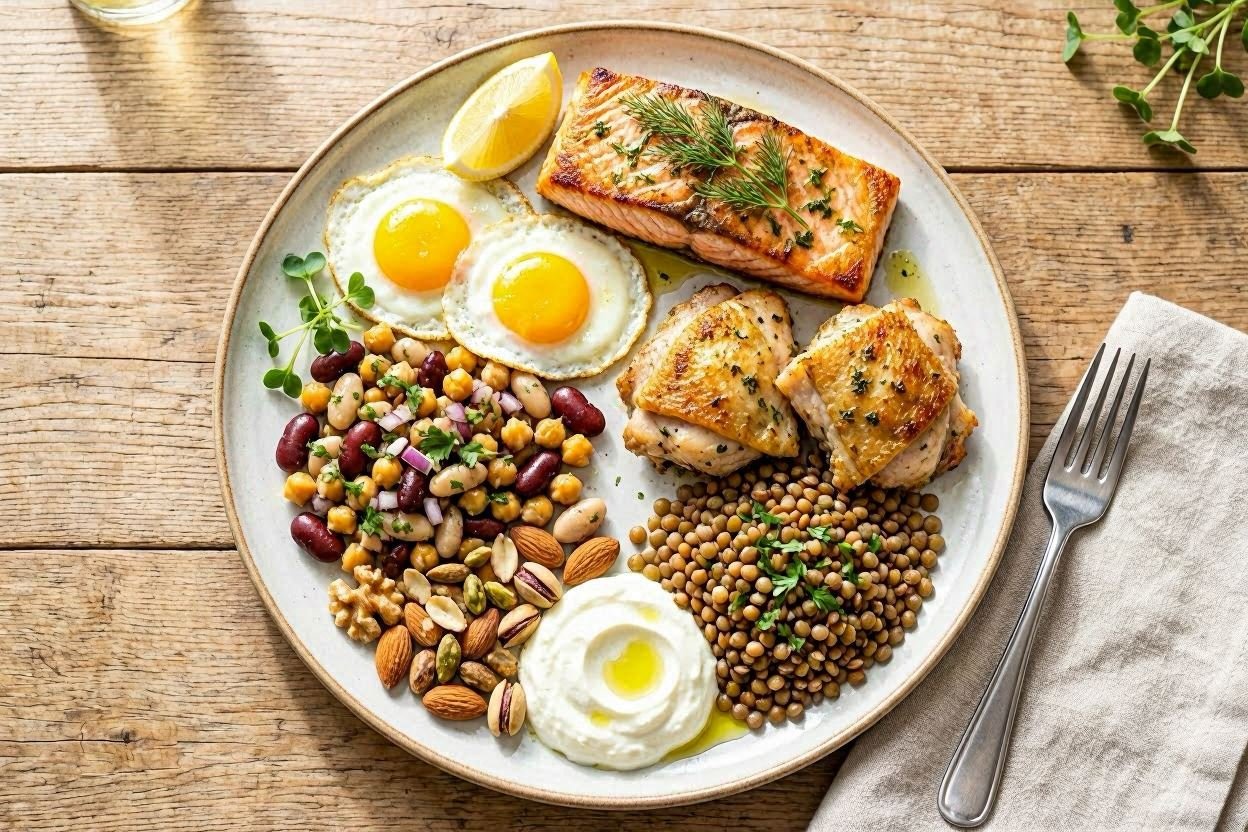
Protein is one of the essential nutrients that humans require on a daily basis. It helps build muscle, heal injuries, create enzymes and hormones, boost the immune system, and aid in myriad other bodily functions that allow for the body to function as intended. From a young athlete to an expanding child, a senior to a person seeking to maintain a healthy lifestyle, protein is vital to your health. Fortunately, there are a variety of protein-rich foods to satisfy various dietary needs, budgets and lifestyles. Protein from animals and plants can be part of a healthy diet if paired with fruits, vegetables, whole grains, and healthy fats. Instead of relying on supplements or a strict diet, it’s much easier to get enough protein into your daily diet by eating a diverse array of whole foods—a diet that will also help you to feel full and achieve long-term wellbeing.
By understanding the importance of protein-rich foods, people can make better food choices and support muscle growth and development. Useful tools such as Healthline’s high protein foods list (protein-rich foods) can provide information about how each type of protein can be a part of a person’s nutrition plan. A variety of foods throughout the week will help to get the amino acids that were previously provided from a single protein source, as well as vitamins, minerals, fibre and healthy fats. This balanced strategy helps for maintaining healthy muscles, consistent energy levels, faster recovery after physical exertion and maintaining the body throughout the lifespan.
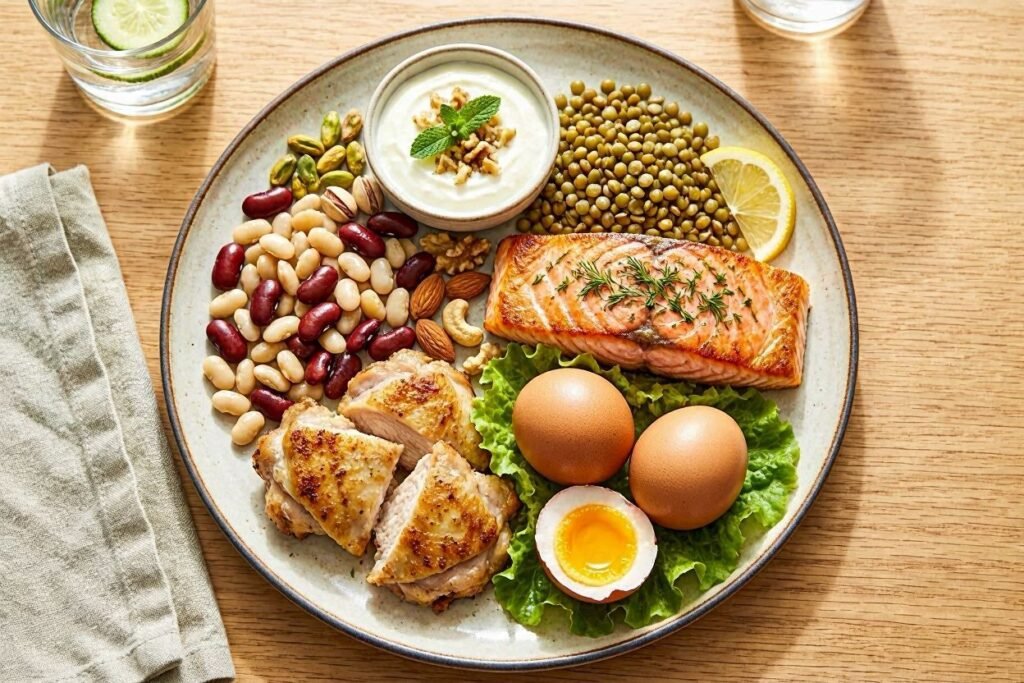
protein foods like eggs, fish, beans, chicken, yogurt, nuts and lentils on a healthy eating plate.
Protein is the building block of the body.
Amino acids are the building blocks of protein, and they are used in almost all cells and tissues in the body. Protein is essential for normal maintenance and repair of muscles, skin, bones, organs, hair and blood. Protein further helps the body to function properly by aiding in the production of antibodies to fight infections and by helping to make hormones, enzymes and transport oxygen around the body. Protein is the only nutrient that the body does not store very much, so this nutrient must be consumed every day. Protein is important for muscle maintenance, regulating appetite, maintaining energy levels and healthy growth from childhood to old age, so having an adequate intake of protein at all times is essential.
Animal-Based Protein Sources
1. Chicken Breast
Chicken breast is one of the most popular lean protein choices as it offers high quality protein with relatively low saturated fat content. It helps recover muscle tissue after exercise, can aid in weight management by being used to create a feeling of fullness and can be cooked in various healthy ways including grilling, baking, roasting or steaming. Combinations of chicken with vegetables and whole grains make for balanced meals that offer long-lasting energy and essential vitamins and minerals.
2. Eggs
Eggs are one of the nutritious and inexpensive protein-rich foods. They are rich in the nine essential amino acids as well as vitamins B12 and D, selenium and choline which is important for the brain. Eggs can be eaten cooked any of these ways, in salads, and on sandwiches. Eggs can be a useful addition to breakfast or lunch, helping to increase satiety and deliver good quality protein to support repair and maintenance of tissues and muscles.
3. Fish
The fish like salmon, sardines, tuna and mackerel are protein rich and contain the heart healthy omega-3 fatty acids. The healthy fats in these foods promote heart health, brain function, and regular inflammatory reactions, while protein aids in muscle development and repair. Seafood is also a great addition to healthy meals due to vitamins D, iodine, and selenium it provides.
4. Lean Beef
Lean beef is a great source of quality protein, iron, zinc and vitamin B12. Iron is important for carrying oxygen around the body and zinc aids immunity and wound healing. By selecting lean cuts and serving them in moderate quantities, people can savor the health benefits of beef without consuming too much saturated fat.
5. Greek Yogurt
Greek yoghurt is made using a different process than regular yoghurt, resulting in a much higher protein content, as well as calcium and probiotics for digestive health. Great for breakfast, snack time or a smoothie. Greek yogurt with fresh fruit and nuts makes for a balanced meal that offers protein, fiber, vitamins and healthy fats.
6. Cottage Cheese
Another dairy product that’s naturally high in protein and calcium is cottage cheese. It’s low in flavor, so it can be used for sweet or savory recipes. One good idea is to serve cottage cheese with fresh fruits, tomatoes, cucumbers, herbs or whole-grain crackers for a complete meal that will help maintain muscles and promote bone health.
7. Turkey
Turkey is a good source of lean, high quality protein, with relatively low fat content, making it a good choice for balanced meals. It also has nutrients that are essential to help turn food into energy: selenium, phosphorus and several B vitamins. Grilled or roasted turkey, combined with vegetables and whole grains, will help to restore strength after physical activity and provide long-lasting satiety.
8. Milk
Milk is a complete protein containing calcium, vitamin D and phosphorus, which are important for the maintenance of good bone and teeth health. Milk can be a great addition to oatmeal, smoothies, and a standalone drink; milk is a good source of nutrition for children in growth, adults and older adults looking to maintain muscle strength.
Plant-Based Protein Sources
9. Beans
Beans are one of the most inexpensive plant protein sources around! Black, kidney, brown and white beans are rich in protein, dietary fiber, iron, magnesium and potassium. High in fibre, they promote digestive health and keep you full for longer after eating. To add nutritional value to soups, stews, salads, rice or traditional family recipes, add beans.
10. Lentils
Because lentils are a good source of protein, fiber, folate, and iron, and they cook quickly, they are an excellent choice for a legume. They are great for soups, curries, salads and grain bowls. Lentils are a great addition to whole grains, offering all the essential amino acids, which is especially beneficial to vegetarian diets.
11. Chickpeas
Another great plant-based protein is chickpeas – which can also make a big contribution to balanced nutrition. They are a source of protein, fibre, iron, folate, manganese and other essential nutrients which help in energy production and digestive health. They are also very mild, so they can be used in salads, soups, curries, wraps, grain bowls or blended in hummus for a nutritious snack. Chickpeas are relatively slow to digest so they help keep you full and energized all day. Regularly consuming chickpeas is good for both vegetarians and meat eaters, as it helps boost protein and also serves as an excellent source of fibre for heart health and healthy digestion.
12. Tofu
Made from soybeans, tofu is one of the best-quality plant protein foods available as it contains all nine essential amino acids. It is also a naturally low saturated fat source, and is high in calcium and iron, as well as healthy fats. Tofu can absorb the flavor of herbs, spices and sauces; it can be used in soups, stir-fry dishes, salads, sandwiches and grills. It can be used in a variety of ways, making it a great option for those who are vegetarian or vegan looking to have a satisfying meal while maintaining muscle health and overall body wellness. Opting for less processed tofu is a great way to increase the nutritional value, and it’s a fantastic alternative to animal proteins.
13. Nuts and Seeds
Almonds, peanuts, walnuts, pumpkin seeds, sunflower seeds, chia seeds and flaxseeds all offer protein, in addition to healthy unsaturated fats, vitamin E, magnesium, and antioxidants. While nuts and seeds may be higher in calories when compared to other protein-rich foods, small amounts offer a range of nutrients which are beneficial for the heart, brain, and muscle. A few of mixed nuts at breakfast, sprinkling seeds on salads or on the yogurt, or eating peanut butter on whole grain breads are good options for getting protein in during the day. These foods are also great snacks for busy people that need a healthy choice between meals.
14. Quinoa
Quinoa is a complete plant protein which means it is one of the few grains that naturally contain all the essential amino acids. It is also a source of fibre, magnesium, phosphorus, iron and some B vitamins that aid in energy metabolism. Quinoa cooks fast and is a great addition to veggies, beans, fish, poultry or tofu for a balanced meal that can be enjoyed for lunch or dinner. S switch for quinoa in the weekly meal plans can boost protein and fiber intake without the high amounts of refined grains. It has a mild and nutty taste, which makes it an appealing option for those who want to switch out white rice or pasta for healthier choices.
15. Soybeans and Edamame
The best plant-based protein sources are soybeans and young green edamame. They provide complete protein, fiber, calcium, iron, potassium and also have beneficial plant compounds that make them a good source of nutrition. Edamame is a great snack, and cooked soy beans can be used in salads, soups, rice and vegetable-based foods. Regular consumption of soy foods is an excellent way to provide a variety of protein and to maintain healthy muscles and wellbeing.
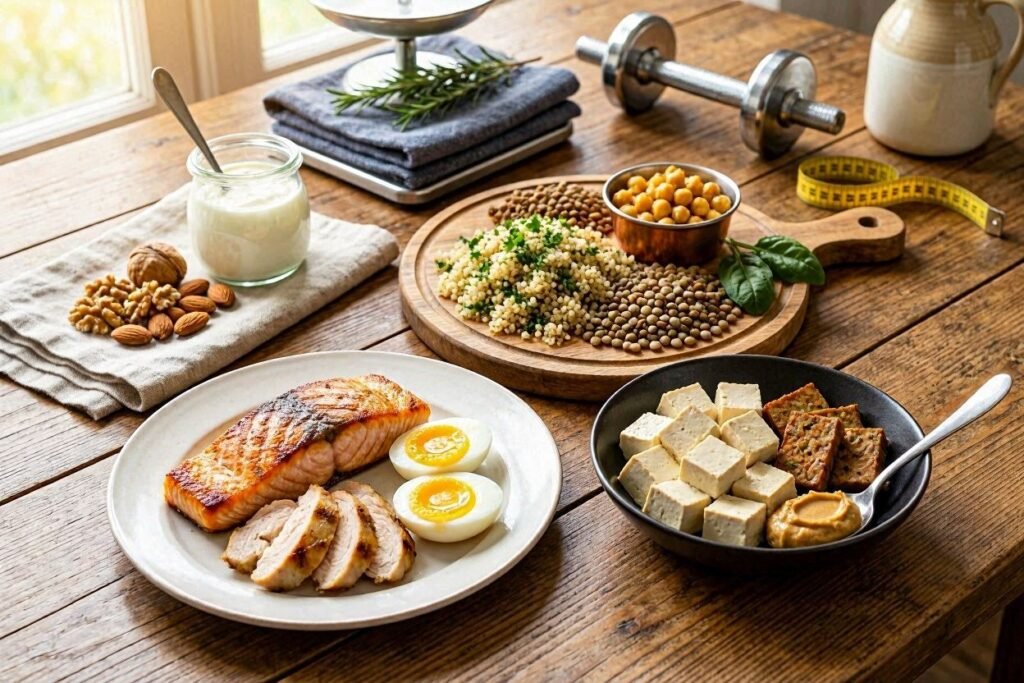
Animal and plant-based protein foods, organized in a balanced way, for creating healthful muscles.
Making a balanced, high protein meal
It is not a requirement to eat a lot of meat every day to get the protein they need. Rather, balanced meal planning emphasizes pairing various types of protein with whole grains, fruits, vegetables and healthy fats. Greek yogurt and fruit, brown rice and vegetables for lunch, and baked fish or lentil stew over whole grains for dinner. Snacks like boiled eggs, roasted chickpeas, peanut butter on fruits or cottage cheese provide a sustained release of energy between meals. In addition, diversifying both plant and animal protein across the week will also increase dietary variety and increase the amount of vitamins and minerals in the diet.
The protein requirement varies throughout life.
Protein needs are different for different ages, levels of activity and health. Children require sufficient protein for normal growth and development, and teenagers have an extra need for protein when they experience rapid physical changes. Adults: they need adequate protein to build up muscles, to help their bodies to burn calories, and to repair tissues after exercise. Older adults may need to include a little higher quality protein sources in their diet to maintain muscle strength and independence as they grow older. Pregnant and breastfeeding women also need more protein for healthy growth and development. Eating a variety of good protein sources as compared to excessive consumption of processed protein products, is associated with better overall health, regardless of age.
Here are some simple strategies for boosting your protein consumption:
It is easy to get more protein in a diet without making a drastic change in eating habits. Having a protein source at every meal will help to spread protein in the day and keep you feeling full. Switching for very processed snacks for nuts, yogurt, boiled eggs or roasted legumes is a healthy change. Cooking at home provides greater control over ingredients and promotes eating a balanced diet. Eating one protein source per week, like lentils, quinoa, tofu or edamame, also introduces variety, and encourages people to try foods they like that are good for them. The benefits to health can be long term and come from incremental changes.
Conclusion
Protein-rich foods are essential for the growth, development of muscle tissue, repair, immune response and well-being. Complete proteins are found in animal foods, like chicken, eggs, fish, lean beef, turkey, milk, Greek yogurt, and cottage cheese, and plant-based foods, like beans, lentils, chickpeas, tofu, nuts, quinoa and soybeans, are great for a variety of lifestyles. A diverse range of these foods in well balanced meals provides the amino acids and other nutrients necessary for healthy growth and well-being. Eating a variety of foods with a variety of protein sources throughout the week is better nutritionally and can keep healthy eating easy, fun, and doable for all ages.


Very well presented. Every quote was awesome and thanks for sharing the content. Keep sharing and keep motivating others.
Hocam Ellerinize Saglık Güzel Makale Olmuş Detaylı
Gerçekten detaylı ve güzel anlatım olmuş, Elinize sağlık hocam.
Pretty! This has been a really wonderful post. Many thanks for providing these details.
Çok yararlı bi yazı olmuş hocam teşekkür ederim .Sizin yazılarınızı beğenerek okuyorum elinize sağlık.