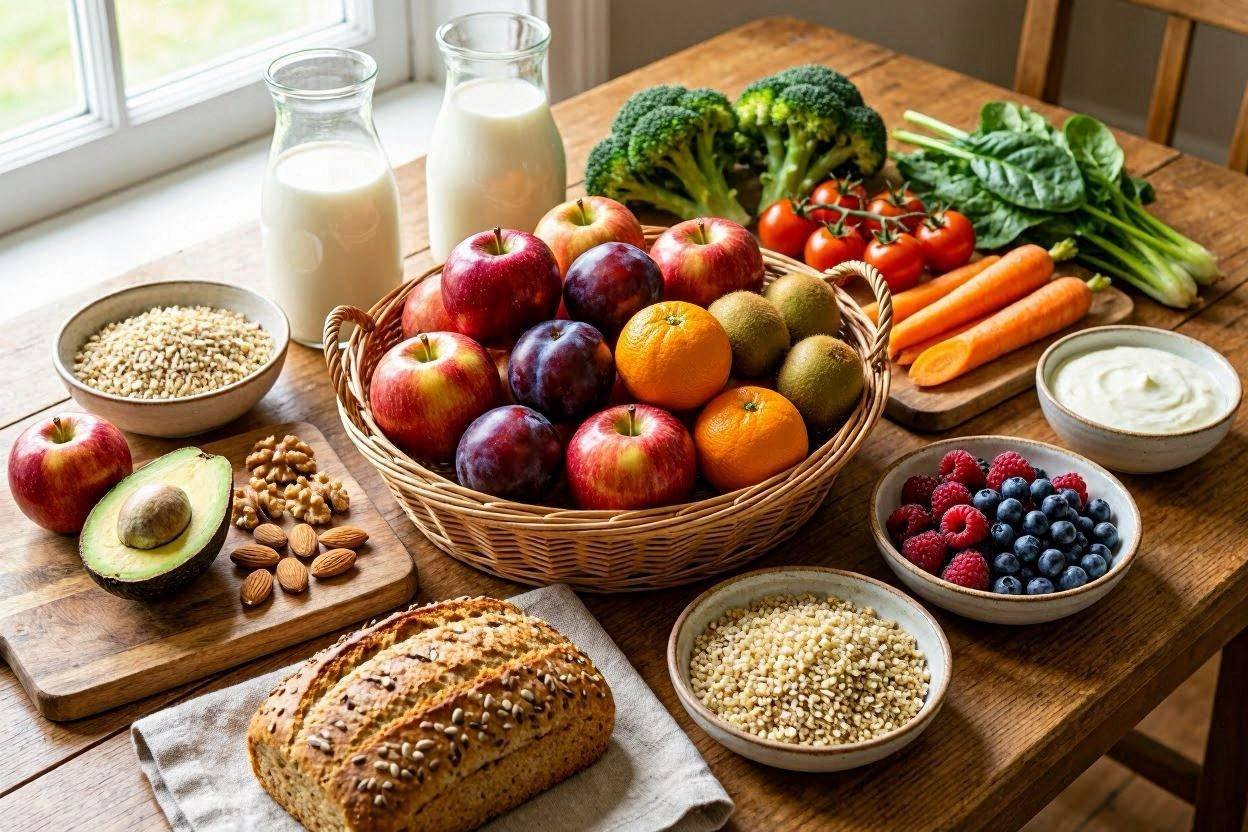
Just eating enough food isn’t enough to stay healthy. A variety of nutrients are required by the body to facilitate growth, repair tissues, generate energy, enhance immune system and keep organs healthy. Of these nutrients, the vitamins and minerals are particularly critical, since they control hundreds of biological processes in the body that are necessary for its proper functioning. Carbohydrates, proteins and fats are used for energy and building materials, while vitamins and minerals are used to help the body use the nutrients. One of the best ways to get vitamins and minerals for good health is from a balanced diet of fruits and vegetables, whole grains, lean proteins, dairy, legumes, nuts and seeds. Knowing the functions of these nutrients, their dietary sources, and the potential impact of their deficiencies can help people make better dietary decisions to lead healthier lives and avoid unnecessary supplementation without consulting their healthcare providers.
People appreciate the value of eating a variety of balanced foods when they learn about the vitamins and minerals they need for good health. The best diets don’t necessarily include just one ‘superfood’ but many foods since no one food contains all the nutrients the body requires. A diverse diet of fruits, vegetables, whole grains, dairy products, seafood, lean meats, beans and healthy fats provides the body with the proper nutrients daily.
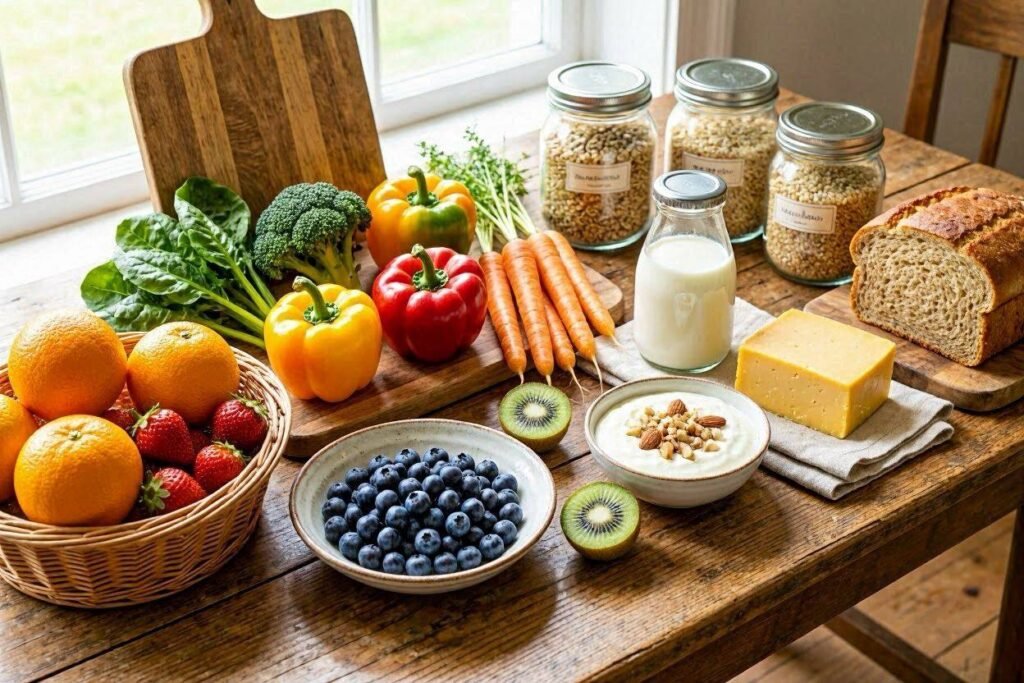
Vitamins and minerals for good health are represented in colorful fruits, vegetables, dairy products and whole grains.
Vitamins and Minerals are important.
The vitamins and minerals are grouped together as micronutrients because they are needed in relatively small amounts by the body than carbohydrates, proteins and fats. These are all small amounts, but have significant value. They help to maintain good vision, boost immunity, enhance bone and teeth health, manage metabolism, facilitate nerve communication, maintain normal functions of muscles and shield cells from damage resulting from normal metabolic processes. If sufficient nutrients are not consumed, symptoms can slowly progress affecting energy levels, concentration, growth and health. While supplements might be recommended in some cases, it is generally preferable to get nutrients from foods since they contain fiber, antioxidants and other natural components that synergize to promote total wellbeing.
Vitamin C: Promoting immunity and repairing tissues
One of the most well-known vitamins is vitamin C due to its vital role in maintaining healthy skin, blood vessels, cartilage and connective tissues, and also in supporting the immune system. It also acts as an antioxidant, which means that it helps to prevent cells from being damaged by free radicals, or unstable molecules. Fruits such as oranges, lemons, guavas, strawberries, tomatoes, bell peppers, broccoli, cabbage, leafy greens are good sources. The body cannot store a lot of vitamin C, that’s why it’s crucial to consume it through fresh fruits and vegetables on a regular basis. Fatigue, poor wound healing, bleeding gums and reduced immunity can be some of the consequences of a prolonged deficiency, and this can make the body less able to recover from illness or injury.
Vitamin D: For strong bones.
Along with calcium, vitamin D helps maintain healthy bones and teeth, which it does by helping the body to absorb calcium efficiently. It is also integral for muscle function and normal immune responses. Although it’s also found in foods, vitamin D is naturally produced when the skin is exposed to sunlight. Vitamin D is obtained from fatty fish (including salmon, sardines and mackerel), egg yolks, fortified milk, and fortified cereals. Low vitamin D levels can lead to weak bones, weakness in the muscles and impaired bone growth in children. Most people should get an adequate level of vitamin D by exposure to moderate sunlight and a balanced diet.
Vitamin A: Safeguarding vision and immunity
Vitamin A is a key ingredient in proper vision, particularly in dim light. It also plays a role in healthy immune function, skin and cell growth all over the body. Liver, eggs, dairy, carrots, sweet potatoes, pumpkin, mangoes, spinach, and dark green leafy vegetables are all foods high in vitamin A. Orange and yellow fruits and vegetables are rich in beta-carotene that gets converted into vitamin A in the body when necessary. Low vitamin A can lead to night blindness and dry eye, among other problems, and can cause children to grow more slowly. Eating a variety of colourful fruits and vegetables every day is one way to help get enough vitamin A in your diet.
Vitamin B12: Helps with nerves and red blood cells
Vitamin B12 is needed to make healthy red blood cells, to keep nerves healthy and to make DNA. A vitamin that occurs naturally in animal food sources like eggs, meat, fish, milk, cheese and yogurt. For vegetarians and vegans, some fortified breakfast cereals and plant milks also offer a source of vitamin B12. Symptoms of a deficiency can be slow to show up and can include fatigue, weakness, numbness or tingling in hands and feet, poor concentration, and some kinds of anemia. The main source of vitamin B12 is animal-based foods, so those who are vegetarian or vegan may need to be aware of fortified foods or seek professional advice if they need it.
Calcium: For growth of healthy bones.
Calcium is the most plentiful mineral in the human body and is most famous for the role it plays in the development and maintenance of the bones and teeth. It is also used for normal muscle contraction, nerve signal transmission, blood clotting and heart activity. Foods of good nutritional value include milk, yogurt, cheese, fortified plant based beverages, sardines with edible bones and sesame seeds and leafy green vegetables. Calcium is stored in bones; if there is not enough calcium calcium strength can be slowly weakened over many years. Balanced meals can help meet daily calcium needs, helping to maintain lifelong health of bones and helping to support other body functions.
Iron: For transporting oxygen in the blood.
Iron is one of the most vital minerals, it is essential to the production of hemoglobin in red blood cells to transport oxygen to all tissues and organs. If iron intake is not sufficient, the cells of the body get less oxygen, which may cause tiredness, weakness, poor concentration and poor performance of the body. Lean red meat, poultry, fish, beans, lentils, spinach, pumpkin seeds, fortified cereals and dark leafy vegetables are all high in iron. Foods high in vitamin C, like oranges, tomatoes or bell peppers, are good to pair with plant-based iron sources to help the body absorb and utilize iron, which is an important mineral. Good iron intake is especially important for growing children, women of reproductive age and for those who have a higher nutritional requirement.
Oxidative reactions are the key to generating energy.
Magnesium has hundreds of biochemical reactions happening in the body each day. Helps to keep muscles relaxed, maintain nerve function, produce energy, help maintain a rhythmic heartbeat, maintain bone health and regulate normal blood sugar. Magnesium is found in foods that are naturally high in magnesium, such as almonds, cashews, peanuts, beans, lentils, whole grains, bananas, avocados, spinach and pumpkin seeds. Magnesium deficiency is not a common problem for those consuming balanced meals, but frequent low consumption can cause cramping, weakness, fatigue and irritability in muscles. A diverse range of whole food foods in the daily diet ensures a consistent intake of magnesium and a balanced diet.

Fruits, vegetables, dairy, fish, legumes and whole grains provide vitamins and minerals for good health.
Zinc: For body healing and protection processes.
Zinc serves as a trace mineral that’s vital to immune system health, wound healing, normal growth, and cell repair. It is also important for healthy skin, taste, smell and reproduction. Seafood, beef, poultry, eggs, dairy products, beans, chickpeas, lentils, nuts, seeds, and whole grains are good sources of food. Since zinc is involved in many processes of the body, a deficiency can lead to slow wound healing, loss of appetite, diminished resistance to infection or delayed growth in children. A varied diet with plant and animal products provides adequate zinc from a variety of foods that promote multiple other areas of wellness.
Potassium: For the Health of Muscles and the Heart
Potassium is an important mineral which plays a role in regulating fluid balance, muscle contraction, nerve function and healthy heart rhythm. It helps in conjunction with sodium to keep the blood pressure healthy and communication among nerves and muscles. Bananas, oranges, avocados, potatoes, sweet potatoes, tomatoes, beans, yogurt, spinach and coconut water are excellent sources of food. Lack of fruits and vegetables is a common reason for many people to not have enough potassium in their diet than is recommended. Regularly eating more fresh produce and minimally processed foods will make it easier to get enough potassium naturally in your diet, while providing additional vitamins, minerals and dietary fiber that are beneficial to health.
Folate: Growth and Cell development.
Vitamin B9 (folate) is required for DNA and normal red blood cell formation, and for normal cell growth and division. It’s crucial when a person is rapidly developing, like when he or she is pregnant or a child, because it helps the baby develop. Foods such as fortified grains, oranges, avocados, spinach, kale, broccoli, asparagus, beans and lentils are all examples of natural sources of iron. Low folate intake may lead to some types of anemia and reduced production of cells. Leafy green vegetables and legumes are a good way to keep folate in the diet, as they are eaten on a regular basis.
Creating a Balanced Diet for Better Nutrition
High-quality foods are the best sources of the vitamins and minerals that help the body maintain good health—you don’t have to spend a lot of money on specialty foods or a special diet. The best strategy is to diversify foods daily and include as many foods as possible that are good for you. Half plate of coloured veg and fruits, half plate of lean protein or legumes, half plate of whole or fortified grains, some nuts, seeds and healthy fats means well-balanced meals that are packed with essential nutrients. Variations in fruit and veggie choices across the week brings a variety of nutrients and make eating more fun. Cooking at home whenever possible also means that you will have greater access to control the ingredients used, and you will be less tempted to try to eat processed foods which may have too much sodium, sugar or unhealthy fats.
How to Recognize Signs of Nutrient Deficiencies
Vitamin and mineral deficiencies can be slow to develop, and can be unnoticed until they become more severe. Sometimes, symptoms like tiredness, frequent cold and flu, muscle weakness, brittle nails, hair loss, pale skin, slow healing, poor concentration or vision changes can signal poor nutrient intake. Many other health problems may produce any of these symptoms, however, and self-diagnosis is unreliable. For those with persistent symptoms, it is crucial to seek professional medical advice for proper evaluation, not just treatment with supplements. Blood tests and medical evaluation help to identify if there is a deficiency and select the best course of treatment and avoid unnecessary supplementation that can be harmful when taken too much.
Conclusion
Vitamins and minerals are essential to the human body and play a role in almost every function, including building and supporting bones, generating energy, bolstering immunity, promoting healthy muscles, nerves and organs. Each of these nutrients — including vitamin C, vitamin D, vitamin A, vitamin B12, calcium, iron, magnesium, zinc, potassium and folate — plays different, but related, functions that help support overall wellbeing. Luckily, there is a way to get the necessary nutrition each day by following a balanced diet, which consists of fruits and vegetables, whole grains, lean proteins, legumes, dairy, nuts, seeds, and healthy fats. Once they know the roles, food sources, and possible symptoms of deficiency for these key nutrients, they will be able to make smart food selections that will help them enjoy good health throughout their lives. Eating a diverse and balanced diet is the best way to provide the body with nutrition and sustain health over the long-term, not looking for shortcuts.