Household pest prevention is one of the smartest ways to protect your home from common household pests before they become a costly problem.But common household pests like ants, cockroaches, rodents, termites, spiders, mosquitoes and flies can make that comfort a nuisance in no time. In addition to their nuisance value, some pests can be a source of food contamination, spread disease-causing bacteria, cause damaged furniture and structural elements, cause allergy problems, and generate costly repair costs if they are not controlled. Unfortunately, many people only address an infestation after they’ve already occurred, but the earlier that you catch the problem, the less money you’ll have to invest in removal. Prevention not only helps protect your property, but will also contribute to a healthier indoor environment each year.
Pest control in homes can’t be accomplished by just spraying when insects crop up. Effective pest control relies on the knowledge that pests are drawn to properties for a reason and making some practical steps to remove the pest’s attraction to your property. The proper sanitation, periodic upkeep around the home, sealing areas where pests can enter, watching for warning signs and keeping the outside area clean are all important steps in pest control. Homeowners can significantly decrease their risk for infestation and limit damage to their home, health and cost by following consistent habits and regularly checking their home.
The Importance of Pest Prevention at Home
Until a household pest problem becomes overwhelming, many people don’t realize of the damage and disruption that can be caused by these pests. Rodents can bite through electrical wiring, insulation, wood and even plastic plumbing, posing a risk for electrical fire and expensive repairs. Structural damage from termites is frequently discovered months or years after damage has taken place, with no warning. Other insects, including cockroaches, spread bacteria and allergens to your food preparation area and mosquitoes and ticks may transmit disease depending on where you live. Some pests, like ants, can be rather benign but can make excellent house pests once they start building trails within your house. Prevention measures not only help to preserve your property, they also help keep your family healthy and improve their quality of life.
Another significant argument for putting the emphasis on prevention is cost. Professional extermination services may be costly, especially if the infestation is extensive or destructive, like a termite or rodent. Repairs needed for damaged drywall, contaminated insulation, damaged wooden framing and electrical wiring repairs are often expensive compared to regular preventive maintenance. A few minutes spent on inspections, cleaning and maintenance responsibilities in the month will help homeowners to avoid emergency situations that will result in a more significant treatment. Other benefits of prevention include reducing the amount of chemical pesticides that are used around your property, thereby improving the safety of your surroundings for children, pets and other beneficial wildlife.
Let’s Get to Know the Most Common Household Pests
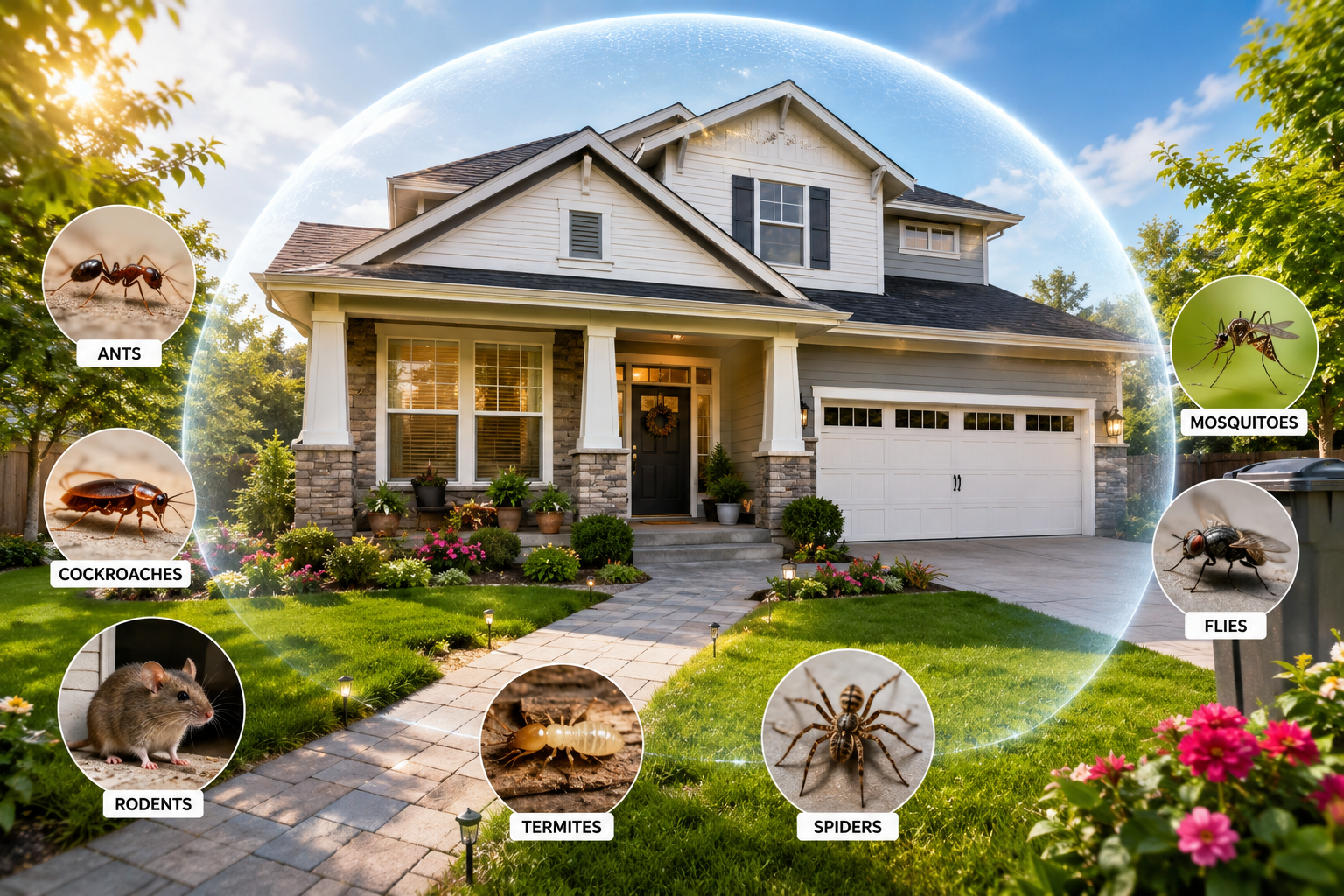
Each area will have specific pest problems, but there are some common pests found in many residences. Sugar, crumbs and moisture will lure ants, which will typically gain access to your home through small openings around windows and foundations. Cockroaches are most at home in warm, damp and moist areas where they can easily find food debris and water. Rodents, like mice and rats, like to hide in attics and other warm, indoor places during the winter months, and can really multiply once they find a place to nest. Termites eat wood or other cellulose materials, and can damage a structure without being noticed, in the interior of walls or under floors. Other common household pests such as flies, mosquitoes, spiders, pantry pests, and silverfish can be a problem when homes offer an abundance of food, moisture and shelter.
The more you know about the things that draw each pest in, the more successful you’ll be at preventing them. Household pests need three key elements: a place to hide, water and food. Infestations are likely to occur in any place that contains leaking pipes, overflowing trash containers, uncovered food containers, cluttered storage areas, overgrown landscaping and standing water. The season also can impact pest activity, such as rodents coming in during the colder months, and insects moving about more in the warmer seasons. Homeowners who can recognize these behavioral patterns can take steps to prevent pests from becoming a problem in their homes instead of trying to deal with the consequences of a pest problem after it’s in place.
Use Effective Pest Prevention Strategies
The best method for pest control is to practice multiple methods as an integrated pest maintenance program. Homeowners should take steps to prevent conditions that will bring unwanted visitors to their home and not just stop at pesticides. Proven pest prevention strategies can help to decrease infestations and encourage safer pest management practices in your home. They include keeping the environment clean, correctly storing food, fixing issues with moisture quickly, clearing away clutter, closing doors and windows, and checking your home regularly. If preventative measures are implemented on a regular basis, pests will be far less likely to be able to nest or reproduce in suitable conditions.
Regularly scheduled maintenance is better than deep cleaning once in a while or seasonal treatment. Householders need to have a few basic weekly and monthly tasks, covering vulnerable point inspections, emptying trash regularly, cleaning kitchen appliances, leak-checking, and checking exterior walls for damage. Garages, basements, attics and crawl spaces are other harborage areas that are overlooked but can also be hiding spots for rodents and insects, and need preventive maintenance. A holistic solution takes care of several risk factors at once, leaving your house much less appealing to a myriad of common household pests all year round.
Ensure Good Sanitation to Eliminate Pests
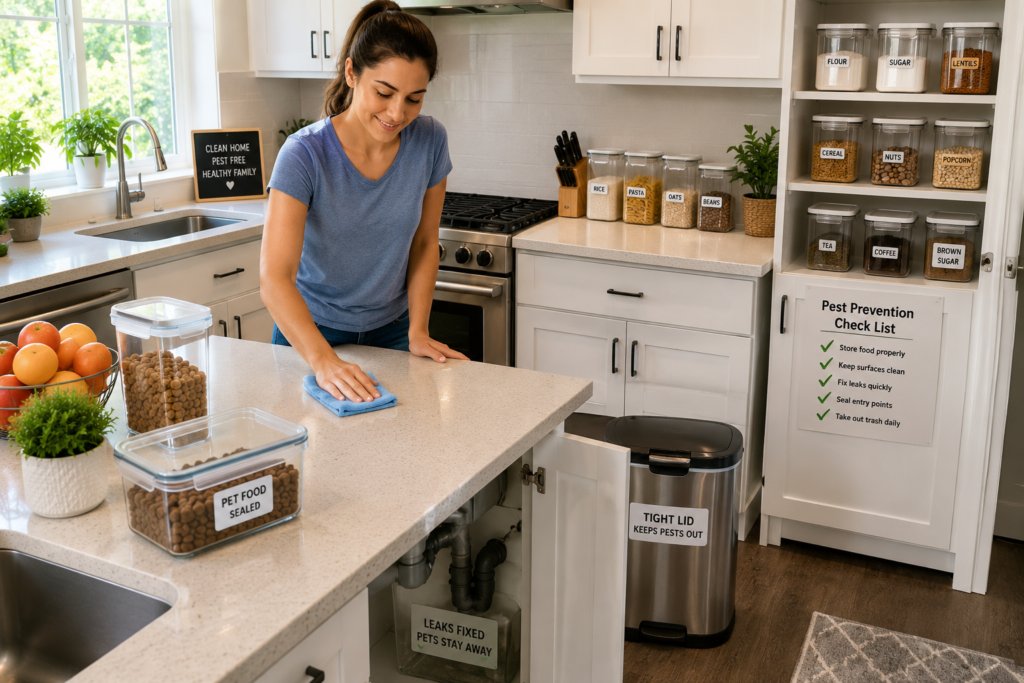
Maintaining good sanitation is another excellent way to protect your home from household pests, since they need to survive by taking advantage of resources that can be eliminated. Crumpled food underneath appliances, grease on top of stovetops, overflowing garbage cans, dirty dishes left overnight and poorly stored food in the pantry are some of the places insects and rodents like to visit. Eating utensils and surfaces should be wiped clean after meals, counters and floors should be swept regularly, hidden corners should be vacuumed often, and dry food items should be stored in closed containers – all of this helps to minimize food sources for infestation. Leftovers are often a draw for ant, cockroach and rodent populations, which is why pet food items should be kept in secure containers and feeding areas should be regularly cleaned.
Moisture control also is critical because many pests require a dependable water source. Promptly fix any plumbing, faucets and appliance leaks; remove damp conditions that will be attractive to moisture-seeking cockroaches, silverfish, termites and other insects. Well-ventilated bathrooms, laundry, basements, and kitchens will be best to lower humidity and dehumidifiers may be useful in moist areas. Drain or flush standing water out of plant saucers, buckets, and outdoor containers with clogged gutters, birdbaths and other water containers to prevent mosquitoes from breeding in them. With proper moisture control and sanitation and proper water and waste management, the environment becomes much less conducive to insects and rodents.
Prevent Pests from Entering by Sealing Entry Points
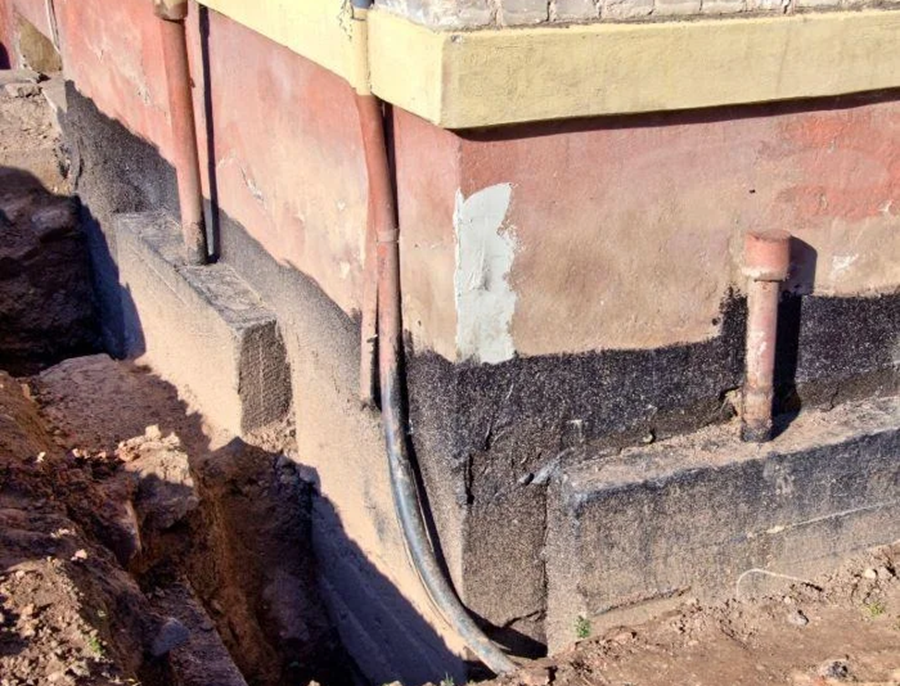
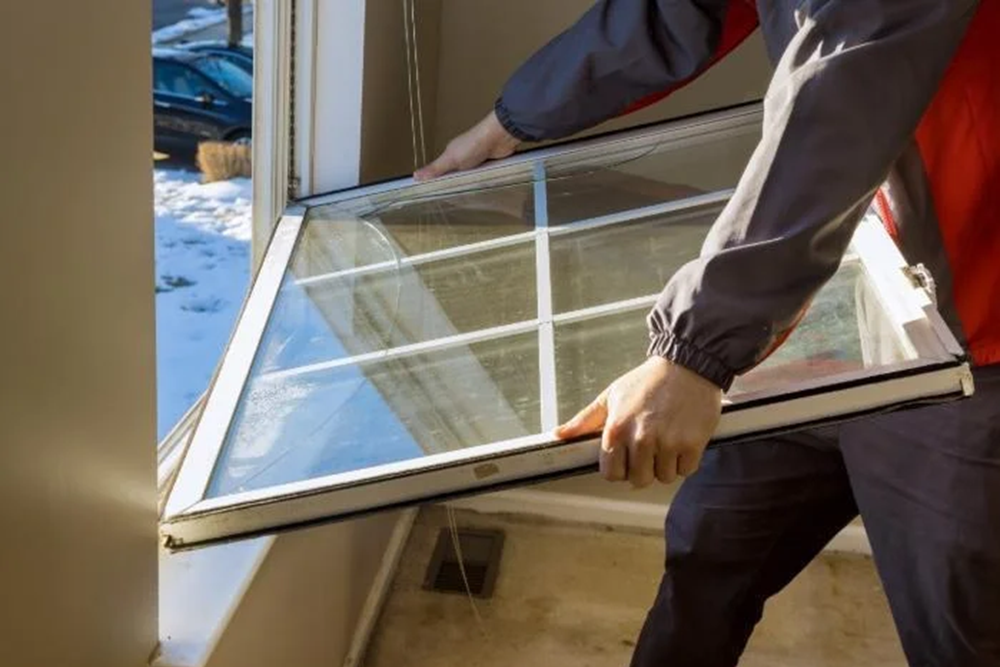
Surprising to many homeowners is just how easily pests get inside a building. Mice can go through openings as small as a coin, and insects can fit through small cracks around foundations, doors and windows, utility pipes or roof vents. Regularly inspecting the areas around your home exterior can help you find vulnerable areas before pests can use them. Use the right sealants to seal cracks in foundations, fix broken weather stripping, seal cracks under exterior doors with door sweeps, fix broken window screens, and seal caulk around plumbing or electrical penetrations. Any gains, no matter how small, can make a huge difference in the number of available access points for pests.
Rooflines, garage doors, crawl spaces, attic vents, and chimneys should be monitored as they are likely to begin to have gaps over time. Rodents and insects can also have easy access to the roof is by the tree branches that are in close proximity to the roof, so regular pruning of those branches is a great precaution. The firewood should be kept away from the outside of the house as it allows termites, ants and rodents to escape from the firewood to the interior of the house. Regularly checking and maintaining the exterior of your home forms several physical barriers to keep pests from entering and nesting before they can reach your living areas.
Recognize Early Signs of Pest Infestation
Early detection will dramatically increase the possibility of controlling pests before they become widespread. It’s important for homeowners to know the warning signs that are linked to the most common household pests. Rodent droppings, gnaw marks on food packaging, scratching noises from the walls, grease marks on the baseboards, termite mud tubes, discarded insect wings, cockroach egg cases, strange smells and small piles of sawdust-like material are all signs of developing infestations. Attics, basements, garages, cabinets and storage areas are easier to inspect regularly for these warning signs if the damage is not extensive.
Regular monitoring should not be limited to when pests are seen, it should be part of the regular homeowner maintenance schedule. Be extra vigilant after periods of heavy rainfall, seasonal weather variations, and when your home is undergoing structural repairs as these situations can disrupt pest habitat or provide means of entry. When several warning signs are involved, or the situation is not prevented despite efforts, the sooner that help is found, the more likely the problem can be prevented from getting worse. Early stage infestation treatment tends to not require such extensive treatment, are less expensive to repair and are less likely to result in the spread of pests throughout the house.
Keep Outdoor Areas Pest Free
Pest prevention is not just about the inside of the house; the outside can influence whether pests will try to get inside or not. Rock piles and piles of leaves, exterior walls overgrown with shrubs and plants, unhygienic compost bins, and neglected yard debris are ideal hiding spots for insects and rodents. Keep bushes trimmed, mow the grass consistently, keep the area free of all debris and keep the mulch a minimum of 6 inches from the foundation to decrease hiding spots and discourage pests from congregating near the foundation. A good drainage system around the house reduces the amount of standing water that can provide breeding grounds for mosquitoes and other insects.
Another often neglected aspect of outdoor garbage management is the lack of sufficient training and knowledge. Garbage containers need tight lids and should be emptied frequently of food scraps that will lure flies, rodents, raccoons and ants. Feeders should be placed outside but away from the house to avoid spilled seed that will lure rodents, and never leave pet food outside all night. Leave gutters and downspouts clear of leaves and debris, as it can cause water pooling and wood rot, which can draw termites or carpenter ants. A good yard will act as a buffer zone, minimizing conditions that will attract pests to your home.
When to Consult a Professional?
Most small pest problems can be addressed with better sanitation, exclusion, moisture control and general maintenance. Food sources are eliminated and entry points are sealed, and small ant trails or occasional spider or isolated fly problems often go away. Regular home inspections and prompt response to maintenance challenges can often avert the development of infestations from small issues. Cautionary use of traps and preventative products, along with careful observation, also may aid in monitoring pest activity without the need for excessive chemical applications.
But some circumstances call for a specialist. If there are extensive cockroach infestations, repeated rodent problems, bed bugs, or dangerous wildlife, qualified pest management companies should be called in to solve these problems. Experts have specialised treatment methods, equipment and training, which will help them to treat infestations more effectively, while minimising risk to the environment and occupants. This will help to not only eliminate the pests but also uncover what conditions may have encouraged the creation of the infestation, which will help prevent future problems from re-occurring.
Conclusion

Taking steps to prevent common household pests from infesting your home comes before they actually get there. Homeowners can significantly lessen the risk of infestation by understanding what their insect and rodent targets like, maintaining high standards of cleanliness, keeping moisture under control, blocking their entryways, watching for early warning signs and working around their exterior areas. The combination of these preventive measures provides a more unfriendly environment for pests, while helping keep your family healthy and your home worth more. There are a lot of small jobs out there that can be done over the year which avert a lot of big jobs and issues in the future.
Effective pest prevention is a continuous process and not a project. The natural seasonal changes, weather and normal wear and tear will affect homes and regular inspections and maintenance are required. If homeowners remain vigilant for any of the small warning signs and take action immediately, they can minimize the severity of infestations. Together with sensible preventive practices and timely professional help when needed, you will have a cleaner, healthier, more comfortable home with fewer damages, fewer health risks, and a better protection of your investment for many years to come.