1. Shift from Manual to Intelligent Digital Systems
Pharma companies are moving away from manual processes like spreadsheets and paper-based reporting to advanced MR reporting software that automates daily operations. Tasks such as daily call reports, tour planning, expense tracking, and even order booking are now handled digitally. This reduces errors, improves data accuracy, and allows teams to focus more on productivity rather than administrative work.
2. Real-Time Medical Representative Tracking
With the rise of medical representative tracking, managers can monitor field activities in real time. They can track MR locations, verify doctor visits, and ensure proper territory coverage. This level of transparency improves accountability and helps optimize field force performance without relying on delayed updates.
3. Integration with Pharma CRM for Better Relationship Management
Modern Pharma SFA Software integrate seamlessly with Pharma CRM, creating a centralized database of doctors, chemists, and stockists. This helps track every interaction, manage follow-ups, and personalize engagement strategies, enabling stronger and more consistent relationships with healthcare professionals.
4. Boost in Medical Representative Productivity
By reducing administrative workload, MR reporting software allows medical representatives to focus more on selling activities. Features like automated reporting, smart scheduling, and route planning help MRs cover more doctors efficiently. With integrated order booking, reps can also complete transactions instantly during visits, improving overall productivity.
5. Data-Driven Decision Making with RCPA Insights
Pharma companies are increasingly relying on data-driven strategies. Pharma SFA software provides insights not only on sales but also through RCPA (Retail Chemist Prescription Audit) data, helping companies understand competitor activity, prescription trends, and market share at the chemist level. Combined with Pharma CRM analytics, this enables smarter and faster decision-making.
6. Enhanced Doctor Engagement with eDetailing
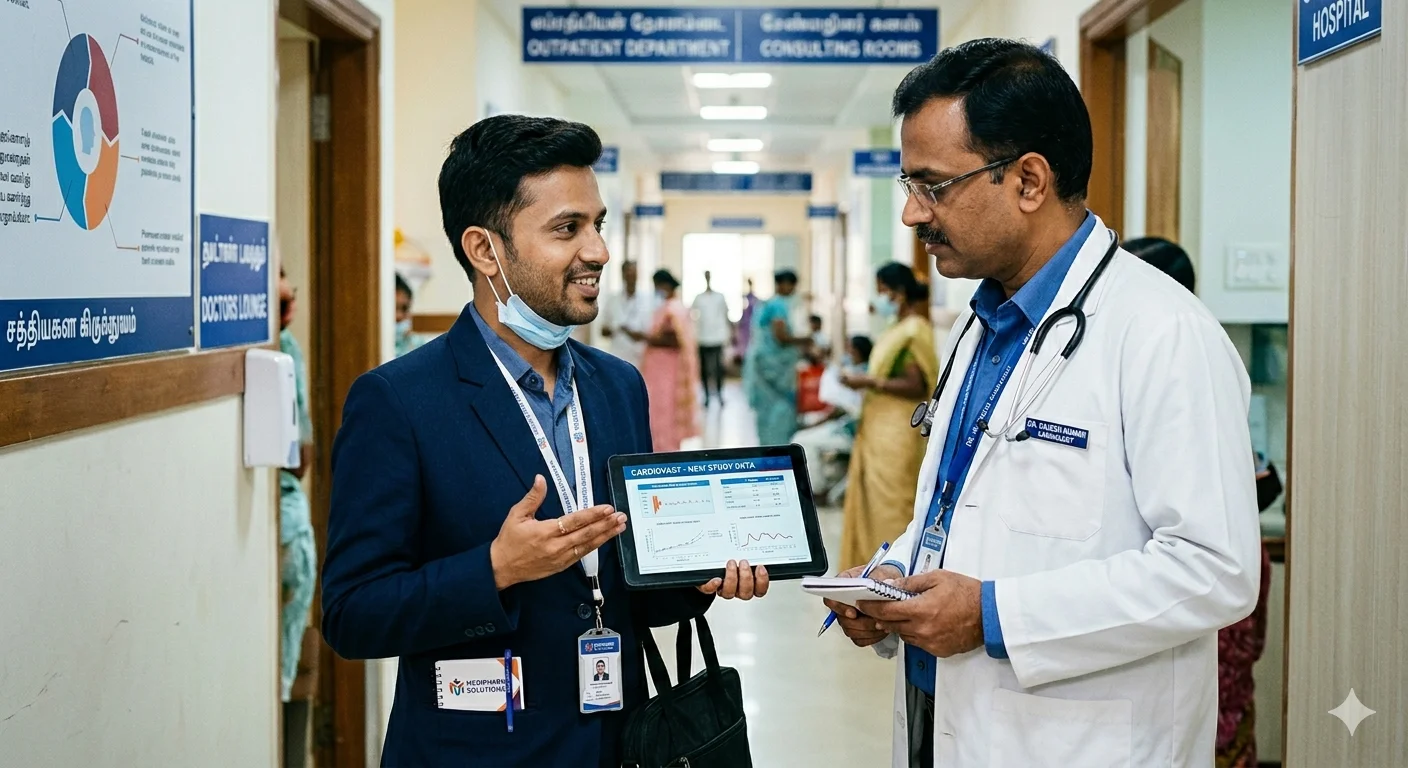
Traditional promotional methods are being replaced by eDetailing, allowing MRs to present interactive and visually rich product information to doctors. This improves communication quality and ensures consistent messaging. Additionally, companies can track engagement metrics to understand what content resonates most with doctors.
7. Improved Compliance and Transparency
The pharma industry operates under strict regulations, and Pharma SFA software ensures better compliance through accurate digital records. Every activity—from doctor visits to order booking—is tracked and stored, ensuring transparency and reducing the risk of non-compliance.
8. Faster and More Accurate Reporting
Manual reporting often leads to delays and inconsistencies. With MR reporting software, data is captured and submitted in real time. Reports are standardized, error-free, and instantly accessible, enabling managers to take quick and informed actions.
9. Seamless Order Management and Execution
Integrated order booking features allow MRs to place orders directly from the field during doctor or chemist visits. This ensures real-time communication with distributors, reduces delays, and speeds up the entire order fulfillment process, improving overall supply chain efficiency.
10. Competitive Advantage in a Digital-First Market
In 2026, adopting technologies like Pharma CRM, medical representative tracking, RCPA analysis, order booking, and eDetailing provides a significant competitive advantage. Companies that leverage these tools can respond faster to market changes, improve execution, and build stronger relationships, while those relying on outdated systems risk falling behind.