Introduction
Keeping your vehicle in excellent condition requires more than routine oil changes and occasional car washes. Professional detailing plays a crucial role in preserving your car’s appearance, protecting its surfaces, and maintaining long-term value. However, many vehicle owners often wonder how frequently they should schedule professional detailing services. The answer depends on several factors, including driving habits, local climate, storage conditions, and personal standards for cleanliness. A well-maintained car not only looks impressive but also retains its resale value and resists environmental damage more effectively. Professional detailing goes beyond surface cleaning by addressing embedded contaminants, restoring paintwork, conditioning interior materials, and applying protective treatments. Understanding the ideal detailing frequency can help you avoid unnecessary wear and costly repairs in the future. In this guide, we will explore the factors that influence detailing schedules and help you determine how often your car truly needs professional attention.
Understanding the Ideal Professional Car Detailing Schedule
Determining the right professional car detailing schedule depends largely on how and where you use your vehicle. For most drivers, a full detailing service every four to six months is sufficient to maintain optimal condition. This timeframe allows professionals to remove contaminants, refresh protective coatings, and address minor imperfections before they worsen. Many vehicle owners create a customized professional car detailing schedule based on seasonal changes and driving intensity, ensuring their vehicle remains protected year-round. For expert guidance and reliable services, you can consult specialists at who can assess your vehicle’s condition and recommend an appropriate plan. While some cars may require more frequent care due to environmental exposure, others stored in garages may need less frequent visits. Ultimately, consistency is key to preserving your vehicle’s aesthetic appeal and structural integrity over time.
Factors That Influence Detailing Frequency
Several important factors determine how often your car should be professionally detailed. Climate plays a major role, as vehicles exposed to harsh sunlight, heavy rain, snow, or road salt require more frequent care. Drivers in urban environments may face increased exposure to pollution and debris, accelerating paint deterioration. Usage patterns also matter; daily commuters and rideshare drivers accumulate dirt faster than occasional drivers. Parking conditions further impact detailing needs, especially if your vehicle is regularly left outdoors without protection. Additionally, the type of protective treatments previously applied, such as wax or ceramic coatings, influences maintenance intervals. Cars with long-lasting coatings may require less frequent full detailing but still benefit from routine inspections. Evaluating these factors helps you create a realistic schedule tailored to your vehicle’s unique conditions and ensures consistent protection throughout the year.
How Often Should You Detail the Exterior?
Exterior detailing typically requires attention every four to six months for average drivers. This interval allows professionals to wash, decontaminate, polish, and reapply protective coatings effectively. Vehicles exposed to harsh conditions, such as coastal areas with salty air or regions with intense UV radiation, may require detailing every three to four months. Regular exterior care prevents oxidation, fading, and corrosion caused by environmental contaminants. Between professional appointments, routine washing every two weeks helps maintain cleanliness and prolong protective layers. If your vehicle has a ceramic coating, maintenance may be less frequent, but periodic inspections remain essential. Neglecting exterior detailing can lead to permanent paint damage that requires costly repairs. By adhering to a consistent schedule, you preserve your car’s glossy finish and ensure long-term durability against environmental stressors.
How Often Should You Detail the Interior?
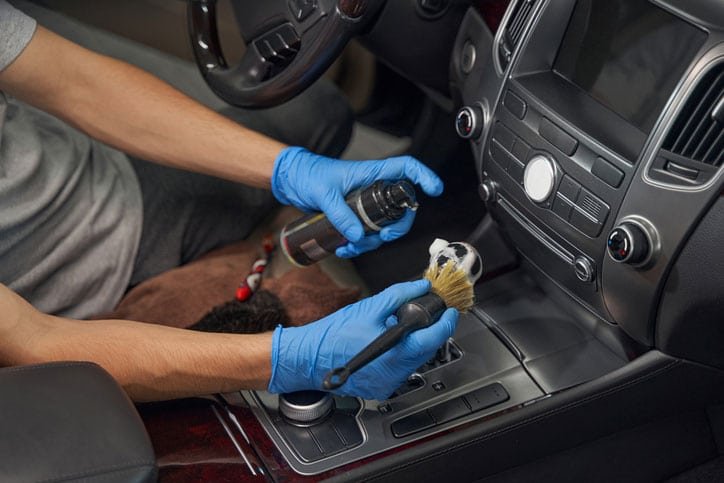
Interior detailing frequency largely depends on passenger activity and usage. For most drivers, professional interior detailing twice a year is sufficient. However, families with children, pet owners, or rideshare drivers may benefit from quarterly services. Dirt, spills, and debris accumulate quickly, leading to stains and unpleasant odors if left untreated. Professional detailing includes deep vacuuming, shampooing carpets, conditioning leather, and sanitizing surfaces to maintain hygiene. Regular care prevents material cracking, fading, and premature wear. Seasonal interior detailing can also help remove allergens and bacteria, improving air quality inside the cabin. Between appointments, basic maintenance such as weekly vacuuming and wiping surfaces helps maintain cleanliness. Prioritizing interior detailing ensures a comfortable and healthy environment while preserving the materials’ longevity and overall vehicle value.
Seasonal Detailing Recommendations
Seasonal changes significantly impact your vehicle’s maintenance needs. In winter, road salt and moisture can accelerate rust formation, making pre-winter detailing essential for protection. Applying protective coatings before colder months shields paint and undercarriage components. Spring detailing removes accumulated grime and refreshes your car after harsh winter conditions. During summer, intense UV exposure can cause paint fading and interior cracking, so protective treatments are highly beneficial. Fall detailing prepares your vehicle for dropping temperatures and potential debris from falling leaves. Aligning detailing appointments with seasonal transitions ensures continuous protection against environmental stressors. By planning services strategically throughout the year, you minimize damage and maintain a consistently polished appearance regardless of weather conditions.
Signs Your Car Needs Immediate Detailing
While following a schedule is helpful, certain signs indicate your vehicle needs immediate attention. Visible swirl marks, dull paint, or water spots suggest exterior protection has worn off. Persistent stains, unpleasant odors, or sticky surfaces inside the cabin signal the need for interior detailing. Cloudy headlights and brake dust buildup also indicate neglect. If you notice fading dashboards or cracked leather, professional conditioning is necessary to prevent further damage. Rust spots or paint chips require prompt action to avoid costly repairs. Paying attention to these warning signs helps you address minor issues before they escalate. Even if you are not due for scheduled detailing, responding to visible deterioration ensures your vehicle remains protected and visually appealing at all times.
Balancing DIY Maintenance with Professional Detailing
Routine home maintenance complements professional detailing but does not replace it. Regular washing, vacuuming, and spot cleaning help preserve cleanliness between appointments. However, professional detailers use specialized equipment and products that provide deeper cleaning and longer-lasting protection. Machine polishing, steam cleaning, and ceramic coating applications require expertise to achieve safe and effective results. Attempting complex treatments without proper knowledge can cause damage. A balanced approach involves maintaining your vehicle weekly while scheduling professional detailing every few months. This combination ensures comprehensive care and minimizes long-term wear. Investing in professional services periodically enhances overall results and extends the life of both interior and exterior components.
Frequently Asked Questions (FAQs)
1. How often should I get my car fully detailed?
Most vehicles benefit from full professional detailing every four to six months, depending on usage and climate.
2. Is exterior detailing needed more often than interior detailing?
Exterior detailing may require more frequent care due to environmental exposure, while interior detailing is often done twice a year.
3. Does ceramic coating reduce detailing frequency?
Yes, ceramic coatings provide longer-lasting protection, potentially reducing the need for frequent exterior detailing.
4. Can I skip professional detailing if I wash my car regularly?
Regular washing helps, but professional detailing addresses deeper contaminants and applies protective treatments that washing alone cannot provide.
5. What happens if I rarely detail my car?
Neglecting detailing can lead to paint damage, interior wear, rust formation, and reduced resale value over time.
Conclusion
Determining how often to get your car professionally detailed depends on your driving habits, climate, and maintenance preferences. While a general guideline suggests detailing every four to six months, individual factors may require adjustments. Consistent professional care protects your vehicle from environmental damage, enhances comfort, and preserves resale value. By combining routine at-home maintenance with scheduled professional services, you ensure comprehensive protection year-round. Paying attention to seasonal changes and visible warning signs further helps maintain optimal condition. Ultimately, investing in a well-planned detailing schedule safeguards your vehicle’s appearance and longevity, ensuring it remains a source of pride and reliability for years to come.