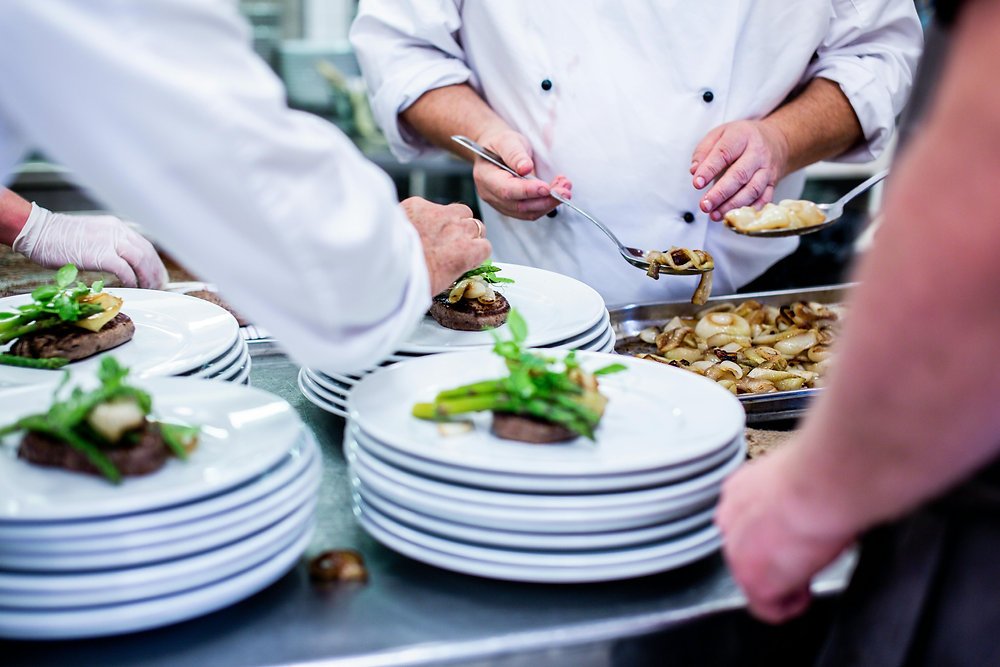
Planning a memorable event involves much more than choosing a venue and sending invitations. Food often becomes one of the most important parts of the experience. Guests remember meals that are delicious, beautifully presented, and thoughtfully prepared. Whether you are hosting a family celebration, corporate gathering, wedding, birthday, engagement party, or intimate dinner, the right food service can transform an ordinary occasion into something special.
For many hosts, catering provides an easy way to serve a large group without spending hours preparing food. Others prefer the personalised experience of having a chef prepare a carefully designed menu specifically for their guests. Understanding the difference between these options can help you choose a dining experience that suits your event, budget, and expectations.
Why Food Matters at Every Event
Food has a unique ability to bring people together. Guests naturally gather around dining tables, share dishes, discuss flavours, and enjoy conversations while eating. A well-planned menu can therefore become part of the entertainment rather than simply another service.
The food should also reflect the type of event you are hosting. A relaxed birthday celebration may benefit from generous shared platters and casual dishes. A formal dinner might call for several carefully presented courses. A corporate event may require convenient meals that allow guests to network comfortably.
Choosing the right food service starts with understanding your guests and the atmosphere you want to create.
Understanding Your Catering Options
Catering has changed considerably over the years. Traditional buffet services are still popular, but modern catering can include grazing tables, plated meals, food stations, canapés, shared menus, barbecue-style dining, and culturally inspired cuisine.
One of the biggest advantages of asian catering is the variety it can provide. Asian cuisines include an enormous range of flavours, ingredients, cooking techniques, and presentation styles. Depending on the menu, guests may enjoy dishes influenced by Chinese, Japanese, Thai, Korean, Vietnamese, Malaysian, Indonesian, or other culinary traditions.
This variety makes Asian-inspired food suitable for both casual and sophisticated occasions.
Why Asian-Inspired Menus Are So Popular
Asian food has become increasingly popular for events because it offers something for almost every palate. Menus can combine sweet, savoury, spicy, sour, fresh, crunchy, and aromatic elements.
Another advantage is the ability to serve food in different formats. Guests might enjoy small canapés during a cocktail reception or sit down for a multi-course meal later in the evening.
Shared dishes can also create a more social dining experience. Instead of every guest receiving exactly the same meal, several dishes can be placed in the centre of the table. Everyone can then sample different flavours.
Creating a Menu Around Your Guests
A successful menu should always consider the people attending the event. Before finalising dishes, think about dietary requirements, allergies, age groups, cultural preferences, and personal tastes.
Vegetarian and vegan options can be incorporated into many Asian-inspired menus. Gluten-free requirements can also often be accommodated with careful ingredient selection.
It is important to communicate dietary requirements early. Giving your caterer or chef plenty of notice allows them to plan suitable alternatives without compromising the overall dining experience.
Buffet, Plated Meals, or Shared Dining?
There is no single perfect serving style for every event.
A buffet works particularly well for larger gatherings. Guests can choose what they want and control their portion sizes. It can also encourage people to move around and interact.
Plated meals offer a more formal experience. Each course is prepared and presented individually, creating a restaurant-style atmosphere.
Shared dining sits somewhere between the two. Several dishes are served at the table, allowing guests to enjoy a relaxed and communal meal.
Your venue, guest count, schedule, and budget can all influence which option makes the most sense.
The Benefits of Hiring a Private Chef
For smaller gatherings, hiring a private chef can provide an entirely different experience. Instead of receiving food prepared for a large number of guests, you can have a menu designed around your occasion.
A private chef can often take care of menu planning, ingredient preparation, cooking, presentation, and kitchen organisation. This allows the host to spend more time with guests rather than worrying about food.
The experience can feel particularly special for birthdays, anniversaries, romantic dinners, family celebrations, and milestone occasions.
What Does a Private Chef Actually Do?
A private chef’s role can extend far beyond simply cooking.
Depending on the service, the chef may discuss your preferences before the event, develop a menu, source ingredients, prepare the food, cook on location, plate each course, and clean the cooking area afterward.
The exact services vary between chefs, so it is important to discuss expectations before booking.
If you are planning an event on the Central Coast, searching for a central coast private chef can help you explore options suited to local homes, venues, and private celebrations.
Private Dining at Home
One of the greatest benefits of a private chef is the ability to enjoy restaurant-quality food without leaving your home.
There is no need to organise transportation, wait for tables, or worry about keeping everyone on a restaurant schedule. Your guests can relax in familiar surroundings while the chef handles the meal.
This can be particularly appealing for intimate celebrations where the host wants a relaxed and personal atmosphere.
Private Chefs for Special Occasions
A private chef can be suitable for many different occasions.
Birthday Celebrations
Birthdays provide an excellent opportunity to create a personalised dining experience. The menu can be designed around the guest of honour’s favourite foods.
Anniversaries
An anniversary dinner at home can offer privacy and a more intimate atmosphere than a busy restaurant.
Engagement Parties
An engagement celebration can combine elegant food with relaxed socialising. Small plates, canapés, and shared dishes can work particularly well.
Family Gatherings
Large family meals can become stressful when one person is responsible for preparing everything. A chef can handle the cooking while everyone else enjoys the occasion.
Corporate Events
Food can influence how guests perceive a corporate event. A carefully planned menu can make meetings, networking sessions, and celebrations feel more professional.
How to Plan the Perfect Menu
Menu planning should begin with the overall style of your event.
Consider whether you want a casual meal, sophisticated dinner, cocktail-style service, or family-style feast.
Next, think about the number of courses. A simple menu might include an appetiser, main course, and dessert. A more elaborate dinner could include several small courses with different flavours and textures.
Balance is important. A menu containing several heavy dishes may leave guests feeling uncomfortable. Combining rich foods with fresh vegetables, herbs, salads, and lighter dishes can create a better experience.
The Importance of Fresh Ingredients
Fresh ingredients can have a significant effect on flavour and presentation.
Seasonal produce can provide better flavour while giving chefs more flexibility when developing menus. Fresh herbs, vegetables, seafood, meats, and high-quality pantry ingredients can all contribute to a memorable meal.
Ingredient quality becomes even more noticeable when dishes are relatively simple. When there are only a few components on a plate, each ingredient needs to contribute something meaningful.
Presentation Is Part of the Experience
Guests eat with their eyes before they taste the food.
Beautiful presentation can make an event feel more sophisticated. Colour, texture, portion size, serving dishes, garnishes, and table arrangements can all influence how a meal looks.
This does not mean every dish needs to be complicated. Simple food can look impressive when it is thoughtfully arranged.
A good chef understands that presentation should complement the food rather than distract from it.
Planning for Different Dietary Requirements
Modern events often include guests with different dietary needs. Ignoring these requirements can make some guests feel excluded.
When sending invitations, consider asking guests to mention allergies or dietary restrictions. Provide this information to your caterer or chef well before the event.
Common considerations include vegetarian, vegan, gluten-free, dairy-free, nut-free, and low-spice options.
The goal should be to make alternative dishes feel like part of the menu rather than an afterthought.
Choosing Between Catering and a Private Chef
The best choice depends on your event.
Catering is often ideal when you have a large guest list and need efficient food service. It can provide substantial quantities of food while reducing the workload for the host.
A private chef may be more suitable for smaller gatherings where personalisation and atmosphere are priorities.
You should also consider the venue. Some locations have commercial kitchens or dedicated catering facilities. Others may have limited kitchen space, making certain food preparation methods more difficult.
Questions to Ask Before Booking
Before choosing a food service provider, ask several practical questions.
Find out what services are included in the quoted price. Ask about menu customisation and whether ingredients are included. Confirm how dietary requirements are handled.
You should also discuss arrival times, cooking arrangements, serving staff, equipment, tableware, and cleanup.
Clear communication prevents misunderstandings and makes event planning easier.
Understanding Your Budget
Food costs can vary significantly depending on the menu and service style.
Factors that influence pricing can include the number of guests, ingredients, number of courses, staffing, travel, equipment, preparation time, and level of service.
Instead of choosing an option based solely on the lowest price, consider the overall value.
A cheaper service may require you to provide additional equipment or handle cleanup yourself. A more comprehensive service may cost more but significantly reduce your workload.
Making the Event Feel Personal
Personalisation is one of the biggest advantages of professional food services.
You can incorporate favourite dishes, family recipes, cultural influences, seasonal ingredients, or memorable flavours into the menu.
For example, a birthday dinner could include dishes inspired by the guest’s favourite holiday destination. A family gathering could feature recipes passed down through generations.
These personal touches can make the meal feel meaningful rather than generic.
Creating a Comfortable Dining Environment
Great food is only part of the experience.
Consider how guests will move around the venue. Make sure there is enough space between tables and chairs. Think about lighting, music, table settings, and seating arrangements.
For private dining, avoid placing guests too close to the kitchen if cooking activities may become distracting.
A comfortable environment allows guests to focus on conversation, food, and the occasion.
Timing Your Meal Correctly
Timing is another important consideration.
If guests arrive before the food is ready, they may become hungry or impatient. If food is prepared too early, some dishes may lose their freshness.
Professional chefs and experienced caterers understand how to coordinate preparation and service.
For larger events, it can help to establish a detailed schedule. This should include guest arrival, appetisers, main courses, dessert, speeches, entertainment, and other important activities.
Drinks and Food Pairings
Drinks can complement the menu and enhance the overall experience.
Non-alcoholic options should always be available. Sparkling water, fresh juices, iced teas, specialty sodas, and fruit-based drinks can work well with many cuisines.
If alcoholic beverages are being served, consider how their flavours interact with the food.
A chef or catering professional may be able to suggest suitable pairings based on the menu.
Why Local Experience Can Matter
When organising an event, working with a local food professional can offer practical advantages.
A local chef may understand the area, venue types, seasonal ingredients, travel considerations, and common event requirements.
This can be especially useful when planning an event at a private home or unfamiliar venue.
Local knowledge can also make communication and logistics simpler.
Making Hosting Less Stressful
Hosting should be enjoyable, but preparing food for a large group can quickly become overwhelming.
There is shopping to organise, ingredients to prepare, dishes to cook, tables to arrange, and food to serve. Afterward, there is usually a kitchen full of dishes to clean.
Professional food services can remove much of this pressure.
Instead of spending the event checking ovens or preparing plates, hosts can spend their time welcoming guests and enjoying conversations.
Catering for Outdoor Events
Outdoor celebrations create additional considerations.
Weather, food temperature, access to electricity, refrigeration, cooking equipment, and serving areas all need to be considered.
A professional caterer or private chef can help determine what preparation methods are practical for the location.
For outdoor events, dishes that can be served comfortably in different weather conditions may be preferable.
Corporate Catering Considerations
Corporate events often have unique requirements.
Guests may have limited time between meetings, presentations, or networking sessions. Food should therefore be convenient without feeling rushed or impersonal.
Small plates, individual servings, grazing options, and organised buffet services can work well.
For formal corporate dinners, a multi-course menu can create a more impressive experience.
Weddings and Large Celebrations
Weddings require careful food planning because they often involve large guest numbers and long schedules.
Couples should consider their preferred dining style early. Buffet meals, plated dinners, food stations, canapés, and shared menus all have advantages.
It is also important to consider children, older guests, dietary requirements, and the timing of speeches and entertainment.
Professional catering can make managing these details significantly easier.
Small Gatherings Can Benefit From Big Flavours
You do not need hundreds of guests to justify professional food preparation.
Small gatherings can sometimes provide even more opportunities for creativity. A chef can spend more time focusing on individual dishes and creating a highly personalised menu.
An intimate dinner for six or eight people can feel just as memorable as a large celebration when the food and atmosphere are carefully planned.
The Value of Professional Preparation
Preparing food professionally requires more than following recipes.
Chefs understand temperature control, seasoning, timing, food safety, ingredient preparation, portioning, and presentation.
Their experience allows them to anticipate problems and adjust the menu when necessary.
This expertise can be especially valuable when cooking for guests with different preferences or dietary requirements.
Planning Ahead for a Successful Event
The earlier you begin planning, the more choices you are likely to have.
Start by determining your guest count, event date, location, budget, and preferred food style.
Once these details are established, you can begin discussing menu ideas with potential caterers or chefs.
Avoid leaving food planning until the final few days. Popular professionals can have busy schedules, especially during weekends and peak event periods.
Final Thoughts
Food can turn a simple gathering into a memorable occasion. Whether you choose professional catering or a private chef, the right food service can reduce stress while creating an enjoyable experience for your guests.
Asian-inspired menus offer impressive variety and can suit everything from casual gatherings to sophisticated celebrations. A private chef provides another level of personalisation, particularly for intimate events where atmosphere and customised menus matter.
The key is to choose a service that matches your guest list, venue, budget, and desired experience. Plan the menu carefully, communicate dietary requirements early, and think beyond the food itself.
When preparation, presentation, service, and atmosphere come together, guests are more likely to remember the event for all the right reasons.
Frequently Asked Questions
Is Asian catering suitable for large events?
Yes. Asian-inspired menus can work very well for large gatherings because many dishes can be prepared and served in shared or buffet formats.
Can a private chef prepare food at my home?
Many private chefs provide in-home services. The exact arrangements depend on the chef, kitchen facilities, menu, and number of guests.
How early should I book a chef or caterer?
Booking several weeks in advance is generally a good idea. For weddings, major celebrations, and peak periods, earlier planning is recommended.
Can menus accommodate allergies?
Many professional chefs and caterers can accommodate dietary requirements when they receive sufficient notice. Always communicate allergies clearly before the event.
Is a private chef only suitable for small events?
Private chefs are often associated with intimate gatherings, but some chefs may provide services for larger groups. Availability and staffing requirements vary.
How can I keep catering costs under control?
Set your guest count and budget early. Choose seasonal ingredients, compare service formats, and ask for a detailed quote that explains what is included.
What should I discuss with a chef before booking?
Discuss the menu, guest numbers, dietary requirements, venue, preparation facilities, serving arrangements, timing, cleanup, pricing, and any additional services.
Can a chef create a completely customised menu?
Many chefs can customise menus based on your preferences, event style, dietary requirements, and available ingredients. The level of customisation varies by provider.
What makes a successful event meal?
Good food, appropriate portions, reliable timing, attractive presentation, dietary consideration, and professional service all contribute to a successful dining experience.
Should I choose catering or a private chef?
Consider your guest count, budget, event style, venue, and desired level of personalisation. Catering is often practical for larger groups, while a private chef can provide a more personalised experience for intimate occasions.