Gamers face an ongoing debate: is it better to revive the past with remakes or aim for nostalgia with games that capture classic vibes but tell new stories? The difference comes down to more than visuals or box art, both paths offer unique rewards and trade-offs for anyone who values a bit of retro in their lineup.
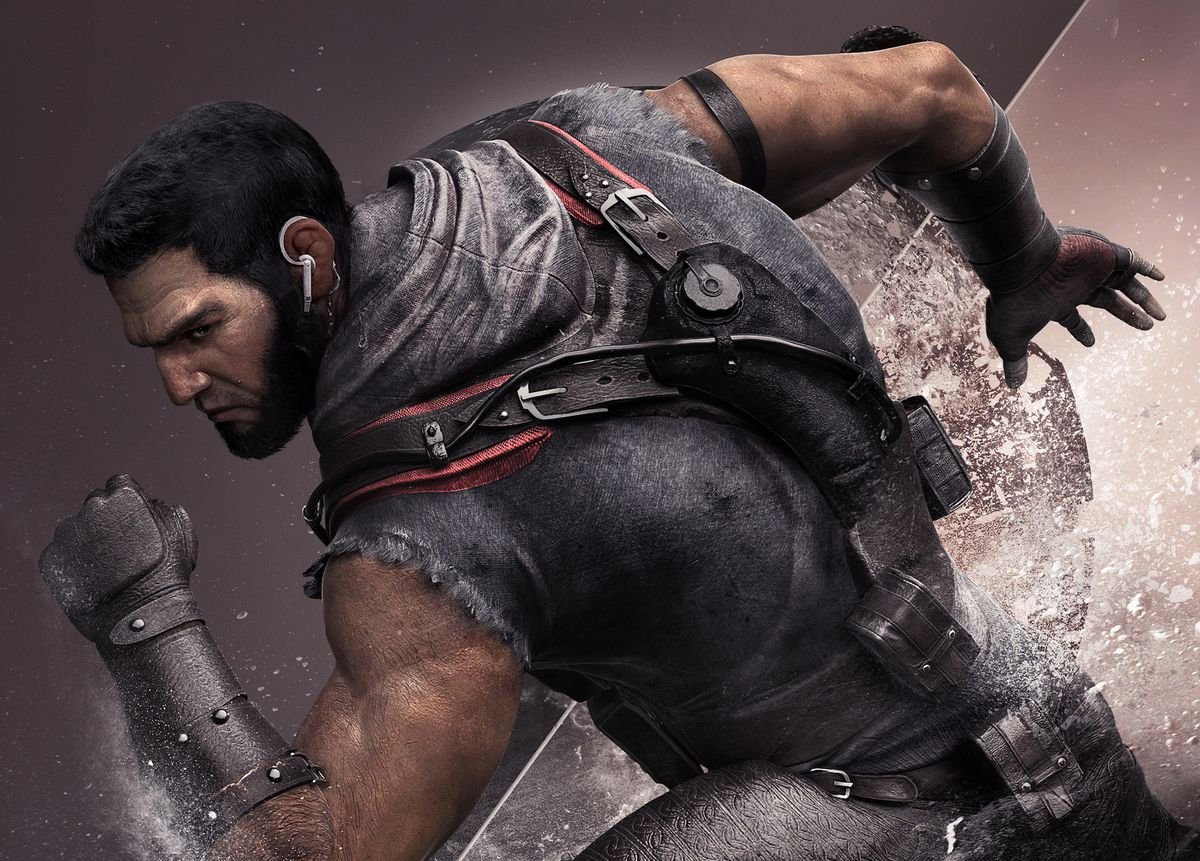
Notice how excitement builds around every big remake announcement. Whenever a name like 007 resurfaces, players quickly compare the new release with their rose-tinted memories of the original. Buying a 007 First Light Steam Key feels like picking up a time capsule: you get updated mechanics and graphics, but every moment is shaped by what came before and long-time fans’ expectations.
What Makes Remakes So Compelling?
Remakes attract two types of gamers, those revisiting a classic with fresh polish, and newcomers discovering old legends. The appeal is straightforward. You know what you’re getting, and there’s comfort in recognizable names, characters, and settings. Studios have the benefit of an established fanbase, so it’s no surprise that remade titles often dominate wishlists and headlines.
But there’s a potential pitfall too. A remake might struggle to impress if it changes too much or, worse, changes too little to stand out from the original. Nostalgia can quickly turn into disappointment when a fresh coat of paint doesn’t mask outdated design choices or forced modern tweaks. The player base will always judge a remake against memory, not just merit.
The Allure and Uncertainty of Retro-Inspired Originals
Now, compare that with the rise of indie studios launching games that channel a particular era’s look and spirit, without retreading old material. Retro-inspired titles can trigger the same fuzzy memories but leave space for surprises, new mechanics, unexpected storytelling twists, and original soundtracks. No one knows exactly what’s coming, which only adds to the intrigue. The biggest advantage here: there are no limits except creative ambition.
Still, these games face a tougher road. Without a familiar logo or celebrity spy, a new retro-themed release needs to work twice as hard to earn trust. Great ideas might get lost in the shuffle unless a strong hook captures attention and delivers on its promises. Reviews can be more objective, but fans might miss that sense of instant recognition.
For gamers exploring either path, it’s worth bringing up the world of digital mystery keys. What is a Steam random key? It’s a code that unlocks a surprise game from a hidden pool, activated on your Steam account. Buyers should watch out for region restrictions and understand the game’s value or genre isn’t guaranteed. Eneba’s “1 Random Key for Steam” stands out for clear region info and lightning-fast key delivery, offering both a low-risk entry point for nostalgia-fueled discovery and a touch of surprise for those craving the unknown.
Recognizing the Right Move for You
Some gamers want to relive exact memories, while others prefer to chase the feeling of the past in new packages. Neither route is strictly better; it depends on what makes you hit “buy” with genuine excitement. Chasing reboots of old legends guarantees a known quantity, but original retro-inspired releases can stealthily become new favorites, if you’re willing to take a chance.
That push and pull between familiar remakes and bold new throwbacks is shaping the digital marketplace. For anyone struggling to pick a side, digital platforms like Eneba make it simple to try both routes and see which nostalgia trip ends up stealing the show.