Introduction
As we are increasingly becoming more financially tech savvy, mobile banking apps and digital wallets have become very important in helping us with our financial management, whilst these two are often confused, they actually have different purposes and offer different services. Mobile banking applications allow customers to access their current bank accounts via their mobile phone. Digital wallets let you store your payment details to make payments easily. It is important to know the difference between these two systems. Whilst both offer convenience, speed and ease of use they differ with regards to account management, funding sources, transaction limits, security and available services.
Understanding Mobile Banking Apps and Digital Wallets
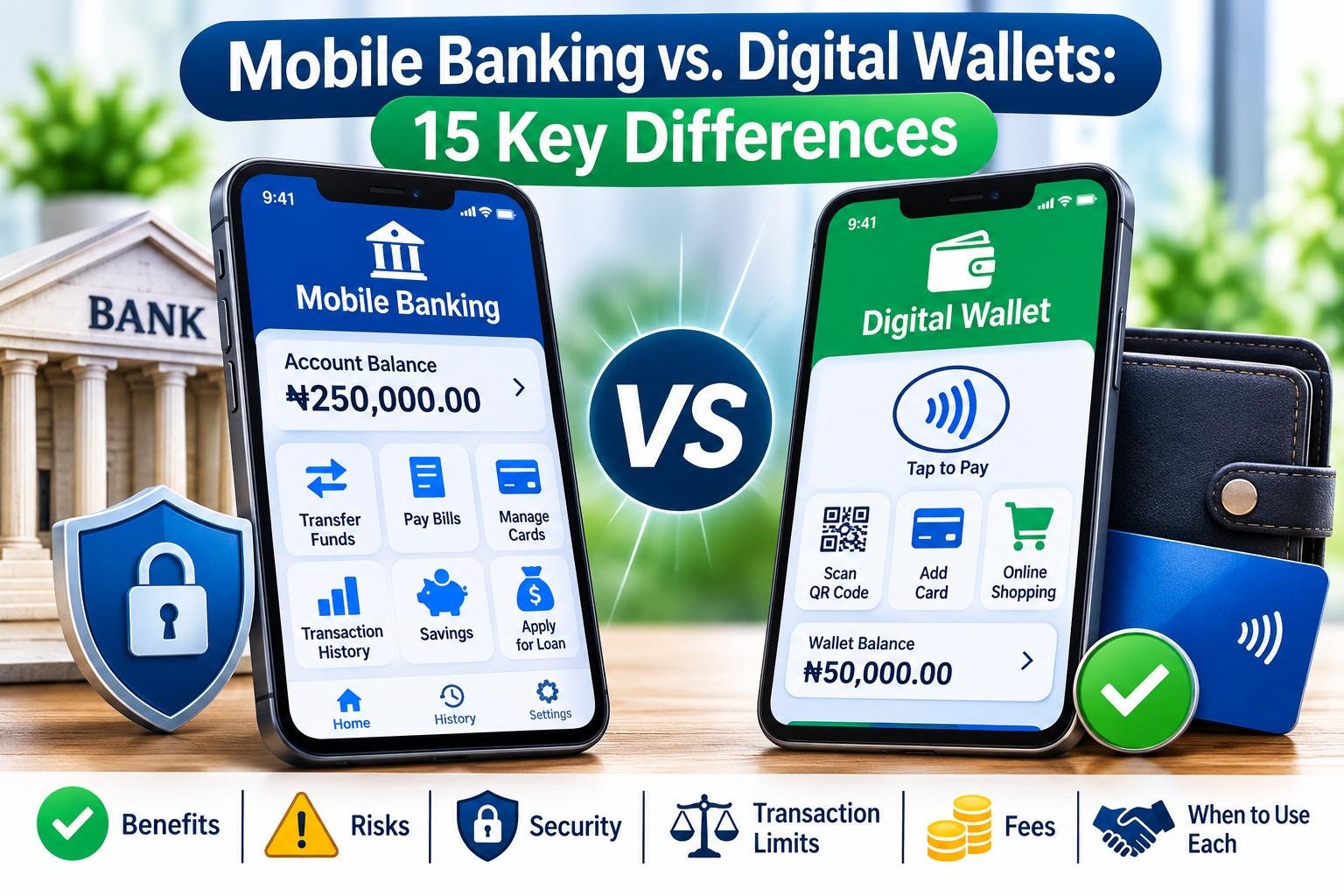
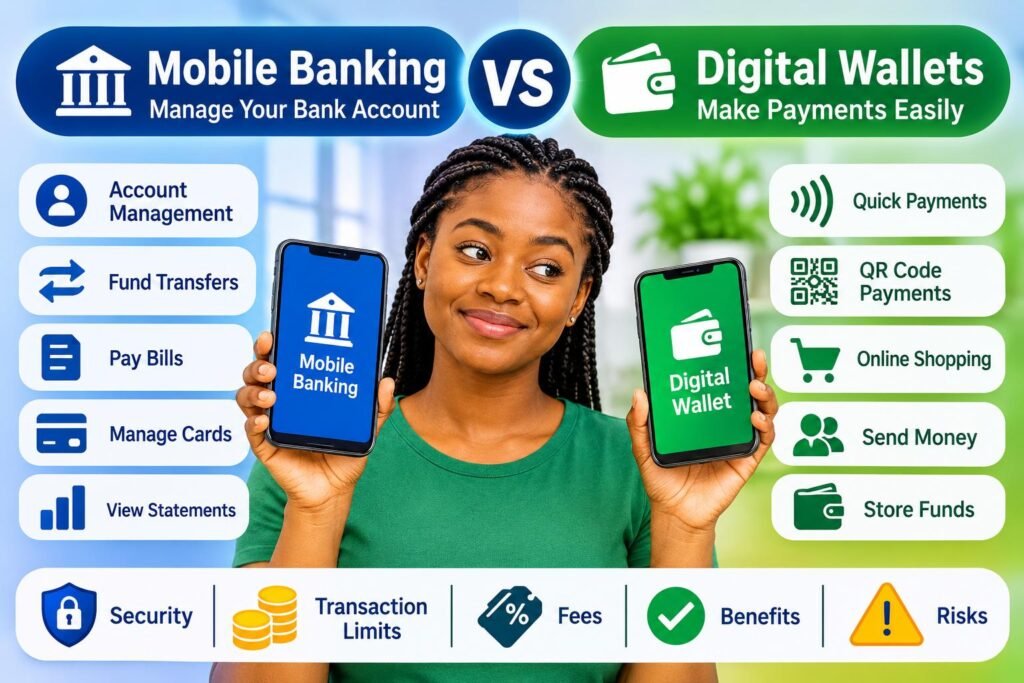
Mobile banking apps are apps created by banks to help customers with their banking. Customers can view their account balance, transaction history, transfer funds, pay bills and manage their banking via the app. Some banking apps will include saving facilities, card management, applying for loans and viewing account statements. For example, customers of Access Bank can use their mobile banking apps (AccessMore) to perform their banking. Digital wallets are apps or services which let you store your payment details to make payments easily. These can connect to your bank account, debit card or any approved funding source.
15 Differences between Mobile Banking and Digital Wallets
1. Purpose
One of the key differences between the two is the purpose of the service. Mobile banking is an app which will give you full banking services. Customers can manage their current bank accounts. Digital wallets are primarily for making payments easily. Whilst some may offer additional banking services, they have been designed to make transactions easy. If you need to manage your banking then a mobile banking app would be a better option. If you want to make payments easily then a digital wallet would be a better option.
2. Account Management
A key difference between the two is the account management which can be performed. Mobile banking apps will let you manage your bank account. This includes viewing your account balance, transaction history, deposits and managing your eligible account settings. You will also have access to information on multiple accounts, if your bank provides this. Digital wallets generally do not provide full banking account management. You will be able to view your wallet balance; payments made and card/account management. Some digital wallets will provide account summaries and insights however they won’t give you full control over your banking account.
3. Transferring Funds
Both services will let you make electronic transfers. Mobile banking apps will allow you to transfer funds between your accounts or to other financial institutions. Depending on your bank, you may have the option to send funds to beneficiaries, schedule payments and view your transfer history. Digital wallets may allow you to transfer funds between other wallet users, pay merchants and withdraw funds to your linked account. This will depend on the provider, country and regulations. Some wallets will only allow you to transfer funds to other users on the same platform, whilst others will allow you to make wider payments. Customers should look into what options are available.
4. Pay Bills
Generally speaking, mobile banking apps will allow you to pay a variety of bills including electricity, internet, TV and approved utility payments. This means you can pay your bills directly from your bank account. Digital wallets will also allow you to pay bills. Depending on the wallet, you may be able to purchase airtime, subscriptions and utility payments. Some wallets will focus on making payments to merchants. Whilst banking apps will usually include bill payments, digital wallets will offer this as a convenience.
5. Merchant Payments
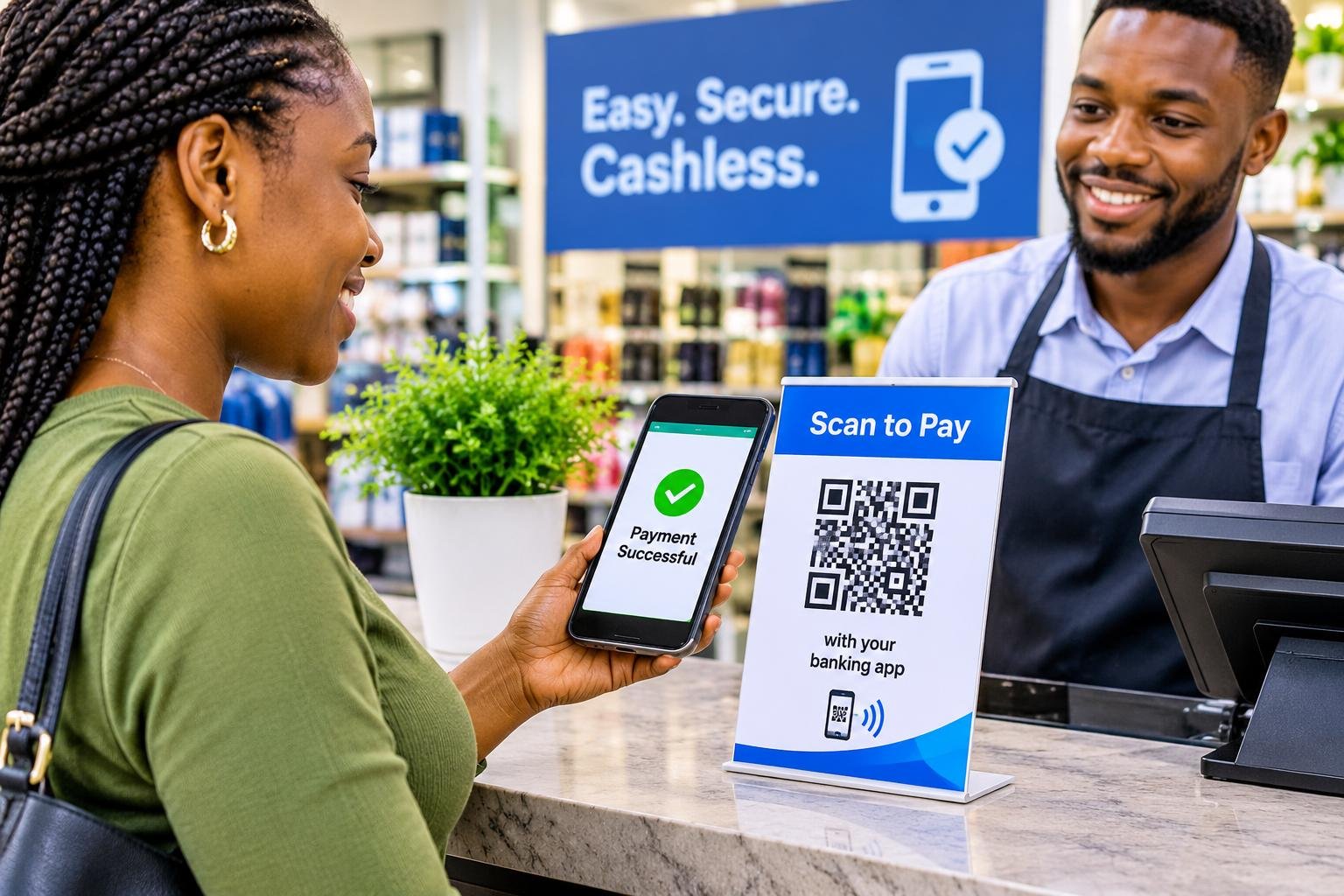
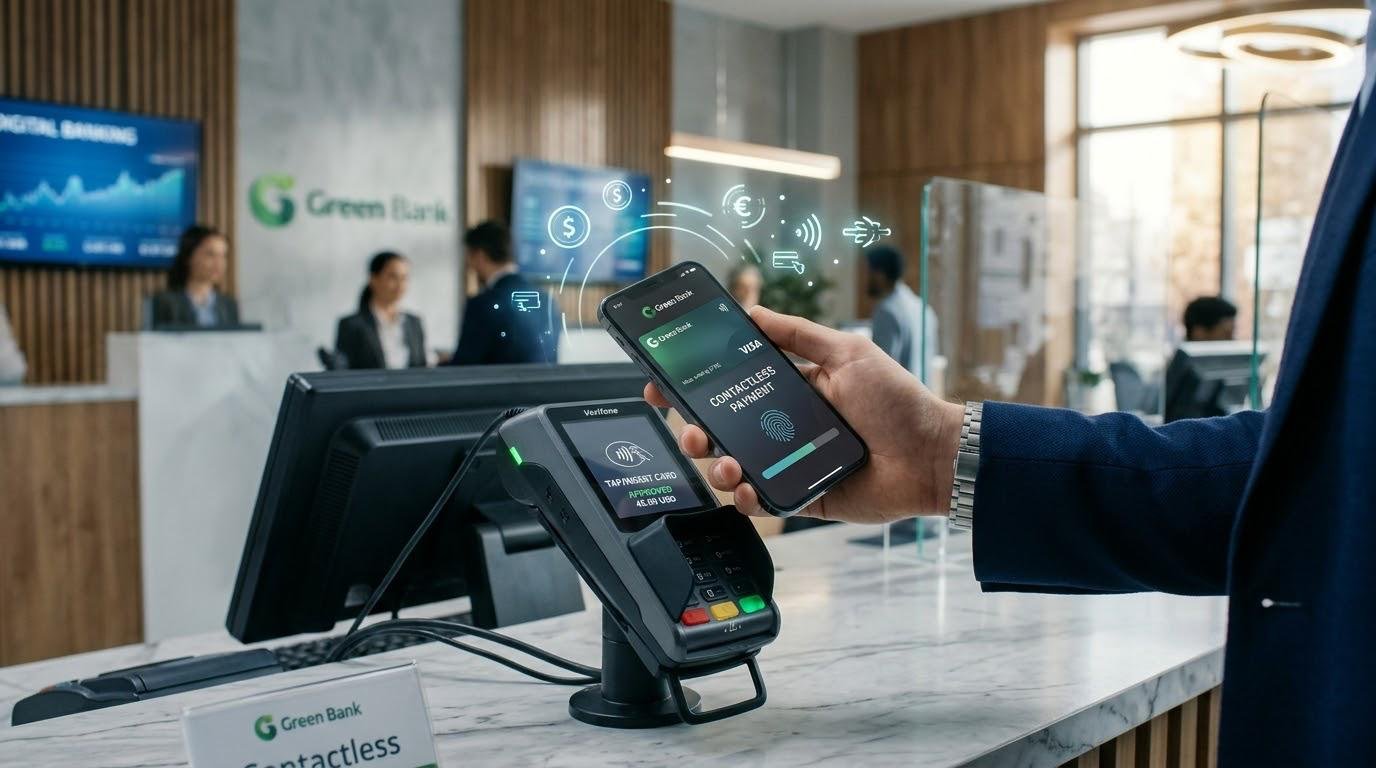
Digital wallets are great if you want to make payments to merchants. You can make payments via QR codes, contactless payments, online payment systems and other payment methods. Some wallets will allow you to make payments without having to enter your card details. Mobile banking apps can allow you to make payments to merchants via your bank, virtual cards, payment links and other features. However, the main purpose of a mobile banking app is to manage your banking. If the merchant accepts certain payment methods, you may find it more suitable to use a particular option.
6. Transaction Limits
Depending on your financial institution, wallet provider, account verification and regulations, there may be limits on how much you can pay. Mobile banking apps may place limits on how much you can transfer, pay and depending on your account type and verification status. This helps banks to limit their exposure and follow regulations. Digital wallets may also place limits on how much you can spend, transfer, withdraw and have in your wallet. Some providers will have limits on verified and unverified accounts. This means customers may need to verify their identity to have higher transaction amounts. Customers should check what the conditions are before making or receiving large payments as you may hit a limit.
7. Funding Sources
Mobile banking apps will usually have direct access to your bank account. When you make payments or transfer funds, it will come out of your account. Digital wallets will have a number of funding sources. This includes linked accounts, debit cards, pre-paid cards and wallet balances. Some platforms will allow you to make cash deposits via an authorized agent or financial institution. This makes digital wallets useful if you prefer to pay in certain ways. However, the funding sources can vary greatly depending on the provider. Customers should check which bank or payment card is accepted.
8. Security
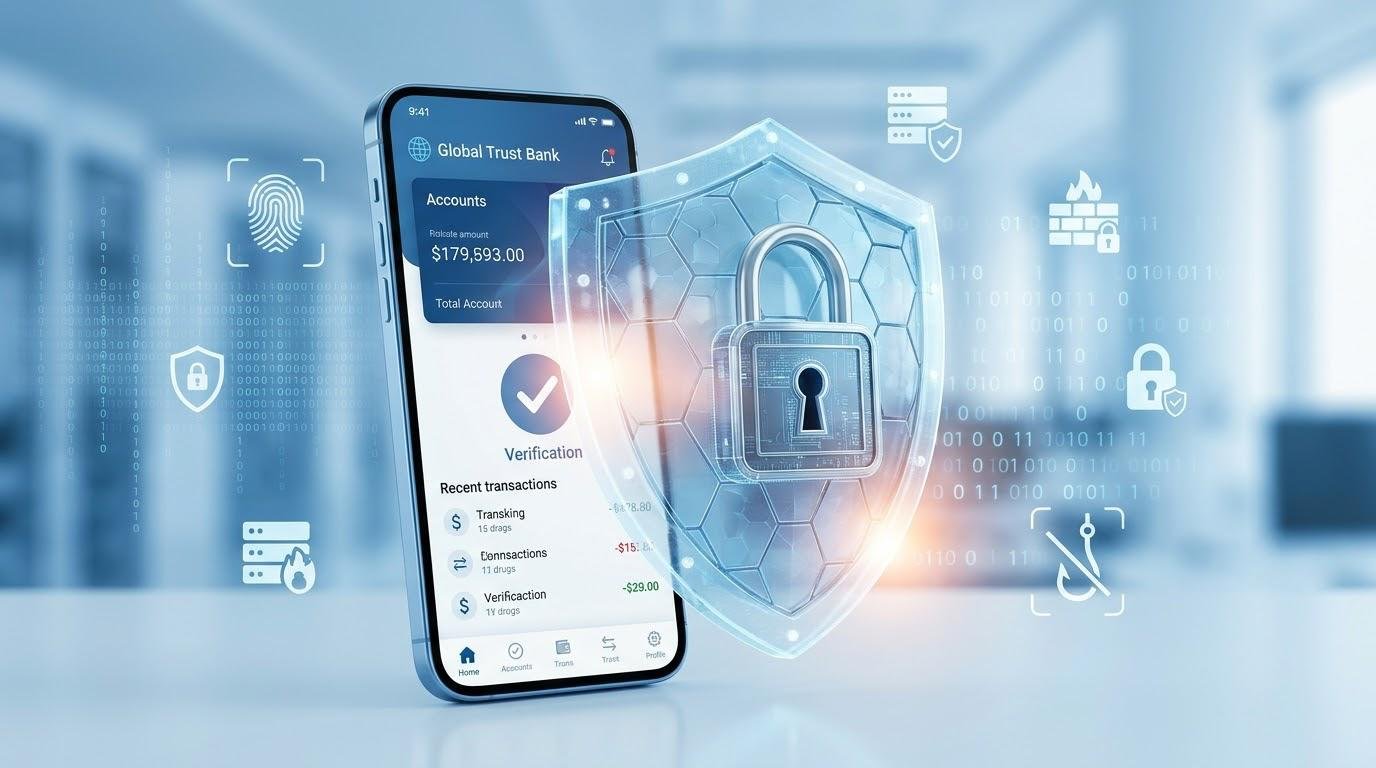
Security is an important factor with these services. Mobile banking apps will usually have passwords, personal identification numbers, one-time passwords, biometric and confirmation processes. Your bank may also monitor for any suspicious activity and could put a temporary block on your account. Digital wallets will have security measures in place. This can include device verification, secure payment details, PINs, biometric and tokenization. Tokenization means sensitive card details are replaced with alternative digital details. Whilst both services will improve security, neither are 100% safe. You should ensure you keep your login details secure and do not share your verification codes.
9. Access
Mobile banking apps are generally accessible to those with an account with the bank and have met the registration criteria. Digital wallets may be accessible to a wider audience depending on the registration criteria and which payment methods are available. Some wallets do not require you to open a traditional bank account, however you may still need to verify your identity. Both services are convenient to use outside of regular banking hours however there can be issues with technical faults, network issues and maintenance.
10. Fees
Banks may charge customers for certain services. This can include transferring funds between banks, card payments, withdrawals and other services. Digital wallets can be free to transfer or pay within the network. However, there may be fees for withdrawing funds, currency conversion, funding your account and transferring funds to your bank. Some providers may charge for merchant payments or other services. Customers should look into what fees are involved with both services. Whilst they may seem cheap at first, they can become expensive with multiple transactions and extra fees.
11. Transaction History
Mobile banking apps will have transaction history so you can see what deposits, withdrawals, transfers and other actions have been made. This can help with budgeting, planning and identifying any unknown transactions. Digital wallets will also have payment history so you can see what you have paid, transferred and funded your wallet. Some providers will give you summaries and alerts to help you understand your spending. However, it may not show all of the transactions made on your linked account. If you use both services you should look into your transaction history separately to ensure you have accurate information and identify any discrepancies.
12. Integration
Mobile banking apps are usually integrated with the bank’s wider financial services. Depending on the financial institution, you may be able to save, apply for loans, manage your cards, invest and other services within one app. Digital wallets are generally integrated with merchant platforms, online shopping, payment gateways and other financial networks. Some advanced wallets will also have additional services such as budgeting, loyalty schemes and international payments. Mobile banking apps focus on the services provided by the financial institution. Digital wallets focus on giving you easy access to payment opportunities.
13. Ownership
Mobile banking apps are created and managed by licensed financial institutions or authorized technology partners. They will follow banking regulations, consumer protection and financial security. Digital wallets may be run by a bank, Fintech Company, payment service provider or authorized organization. Depending on the country, services and legal setup they will follow certain regulations. Not all digital wallets will be run by a bank and having a balance in your wallet doesn’t mean you will get the same protection as a traditional bank. Customers should know who runs their chosen service and how their money is protected.
14. Benefits
Both services will offer benefits to make your financial transactions easier. Mobile banking apps will help you avoid going into the bank, track your account and offer multiple financial services. Digital wallets will make payments easier by reducing the need to carry cash and entering card details. They can also make small transactions easier if your merchant offers contactless or QR code payments. However, you should consider the accessibility, cost, reliability, security and issue solving of the service.
15. Risks
Whilst these services can offer benefits they can also pose some risks. Fraudulent apps can mimic real banking/payment platforms to steal your login details, card details and personal information. You may fall victim to phishing, fake customer service, SIM attacks and social engineering which can cause unauthorized transactions. With digital wallets you may fall victim to fraudulent payment links and fake merchant accounts. With mobile banking you may fall victim to account takeover. To reduce risks you should only download apps from trusted app stores. Ensure you check the official website of the provider. Enable any security features, use strong passwords, avoid using public Wi-Fi for sensitive transactions and report any suspicious activity.
When to Use Mobile Banking Apps and Digital Wallets
Depending on your financial activity you may find one service more suitable. If you need to check your bank balance, make large transfers, view your statement, manage your banking and pay bills then a mobile banking app would be more suitable. If you want to make regular payments to merchants, contactless payments, online shopping and payments to other wallet users then a digital wallet may be more convenient. However, you may find it more flexible to use both services. This way you can manage your core banking with a mobile banking app and make payments easily with a digital wallet. Customers should compare the transaction limits, fees, funding sources and security of both services.
Conclusion
Mobile banking apps and digital wallets are important financial services. However, they are different. Mobile banking focuses on managing your banking account, whereas digital wallets focus on making payments easier. There are many differences between the two including transferring funds, paying bills, paying merchants, transaction limits, funding sources, security, fees and integration with financial services. Both services can offer many benefits however they can pose some risks. This can include fraudulent apps, phishing and unauthorized transactions. Ultimately it will depend on your financial needs and how you want to make your transactions. As long as you use trusted providers, understand the limitations of the service and follow the correct security procedures you can use mobile banking and digital wallets with confidence.
Get more well researched information about Mobile Banking vs. Digital Wallets here.