Introduction
With the increase in Smartphones and digital payment technologies, customers have come to expect easy to pay for products and services. Quick Response (QR) code payments are one of these technologies. This involves a customer scanning a QR code using their Smartphone camera or payment app. Rather than having to use card terminals; QR payments only need basic equipment. QR code payments are very popular in retail, restaurants, transport and online businesses due to the ease of receiving payments. When looking to implement digital payment systems it is important to understand how QR codes work and the benefits and risks.
What are QR Code Payments?
QR Code payments are a form of digital payment. They use two dimensional barcode systems to communicate payment information between the customer and merchant. The QR code contains information which can be read by a compatible application once the customer has scanned it. This could include information such as the name of the merchant, payment account details, reference number and payment amount. The customer will scan the QR code and view the information shown. They can then confirm the payment using a payment method. QR codes offer many functions so this provides a great alternative to receiving cash payments or using traditional card terminals. Customers can pay using a compatible banking application, mobile wallet or other forms of compatible payment.
How do QR Code Payments Work?
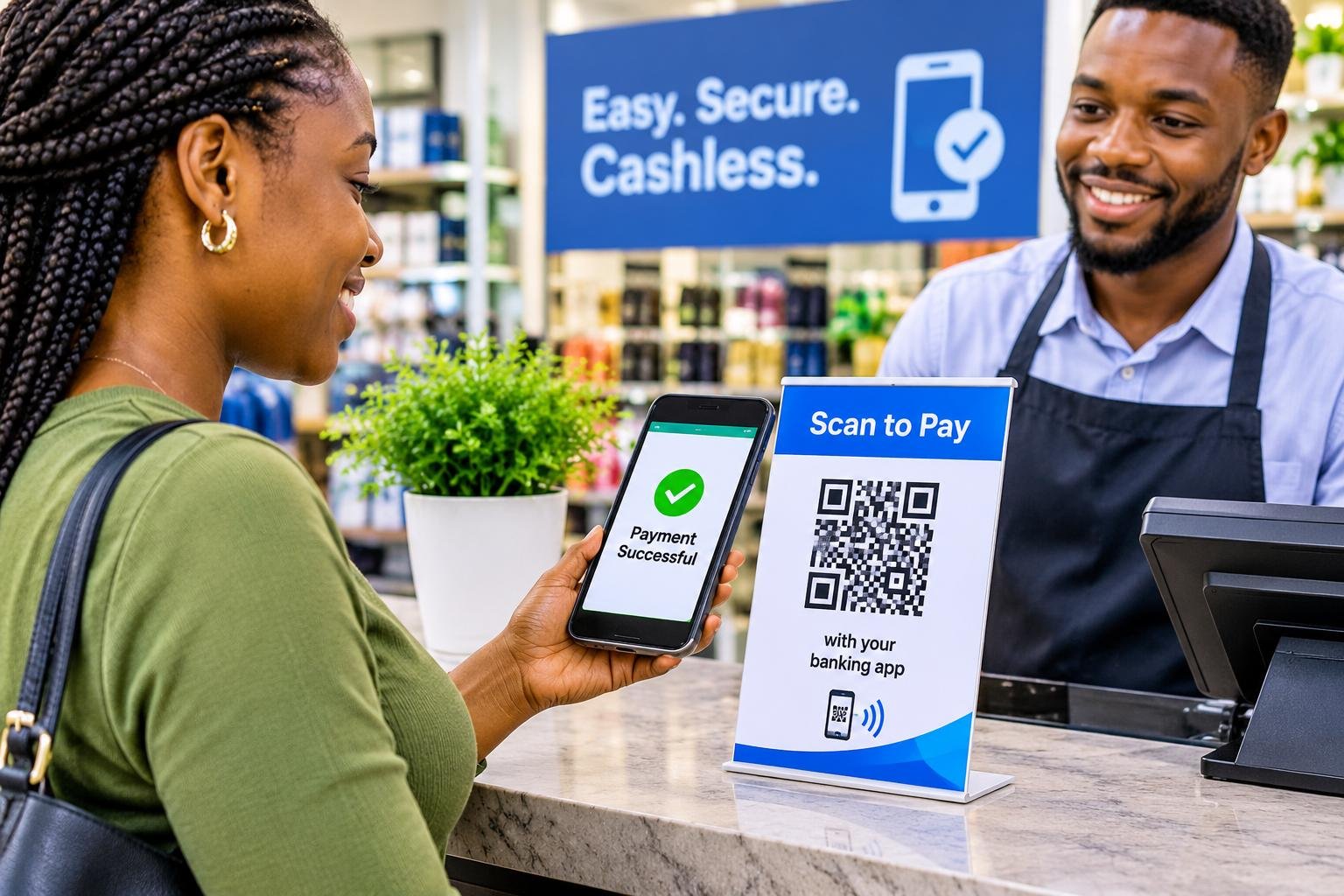
QR code payments are very easy to use. The merchant will display the QR code at the till, on a printed receipt, table or digital platform. The customer will open up a compatible banking application or mobile wallet. Using the scanning function within the app, they will scan the QR code. The app will show the payment information and what the payment details are such as the merchant’s name and payment amount. The customer will confirm the payment using one of the authentication methods available such as a pin, password, fingerprint or facial recognition. The payment will be processed by the payment provider. Both parties may receive a confirmation via the app, text or receipt. This may vary depending on the provider but overall aims to make payment easier and faster.
Types of QR Code Payments
1. Static QR Codes
Static QR codes contain payment information. This means that a business can print one QR code and place it on their till. This can be scanned by multiple customers. Depending on the payment provider, the customer may have to manually type in the amount. This can be useful for smaller businesses, market traders, solo service providers and vendors wanting to offer digital payments without spending too much. Static QR codes are normally cheap to create and easy to distribute as there is no need to create a new one for each payment. However, extra attention is needed when confirming the payment. As the customer may have to manually type in the amount there is a risk of errors. The company will need to confirm the correct amount has been paid.
2. Dynamic QR Codes
Dynamic QR codes are created for each transaction. They usually contain specific payment details such as payment amount and reference. When a customer makes a purchase, the merchant will generate a QR code for the payment. The customer will scan this and see the payment amount. They can then confirm the payment. Once the payment has been made, the QR code will become expired. This removes the need for the customer to type in the payment amount and links the payment to a specific purchase. This can be useful for Supermarkets, restaurants, larger retailers and businesses with lots of transactions. It can also help with reconciling payments as they are linked to a specific sale. However, it will generally require a compatible payment application, merchant account or POS system to generate the Dynamic QR code.
How can Businesses Use QR Code Payments?
Depending on the size of the business, payment provider and technology available, businesses can use QR code payments. Smaller merchants can register with a bank or digital payment service. This will allow them to create a Merchant QR code. This should be placed somewhere that is easy for customers to scan. Larger businesses can use the QR payment function within their till software or POS machine. This will automatically create a QR code for each individual purchase. Once the payment has been made, the payment provider will process the payment. The merchant will receive a confirmation. Some systems will also provide transaction history, digital receipts and reports to help track payments. Before choosing a system to use, merchants should know what is required to register, what banking apps are compatible, what the limits are, how long it takes to settle and any fees. Choosing a reliable payment provider is important as it will impact the speed of the payment, customer experience and ability to resolve payment issues.

Common Uses for QR Code Payments
1. Retail Shops and Supermarkets
Retailers can use QR code payments to offer an alternative payment option. Customers no longer have to count their cash or insert their bank card into a payment terminal. They can scan the merchants QR code and confirm the payment using their Smartphone. This can be useful for smaller shops, convenience stores and market traders who want to offer digital payments but don’t want to spend too much on card payment systems. Larger Supermarkets can use Dynamic QR codes within their tills to link payments to specific purchases. This can be useful within a busy retail environment to make payments easier. However, merchants should make sure customers can easily access compatible payment apps and confirm they have received the payment.
2. Restaurants and Food
Restaurants, cafes and food vendors can use QR code payments to make payments easier for customers and staff. A QR code can be displayed on tables within the restaurant. Customers can scan the code, view payment details and pay using a compatible banking app or wallet. Some restaurants will also use the QR codes to link to digital menus and ordering systems. This can make the process easier for customers. It can reduce the need to wait for a member of staff to collect the cash or bring a card terminal. It can also make splitting bills easier if the payment system allows for individual payments. However, restaurants should ensure QR codes are visible and cannot be tampered with, especially in public areas.
3. Transport
QR code payments are becoming more relevant in the transport industry. Bus, train and other transport providers can display QR codes on ticket machines, digital tickets or payment counters. Customers can scan the code to pay for their journey or purchase a ticket. Some transport systems will use QR codes as a digital travel pass. The customer will scan it to confirm their travels. Having digital records of payments can help with tracking payments and reduce admin. However, Transport providers should consider internet access, accessibility, speed of payment and back-up. If the payment relies on a reliable internet connection it could cause issues in areas with poor connectivity.
4. Online Shopping
QR code payments can be used to help with online shopping. For example, when making a purchase on a shopping website, customers can be provided with a QR code when reaching the checkout. Using their Smartphone they can scan it and view the purchase details. They can then confirm payment using a compatible app. This can reduce the need to manually enter card details or move between multiple payment pages. Businesses can also add QR codes to digital adverts, invoices, product catalogues and social media to help direct customers to payments. This can be useful for customers who prefer to make financial transactions using mobile apps. However, online merchants should ensure the payment pages are secure and the QR codes will take customers to genuine payment sites.
Benefits for Small Businesses
One reason small businesses are starting to use QR code payments is to reduce reliance on cash. This can save time for staff as they won’t have to count the money, give change, secure cash and organize to deposit. Using digital payments can help with some of these processes. QR code payments may also be cheaper to use than traditional card payments. If the payment provider has competitive payment fees and there is no need to buy payment terminals, this can help reduce costs. QR codes can be easily displayed. They can be printed onto cheap materials. It can help businesses serve customers who prefer to pay without cash. It can also help with keeping records and reduce the hassle of dealing with cash. However, it depends on payment fees, amount of transactions and other costs.
Other Benefits
QR code payments can help make payments easier for customers. They can use their own Smartphone to make payments. If they have compatible apps and network services, this can be an easy payment method. Merchants can also keep electronic records of payments which can help with keeping records, tracking sales and financial reporting. It can also help identify individual payments if there are any issues with payments. QR codes can be displayed in physical stores, printed materials, mobile apps and online. Businesses can also use them alongside other payment methods. This can help with making payments easier for customers as they won’t have to hand over cash or their bank card. It can also help businesses reach more customers as they can offer multiple payment methods.
Risks and Security
There are some risks involved with using QR code payments. One key issue is QR code swapping. Criminals can place fake QR codes over genuine ones. If a customer scans this they may accidentally pay into an unauthorized account. Fraudsters can also send out malicious QR codes via messages, adverts or websites. This can direct customers to fake payment pages. To reduce the risk, customers should check the name of the merchant and payment details before confirming payments. Merchants should regularly check the QR codes being displayed and replace any damaged or suspicious materials. Using trusted payment apps, avoiding scanning QR codes from unknown sources and never giving confidential banking details when asked for unexpected payments.
It is also important to confirm payments. Even though a customer may have received a payment confirmation, merchants should confirm the payment using their banking or merchant app. Screenshots and receipts shouldn’t be used to confirm payments as they can be edited. Businesses should also ensure staffs have secure access to payment accounts. Using strong authentication and keeping payment apps up to date. If a payment hasn’t gone through or seems incomplete, merchants should follow the official process for disputes and reconciling payments from the payment provider. This can help reduce losses, confusion and build trust with customers.
Interoperability, Payment Limits and Payment Fees
It is important to consider interoperability. Not all QR codes can be scanned by all banking apps and mobile wallets. Some payment providers have a closed system which means customers will need to use a specific app to make payments. However, others have a more interoperable system which allows payments to be made between banks. Businesses should consider what apps their customers commonly use. Payment limits can also be an issue. Some payment services may have daily, individual or account limits. This can be an issue for businesses making high value payments or lots of payments. Payment fees should also be considered. Whilst some payment services have low fees to receive payments, there may be fees for individual payments, withdrawals, settlements or account maintenance. Comparing costs can help businesses choose a system that works for their finances.
The Future of QR Code Payments
As Smartphone usage, digital banking and mobile shopping continue to grow there are more opportunities for businesses to use QR code payments. As payment systems continue to get better from financial institutions and payment providers, QR code payments may become more common in retail, transport, digital invoicing and online shopping. Improving interoperability can help customers make payments to merchants from different financial networks. In developing markets, QR code payments could help small businesses get started with digital shopping, as they can receive electronic payments without necessarily having to spend on expensive hardware. However, businesses will need to have reliable internet access, low payment fees, educate customers, ensure good consumer protection and have strong anti-fraud measures in place. Businesses who understand this will be able to benefit from this technology.
Conclusion
QR code payments are helping businesses receive payments. They link Smartphones, payment apps and digital payment networks together to make payments easy. Customers can pay for purchases, send money and make payments using static and dynamic QR codes. For small businesses it can help reduce reliance on cash, keep records of payments and may reduce payment costs. However, businesses need to consider security, confirming payments, interoperability, payment limits and payment fees. Businesses should use trusted payment services, educate staff and customers and have alternative payment options. Overall, QR code payments aren’t just an alternative to cash but are part of a trend to make digital shopping accessible, flexible and efficient.
Get more well researched information about QR code payments here.