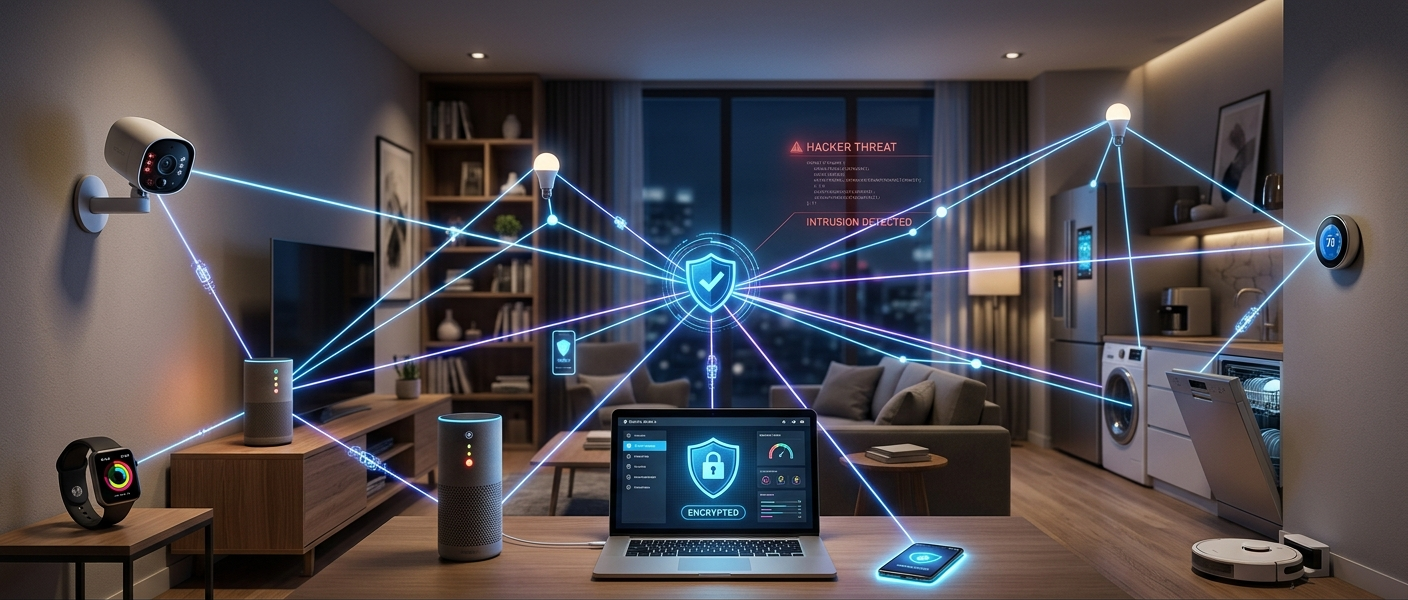
The Internet of Things (IoT) has revolutionized the way that people interact with technology, giving the internet access to everyday objects. Whether it’s a smart home system, wearable fitness tracker, or an industrial machine or workspace, connected devices offer convenience, automation, and efficiency. But with the increasing number of Internet of Things (IoT) devices, security is one of the largest challenges for users and organizations.
A lot of people take advantage of smart technology without knowing the risks. The security of the Internet of Things (IoT) is a subject of concern for individuals, businesses and technology professionals, because each connected device is a potential entry point for cybercriminals. By learning how to protect against attacks and understanding how to remain safe while enjoying the benefits of IoT devices, users can ensure that their personal data and digital systems stay safe and secure.
Why Understanding IoT Security Vulnerabilities Matters
IoT security vulnerabilities are anything that could be exploited by an attacker to get access to the network, steal information or disrupt operations of connected devices, networks and systems. Many IoT devices have less processing power than traditional computers or smartphones, and have smaller storage units and less security features, making them harder to protect. Smart cameras, smart speakers, smart appliances, and Internet of Things (IoT) sensors and their devices may be transmitting and receiving private data and operating 24/7 across networks. These systems are designed to ensure user privacy and safety, but if they are not effectively secured, they can be exploited to invade privacy and jeopardize safety. Weak authentication, outdated software, insecure communication, and poor device management practices are among the common IoT security vulnerabilities. Acknowledging these vulnerabilities is a significant first step towards establishing safer digital surroundings at home and in the workplace.
The Rising Menace of IoT Device Hacking
Hacking, which is an effort by the cybercriminal to take control of the connected device without any consent, is one of the major IoT security threats. Most IoT products are set up and never used again and are easy targets for hackers. For instance, a poorly-configured smart camera might be able to be accessed by a hacker, and a hacked smart appliance could be part of a network of hackers. Another way to attack IoT devices is to use them in large numbers to launch a distributed denial-of-service (DDoS) attack. The Internet of Things (IoT) is continually expanding, and with more homes and workplaces relying on connected technology, the potential for hacking into the IoT grows. To protect devices, users must also be aware of it from the installation phase and not expect that the manufacturer had covered all bases.

Poor Password and Authentication Practices
The use of weak passwords is still one of the biggest issues in IoT security. There are numerous IoT devices that are sold with default user names and passwords that are easily guessed by an attacker. If users do not update this logon information, hackers are able to easily access the system within a short period of time through automated systems that try out frequently used combinations of login names and passwords. Simple passwords, passwords that have been reused, and passwords that are shared with others increases the risk because a single compromised account may have an impact on multiple systems.
To minimize unauthorized access, strong authentication methods must be used. Users should set a unique password for each device connected and never use information that is easy to guess, like a name, birthday or a single number sequence. Wherever possible, multi-factor authentication will provide an additional layer of security since it will require further authentication before access is granted. For many IoT security threats, good password practices can be a simple yet effective measure to avoid them.
Data Breaches and Information Theft
The IoT devices gather and send vast amounts of data and are therefore tempting targets for cyberattacks. Health data could be stored in a smart watch, voice data in a smart assistant, and images and videos in a private area by a security camera. In the event of a breach in an IoT system, attackers can have access to personal information, business information, or confidential records. A data breach can result in ID theft, financial loss, reputation damage, and significant privacy issues.
“Enterprises that implement IoT technology should be particularly wary, as an infected device could reveal customer information and vulnerable company data. To ward off data breaches, robust encryption, secure data storage practices, timely security patches, and access controls to connected systems are essential. In addition, users should check the rights granted to the devices and not be indiscriminate about sharing irrelevant information on IoT platforms.
How Connected Devices Can Infringe on Privacy
Another significant privacy challenge with IoT technology is privacy violation. However, the advantages of many connected devices is that they can gather information to offer personalized services that can become an issue when users are not aware of how the information is being collected, shared and used. Smart speakers, cameras, location trackers and wearable devices can give data on personal habits, daily routines and private activities. Companies may not be able to secure collected data, or the attackers might be able to access data from the devices and thereby gain control over the individuals’ personal privacy.
Consumers should read privacy policies carefully before buying IoT products and tune the settings of the devices to minimize the amount of data collected. Companies should also set guidelines for the utilization of information generated by these IoT devices. Privacy is a balance between enjoying smart technology features, and making informed choices about what information users are willing to share.
Old Software and No Security Patches
One of the other major IoT security issues is legacy software. A lot of connected devices run outdated versions of their firmware, which could have vulnerabilities. Cybercriminals often target devices that haven’t been updated recently due to their vulnerability. In contrast to computers and smartphones, not all the IoT devices are regularly updated by the manufacturers and are left to the consumer to manage any security threats. Consumers should think about how long a manufacturer will offer software support and security updates when buying an IoT product.
It is important to keep users installing the update as soon as it is released as new vulnerabilities are constantly being discovered that are addressed by the update and should be installed as soon as possible. Additionally, companies that have extensive numbers of connected devices should adhere to sound update schedules and regularly check the security of the devices. One of the easiest ways to minimize exposure to cyberattacks is to keep software up-to-date.
How IoT Devices Can Be Secured at Home
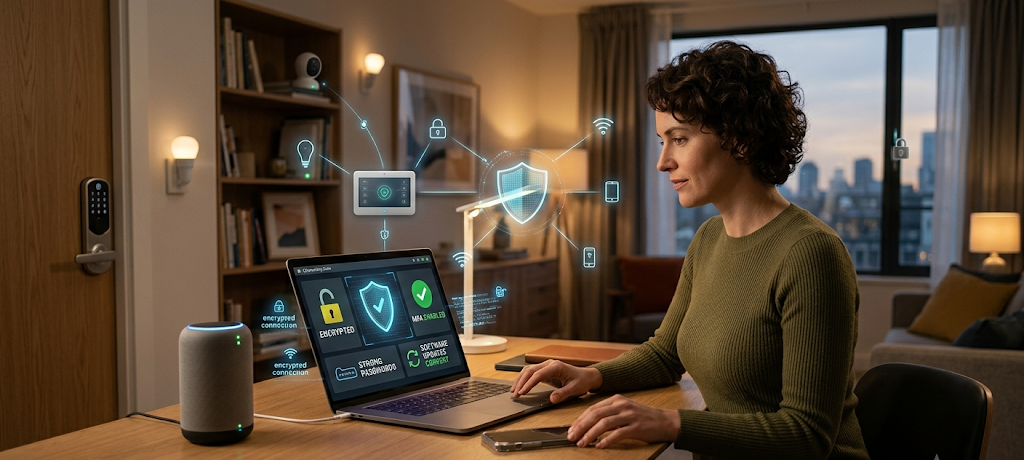
Home protection of IoT devices relies on wise decisions, secure settings, and on-going maintenance. The first step is the changes in default passwords after installation of a device and forming strong and unique login credentials. Secure Wi-Fi passwords and current security settings should be used on home networks as well. Using a guest network or separate network for IoT devices can minimize damage when one device is compromised.
Users should turn off features that aren’t required, such as any remote access options, since each additional feature can be a new potential security breach. Other security tips include regularly updating the settings on devices, reviewing accounts that are connected, and removing devices that are no longer used. While the idea of IoT devices is to make life easier for the user, it is very important that they are not perceived as a normal household product that can be put aside after installation.
Protecting IoT Systems in Businesses and Workplaces
Workplace devices frequently access critical business networks and access valuable information, adding to the greater challenges of IoT security that organizations must overcome. An IoT device that is compromised in a corporate setting can have an impact on the company’s functioning, provide access to sensitive information, or lead to more massive cyberattacks. IoT security policies should be created by businesses to communicate the processes for approval and installation, monitoring and maintenance of devices.
Employee awareness is also important as they can be the cause of a lack of security. Network monitoring tools, robust access controls, encryption, and periodic security evaluations are all strategies that companies can employ to detect potential risks. Restricting access to only those devices accessed by employees who need them to perform their duties can minimize the effects of unauthorized use. It is also important for businesses to ensure they’re collaborating with trusted manufacturers who have security in mind and offer consistent updates as the product ages.
The Principles for Enhancing the Security of IoT
Organizations and people can take some action to enhance the security of IoT technology. Users should do due diligence when buying the device and ideally go with manufacturers who have a solid reputation on security measures and customer support. Adopting security practices like installing security patches, creating strong passwords, implementing multi-factor authentication, and tracking device activity are crucial for safer IoT use.
Use encryption if at all possible to secure information during transfer of data between devices and networks. Also, users need to not attach any unknown or untrusted device to any personal network as it can pose security risks. Frequent security audits can help to uncover issues before they can be exploited. As IoT technology keeps proliferating, awareness of the technology’s security implications needs to increase. Smart technology means people can benefit from technology, but it also poses some risks due to greater connectivity, which can be managed responsibly.
The Future of IoT Security
It will rely on collaboration between all stakeholders in IoT technology, cybersecurity, governments and consumers. Security should not be an afterthought; it should be a priority when designing and developing new connected devices for use in homes, workplaces, healthcare facilities and industries. Manufacturers are increasingly implementing more robust authentication mechanisms, more powerful methods of encryption, and more sophisticated methods of security monitoring to defend consumers.
But no security technology can ever overcome responsible user behaviour. Everyone has to be aware of possible dangers and take easy steps to defend against them. The potential of innovation is tremendous with IoT, but it needs to be backed by robust security measures. Users can make informed decisions about protecting themselves and contribute to a more secure connected world by understanding common risks like hacking, data breach, weak passwords, and privacy invasion.
Conclusion
The advent of IoT technology has transformed the way people live today, making devices smarter, faster and more convenient, but it has also ushered in new security challenges. When connected devices are inadequately secured, they may provide opportunities for a hacker to compromise them, steal information, breach privacy and otherwise present a threat to the user. Fortunately, there are a number of ways to address many of these IoT security concerns without being overly complex, including simple steps like using strong passwords, software updates, restraining device permissions, and selecting trusted products.
Whether at home or in the workplace, security should be considered an essential part of using connected technology. With the continued growth of IoT devices, it’s important to be able to protect them even more. People and businesses can reap the benefits of IoT technology while reducing risks associated with the increasingly connected digital world with safe and responsible use.


