You’re standing in front of the mirror, tugging at a suit jacket that doesn’t quite sit right. The shoulders are a bit too wide, the waist is boxy, and the sleeves are just a fraction too long. It’s a familiar frustration for anyone who values presentation but struggles with off-the-rack clothing.
While the world of high-end apparel promises a solution, the landscape of custom tailoring can be a confusing mix of vague claims and unclear processes. This is where expert tailors make their mark.
For those navigating the world of luxury menswear in Los Angeles, one name that consistently surfaces is Woody Wilson, a clothier promising a true bespoke experience backed by over two decades of practice.
What’s the Real Difference Between a Woody Wilson Bespoke Suit and ‘Made-to-Measure’?
One of the biggest hurdles for a smart buyer is confusing terminology. Brands often use “custom,” “made-to-measure,” and “bespoke” interchangeably, yet they represent vastly different levels of craftsmanship and personalization. Knowing the difference is the first step toward making a sound investment.
A made-to-measure suit starts with a pre-existing pattern that gets adjusted to your basic measurements. It’s certainly a step up from off-the-rack, but it’s still an alteration of a standard size. True bespoke tailoring, Woody Wilson’s specialty, is an entirely different discipline.
A new pattern is drafted from scratch using dozens of your unique measurements, accounting for every nuance of your posture, shoulder slope, and stance. The goal isn’t just to fit, but to flatter.
When you compare the two approaches, the distinctions become clear:
• Pattern Creation: Made-to-measure simply alters an existing block pattern. The bespoke process at Woody Wilson involves creating a unique paper pattern made exclusively for your body.
• Fittings: Made-to-measure might involve one or two fittings. A true bespoke process requires multiple fittings to meticulously refine the garment as it’s being constructed.
• Craftsmanship: The Woody Wilson approach emphasizes hand-sewn craftsmanship, from the buttonholes to the jacket’s canvas. This allows for a softer, more natural drape that molds to your body over time.
• Customization: While made-to-measure offers fabric and button choices, bespoke gives you near-limitless control over every detail, like lapel width, pocket style, and internal construction.
What Happens During the Woody Wilson ‘Bespoke Experience’ From Start to Finish?
The word “experience” can be a marketing buzzword, so what does it actually involve? For a service that operates on a “by appointment only” basis, the process itself is a key part of the product.
The journey with Woody Wilson is designed to be collaborative and educational, turning a purchase into a personalized service. The process is broken down into several key stages:
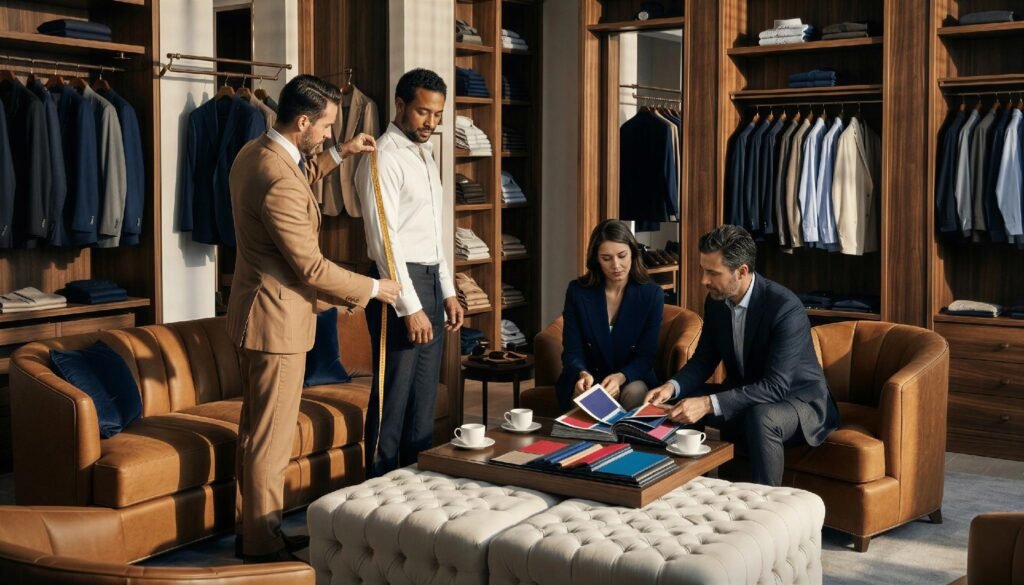
1. The Initial Consultation: You’ll have a conversation with Woody Wilson himself to discuss your lifestyle, needs, and style preferences. It’s less about selling and more about understanding how the garment will be used, whether for the boardroom, a wedding, or the entertainment industry.
2. Fabric Selection and Design: You are guided through a collection of fabrics from world-renowned mills. Here, you choose everything from durable workhorse wools to luxurious blends and finalize the design details.
3. The Measurement Process: A comprehensive set of measurements is taken to create your unique pattern. This goes far beyond a simple chest and waist measurement to capture the subtleties of your form.
4. The Fittings: Over several weeks, you will have multiple fittings. The first might be for a “basted” garment, which is a loosely stitched version of your suit. Each following fitting allows the tailor to sculpt the suit directly on your body, ensuring a perfect fit.
5. Final Delivery: The finished garment, a culmination of hours of meticulous handwork, is presented. You receive what the brand calls a “wearable piece of art,” a suit built not just for you, but around you.
Why is Having a Suit ‘Made in Italy’ So Important?
The “Made in Italy” tag carries serious weight in the fashion world, but why? It’s more than a location. It’s a globally recognized shorthand for a heritage of quality, style, and superior craftsmanship. Italian mills are legendary for their innovation and artistry in weaving fabrics.
Woody Wilson’s choice to use Tallia Di Delfino fabric, particularly their 17-micron Super 130 fine spun worsted wool, is a significant trust signal. This isn’t a generic claim; it points to a specific, high-quality supplier known for producing soft, resilient, and beautifully draping materials.
Choosing an authentically ‘Made in Italy’ garment means you are benefiting from generations of tailoring knowledge. This heritage translates into tangible qualities: a lighter construction, a softer shoulder line, and an overall elegance that distinguishes these Italian wool suits from their more rigid counterparts.
How Much Does a Bespoke Suit Cost, and is it a Worthwhile Investment?
The final price depends entirely on the client’s choices. A suit made from a Super 130s wool will cost less than one from a rare vicuña blend. It’s safe to assume this is a premium service and a significant financial commitment.
So, is the investment worth it? The value comes down to three key factors:
1. Longevity: A hand-sewn bespoke suit, made from high-quality fabric and cared for properly, can last for decades. It’s the antithesis of fast fashion. You are buying fewer, better things.
2. Perfect Fit: The confidence and comfort that come from a garment made exclusively for your body are intangible but immensely valuable. It eliminates the daily distraction of ill-fitting clothes.
3. Uniqueness: Your suit will be one of a kind, a direct reflection of your personal taste. In a world of mass production, that level of individuality is the ultimate luxury.
Your Next Steps
If you’re considering commissioning a bespoke suit, the path forward requires careful thought. A simple checklist can help guide your decision:
1. Assess Your Needs: Clearly define the purpose of the suit. Is it for daily work, special occasions, or a specific event? This will guide your fabric choices and design.
2. Understand the Process: Be realistic about the time and commitment involved in bespoke tailoring. It’s a marathon, not a sprint, often taking several weeks from consultation to completion.
3. Evaluate the Tailor’s Expertise: Look for evidence of a master tailor’s craft. Review their gallery, search for client testimonials, and assess their philosophy. A tailor like Woody Wilson, described by clients as a ‘master at his craft,’ brings a level of personal style and expertise that is central to the final product.
4. Schedule a Consultation: The best way to know if a tailor is right for you is to have a conversation. Setting up an appointment is an opportunity to ask questions, see fabric samples, and gauge if the relationship feels right.
Learn more about Woody Wilson’s products. Book an appointment today.