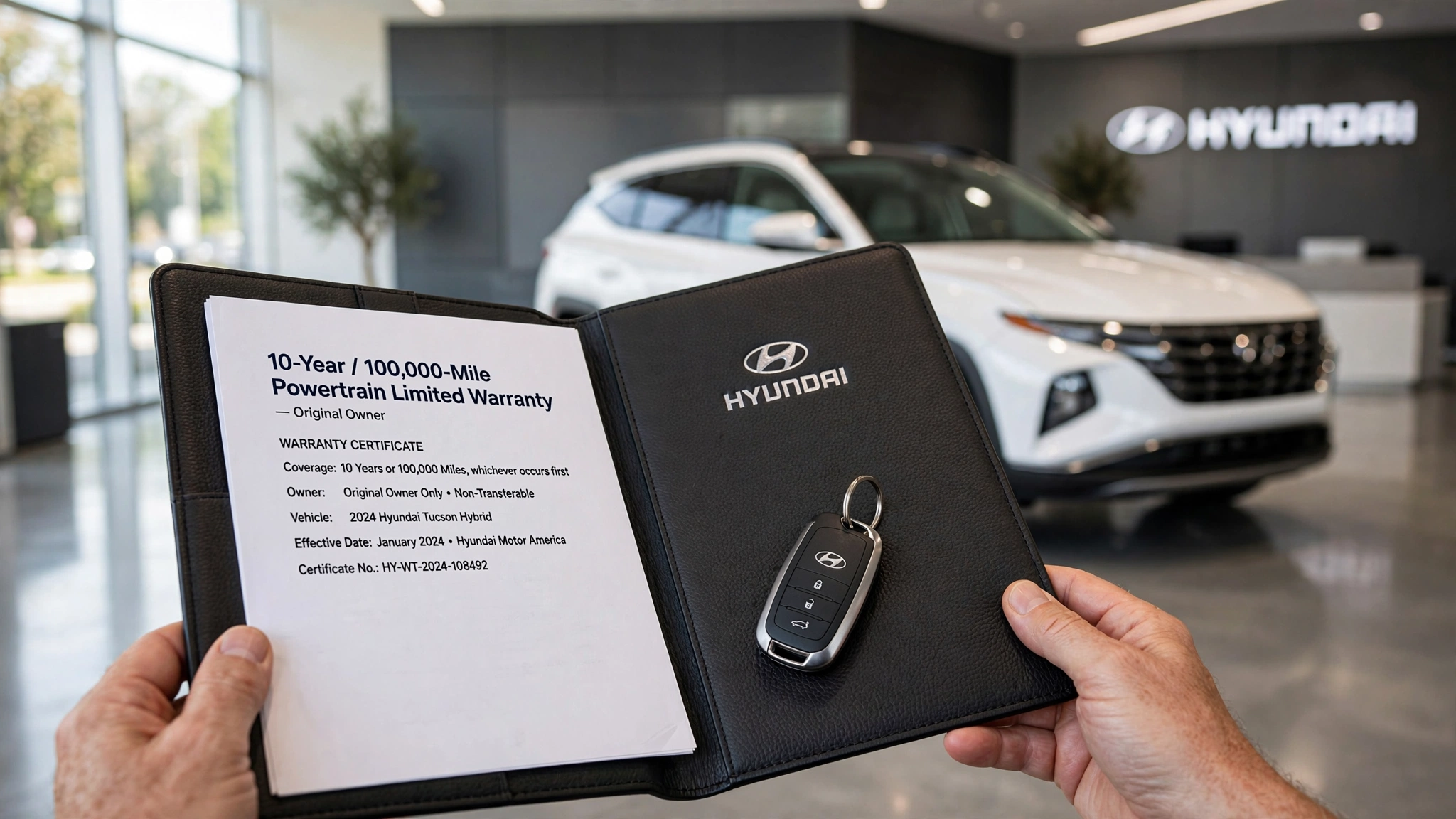
Hyundai 10 year warranty coverage is more to buying a new Hyundai than just a car; it is also a purchase for a better-than-average automotive factory warranty package. One of the big selling points of Hyundai is its 10-year/100,000-mile powertrain warranties, but many are not fully aware of the terms. The 10-year time period is not for the entire vehicle. Instead, Hyundai divides its warranty into various categories, such as powertrain, bumper-to-bumper, roadside assistance and anti-perforation. It’s important to know these differences so buyers can understand Hyundai’s costs and what they are responsible for.
This warranty is especially appealing to the long-term buyer of a Hyundai. This includes a 10-year/100,000-mile Powertrain Limited Warranty for the original owner, a 5-year/60,000-mile New Vehicle Limited Warranty, 5-year/unlimited-mile roadside assistance and 7-year/unlimited-mile anti-perforation coverage. But there are certain conditions and exclusions in each warrant, and owners shouldn’t assume that any problem will be fixed at no extra cost.
Hyundai’s warranty cover
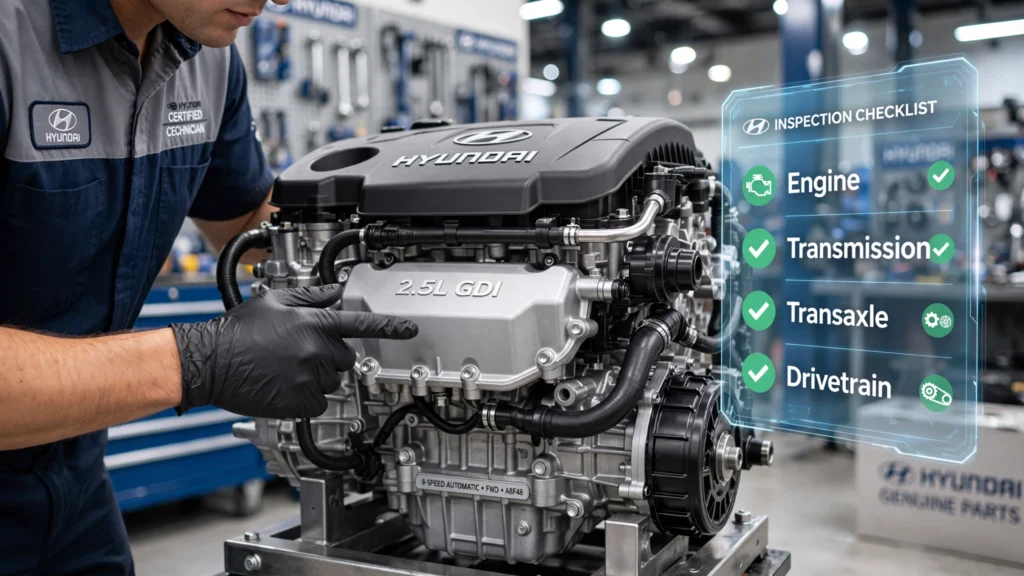
Hyundai’s warranty consists of a number of different coverages. One of the most well-known is the 10-year/100,000-mile powertrain warranty that covers the major parts of the engine and transmission under certain conditions, where the failure is due to defects in manufacturing or materials. The coverage is mainly for a new Hyundai’s first owner. Power train coverage is typically limited to the shorter 5-year/60,000 miles of the New Vehicle Limited Warranty for future owners.
The New Vehicle Limited Warranty offers more coverage for many parts across the car for a 5-year/60,000 mile service. That doesn’t necessarily mean that every component is guaranteed for five years, however. Often the standard wear and tear parts of the vehicle, like brake pads, filters, wiper blades and other consumables, are not covered or may be restricted. As a result, it is crucial for owners to always read the owner’s manual and warranty info for their specific Hyundai and year.
Hyundai’s standout feature from many competitors is the powertrain warranty. It will cover eligible powertrain components for up to 10 years or 100,000 miles, whichever occurs first, for the original owner. This can offer a good protection against costly failures of covered engine, transmission and drivetrain parts. This extra coverage can offer peace of mind to those who are considering purchasing a Hyundai that will last beyond the standard 5-year warranty.
The warranty, however, doesn’t guarantee that Hyundai will fix anything that goes wrong with the car during the next decade. Accidental damage, misuse, damage resulting from improper maintenance or modification, damage resulting from racing or damage from other excluded circumstances may not be covered. Regular routine maintenance is also the owner’s responsibility. Therefore, adhering to the Hyundai suggested maintenance plan and maintaining receipts and records are the best ways to preserve the warranty.
Roadside Assistance and Anti-Perforation Coverage
Qualifying new vehicles come with 5-year/unlimited-mile 24-hour roadside assistance from Hyundai. That program can assist – and may be available to offer towing and other types of emergency services – if a vehicle has experienced a certain roadside problem. It’s crucial to keep in mind that roadside assistance is not a part of the car warranty and that Hyundai does not answer for all repairs required for a breakdown.
The manufacturer also offers a 7-year/unlimited mile anti-perforation warranty. This protection is for any corrosion which is caused by a defect in the body sheet metal (material or workmanship) and which results in the rusting of the original body sheet metal from the inside towards the outside. It doesn’t imply that all of the surface rust is included. There may be exceptions for damage resulting from an accident, environmental factors, improper repairs or other causes.
What is NOT covered by the Hyundai Warranty.
A factory warranty only covers manufacturing defects, and does not cover normal ownership costs. Normal use and wear and tear are not covered by Hyundai unless the problem is a serious defect. Consumables like tires and tubes, filters, wiper blades, etc. may need to be replaced and the owner will have to pay for them. That’s why the 10-year warranty must not be taken as if the vehicle is free for 10 years.
There are other circumstances that may not be covered by warranty. Racing, improper fluids, misuse or improper maintenance, collisions or damage caused through any other activity may not be covered by warranty repair. Owners are therefore urged to adhere to the maintenance requirements outlined in the owner’s manual and ensure that maintenance work is carried out, maintaining records of the work carried out. Good records are very useful if there is a warranty claim and Hyundai requires proof that the vehicle was properly maintained prior to the warranty claim.
How Do You Make a Hyundai Warranty Claim?
In case of a problem, the first place to go is to an official Hyundai dealer. The service department can check the car, find out what the issue is and if the part is covered under the appropriate warranty. Owners should be able to give helpful information regarding the onset of the problem and the symptoms observed. When warning lights are on or when the problem occurs just occasionally, the exact timing and description of its occurrence will help the technicians understand the problem.
When calling for warranty service, it’s also a good idea to have maintenance records and receipts to hand. Owners can request an explanation of the diagnosis and why the warranty is not applicable if the dealer decides a repair is not covered. Knowing if it is considered to be normal wear and tear or whether it has been caused by an accident, improper maintenance or excluded parts can help to avoid confusion and enable you to decide what to do next.
Hyundai vs. Toyota and Honda
Hyundai’s warranty is considered better than Toyota and Honda’s. Toyota and Honda normally have a 5-year/60,000-mile powertrain warranty, and the Hyundai has a 10-year/100,000-mile powertrain warranty for those who meet certain criteria. In addition to the limited warranties offered with Toyota and Honda, Hyundai offers a 5-year/60,000-mile new-vehicle limited warranty. This is a great option for those looking to keep their Hyundai for years to come.
When comparing warranties, however, there’s more to the headline powertrain number. Toyota and Honda are both strong packages, with coverage for hybrid systems and other parts. For instance, Toyota offers prolonged hybrid battery coverage. In addition, Honda offers individual coverage for some hybrid parts. So, it is important for buyers to check the precise warranty on a specific model/powertrain and not just because of the 10-year number.
Warranty
| Warranty | Hyundai | Toyota | Honda |
| Basic coverage | 5 years/60,000 miles | 3 years/36,000 miles | 3 years/36,000 miles |
| Powertrain | 10 years/100,000 miles | 5 years/60,000 miles | 5 years/60,000 miles |
| Anti-perforation | 7 years/unlimited miles | 5 years/unlimited miles | 5 years/unlimited miles |
| Roadside assistance | 5 years/unlimited miles | This is available via Toyota programmes. | Varies by program |
Generally, Hyundai’s 10-year/100,000-mile warranty coverage is valid for the first owner of a new Hyundai.
Is Hyundai’s warranty worth it?
If your Hyundai is meant to be a long-term investment, then the warranty will be a great benefit. The 10-year/100,000-mile powertrain warranty is a larger guarantee than the typical 5-year/60,000-mile powertrain warranty that Toyota and Honda provide. This can lessen the financial exposure for some of the more significant powertrain issues after the cars’ comprehensive five year warranty period expires.
However, the warranty should not be considered as a substitute for good maintenance. Owners should still service their vehicles, change out typical wear parts, adhere to the Hyundai’s maintenance guidelines and maintain records. The warranty does not cover all repairs for all defective parts. If properly interpreted, however, Hyundai’s warranty is an actual benefit and one of the best arguments for buying a Hyundai for long-term driving.
Final Verdict

While impressive, Hyundai’s 10-year/100,000-mile warranty comes with a lot of value if you know what it entails. The long powertrain warranty covers qualifying major components for original owners, and the comprehensive 5-year/60,000-mile warranty offers additional protection for the vehicle. There’s also roadside assistance and anti-perforation cover, which will provide extra protection for Hyundai owners in the early to middle years of their car ownership.
The single most important thing to understand: the 10-year warranty isn’t the same as a 10-year Hyundai. Normal wear, maintenance, accidents and misuse, and other exclusions remain the property owner’s responsibility. That said, Hyundai is a good gamble against Toyota and Honda thanks to its extensive powertrain coverage, full protection, roadside assistance, and corrosion coverage. Hyundai’s warranty can be a significant aspect of the ownership package for those who value long-term peace of mind.