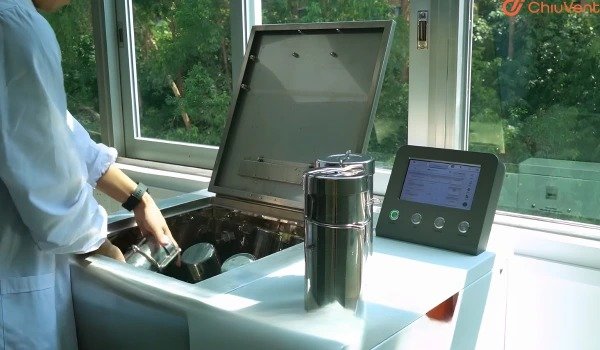
Buying testing equipment is not like buying office furniture — a wrong choice can lead to inaccurate results, compliance failures, and wasted budget. For labs evaluating dye and fabric performance, the washing fastness tester is one of the most frequently used instruments, so getting the selection right matters more than most buyers realize.
Start With Your Testing Standards
Before comparing machines, identify exactly which standards your buyers or certifications require. Common ones include ISO 105-C06, AATCC 61 (1A, 2A, 3A, 4A, 5A variants), and GB/T 3921. Some testers are built to accommodate only one family of standards, while others allow flexible parameter adjustment across multiple methods. If your lab serves clients in different regions, versatility here saves you from buying a second machine later.
Capacity and Throughput
Ask how many samples the lab tests per day. A small in-house QC lab might be fine with a 6-8 pot machine, while a large third-party testing lab or export house running dozens of samples daily will need higher capacity models with independent temperature zones so multiple test conditions can run in parallel.
Build Quality and Corrosion Resistance
Washing fastness testing involves constant exposure to detergents, heat, and moisture. Stainless steel drums and pots resist corrosion far better than lower-grade materials, and this directly affects the machine’s lifespan and the consistency of results over years of use.
Ease of Calibration and Maintenance
A tester that’s difficult to calibrate becomes a liability rather than an asset. Look for models with accessible temperature sensors, straightforward pot removal for cleaning, and manufacturer support for spare parts.
Budget Versus Long-Term Value
It’s tempting to choose the cheapest option, but repeated recalibration, poor repeatability, or downtime for repairs often costs more over two to three years than investing in a slightly higher-spec unit upfront. Labs that plan to scale testing volume should factor in future capacity needs rather than buying only for current demand.
Buyers comparing units side by side often start with a shortlist like the washing fastness tester offered by FYI Tester, since it covers the standard method requirements most export-focused labs are asked for.
FAQs
Q1: What’s the difference between a benchtop and industrial washing fastness tester? Benchtop units suit smaller labs with lower daily sample volume, while industrial models offer more pots, better temperature stability, and higher durability for continuous use.
Q2: How often should a washing fastness tester be calibrated? Most manufacturers recommend calibration checks every 6-12 months, though high-usage labs may calibrate more frequently to maintain accuracy.
Q3: Can the same machine be used for both ISO and AATCC methods? Many modern units support both, provided they allow adjustable temperature, detergent concentration, and cycle timing to match each standard’s requirements.
Q4: Does sample pot material affect test results? Yes, stainless steel pots resist detergent corrosion and maintain more consistent thermal conditions than lower-grade alternatives, which can influence result repeatability.


Good iptv fransa information helps users compare device compatibility. This is important for daily streaming.