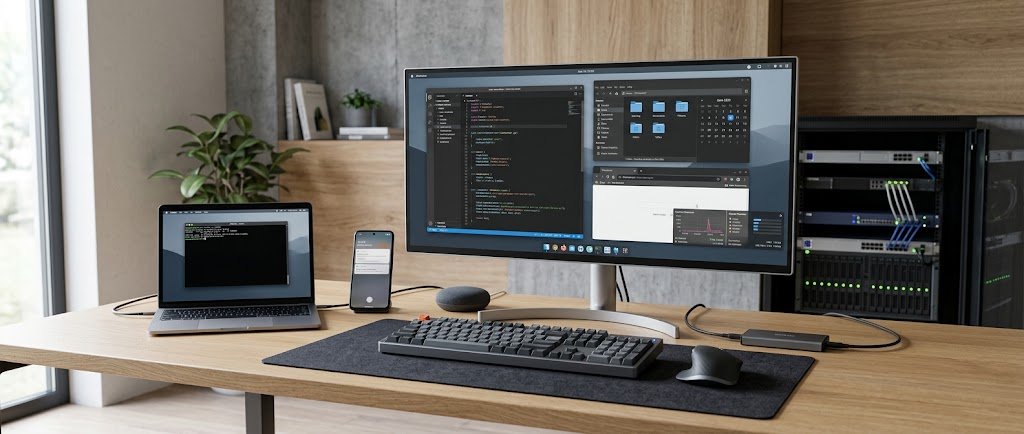
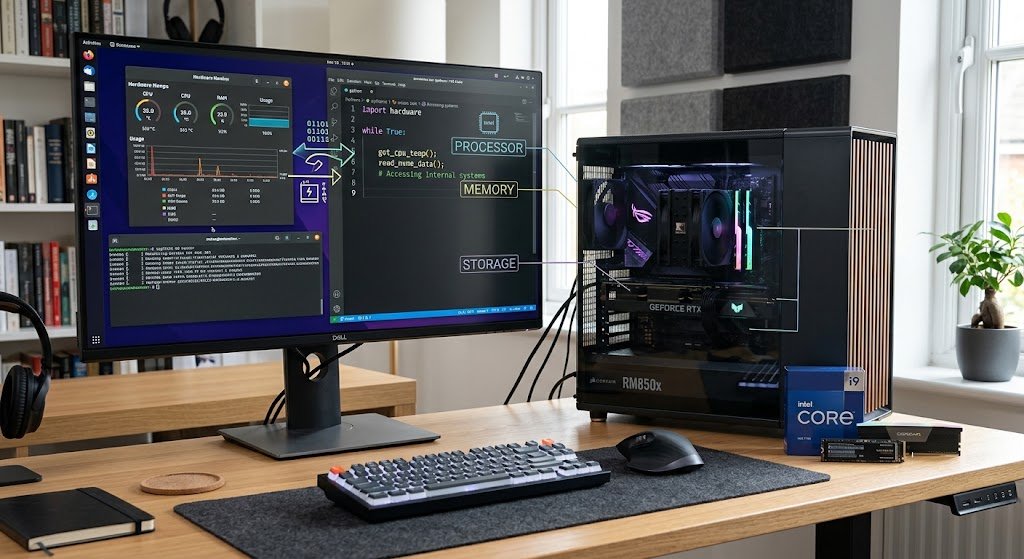
Today, computers are invaluable tools that are used in education, communication, business and commerce, scientific research, entertainment, health care, and engineering. The individual devices that people use today, however, are not the result of only one invention, but centuries of experiment and technology. From an early age, calculating tools have been developed to make mathematical work easier, and later mechanisms developed to make work more efficient, which led to the concept of programmable computers.
As time went on, developments in electronics led to the growth of the computer from an expensive, bulky machine used primarily by governments and research institutions to a small, inexpensive device utilized by individuals and organizations all over the world. The history of computing is useful to know when trying to understand how its application from simple calculation to programmable processing and networking, to cloud and artificial intelligence, and to the emerging technologies of quantum computing have developed.
Introduction to Early Calculating Devices and the Genesis of Computing
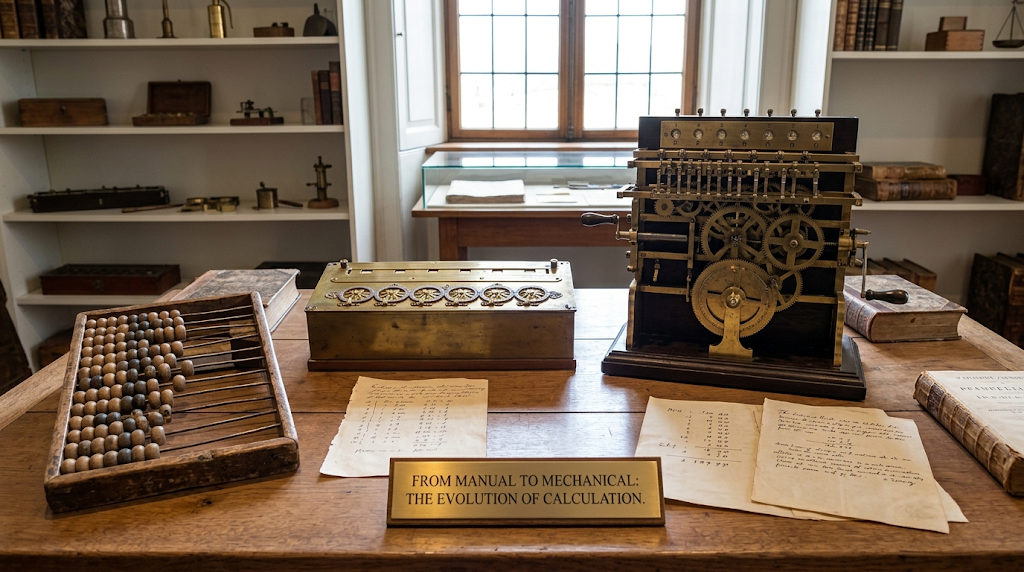
People had to make calculations easier, long before electronic computers came along. The abacus is one of the earliest known calculating instruments, which has been used in various forms for thousands of years. Made up of beads set into moveable rods or grooves, which can be used to represent numbers and carry out arithmetic. An abacus wasn’t a machine that automatically computed answers, but it did have an important point: There is a way to represent numerical information with a physical system, and there is a way for a person to use a physical system to process that information in a systematic way. There were other early tools that showed the early interest of the human race in making more complex calculations quickly and accurately, such as the counting board, astronomical instruments and mechanical calculating devices. These inventions laid the foundations for the future of mechanical and electronic computing.
In the seventeenth-century inventors were developing mechanical devices that used gears and wheels to carry out arithmetic calculations. The Pascaline was created in the 1640s by Blaise Pascal to aid in addition and subtraction, and the Step Reckoner was created in the 1670s by Gottfried Wilhelm Leibniz, which extended the use of the Pascaline to include other mathematical operations. The key point here is that these machines were important because they tried to automate some of the mathematical tasks, not all of them, while they were being done on it manually. They were mechanized devices, with limited capabilities compared to today’s electronic technology, but their intent–to reduce repetitive human labor to create a machine that could process information following established rules–was remarkably similar to how computers work today. The advent of mechanical calculators was thus a significant advance towards the notion that machines could aid in more complex mental work.
Charles Babbage and the Concept of a Programmable Computer
Charles Babbage was an English mathematician and inventor who saw that complicated calculations could be automatically carried out by mechanical computing machines. Babbage designed a proposed mechanical machine, called the Difference Engine, in the nineteenth century to compute mathematical tables with a minimal amount of error caused by manually calculating the tables. The full machine was not actually built during his lifetime, but his work showed that he had an ambitious vision for automated computation. Later Babbage designed and made plans for the Analytical Engine, a far more complex device that incorporated ideas similar to many of the features of modern computers. His proposed machine was supposed to have a way to process information, a memory to store information, a way to input information, and a way to output information.
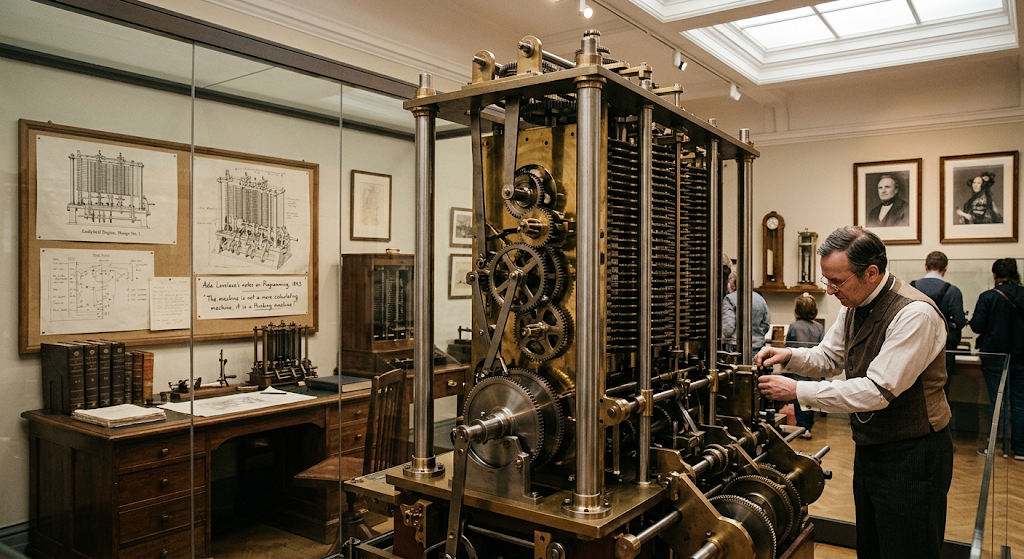
The Analytical Engine is significant because it was conceived not as a machine to perform one type of calculation, but as a machine that could perform any calculation. Babbage would design a wide-ranging machine that could be programmed to carry out various operations. Ada Lovelace, who studied Babbage’s work, realized the Analytical Engine’s greater potential and was able to make detailed notes about how it could be programmed to perform calculations. Her work is closely connected to one of the first published algorithms designed for machine processing. The concepts that Babbage and Lovelace came up with were ahead of what technology could do at the time. Though the Analytical Engine was never to be, its design was of a computer that incorporated principles that are still central to programmable computing many decades later, due to the limitations of mechanical engineering.
The History of Data Processing: Herman Hollerith and his Tabulator
Another milestone in the history of computing was punched-card data processing. They were developed in the late 19th century by Herman Hollerith, who invented a machine that recorded and processed data on punched cards. His technology was of great aid in processing vast amounts of statistical information, such as for the U.S. census. Punched cards represented information in a well-defined physical structure that could be processed by machines, rather than being organized and counted by people. This method was much more efficient in handling large amounts of data and helped to show that computing machines could be of more than mathematical value. Hollerith’s data-processing concepts were to be the basis of commercial data-processing technologies, and were later to be incorporated into the history of IBM.
The significance of punched-card systems was not limited to the applications they were initially created for, as they provided a viable means of storage of instructions and information in a machine-readable format. They were later superseded by electronic memory and digital storage, but had an impact on the early programming of computers and data processing. Business and governments were increasingly required to handle increasing amounts of records, calculations and statistical information. This need stimulated additional investment in machines that can process information automatically. It was thus emerging that computing was taking two parallel courses—one for scientific computation, one for information processing. These would eventually coalesce as electronic computers could process calculations, instructions, stored data and, increasingly, more complicated programs.
The First Generation of Electronic Computers
The first generation of electronic computers appeared in the 1940s and early 1950s. Machines were a significant technological development as they could be used to electronically process the information instead of relying on mechanical components as the main components. There was an early general-purpose electronic computer that was developed in the United States, known as ENIAC. ENIAC used up a significant amount of space and power. Another challenge would be in the programming of these machines since the operations were sometimes defined by manipulating connections, switches, or other physical components. However, electronic devices made it much quicker to make calculations than many mechanical devices had ever been.
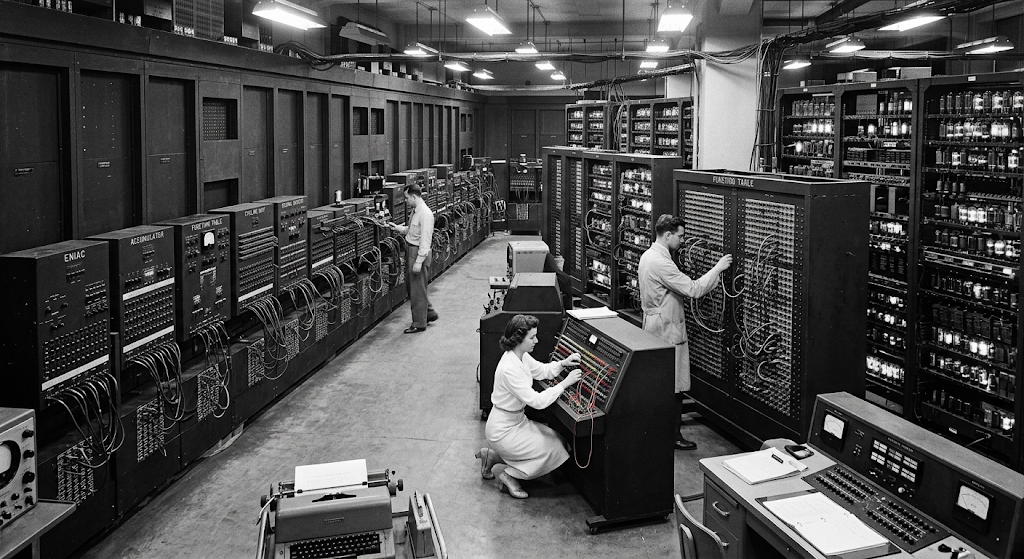
The early electronic computers were too large, expensive and complicated for the ordinary consumer, but were used by governments, universities, military organizations and research institutions. As a result, they laid the groundwork for most of the concepts used in the evolution of the computer. The stored-program concept of having electronic memory for both instructions and data was investigated. This was significant because computers could be made more flexible, and could run different programs without having to be physically reconfigured. The first generation thus inaugurated a new era of actual electronic computation and laid the groundwork for the rapid technological developments of the succeeding generations.
The Second Generation: Transistors Transform Computing
The emergence of transistors changed the face of computing.The Second Generation: Transistors Transform Computing.
The invention and use of transistors made one of the greatest changes in computer technology. In the 1950s, transistors started to be used more in computers since they were smaller, more reliable, required less power and emitted less heat than vacuum tubes. The benefits made computers more reliable, smaller and performing better. The space and power that would be needed to process information on many second-generation computers wouldn’t be as extensive. They were still costly and were not widely adopted by individuals, but were a huge leap forward in computer engineering.
Transistors also helped to create more complex computer programs and application software. The programmer no longer had to write programs in low-level machine language; more and more he had the chance to write programs in a language that was easier to use and maintain. Scientific calculations, business data processing, engineering uses and other specialized uses of computers. The move from vacuum tubes to transistors showed an important trend that has continued throughout the history of computing: advancement of fundamental hardware enables new software capabilities and application development. The size and efficiency of electronic components steadily increased and new types of problems became solvable.
The Third Generation: Integrated Circuits
The third generation of computers was based on the use of integrated circuits. Instead of wiring together individual electronic components, the engineers could mount several components on a single semiconductor chip. The development made smaller and cheaper computers, more reliable and faster to process. The development of the integrated circuit enabled the creation of more powerful machines which were not getting any bigger in tandem. More operations could be performed on the computer and the software could become more complex, but less space would be needed than in previous computers.
Computers were beginning to play an increasingly important role in universities, companies, government, and science institutes during this time. The operating systems grew more complex and were able to coordinate resources and run more than one program at a time. Software development was also made easier, as programming languages became more accessible and more and more developers were able to write programs to serve various purposes. The third generation was more than just an upgrade in hardware. It helped to develop the wider computing industry, software development, commercial applications, and research in further developments of computer architectures.
The Fourth Generation: Microprocessors and Personal Computers
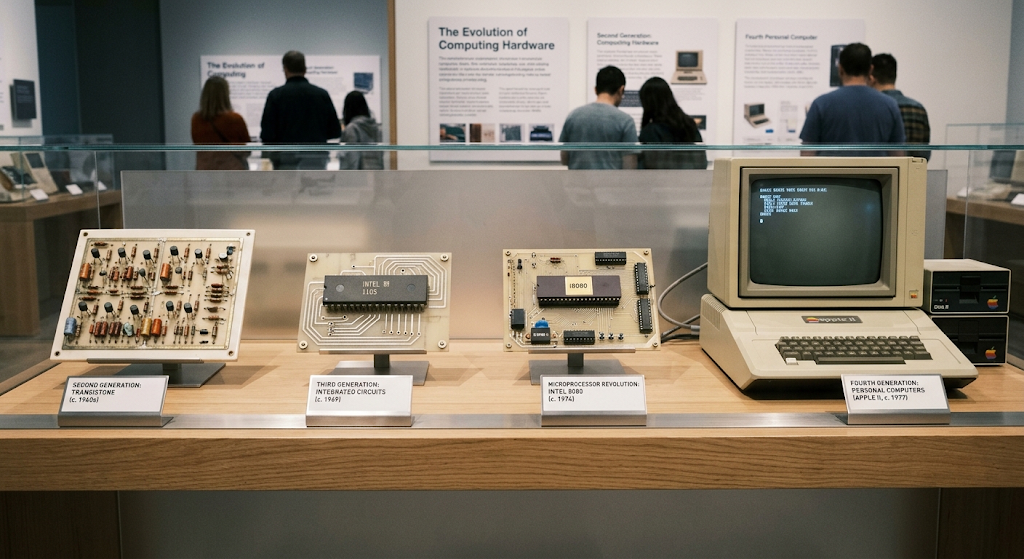
The fourth generation of computers started with the introduction of the microprocessors (MPUs), which were integrated circuits incorporating the CPU of a computer. This innovation revolutionized the economics and physical form of computing. Rather than having to assemble a large array of discrete electronic devices, manufacturers could fabricate small processors that could be added to smaller and smaller devices. The microprocessor was an essential component of the personal computer, embedded systems, calculators, and appliances as well as many other electronic devices.
With the advent of personal computers in the 1970s and 1980s, computing entered the home, school, and smaller business. Other firms, like Apple, IBM, and Microsoft, helped develop the personal computer industry and software providers produced word processors, spreadsheets, educational software, games, and other software. Computers were also easier for none-specialists to use with the help of graphical user interfaces. Users could operate the computer more with windows, icons, menus, and the pointing device rather than with complicated commands. This era changed the status of computers from tools for institutions to tools for everyday life, and laid the groundwork for the super-connected digital society that followed.
The Internet and the Connected Computer
Another significant change came with the advent of computer networking and expansion of the internet. Computers were no longer lonely machines but could be connected with other computers and information could be shared over networks. The World Wide Web enhanced the availability of information to the general public, and email, search engines, websites, online communities and digital services provided new methods of communicating and accessing information. Websites and online systems were used in business to communicate with customers, and educational institutions started to use online resources and communication systems.
The internet also transformed the use of computing in everyday life. Personal computers became access points to information networks on a global scale, and later, smartphones allowed many functions of the Internet to be brought to mobile devices. Cloud services also altered the user-computer hardware dynamic by enabling users to access applications, storage, databases, and processing power via network. A user might use services offered in a remote data center, rather than having to keep all computing resources where the user is. The shift enabled the birth of the modern computing environment, in which local devices, servers, networks, cloud infrastructure and software services are combined.
Cloud Technology and Mobile Devices in Modern Computing
Cloud computing is a significant development in the ongoing evolution of computer technology. Instead of having to invest in local hardware, computing resources are available remotely via internet-connected data centers that can be accessed by individuals and organizations. Cloud platforms can offer storage, processing power, databases, software, analytics and more, along with all the underlying infrastructure – all without having to buy and maintain the hardware themselves. This has made computing resources more flexible and scalable, enabling organizations to scale up or down their resource usage as needed.
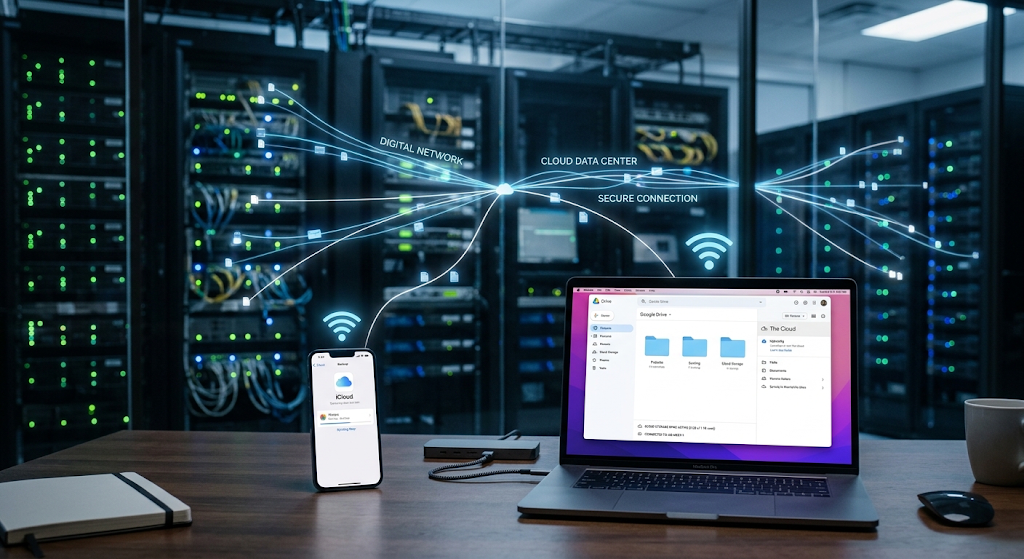
Meanwhile, mobile computing has revolutionized the way people have interacted with technology. Smartphones and Tablets are portable devices that integrate a strong processing power, storage, sensors, cameras, communication capabilities, and software. Cloud services, artificial intelligence systems, online databases and other computing resources can be accessed by modern mobile applications. This means that computing is no longer restricted to traditional desktop and laptop computers. It is embedded in transportation, housing, schools, hospitals, industry, entertainment, financial and communication. The modern computer is then viewed more as a component in a digital ecosystem than as a stand-alone desk-top device.
AI Driven Evolution of Intelligent Computing
AI is one of the most impactful advancements in computing today. Many modern AI systems can recognise patterns in information and use them to make predictions, classifications, recommendations or other outputs, while traditional computer programs tend to operate in only one way, which is one that is explicitly defined by the programmer. Computers can now be used to perform tasks that involve speech recognition, analyzing images, processing language, recommending information, and other forms of automated information processing thanks to machine learning. Modern AI has seen rapid growth due to the development of specialized hardware, the availability of large datasets, algorithms, and cloud infrastructure.
Generative AI has raised user expectations of the capabilities of computers. The modern AI systems are capable of handling various types of information, such as text, images, audio, and other digital data. These features are being explored in various fields of education, research, software development, business, design, customer service and more. But AI also raises significant issues around accuracy, privacy and security, employment, bias, intellectual property and responsible use. The development of computers is no longer just to ensure the improvement of speed and size. It is becoming increasingly important to develop systems that can undertake complex tasks and reliably achieve beneficial results from their use.
Quantum Computing – The Next Step in Computing
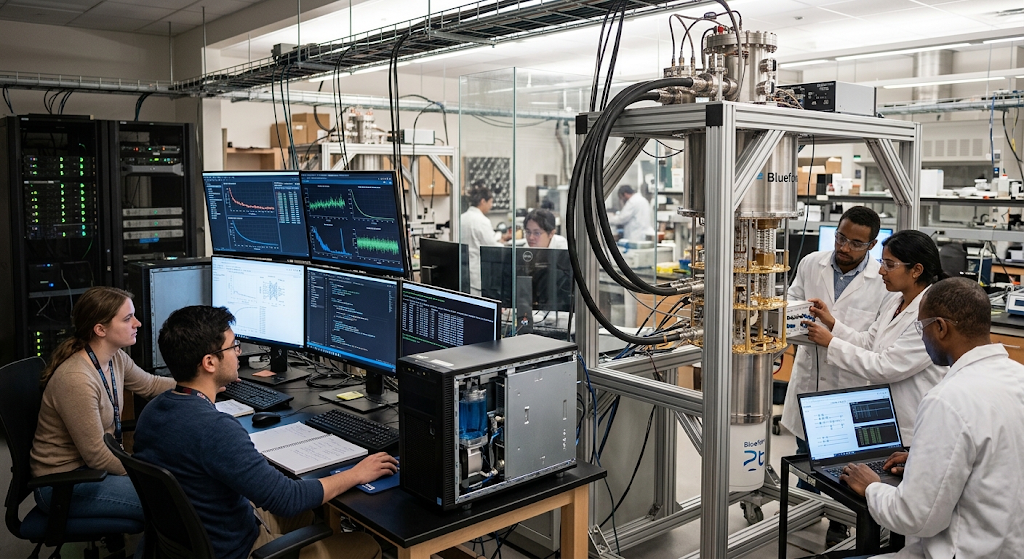
Quantum computing is a novel paradigm for information processing. In conventional computers, information is represented as binary values of 0 or 1, while quantum computers take advantage of the quantum mechanical properties through quantum bits (qubits). The field of quantum computing is still in infancy, and creating a large-scale quantum computer is a significant challenge. But scientists are exploring the potential for quantum systems to offer great benefits in specific applications involving chemistry, materials science, optimization, cryptography and complex simulations.
Quantum computers are not necessarily designed to be a replacement for all existing computers. Rather, it could end up being a specialized technology that can be used along with traditional computing hardware. The conventional processors are expected to be useful for regular tasks, and quantum processors may be employed for certain computational tasks where it is beneficial to use a quantum approach. But the history of computing is still being written, as in the development of quantum technology. As mechanical calculators could not have foreseen smartphones and cloud platforms, today’s computers may not be the information-processing technology of tomorrow.
Several regularities can be identified in the history of the computer. In general, the computers have become smaller, faster, more reliable, less expensive, and more powerful. Today’s calculating machines can calculate vast amounts of information and connect to other machines all over the world, but those early machines could only perform limited mathematical functions. The methods of memory and storage have evolved from punched cards to semiconductor memory to solid state storage to distributed cloud systems. Human-computer interaction has also evolved from physical controls and instructions at the machine level to graphical interfaces, touch screen, voice interaction and natural language systems.
The other important trend is the shift from isolated computing to connected and distributed computing. In a contemporary application, a smartphone, wireless network, cloud servers, databases, AI models and specific processors can all be involved. The environment is interwoven and the use of computing is becoming more and more invisible as digital technology is used in everyday services and everyday objects. People can “use” computers without viewing them as computers. Computing power can be embedded in cars, televisions, medical devices, industrial equipment, and smart home devices and these can run continuously in the background.
The Future of Computer Technology
The driving force of the future of computing is likely to be the emergence of a number of technologies simultaneously, not yet another technology that will supersede all others. The impact of AI on software and digital services will persist, and cloud computing will continue to be a key enabler for providing scalable infrastructure and applications. Some processing functions could be performed nearer to the data generating devices in the case of edge computing, which could help to cut down on delays and enhance responsiveness. The growth of semiconductor technology may lead to more powerful and efficient processors and specialized hardware specifically for AI and scientific computing, graphics and other specialized applications.
Other technologies like quantum computing, robotics, high-speed networking and new human-computer interfaces could also play a role in the next generation of technology. But technology advances will not come to an end at simply making powerful machines. New challenges like cybersecurity, privacy, energy consumption, responsible AI, and digital accessibility, as well as the secure handling of increasingly complex infrastructure will be the next hurdles for future computer systems. Society needs to be aware of the benefits and obligations of future technological developments by understanding the history of computing from the simple mechanical calculators to today’s intelligent and connected systems.
Conclusion
The development of computers has been a story that is continually evolving, and it has been one of the greatest inventions of the human mind, with the sole aim of making information processing more efficient. The abacus and mechanical calculators, the design of Charles Babbage, punched-card processing, machines with vacuum tubes, machines with transistors, integrated circuits, microprocessors, PC’s, and Internet-connected devices were all spheres that launched ideas that shaped the next generation. Consider the rate of progress for cloud computing, smartphones, artificial intelligence and new quantum technologies. The development of arithmetic has evolved into a world-wide technological infrastructure that enables communication, scientific research, business, education, entertainment and intelligent information processing.
It also makes it easier to appreciate the significance of current technologies by understanding this evolution. Today’s computers are not just faster versions of early computers, rather they are a product of decades of advances in electronics, software, networking, data storage, algorithms, and human/computer interaction. AI is reshaping the possibilities of software, cloud computing is redefining the way computing resources are provided and, quantum computing could open up entirely different ways to tackle specialized problems. What’s also likely to happen in the future is that technology which is hard to imagine now will be invented, which is what smartphones and multi-scale cloud platforms were to the mechanical computing industry’s pioneers. The history of computers is more than just a history of past inventions; it’s a basis for learning where digital technology might head next.